
When War Becomes Arithmetic
Can mathematics predict the future of a war? A century-old model suggests Ukraine may face a dangerous tipping point, but history shows that wars rarely follow equations alone

Reading time: 11–13 minutes
Credit: Based on an article by Philip Pilkington and Andrew Collingwood, The Multipolarity Substack, published 26 May 2026.
“The question is not whether mathematics matters in war. The question is whether mathematics can capture everything that matters.”
Introduction
For more than four years analysts, governments and military observers have debated a simple question:
Who is winning the war in Ukraine?
Many answers are shaped by politics, emotions or national loyalties.
Philip Pilkington and Andrew Collingwood take a different approach.
Their article turns to a mathematical model developed from ideas first proposed during the First World War.
Their conclusion is striking.
According to the model they discuss, Ukraine may be approaching a point where battlefield losses begin to reinforce themselves, creating a spiral that becomes increasingly difficult to stop.
If correct, the consequences would be profound.
If wrong, it would remind us why wars are among the most difficult human events to predict.
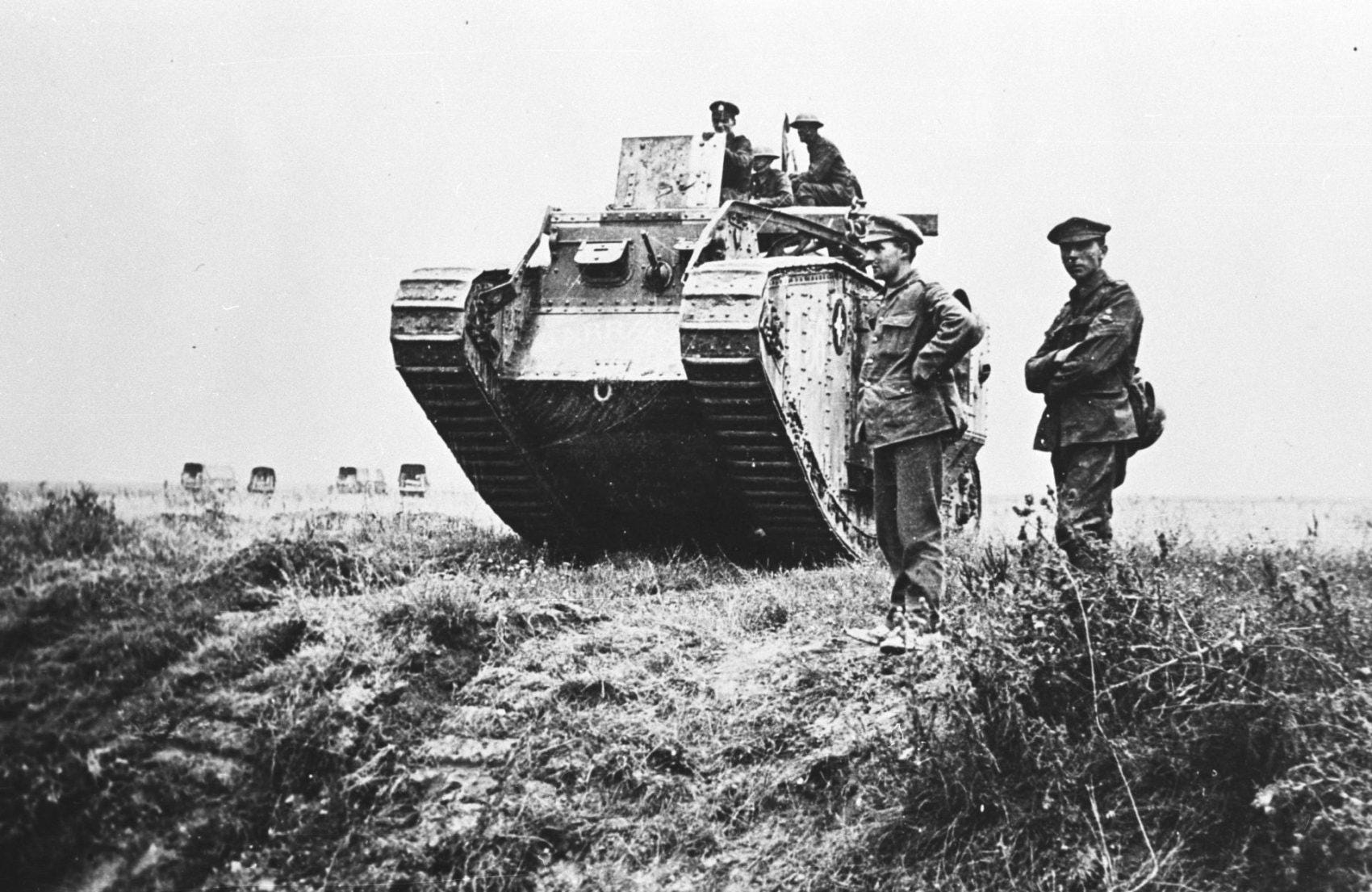
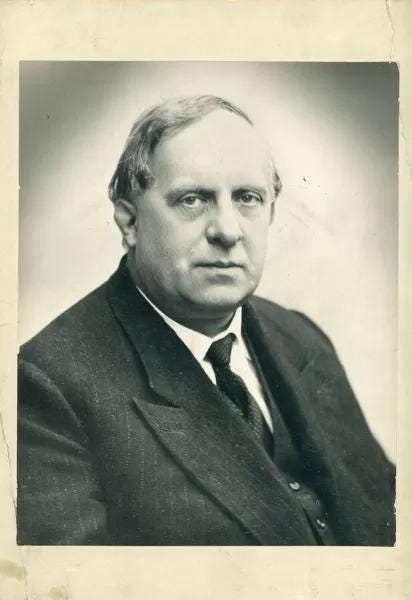
English engineer and pioneer in automotive and aeronautical engineering, Frederick W. Lanchester. He was a co-founder of the Lanchester Motor Company with his brother George. He is considered one of the “big three” English automotive engineers, along with Harry Ricardo and Henry Royce. Lanchester made significant contributions to aerodynamic theory and was a pioneer in momentum rotor theory.
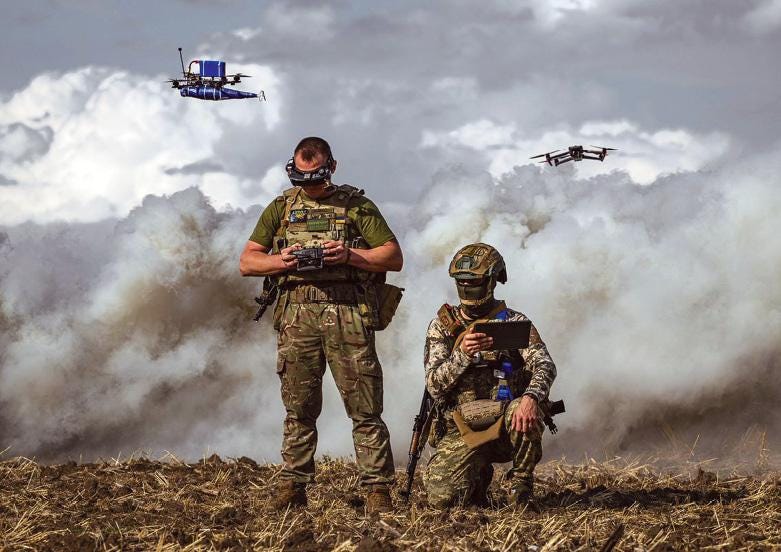
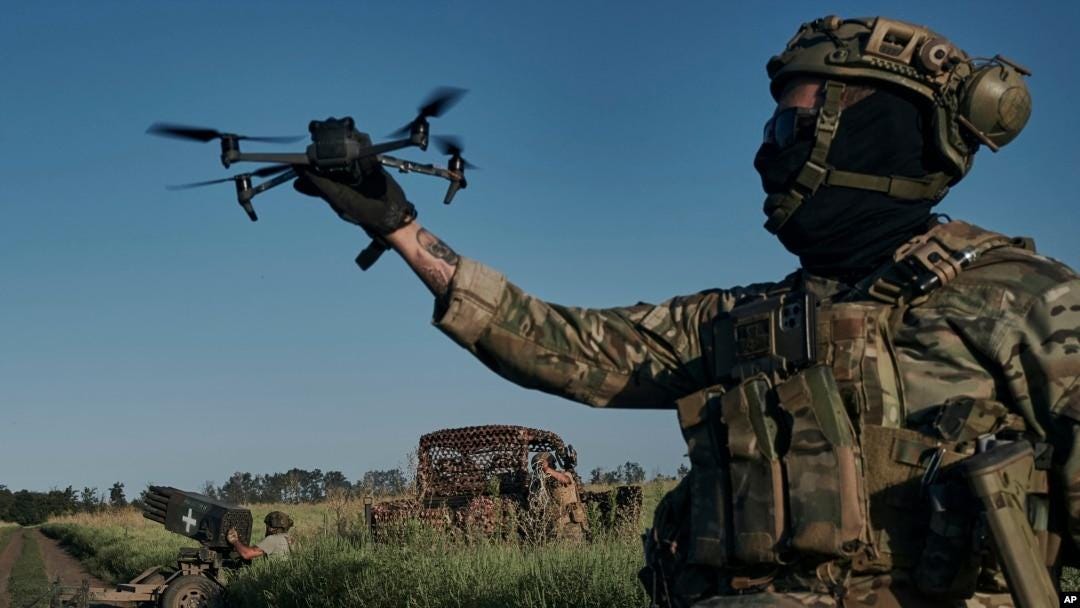
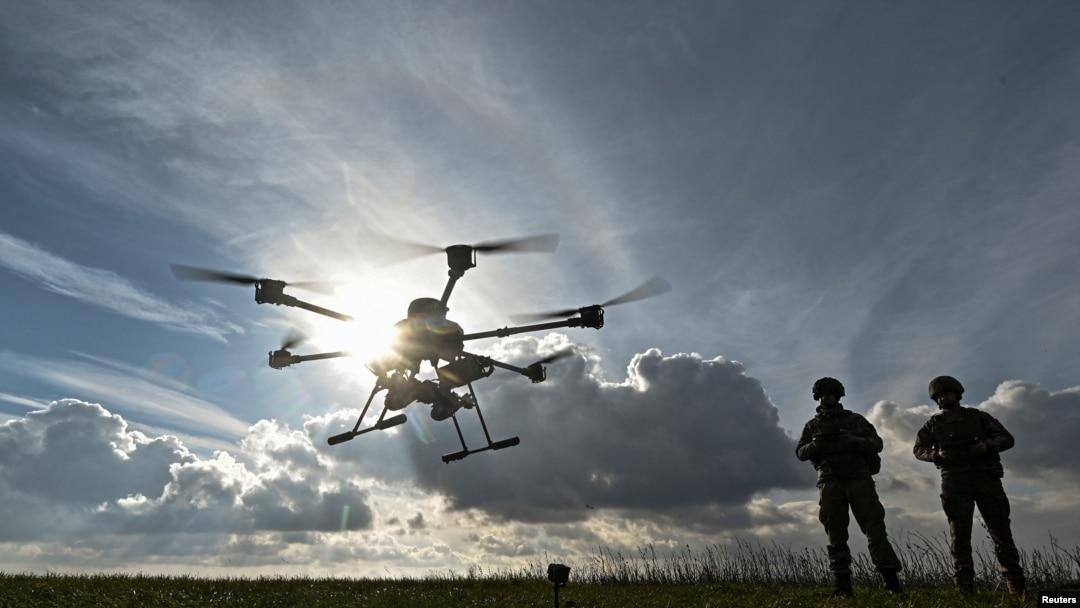
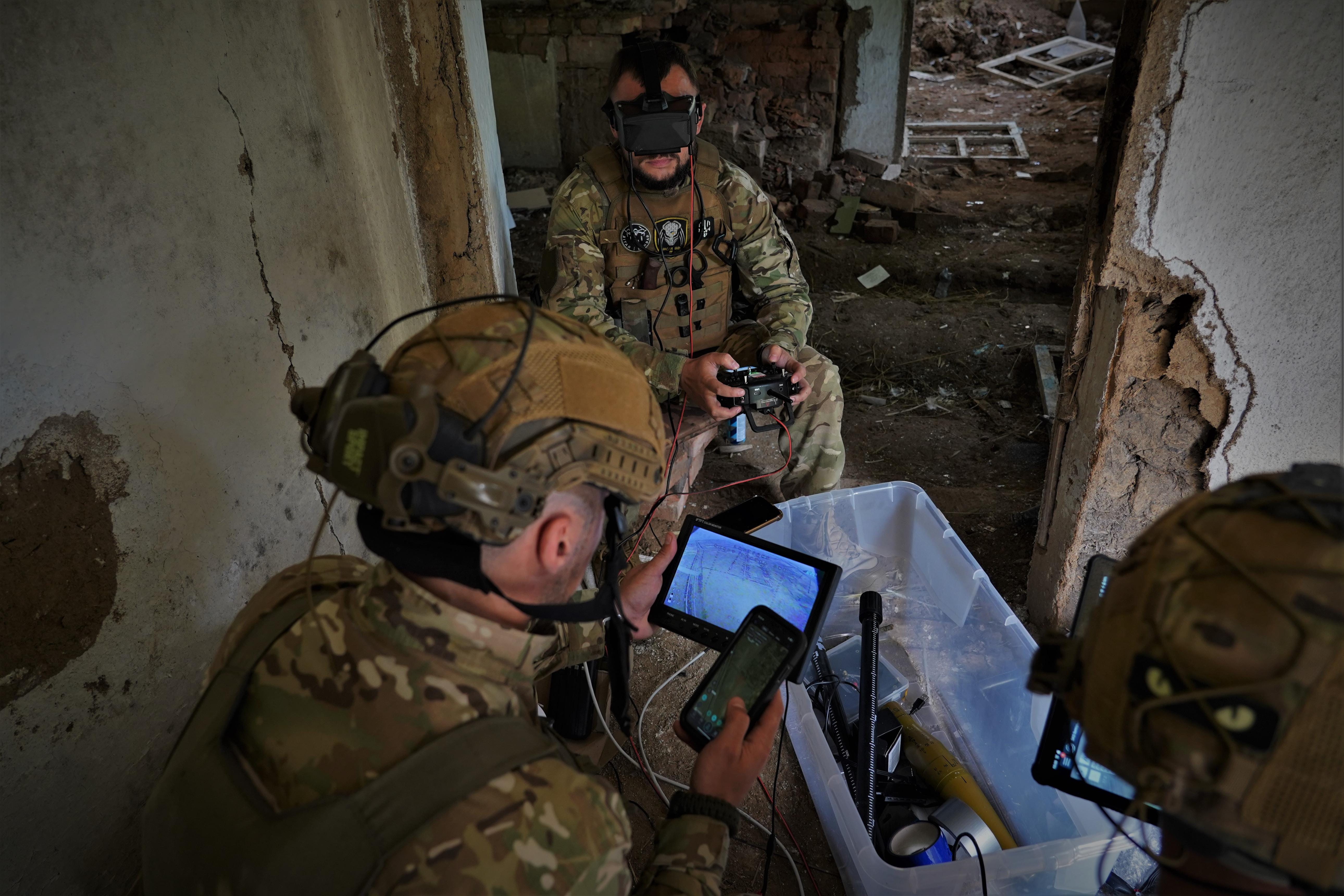
The article connects two very different wars. The mathematics emerged from the trenches of the First World War but is now being applied to drone warfare in Ukraine.
A Theory Born in the Trenches
The model begins with an observation made by British engineer and inventor Frederick Lanchester during the First World War.
Before industrial warfare, a soldier could generally engage only one opponent at a time.
Machine guns, artillery and modern weapons changed that relationship.
A larger force could inflict disproportionately greater losses while suffering proportionately fewer itself.
Lanchester argued that combat strength therefore grows faster than simple numbers might suggest.
The effect resembles compound interest.
A force that gains an advantage may see that advantage increase over time.
A force that falls behind may find recovery increasingly difficult.
The concept became known as Lanchester’s Square Law.
“In an attritional war, losses matter twice: they reduce your strength while increasing your opponent’s relative advantage.”
Why Ukraine Looks Different
Pilkington and Collingwood argue that the Ukraine war increasingly resembles a war of attrition rather than a war of manoeuvre.
The battlefield is saturated with surveillance drones, sensors and precision weapons.
Large concentrations of troops are quickly detected.
Traditional breakthroughs are difficult.
Instead, both sides attempt to wear down the other’s manpower, equipment and ammunition.
In such circumstances, they argue, Lanchester’s approach becomes relevant again.
Not because it predicts every battle.
But because attrition itself becomes the central contest.
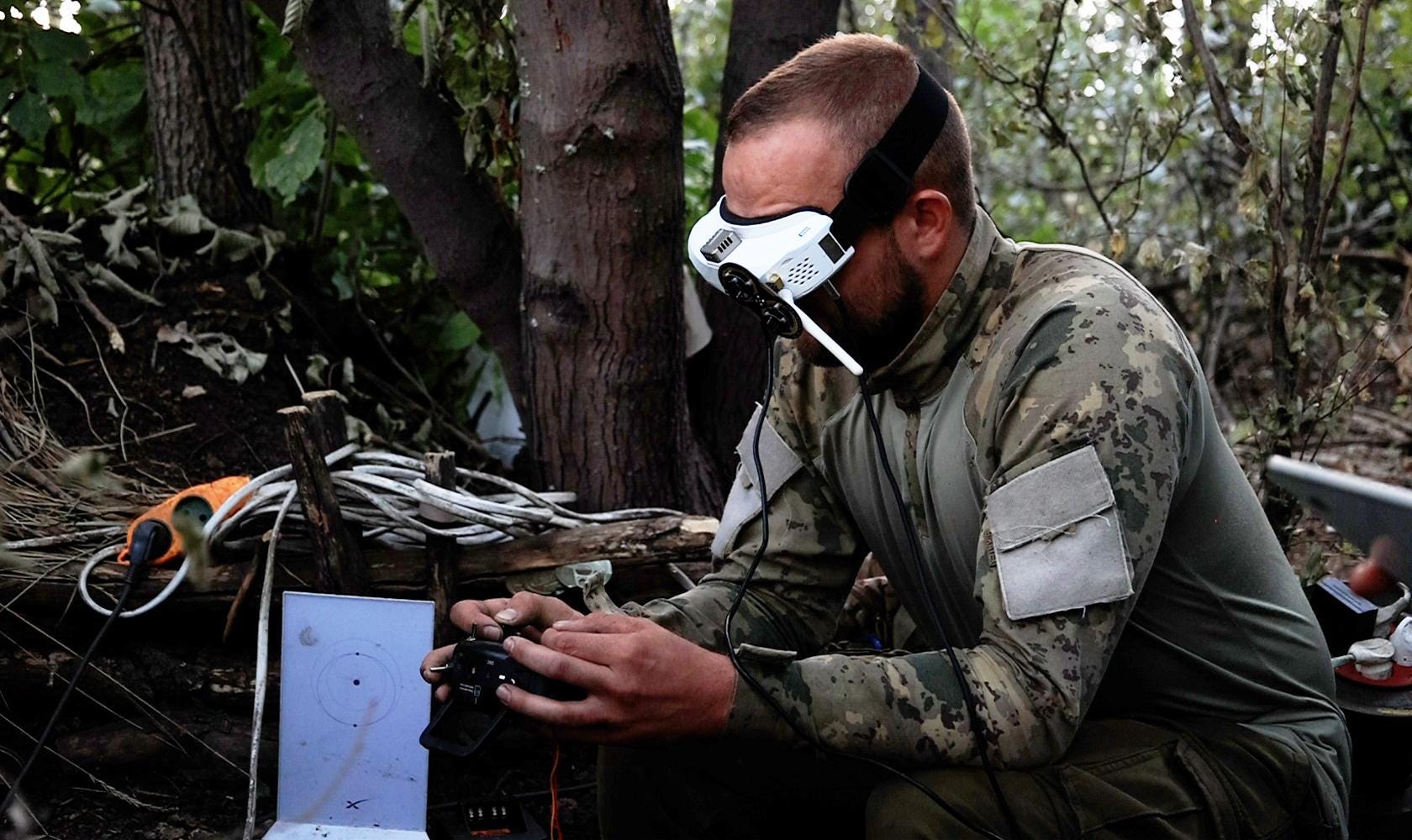
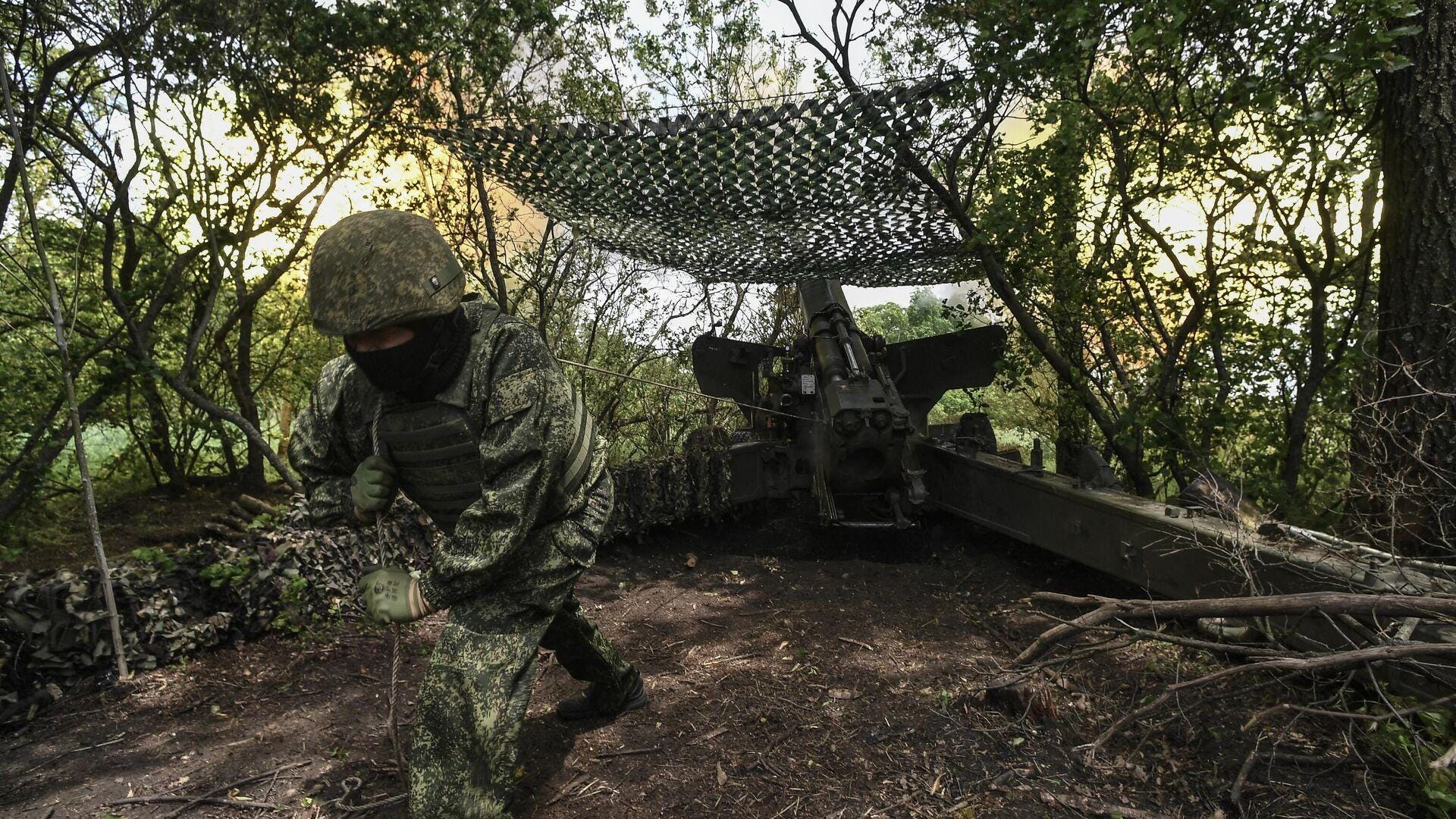
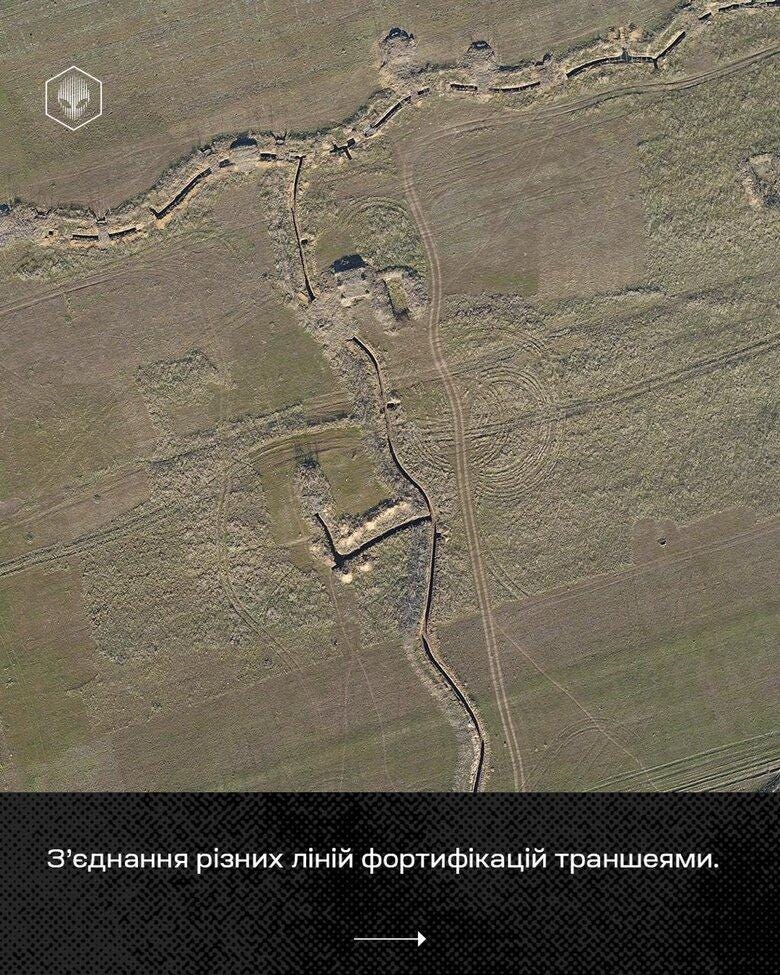
Ukrainian forces adapt faster than the enemy’s evolving fortifications / Photo credit: The Nemesis 412th Regiment
The Nemesis Regiment Shows How Russian Forces Are Building Deep Networks to Withstand Advanced Reconnaissance (Photos)
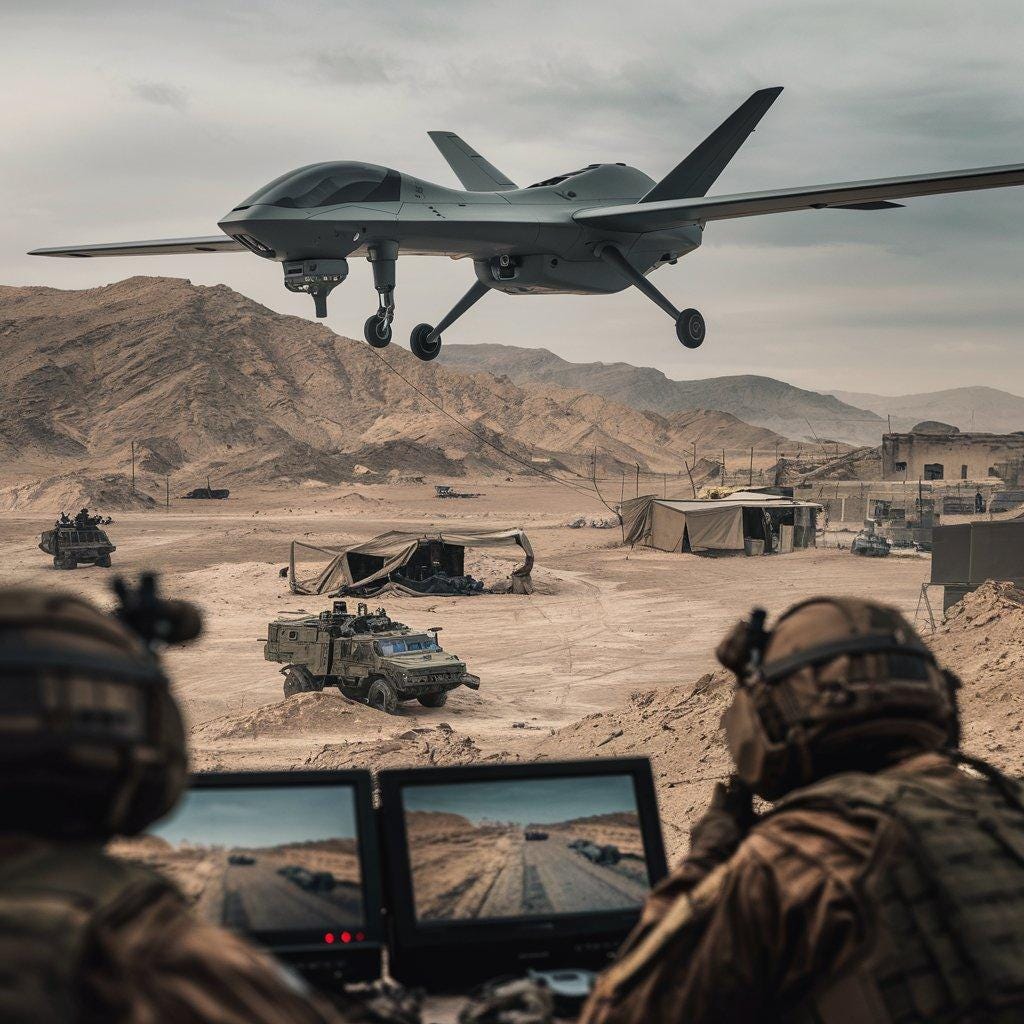
Modern surveillance makes surprise increasingly difficult. Both armies operate under constant observation from drones and sensors.
The Warning From The Model
The article relies heavily on work by economist and researcher Warwick Powell.
Powell attempts to combine estimates of manpower, equipment and ammunition into a single measure of combat effectiveness.
He then projects future losses and replenishment rates.
The central claim is straightforward.
Russia appears able to replace losses more rapidly than Ukraine.
If that remains true, Ukrainian combat power gradually declines.
Eventually, according to the model, a threshold may be reached where losses accelerate faster than replacements arrive.
Beyond that point, battlefield setbacks could begin to compound.
The article estimates that such a tipping point could arrive within months.
Where The Argument Is Strong
The model highlights several realities that are difficult to dismiss.
Russia possesses a larger population.
Russia continues to recruit large numbers of soldiers.
Russia maintains substantial military production.
Ukraine remains heavily dependent on outside support.
Few serious observers would disagree with those broad observations.
The article also reminds readers that territory alone does not determine military success.
An army can hold ground for months while quietly losing the long-term contest of manpower and resources.
That is an important insight.
Where The Argument Becomes More Uncertain
The difficulty begins when prediction turns into certainty.
The model depends on assumptions about casualties, equipment losses, ammunition stocks and future aid.
Many of those figures remain disputed.
Even small changes can produce very different outcomes.
The article itself acknowledges this.
More importantly, some of the most decisive factors in war cannot easily be measured.
Morale.
Leadership.
Training.
Adaptation.
Political will.
Foreign support.
Technological innovation.
Unexpected events.
History repeatedly shows armies escaping forecasts that appeared convincing at the time.
“The further a model moves into the future, the more it becomes a map of assumptions rather than a map of reality.”
The Problem Of Innovation
Ukraine has repeatedly surprised both supporters and critics.
Few analysts predicted the sinking of Russia’s Black Sea flagship.
Few predicted the long-range drone campaigns now striking deep inside Russia.
Few predicted how rapidly battlefield drones would transform warfare.
Each innovation altered assumptions that earlier forecasts had treated as fixed.
This does not mean Ukraine will necessarily avoid the outcome Powell describes.
It does mean that any forecast must account for the possibility that tomorrow’s battlefield may not resemble today’s.
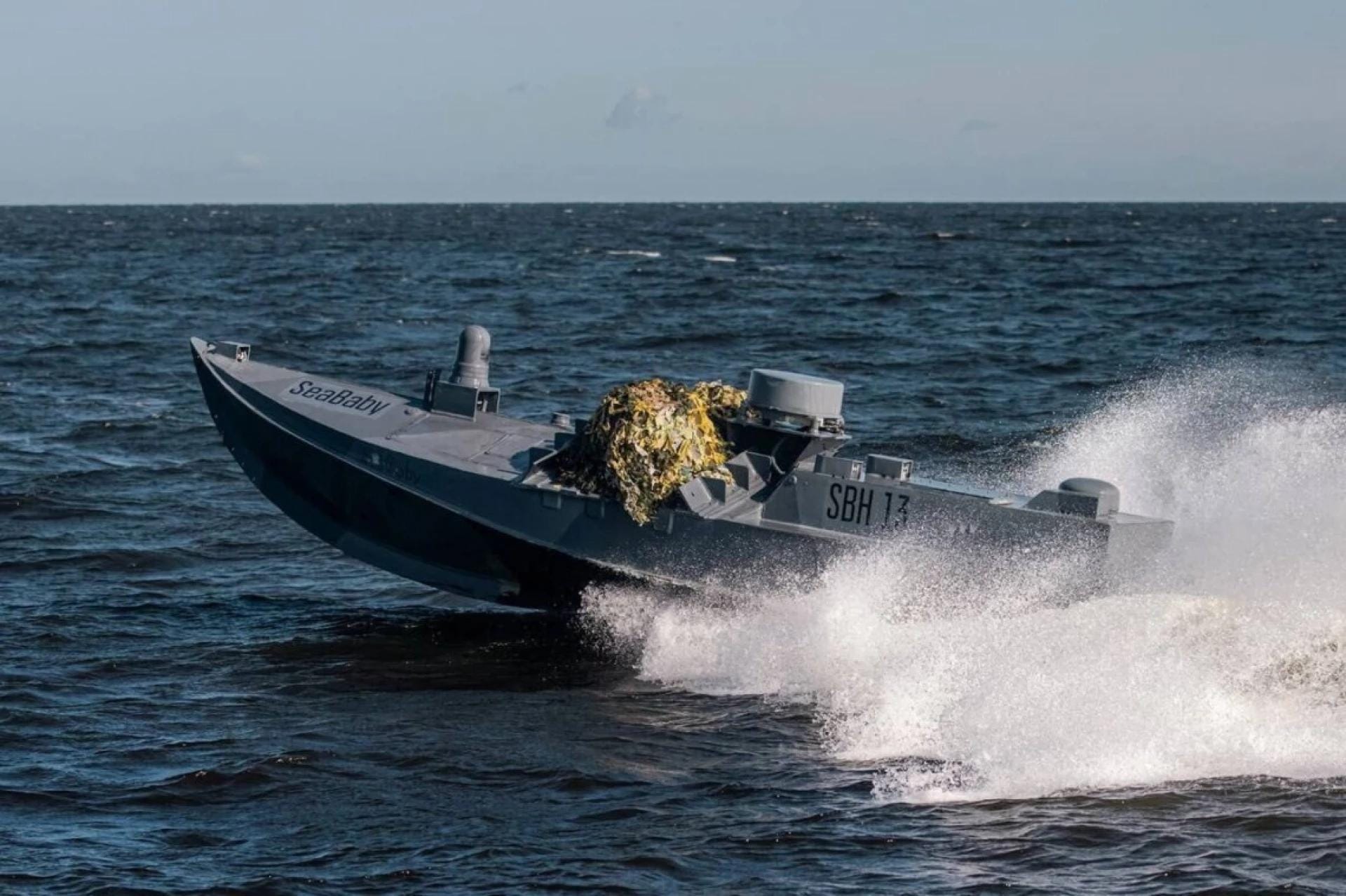
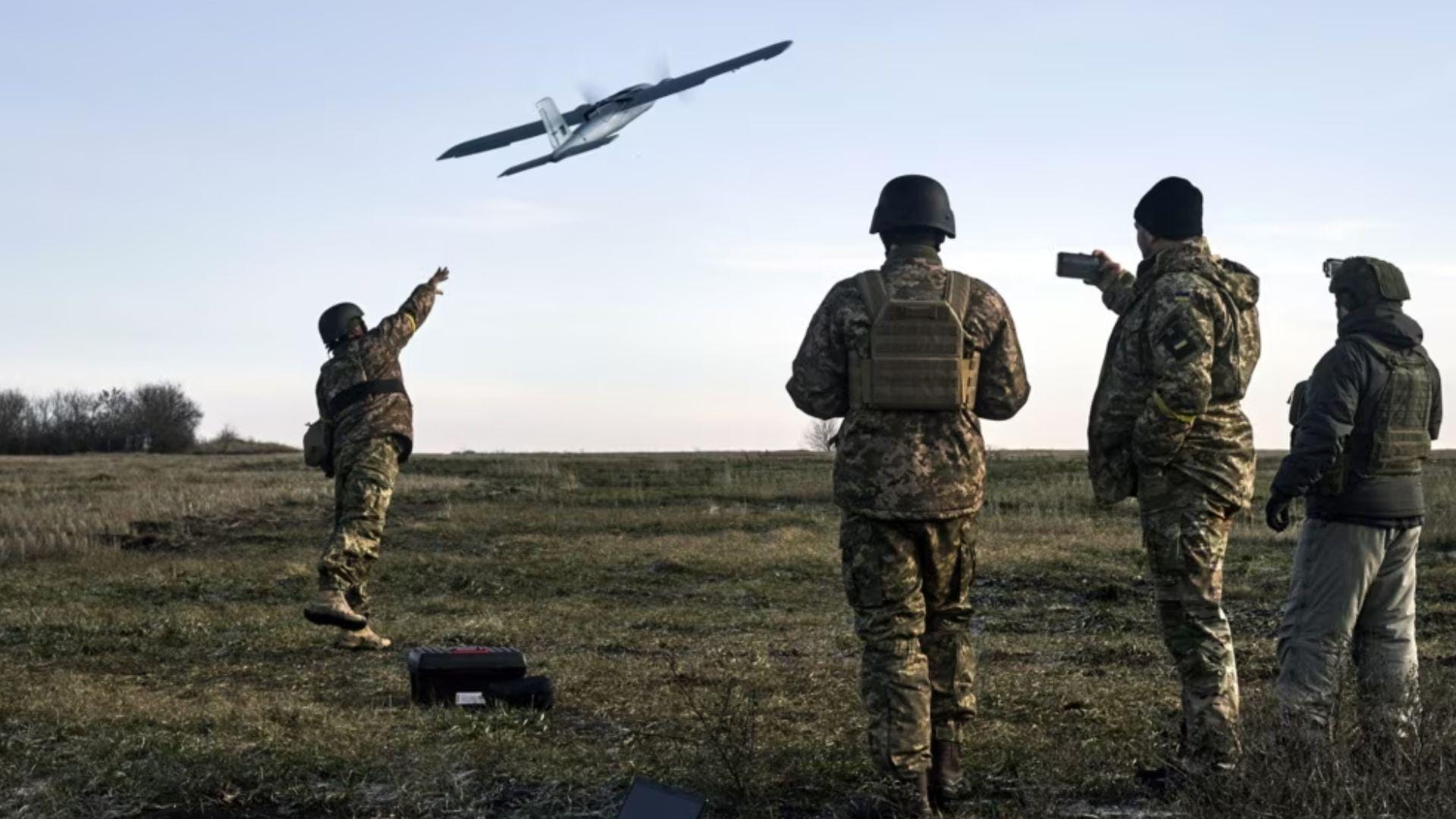
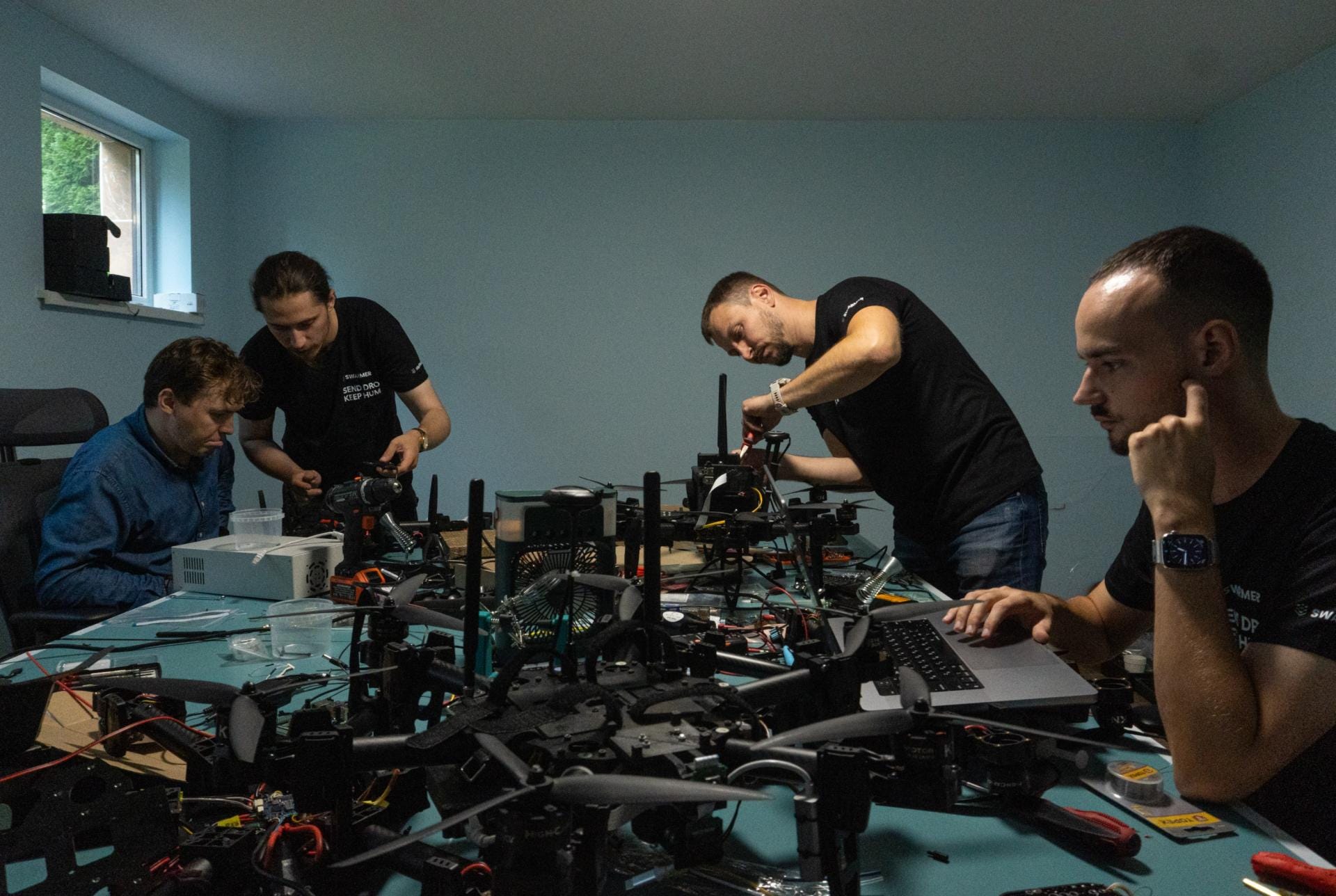
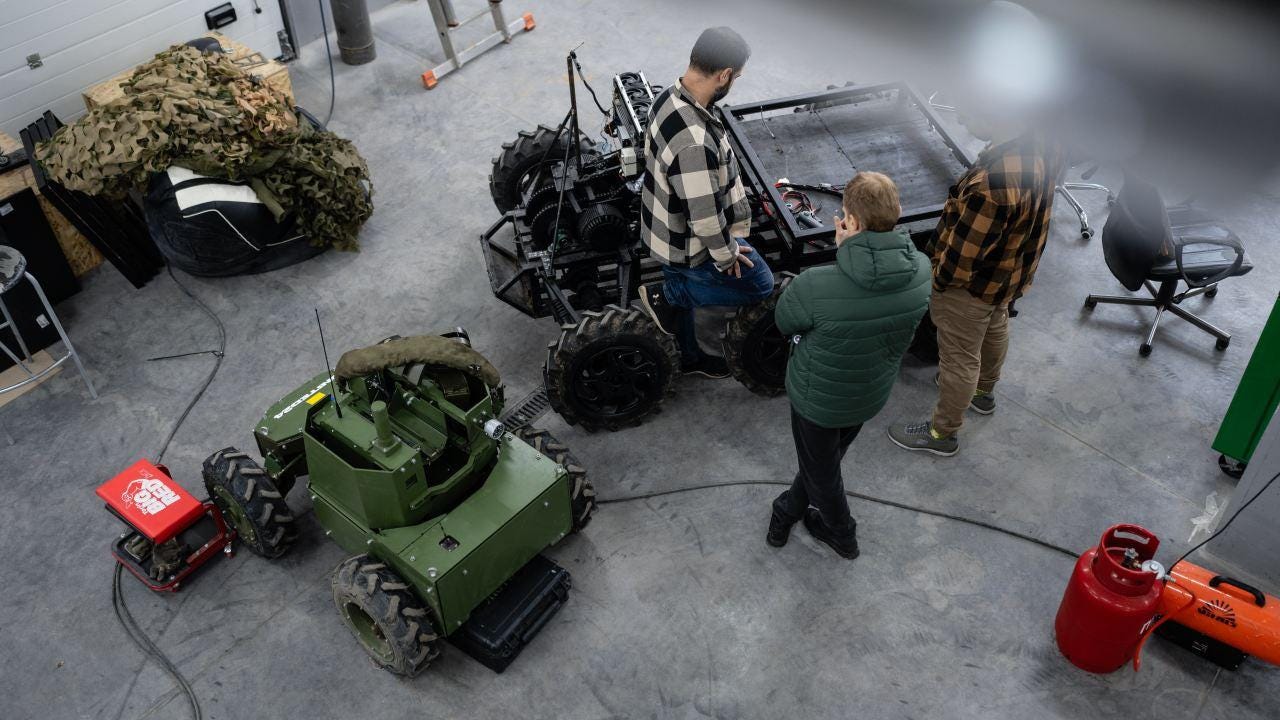
One of the uncertainties in every forecast is innovation. Ukraine has repeatedly introduced new tactics and technologies that changed battlefield expectations.
What History Suggests
History offers examples supporting both sides of the debate.
Many armies have indeed reached points where losses became impossible to replace.
Once that happened, defeat followed.
Yet history also shows that military forecasts often fail.
In 2022 many predicted Kyiv would fall within weeks.
It did not.
In 2023 many expected a decisive Ukrainian breakthrough.
That did not happen either.
The lesson is not that prediction is useless.
The lesson is that war remains resistant to certainty.
Conclusion
Pilkington and Collingwood have presented an article that deserves attention.
Not because it proves Ukraine is approaching collapse.
But because it asks readers to consider whether the arithmetic of attrition may ultimately outweigh battlefield headlines.
Their argument reminds us that manpower, equipment and ammunition matter enormously.
Yet it also reminds us of something equally important.
Wars are fought by human beings.
Human beings innovate, endure, adapt and surprise.
Mathematics can illuminate part of that reality.
It cannot fully capture it.
The future of the war may depend on which of those forces proves stronger.
CTA
My updated archive is systematised in (clickable) sections of relevant topics, under which you find my previous articles:

If you found this article interesting, you may also enjoy exploring the sections:
Drones, Air Defence and Deep Strikes
Europe, NATO and Strategic Autonomy
These articles examine the same war from different perspectives: battlefield adaptation, economic pressure and long-term strategic endurance.
Reflexions
The attraction of models is understandable.
They offer clarity in situations filled with uncertainty.
Yet every model is built upon assumptions.
When those assumptions change, the conclusions can change with them.
The Ukraine war has already produced surprises that few experts predicted. That fact alone encourages humility.
Perhaps the most useful lesson from this debate is not whether one particular forecast proves correct.
It is the reminder that understanding a war requires both measurement and judgement.
Numbers matter.
Human choices matter too.
Thank you for reading.
If this article helped you think differently about the war, please consider sharing it with others who value careful analysis over certainty. Thoughtful readers remain the strongest foundation of this publication.
It’s free
However, if you find reason to support my research - I would be grateful for any contribution in the range of $2 to $8. You can support me too by leaving comments that I can navigate from in the future.
Some of my readers have asked me how to support my work. They are rarely covert to action. If the buttons don’t work, please tell me.
However, there are no restrictions. Everything is free and public.
Please do me the favour to restack.
Models are just models: a more or less successful attempt to grasp reality. Are all factors always accounted for in the model? The answer more often than not is no. If factors known to have no or only small influence have been deleted, than that may be acceptable. However, in this case I expect that there are factors not accounted for that will appear possibly decisive.
For example, has it been taken into account that, according to Putin himself, this is effectively a fratricidal conflict. He consistently in speeches for his own people has emphasized that Ukrainians and Russians are the same people or share the same ancestry. There already are probably many, though perhaps no majority, Russians who did not want to war on Ukraine, and certainly not in the brutal way it is happening now for over four years. Putin has cracked down very hard on any opposition to his “special military operation” and, consequently, on this group of Russians. This could lead to a serious uprising against his despotic regime, especially during an unpopular war. That is how the tsarist regime came to an abrupt end during World War I, because the Russians had had enough of that war.