
The Ghosts Over Mariupol
Azov Returned From the Sky

Reading time: 14–16 minutes
Credit: Based on reporting and analysis by David Kirichenko for Under Fire News, with additional context from frontline reporting, OSINT analysis, and public statements from Ukrainian and Russian sources.
Ukraine is no longer only defending front lines. It is reaching into the roads, railways, and occupied corridors that keep Russia’s war moving. Mariupol now lives under that pressure again.
Mariupol was once the place where Ukraine seemed surrounded.
Now it is becoming a place where Russian occupation looks exposed.
Not because columns are collapsing in the streets. Not because Ukraine has retaken the city. But because drones now move over the roads, depots, rail links, and military corridors that Russia built to make occupation appear permanent.
That changes the feeling of the war.
And wars are often shaped by feeling long before maps change.
Image Suggestion
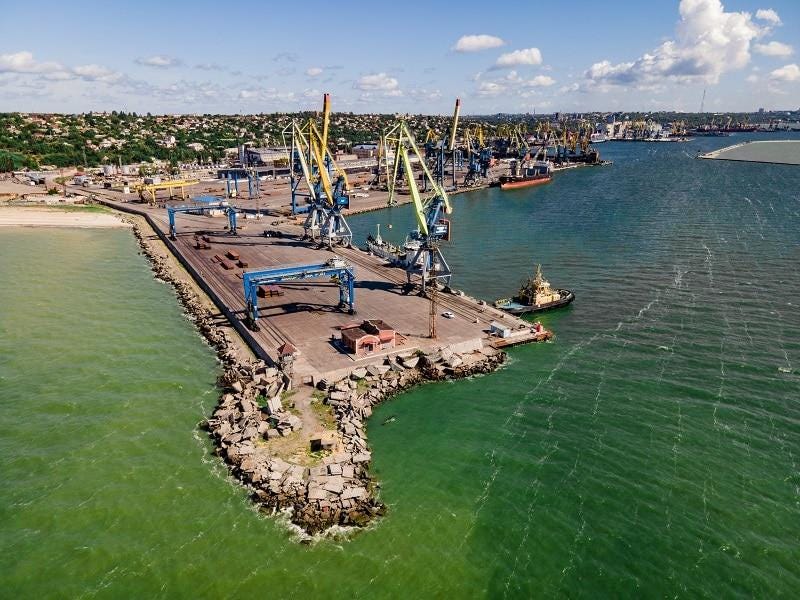
The port of Mariupol, a Ukrainian port city on the Sea of Azov. The port has been under Russian control since 2022. Russia has included Mariupol as an official port in their transport systems. After a period of limited activity, cargo turnover at the port is reported to have started to increase during 2024 and 2025, with a focus on the export of agricultural products to countries considered friendly to Russia. There are plans to modernize the port, including commissioning new quay facilities and buildings to increase capacity. The Ukrainian government has condemned Russia’s use of the port, considering the activities as illegal attempts to legitimize control over occupied territories.
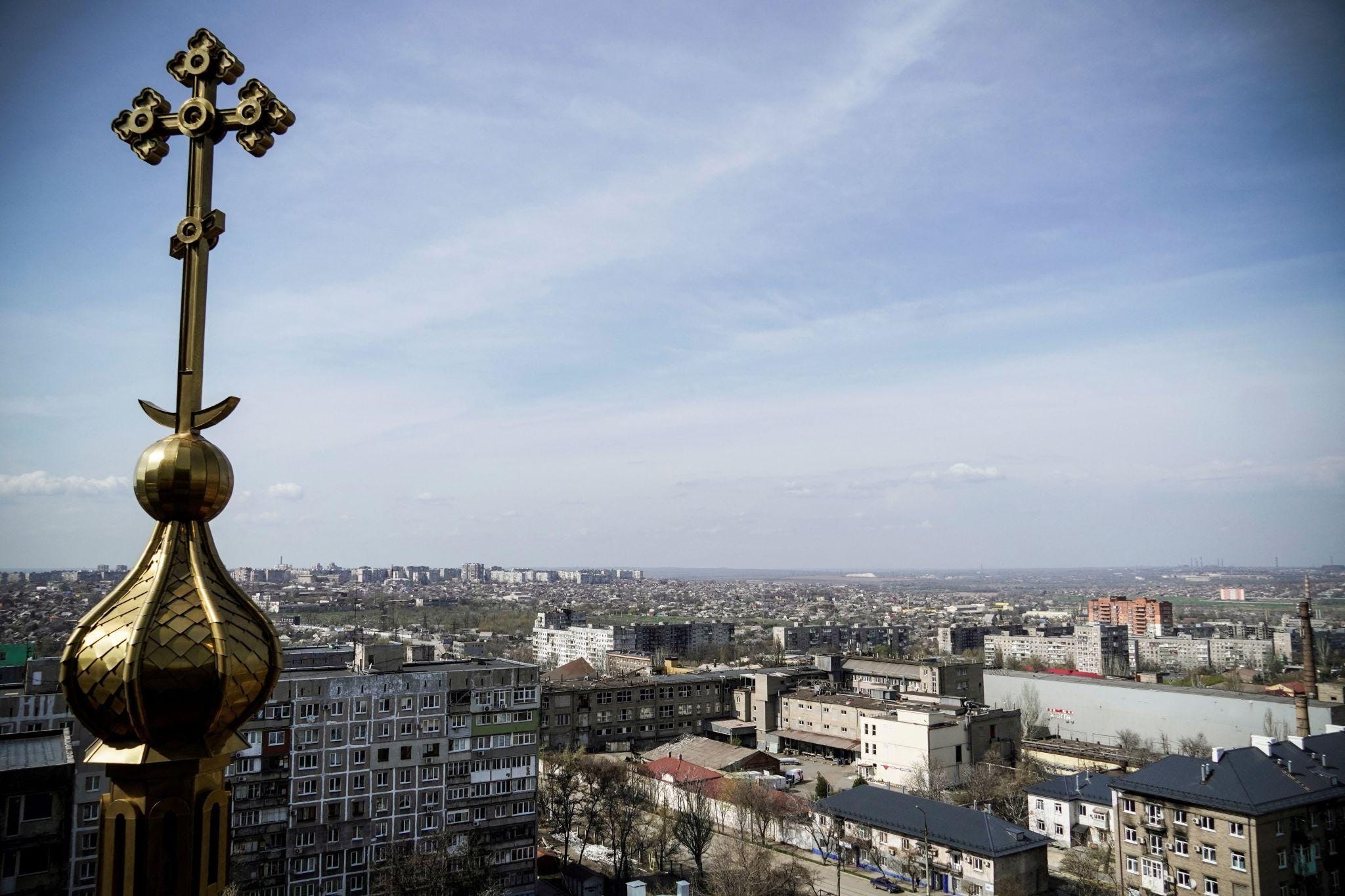
The view of central Mariupol from a church. The photo was taken from the Russian Orthodox Church of Saint Prince Alexander Nevsky. Mariupol has experienced significant destruction, with the UN estimating that around 90 percent of buildings were damaged or destroyed by mid-2022. After the city fell under Russian control, there have been attempts at reconstruction, leading to debates about Russia’s role in rebuilding the occupied city.
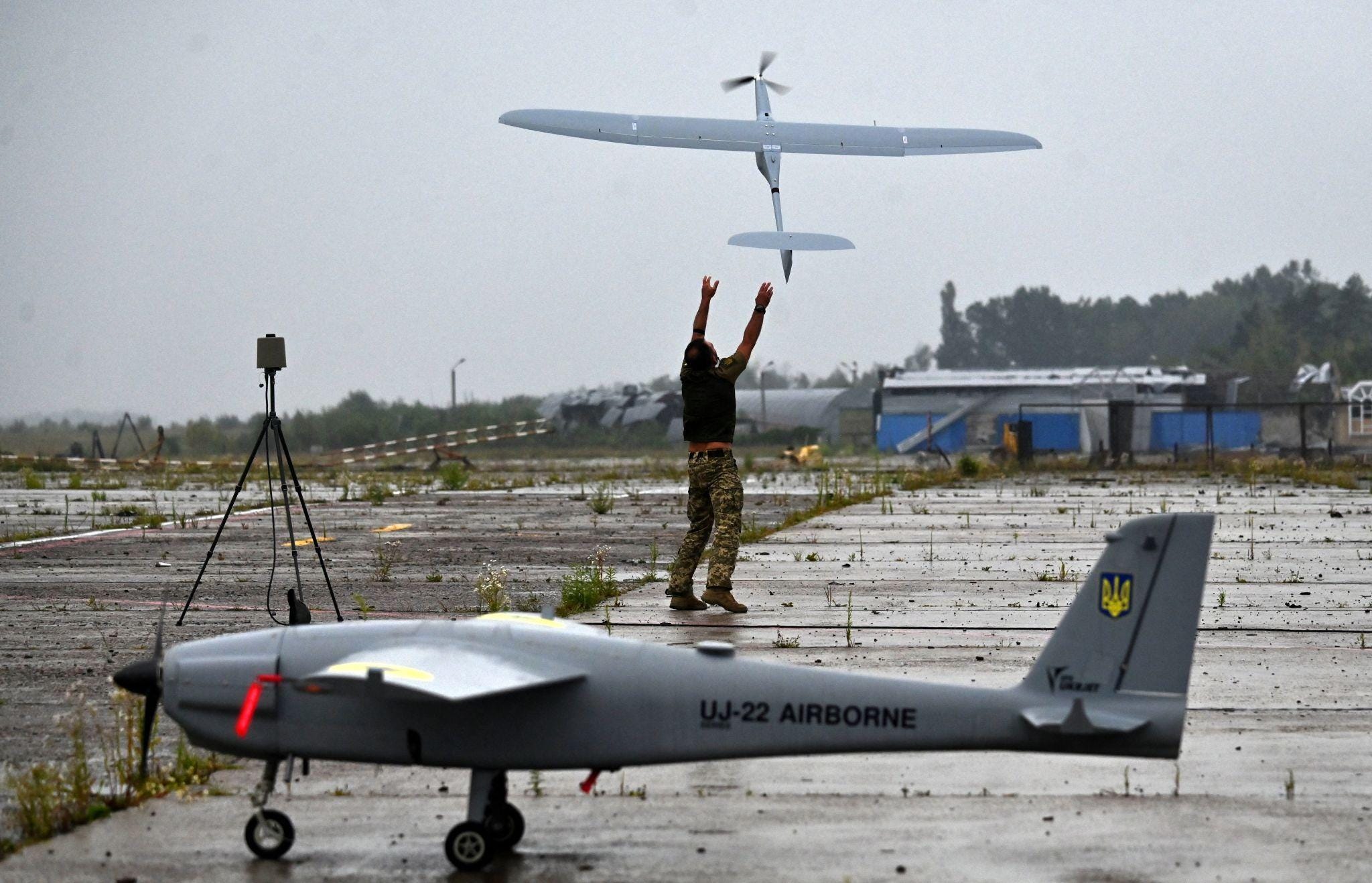
Long range drones make it possible to attack Russian positions around and at Mariupol
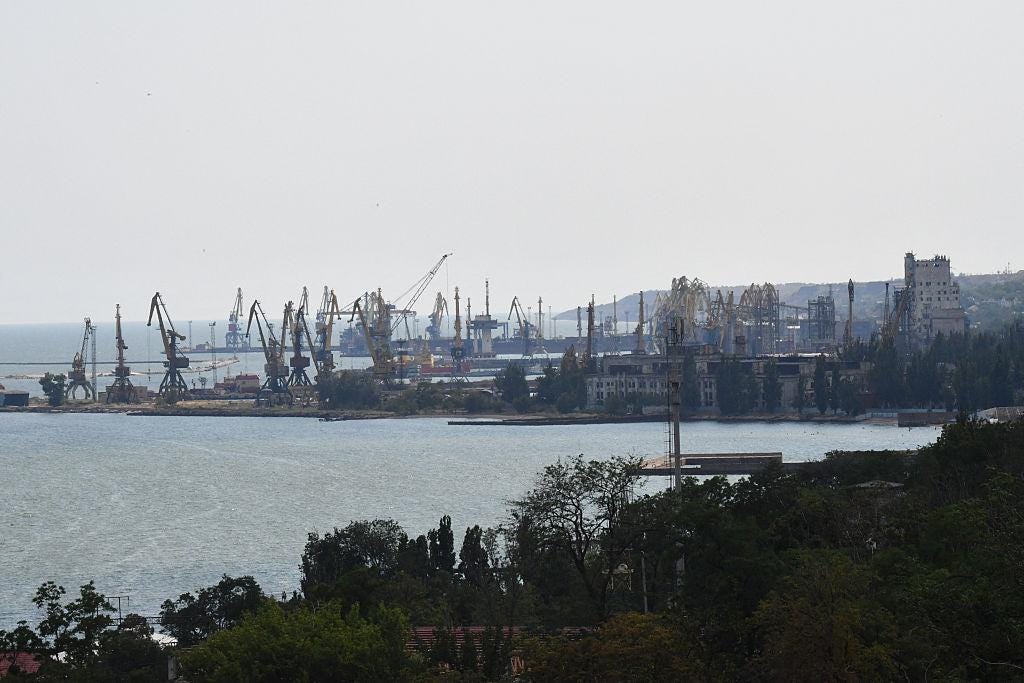
Mariupol remains occupied, but the city no longer feels untouchable from the air. Ukrainian drone operations increasingly target the roads, railways, and military movement corridors sustaining Russian control across the south.
Mariupol Was Never Just A City
Mariupol became one of the defining emotional centres of the invasion.
The siege reduced entire districts to ruins. Tens of thousands are believed to have died. The last stand inside Azovstal entered wartime memory not only because of its military significance, but because it condensed the wider meaning of the war into one place: resistance, encirclement, destruction, survival.
Before the war in 2022, Mariupol had a population of approximately 430,000 to 450,000. The city was the tenth largest in Ukraine and served as an important industrial and port centre on the Sea of Azov.
Russia understood that too.
That is why the Kremlin invested so heavily in turning Mariupol into a political symbol after the occupation. New apartment blocks. Russian flags. reconstruction campaigns. propaganda tours. settlement incentives for Russian citizens.
The message was simple:
The war is finished here.
Russia is staying.
The recent drone operations challenge exactly that claim.
Not through speeches, but through behaviour.
A drone flying over occupied Mariupol says something Moscow cannot fully control: occupation is still contested.
“Occupation no longer guarantees sanctuary.”
The War Is Moving Behind The Front
One of the most important changes in the war during the past year is that the front line matters less on its own.
The deeper contest now concerns movement.
Who can move fuel.
Who can move ammunition.
Who can rotate reserves.
Who can transport equipment without being seen.
The battlefield is increasingly shaped by pressure placed behind the battlefield.
That is why Mariupol matters so much.
The city sits inside the southern land corridor linking occupied Donbas to Crimea. Russia spent years expanding roads, rail links, and logistical routes along the Azov coast partly because the Kerch Bridge became too vulnerable to trust alone.
Ukraine appears increasingly determined to make this entire corridor unstable.
Not necessarily destroyed.
Unstable.
That distinction matters.
You do not always need to destroy a road to reduce its usefulness. Sometimes uncertainty is enough. If drivers fear movement at night, if convoys disperse, if logistics officers hesitate, if depots relocate farther away, efficiency declines long before infrastructure collapses.
That is the real pressure drones create.
Image Suggestion
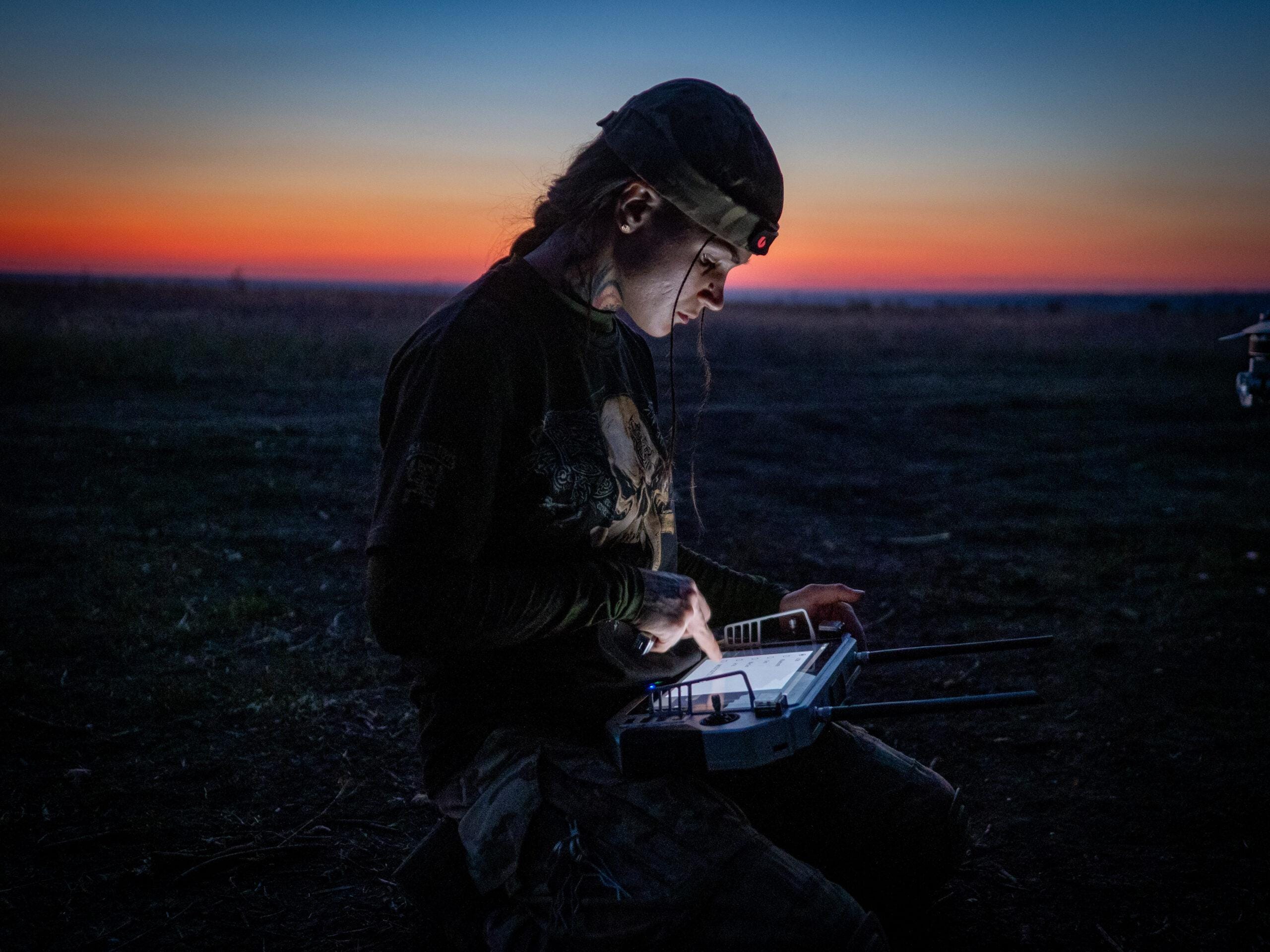
Ukrainian drone pilot
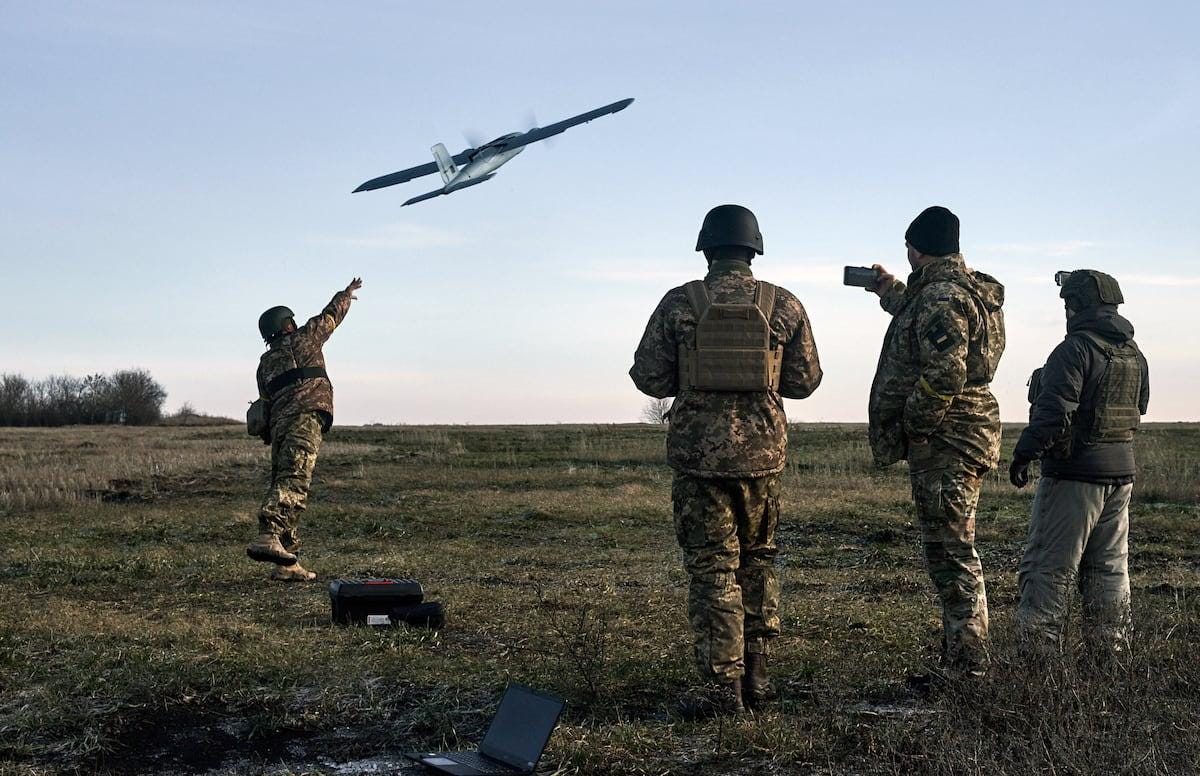
Sending a long range Ukrainian drone towards Mariupol
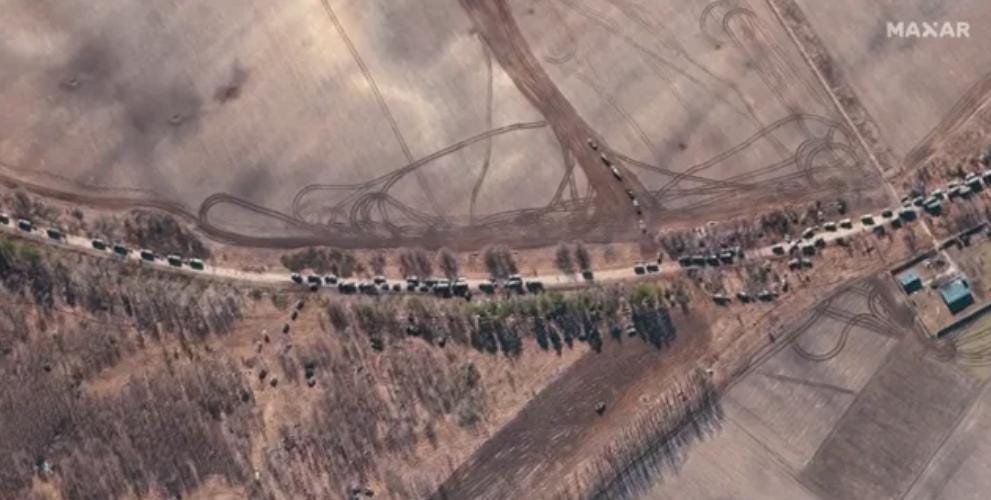
Russian military convoy
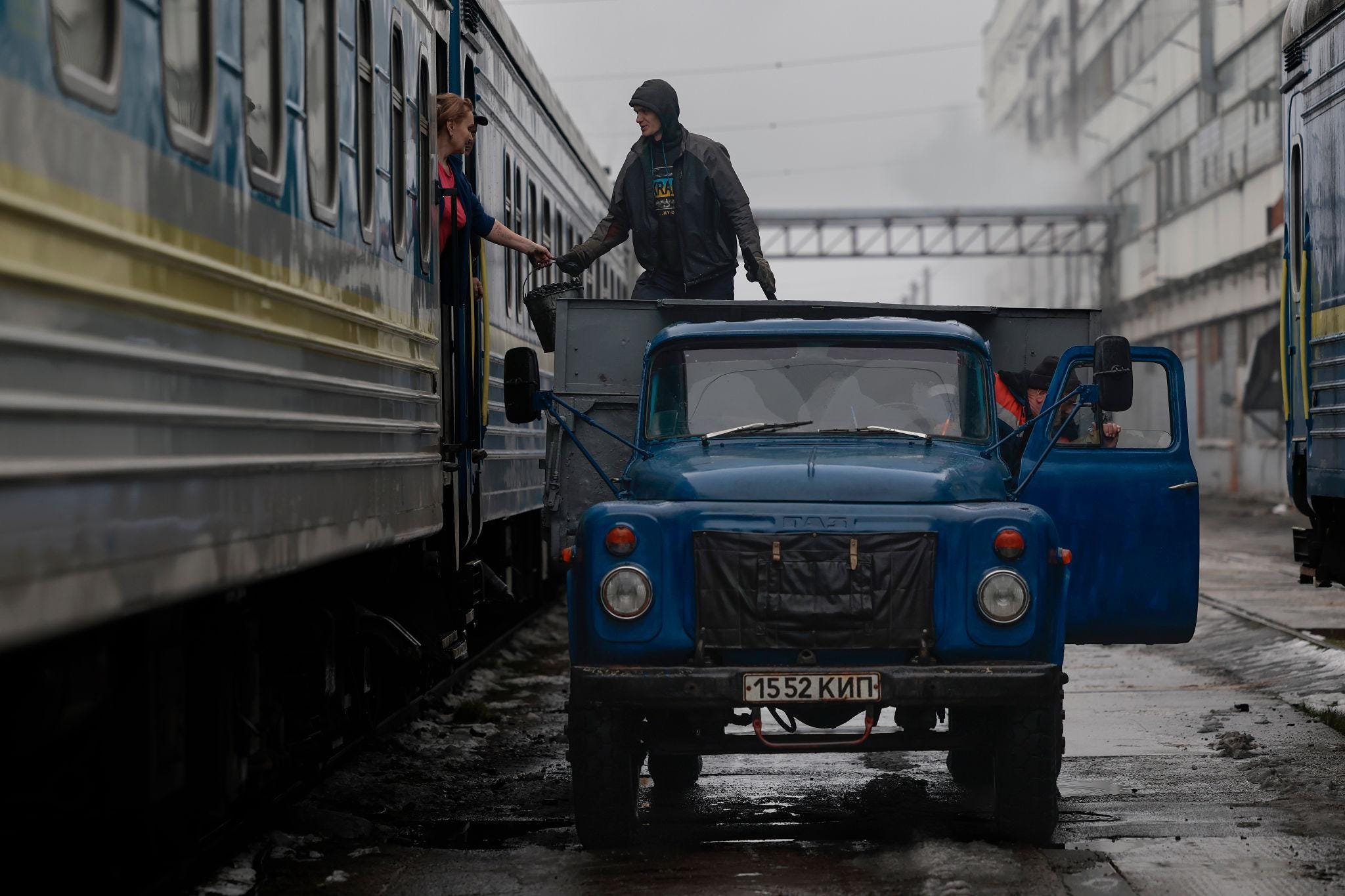
Ukrainian GAZ-53 truck, a classic Soviet model known for its robust construction and long production run. The GAZ-53 was produced between 1961 and 1993, making it a common sight in Eastern Europe even today. The truck is designed for versatile use and comes in variants such as 4-ton models. The vehicle typically has a length of 6.3 meters and a total weight of up to 7.9 tons when fully loaded.
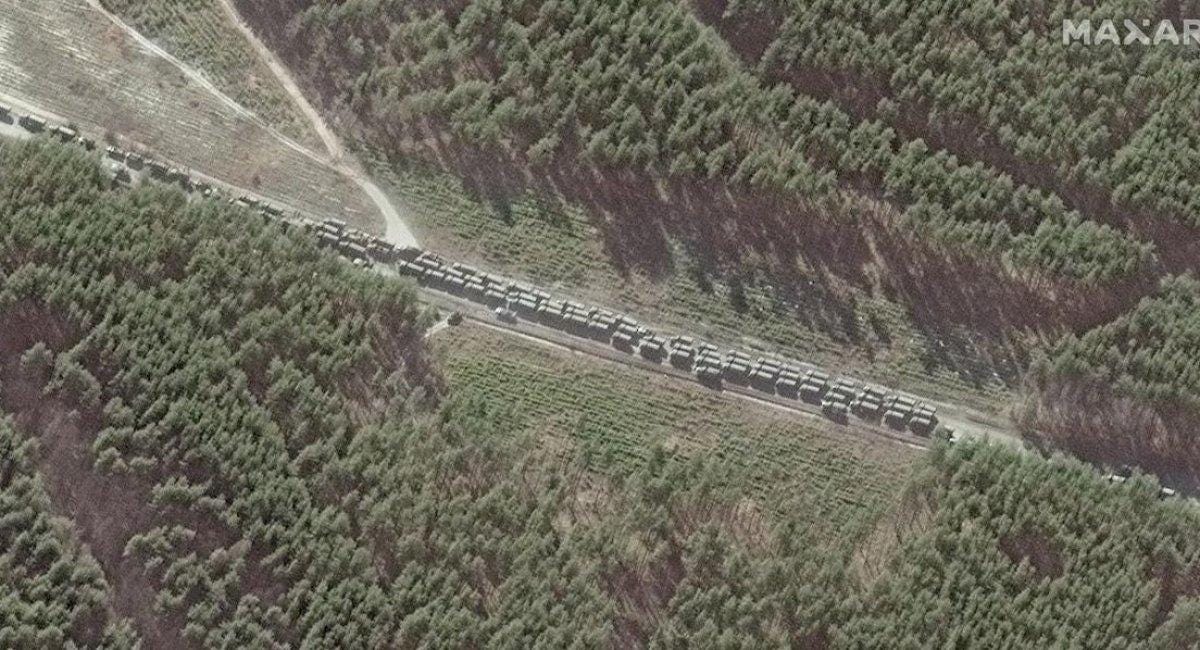
Russian military convoy. The war increasingly revolves around logistics corridors rather than spectacular territorial breakthroughs. Roads, railways, staging points, and vehicle movement now shape operational tempo on both sides.
Russia’s Rear Areas No Longer Feel Rearward
For much of the war, Russia relied on depth.
In previous articles I have documented how much damage Ukraine has inflicted on Russia far east of Moscow on oil installations and strategically important hubs.
This concerns the use of medium-range drones by Ukraine to destroy depots, logistics, hubs and command centres around and in, for example, Mariupol.
Distance protected logistics. Distance protected depots. Distance protected command areas.
Ukraine could strike parts of Crimea and selected military facilities, but large sections of occupied territory still functioned as comparatively stable rear areas.
That is changing.
Mid-range drone warfare is compressing the battlefield.
Russian military bloggers increasingly complain about drones operating 100–200 kilometres behind the front. Ukrainian units are no longer only targeting artillery near the line. They are probing movement corridors, hunting transport vehicles, identifying patterns, and forcing Russia to disperse activity across wider areas.
That creates friction everywhere.
More camouflage.
More delays.
More rerouting.
More electronic warfare demand.
More air defence demand.
More personnel tied to protection tasks instead of combat tasks.
The effect accumulates.
This is why several Ukrainian analysts increasingly speak about creating “kill zones” behind Russian forward positions. The goal is not only attrition. The goal is to stretch operational movement until the Russian advance slows under its own logistical weight.
“You do not need to destroy every convoy. You only need to make movement dangerous enough that tempo collapses.”
Azov’s Return Carries Emotional Weight
The symbolism surrounding Azov’s drone flights matters because Mariupol never disappeared psychologically inside Ukraine.
For many Ukrainians, the city became unfinished memory.
That is partly why even reconnaissance footage carries emotional force.
The image of Ukrainian drones moving above occupied Mariupol reverses something important. In 2022, Mariupol symbolised isolation and encirclement. Now it symbolises reach.
Not liberation.
Reach.
And reach changes morale.
It reminds Ukrainians that occupation is not the same thing as permanence. It reminds Russian collaborators that the war has not stabilised. It reminds Moscow that territorial control does not automatically produce security.
Wars are shaped by these emotional pressures as much as by casualty ratios.
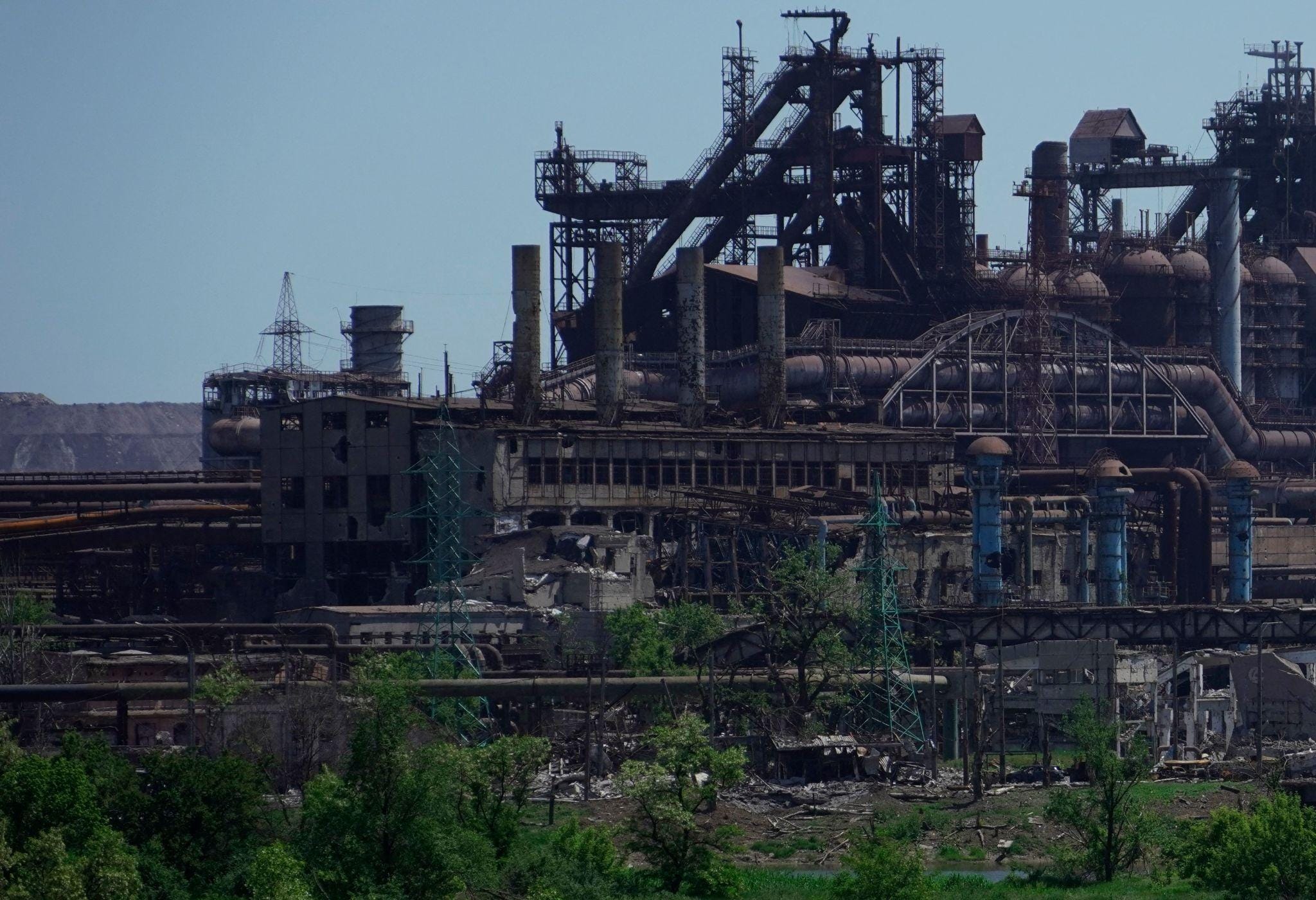
The Azovstal steel plant in Mariupol, Ukraine, after it was damaged during the fighting. The steel plant became a key location during the 2022 Siege of Mariupol, with Ukrainian forces and civilians holed up in the complex’s extensive underground tunnels. The complex was originally designed to withstand significant attacks, including potentially nuclear detonations. After the fighting, the area became a symbol of the resistance, and efforts have since been made to exchange the bodies of those killed at the plant.
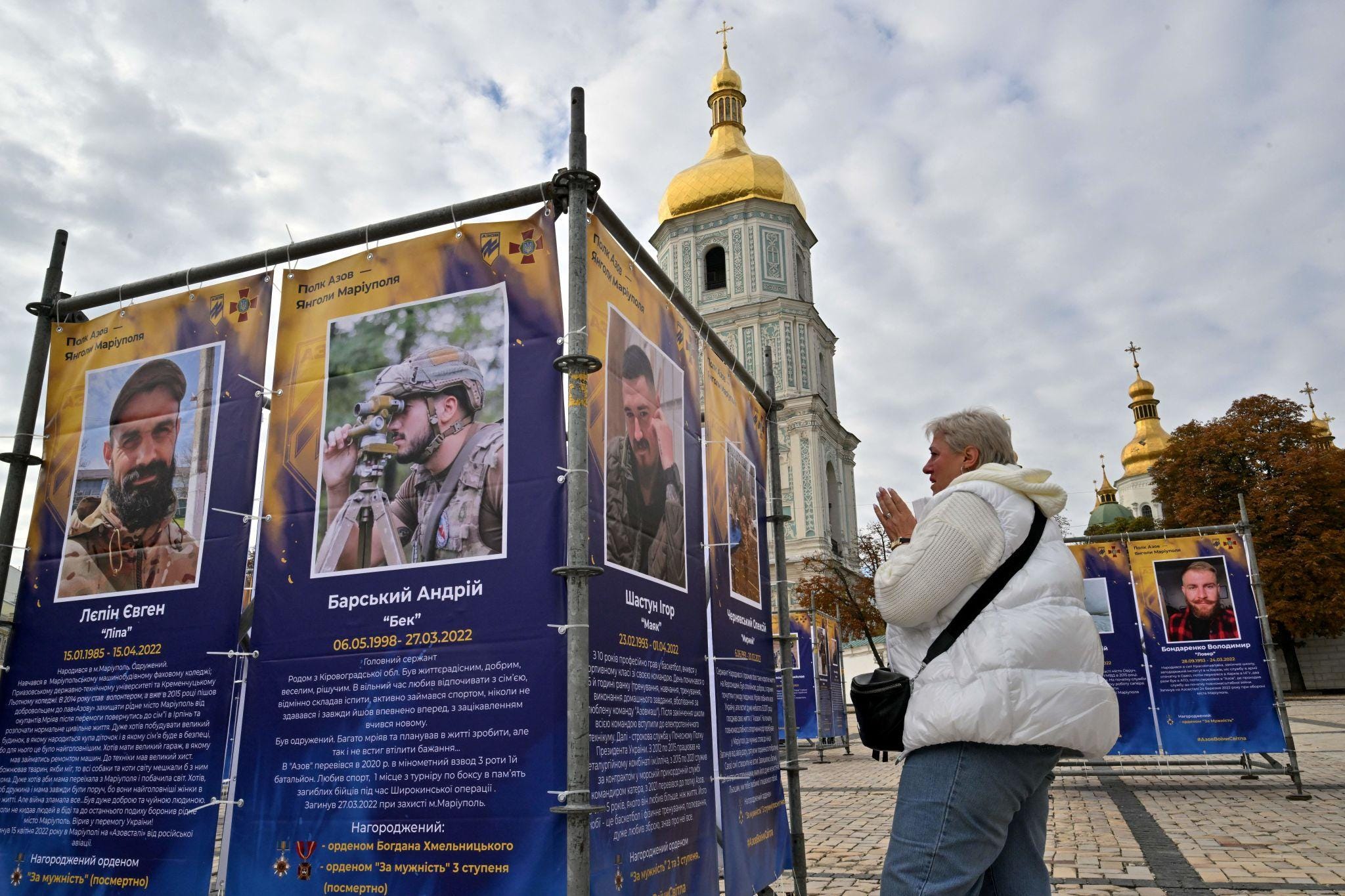
An outdoor exhibition in Kyiv, Ukraine, dedicated to the fallen defenders of the Azov Regiment, known as the “Angels of Mariupol”. The exhibition is set up on Sofia Square in front of the historic Sofia Cathedral. It features information boards with portraits and biographies of soldiers who lost their lives defending Mariupol. This specific image is from around October 2022, when Ukraine marked “Defenders’ Day”.
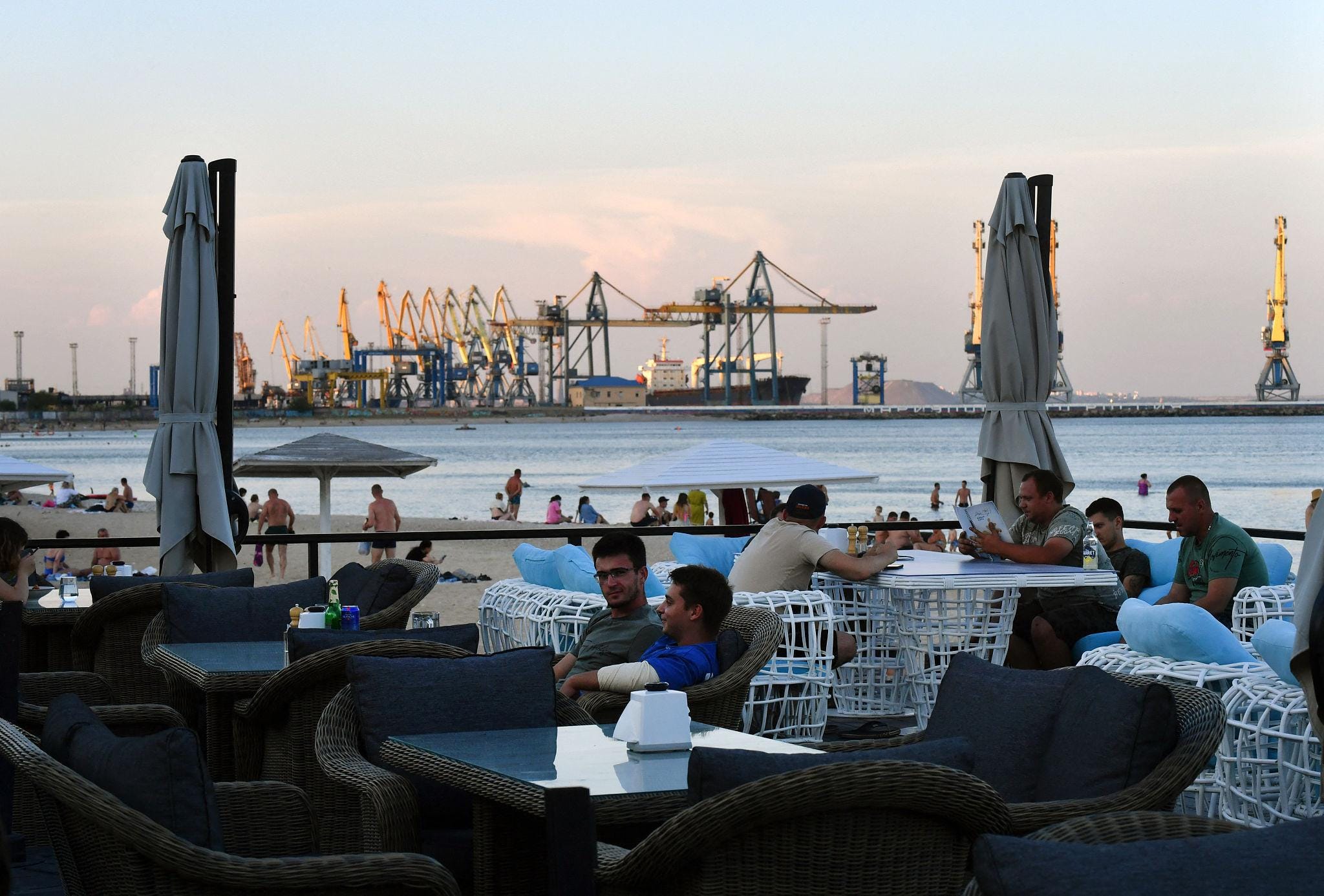
Mariupol still carries enormous emotional weight inside Ukraine. Drone operations over the occupied city reconnect military activity with memory, loss, and the unfinished meaning of the siege.
Ukraine’s Drone War Is Becoming More Mature
What stands out in recent reporting is not only the quantity of Ukrainian drones.
It is the growing coherence behind their use.
Operators, planners, reconnaissance units, communications networks, and strike coordination appear increasingly integrated around operational objectives rather than isolated tactical missions.
That maturity matters more than raw numbers alone.
Several Ukrainian units now describe the battlefield in layers:
close tactical drone warfare near the front;
mid-range interdiction against logistics and reserves;
long-range strategic strikes deeper inside Russia.
The Mariupol operations sit inside that middle layer.
This is the part of the war where endurance is decided.
Not through dramatic headlines, but through gradual disruption of military flow.
The Russian side understands the danger. Russian military bloggers increasingly discuss AI-assisted targeting, autonomous drone behaviour, and the difficulty of defending extended logistics corridors against large numbers of relatively cheap unmanned systems.
The fear underneath those discussions is visible.
Russia can replace many things.
It struggles more when movement itself becomes unreliable.
The Occupation Is Becoming More Expensive
Occupation requires predictability.
That is the hidden reality beneath every occupation authority in history.
You need roads that function.
Rail lines that function.
Local collaborators who feel protected.
Supply routes that feel dependable.
An appearance of permanence.
Drone pressure attacks precisely those assumptions.
Not necessarily by destroying everything.
By making stability harder to sustain.
This is why the Mariupol drone operations matter beyond the city itself. They represent a wider Ukrainian effort to make Russian control feel conditional rather than settled.
And once occupation begins to feel temporary, political pressure quietly grows underneath military pressure.
“Russia can occupy territory. Making occupation feel normal is becoming harder.”
Suggested Reading
The themes connect to our existing archive areas around:
drones and deep strikes,
occupation and memory,
pressure on Russian logistics,
Mariupol and Azov symbolism.
You may like to look into my archive of previous articles:

Reflexions
One of the quiet dangers in long wars is repetition.
Readers begin to recognise the same refinery fires, the same burning depots, the same dramatic footage. Over time, even important events lose emotional force when presented through identical imagery and language.
This story matters because it shifts attention elsewhere.
Not to spectacle, but to pressure.
Not to flames, but to movement.
The deeper story of this phase of the war may not be destruction alone. It may be Ukraine’s growing ability to make Russian control feel uncertain far behind the front.
Mariupol is important because it sits exactly at the intersection of logistics, occupation, memory, and symbolism.
And because the city still refuses to become ordinary.
Ending
Mariupol once symbolised encirclement.
Now Ukrainian drones over the occupied city symbolise reach.
The war is increasingly about logistics, movement, and pressure behind the front line — not only trench maps.
Occupation no longer guarantees sanctuary.
Wars often look stable shortly before they stop feeling stable at all.
That is why watching behaviour matters more than watching slogans.
And that is also why careful readers still matter.
It’s free
However, if you find reason to support my research - I would be grateful for any contribution in the range of: 2 to 8 $.
If you want to contribute you should upgrade to paid when you have pressed the Subscribe button. Then the pledge window should open. I have added new buttons you can try. I have had some challenges navigating Substack. So please let me know if it is not working.
However, there are no restrictions. Everything is free and public.
Please do me the favour to restack.