
When Truth Becomes Madness: The Return of the Psikhushka in Putin’s Russia
The moment the system turns inward

Reading time: 6 minutes
Credit to Jonathan
Intro
A Kremlin insider turns on Putin — and disappears into a psychiatric ward within 48 hours.
Not prison. Not trial.
Madness.
In Russia, dissent is no longer just criminal.
It is clinical.
The moment the system turns inward
Ilya Remeslo was not opposition.
He was the system.
A lawyer, propagandist, and participant in the legal persecution of Alexei Navalny, he operated inside Russia’s so-called power vertical. He was not resisting the state. He was one of its instruments.
Which is precisely why his reversal matters.
When such a figure declares the war a dead end, calls Putin illegitimate, and invokes Navalny’s language — this is not dissent from the margins.
It is fracture from within.
Timeline — how fast the system reacted
March 17 — Remeslo publishes manifesto against Putin
March 18 — doubles down in interviews, refuses to retract
March 19 — disappears from public view
Within 48 hours — admitted to psychiatric hospital
No charges. No trial. No explanation.
Speed matters.
It suggests reflex, not deliberation.
Not prison — something more revealing
The Kremlin did not respond with a trial.
It did not even respond with charges.
Instead, it chose something far more revealing: psychiatric confinement.
“Prison acknowledges opposition. Psychiatry denies it.”
If a critic is jailed, he is dangerous.
If he is declared mad, he is irrelevant.
This is not softer repression.
It is more sophisticated repression.
The logic of the Psikhushka
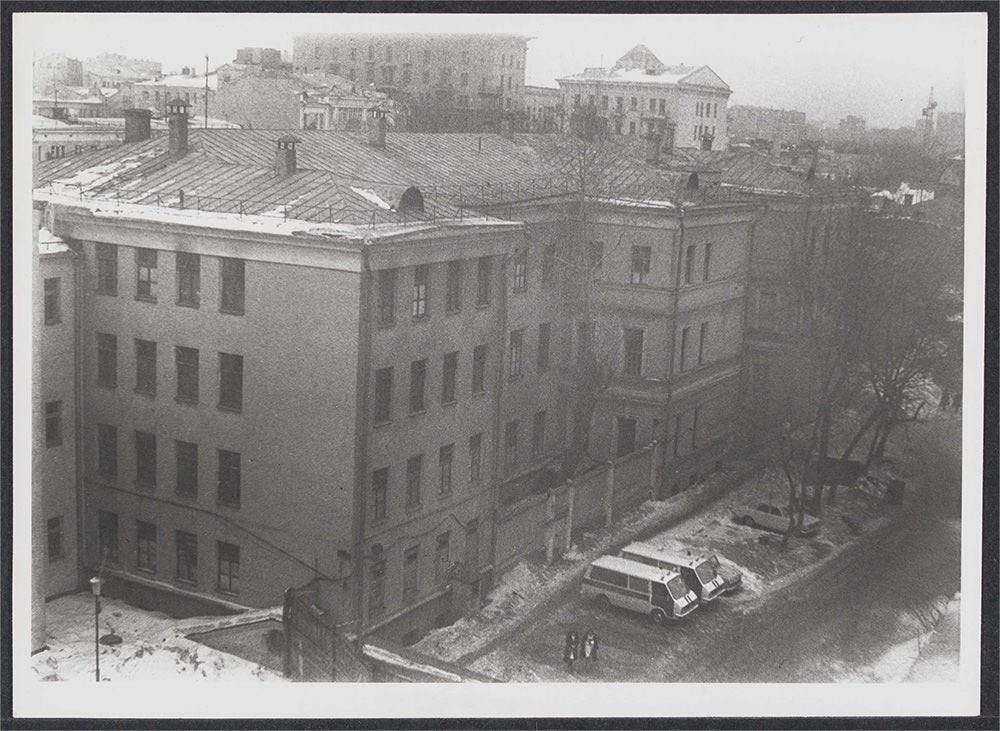
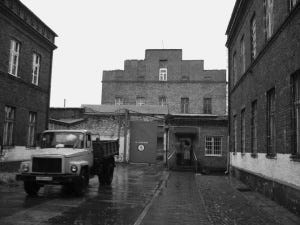
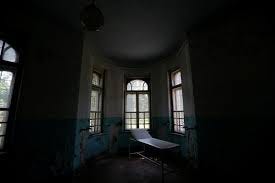
This method has a history.
The Soviet Union institutionalised what became known as the Psikhushka — psychiatric hospitals used to detain political dissidents under fabricated diagnoses.
The logic was brutally efficient:
Opposition → redefined as illness
Criticism → reclassified as instability
Truth → reframed as delusion
No trial required.
No debate possible.
“If you oppose the system, the problem is not political. It is psychological.”
What we are seeing now is not a return to the past.
It is an adaptation of that logic to a modern system under pressure.
Why this case is different
Russia has imprisoned critics for years.
That is not new.
What is new is who is being neutralised.
Remeslo was:
part of the enforcement mechanism
involved in Navalny’s persecution
embedded in the regime’s narrative machinery
That gives his words a different weight.
Insider criticism cannot easily be dismissed as:
foreign interference
opposition propaganda
marginal dissent
It carries system credibility.
And that is what makes it dangerous.
The regime’s real fear
This is not about one man.
It is about what his defection signals:
weakening narrative control
cracks in elite cohesion
declining belief inside the system
Authoritarian regimes rarely fall because of protests alone.
They fall when insiders stop believing.
“Authoritarian systems do not fear protest most — they fear insiders who stop believing.”
From punishment to erasure
There is a deeper shift here.
Modern authoritarian systems are moving from:
punishing dissent → to erasing its legitimacy
Prison says: you are guilty
Psychiatry says: you are not real
This is far more dangerous.
Because it creates a system where:
truth becomes a symptom
dissent becomes pathology
reality becomes negotiable
“When truth becomes a symptom, the regime has crossed a deeper line.”
The irony the system cannot contain
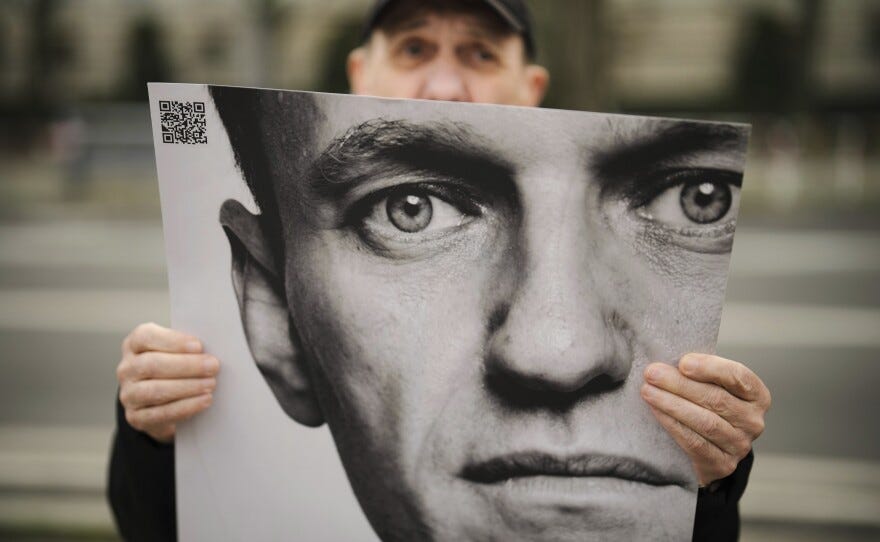
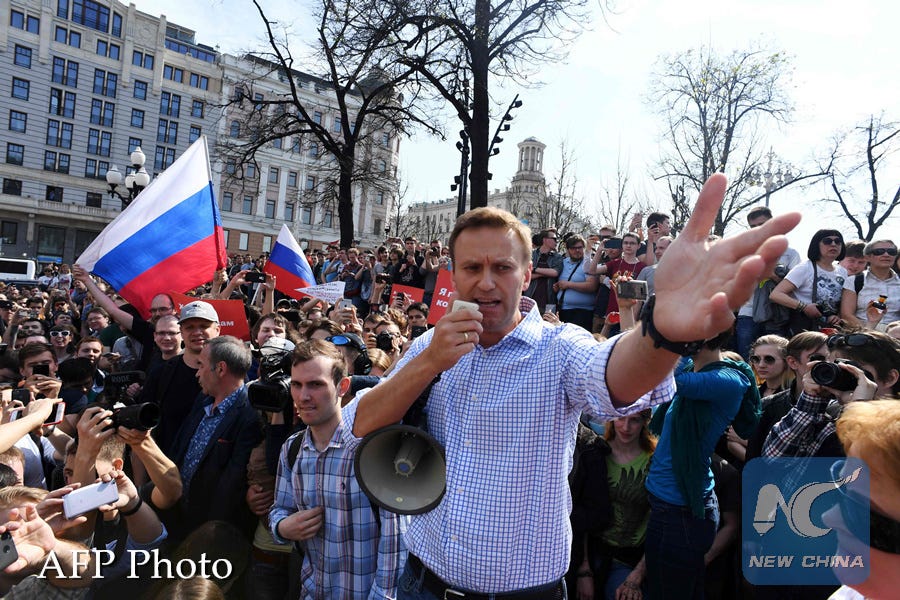
There is a final irony that defines this moment.
Remeslo helped put Navalny in prison.
Now, invoking Navalny’s words, he is confined himself.
Not as a political prisoner.
But as something more ambiguous.
A man declared unwell for telling the truth.
What this tells us about the system
This episode reveals three things:
1. The system is under strain
The speed and method of response suggest instability behind the façade of control.
2. Narrative control is now central
The regime is no longer just controlling behaviour — it is controlling credibility itself.
3. Insider dissent is the real threat
Not protests. Not sanctions.
But loss of belief within the system.
Conclusion
This is not just repression.
It is a shift in how repression works.
From punishment → to diagnosis
From control → to redefinition of reality
And once a system begins declaring truth to be madness,
it is no longer simply authoritarian.
It is entering something far more fragile.
Tags
Ukraine, Russia, Putin, Authoritarianism, Political Warfare, Information War, Navalny, Internal Stability, Strategic Analysis
CTA
If you found this analysis useful, consider subscribing.
This publication focuses on the strategic logic behind war, power, and international politics.
The distinction between imprisonment and psychiatric confinement is analytically precise. Prison acknowledges a political adversary. Psychiatry dissolves one. What makes the Remeslo case structurally significant is not just the method but the target: someone inside the enforcement apparatus, not outside it. Authoritarian systems are most vulnerable not to external pressure but to internal loss of belief. The speed of the response confirms the threat was felt as existential, not merely inconvenient.
It could never happen here, right? HA!
TRUMP is Putin's understudy.