
Two Wars, One Failure
What happens when leaders cannot hear what they do not want to hear

Reading time: ~11 minutes
Credit: Based on reporting by Chris Sampson (The Wire Tap), April 2026
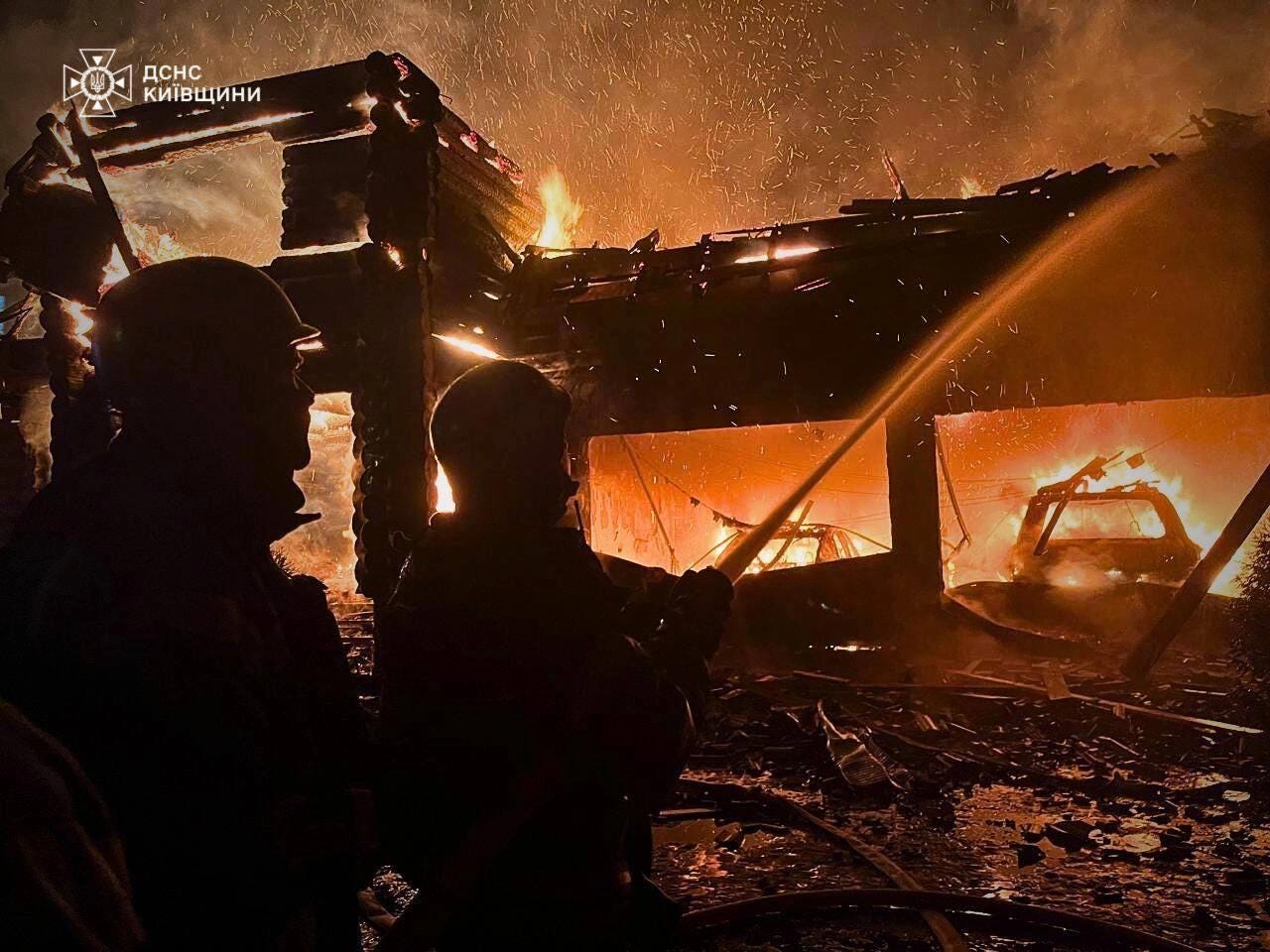
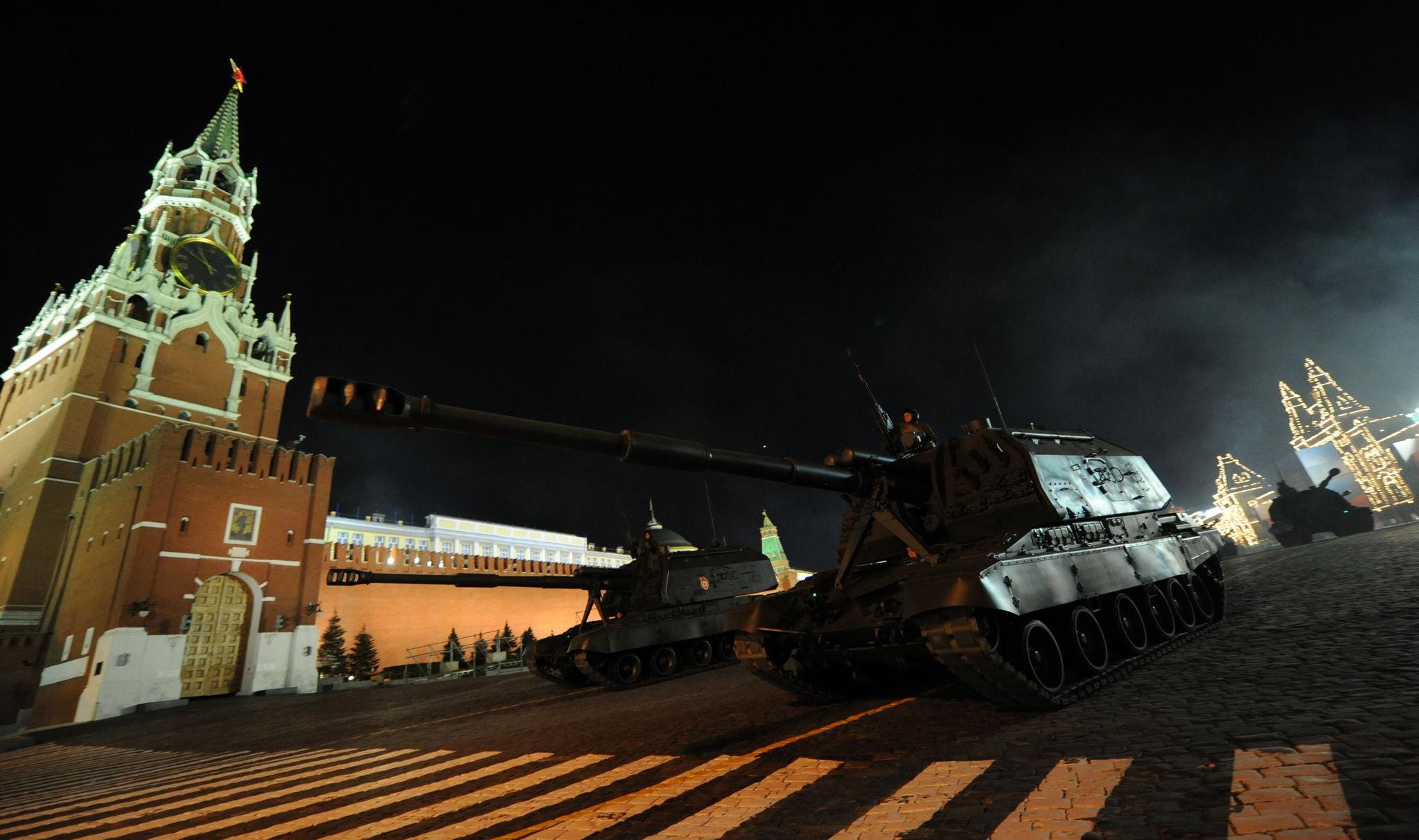
The Common Thread
These are two different wars.
Different histories.
Different scales.
Different human costs.
But they are being shaped by the same flaw.
A failure not of weapons.
Not of resources.
Not even of strategy.
But of listening.
Both wars are being driven by leaders who cannot accept information that contradicts what they have already decided.
“The most dangerous moment in war is when reality is no longer allowed to speak.”
Two Theatres, Same Pattern
On one side:
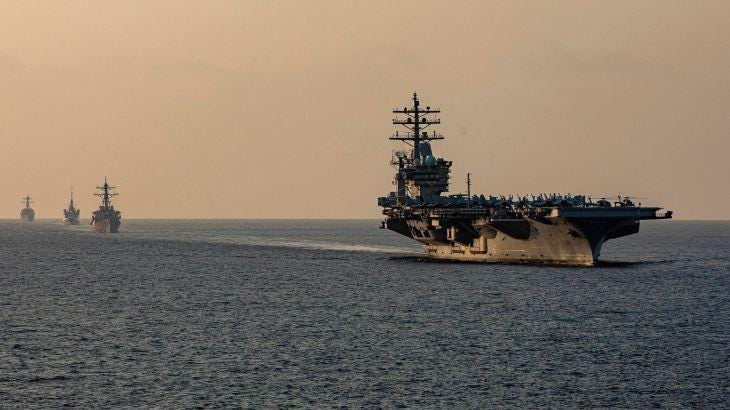
A war against Iran enters its sixth week
A ceasefire exists—but does not hold
Talks happen—but produce no agreement
A blockade is declared—but not fully enforceable
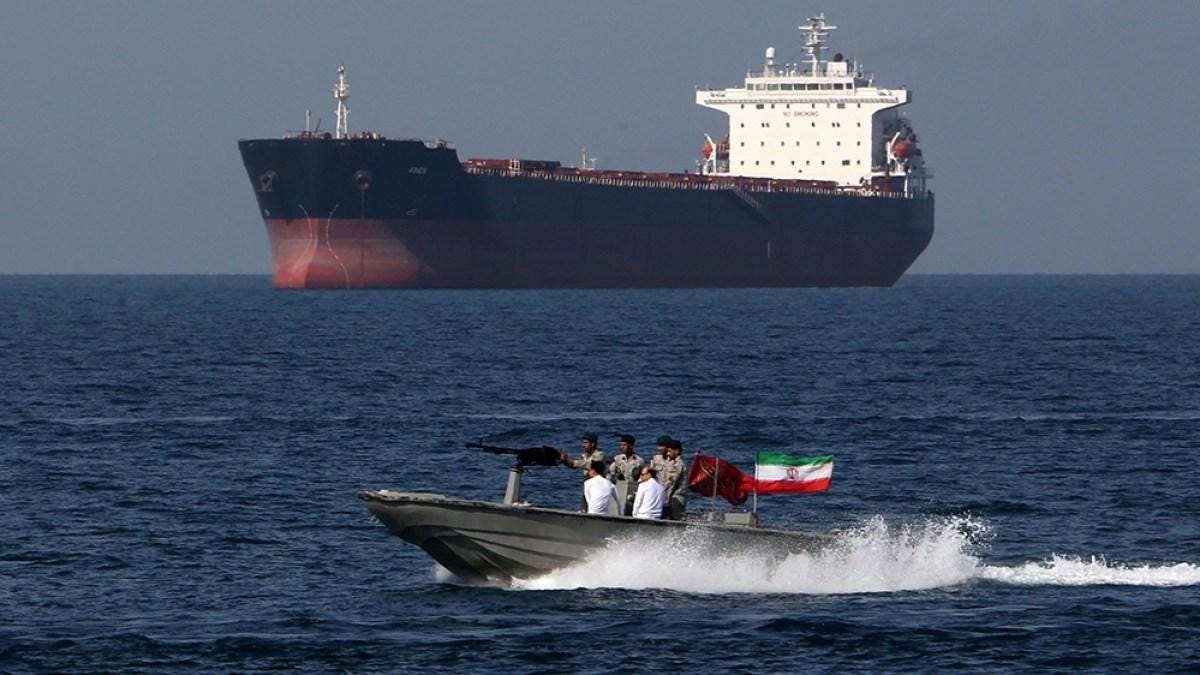
At the centre lies the Strait of Hormuz—
partially open, partially blocked, and fully unstable.
On the other:
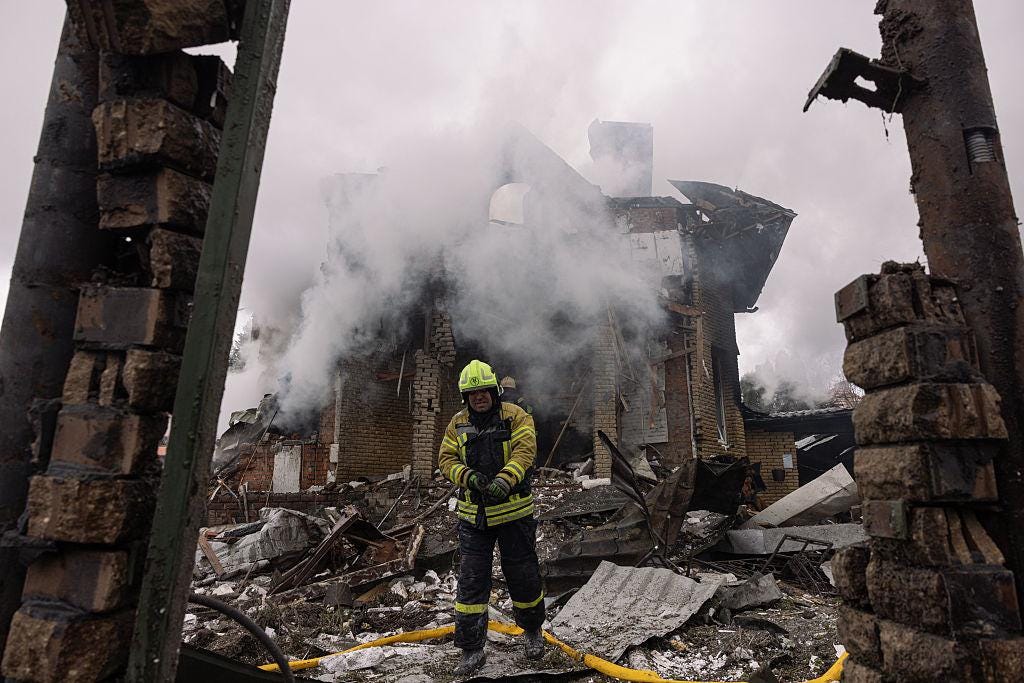
A war against Ukraine enters its fourth year
A ceasefire is declared—and violated thousands of times
Negotiations exist—but require surrender to succeed
The differences matter.
But the pattern is identical:
Declarations of success replacing measurable outcomes.
“Victory is being narrated faster than it is being achieved.”
The Cost of Not Thinking Ahead

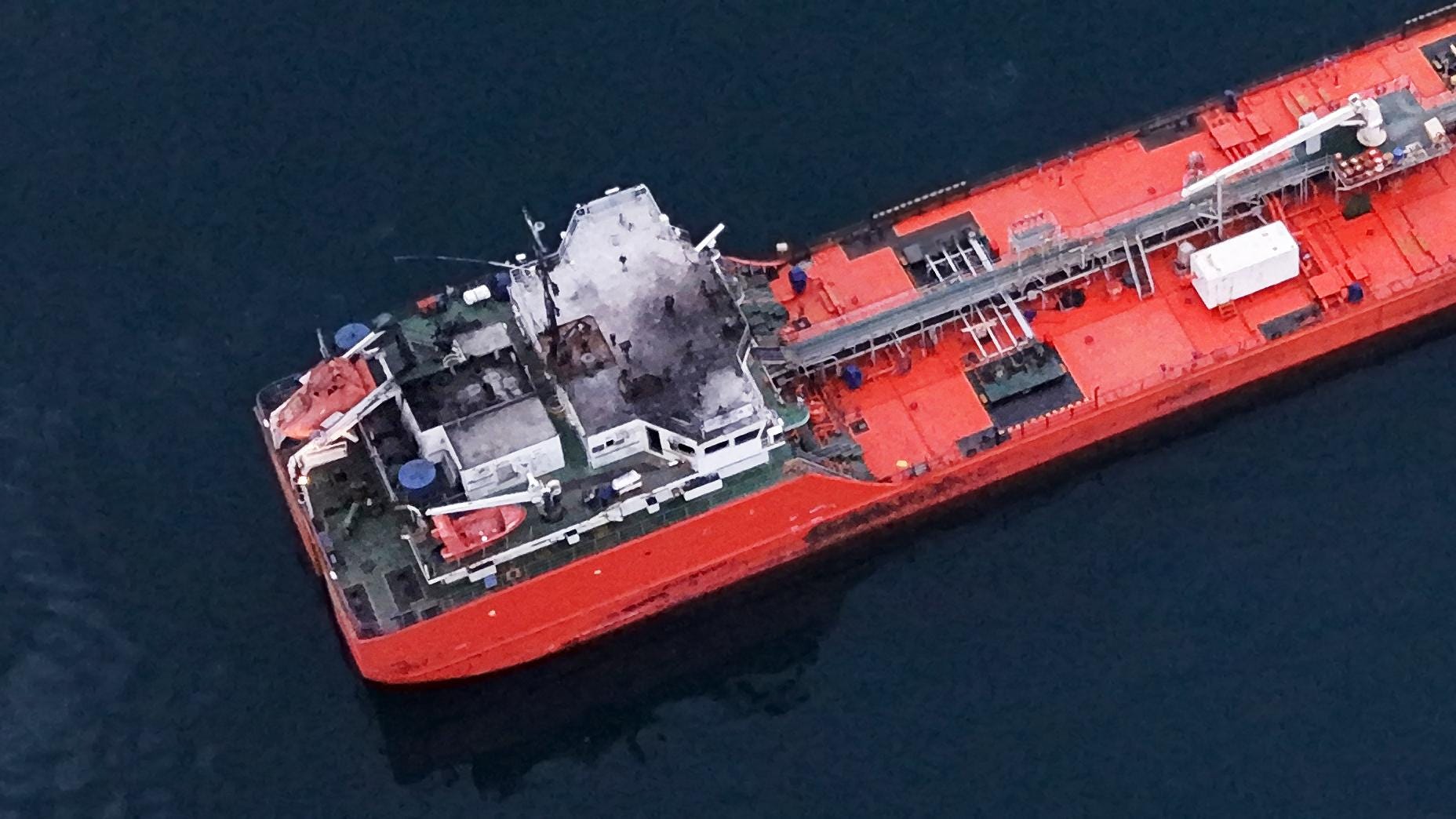
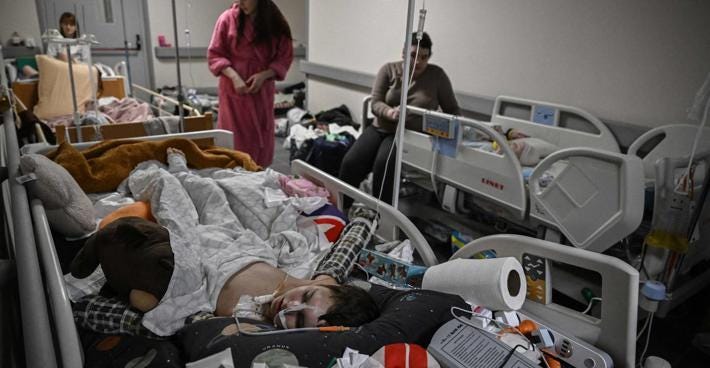
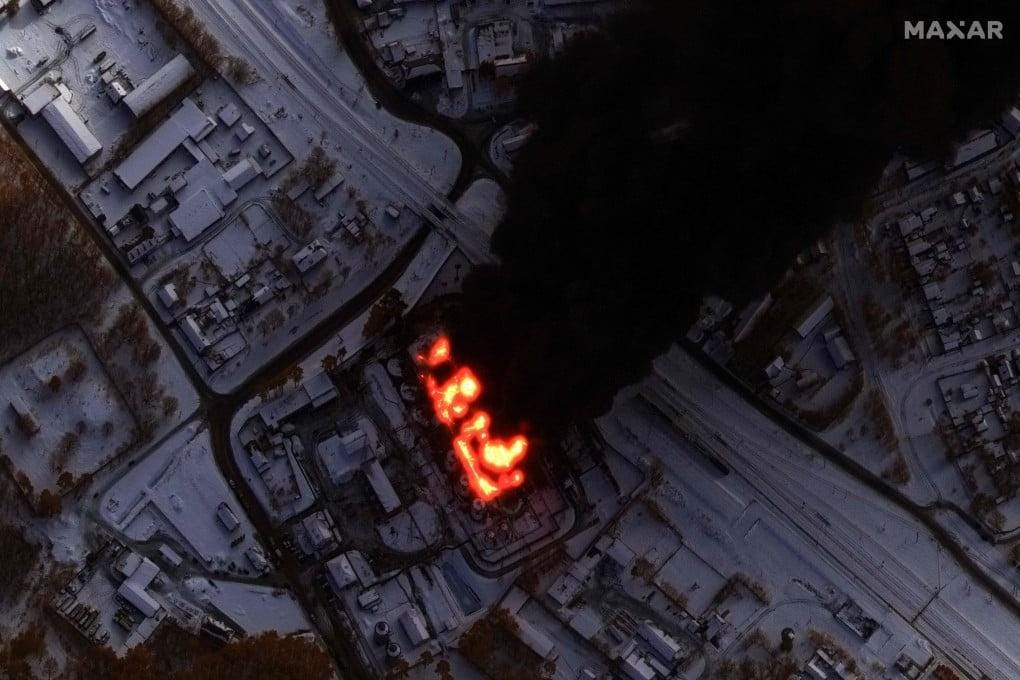
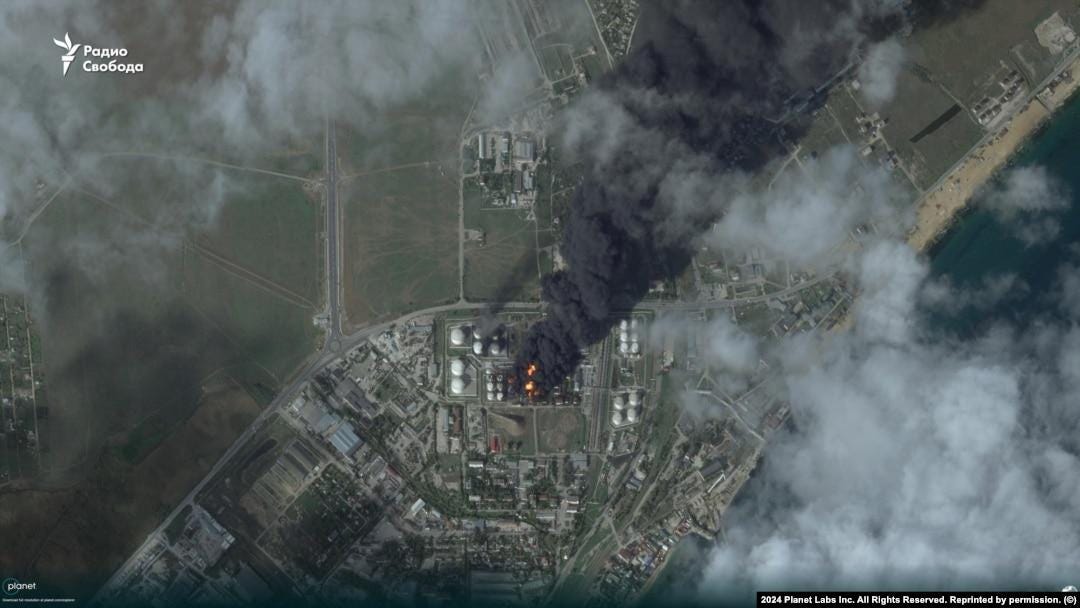
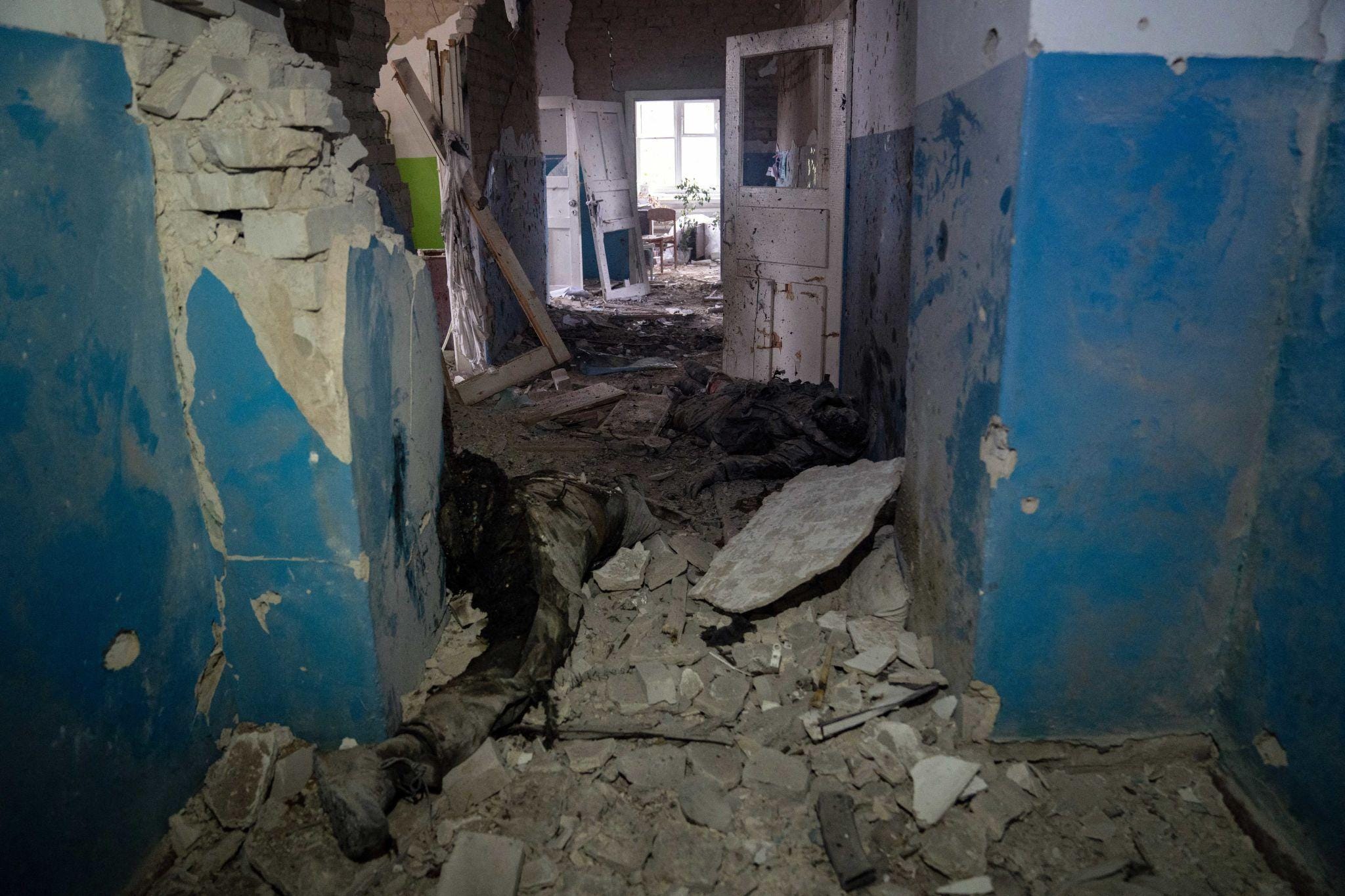
Wars do not stay contained.
They spread through consequences.
In this case, the chain is clear:
War in the Middle East drives oil prices up
Rising prices force policy adjustments
Sanctions are eased to stabilise markets
Revenue flows back into Russia
That revenue fuels the war in Ukraine
No conspiracy is required.
Only sequence.
One war has begun to feed the other.
“When one fire is used to control another, both grow.”
Ceasefires That Reveal More Than They Stop
Both wars have seen ceasefires.
Neither has seen peace.
In Ukraine: thousands of violations within hours
In the Middle East: agreements collapsing under conflicting interpretations
The purpose of these pauses is not resolution.
It is positioning.
shaping narratives
buying time
managing perception
The fighting continues underneath.
The Inability to Step Back
At the centre of both wars is a shared limitation:
the inability to admit miscalculation
the inability to adjust course
the inability to retreat when necessary
This is not new.
But it is decisive.
Because:
Wars end when leaders decide they must end—not when they simply become costly.
“The war continues because stopping it would require admitting something was wrong.”
Where This Leaves Ukraine
For Ukraine, the consequences are immediate:
diplomatic focus shifts elsewhere
external pressure increases
adversary resources are indirectly strengthened
The battlefield does not pause because attention moves.
It absorbs the consequences.
Where This Leaves the World
What we are seeing is not just two conflicts.
It is a demonstration of something broader:
how quickly instability spreads
how tightly energy, security, and war are linked
how leadership decisions cascade across systems
This is not fragmentation.
It is connection.
“These are not separate wars. They are connected pressures moving through the same world.”
The Real Question
The question is no longer:
Who is winning?
It is:
Who can adapt when reality shifts
Who can change course before costs become irreversible
Who can hear what they do not want to hear
Because in both wars, that is the missing element.
If you want to understand how wars connect—and how pressure moves between them:
→ Start here:

Final Note
If this helped connect what can seem separate, stay with it.
Because the most important changes are not always on the battlefield—
but in the decisions that shape everything around it.
It’s free
However, if you find reason to support my research - I would be grateful for any contribution in the range of: 2 to 8 $.