
Three Wars, One Outcome
Why the ground, the skies, and the deep strikes are all parts of the same decision

Reading time: ~11 minutes
Credit: Based on analysis by Donald Hill, April 2026
Not One War — But Three
It is tempting to see this as a single war.
A front line.
A map.
A slow grind east and west.
But that misses what is actually happening.
There are three wars being fought at the same time:
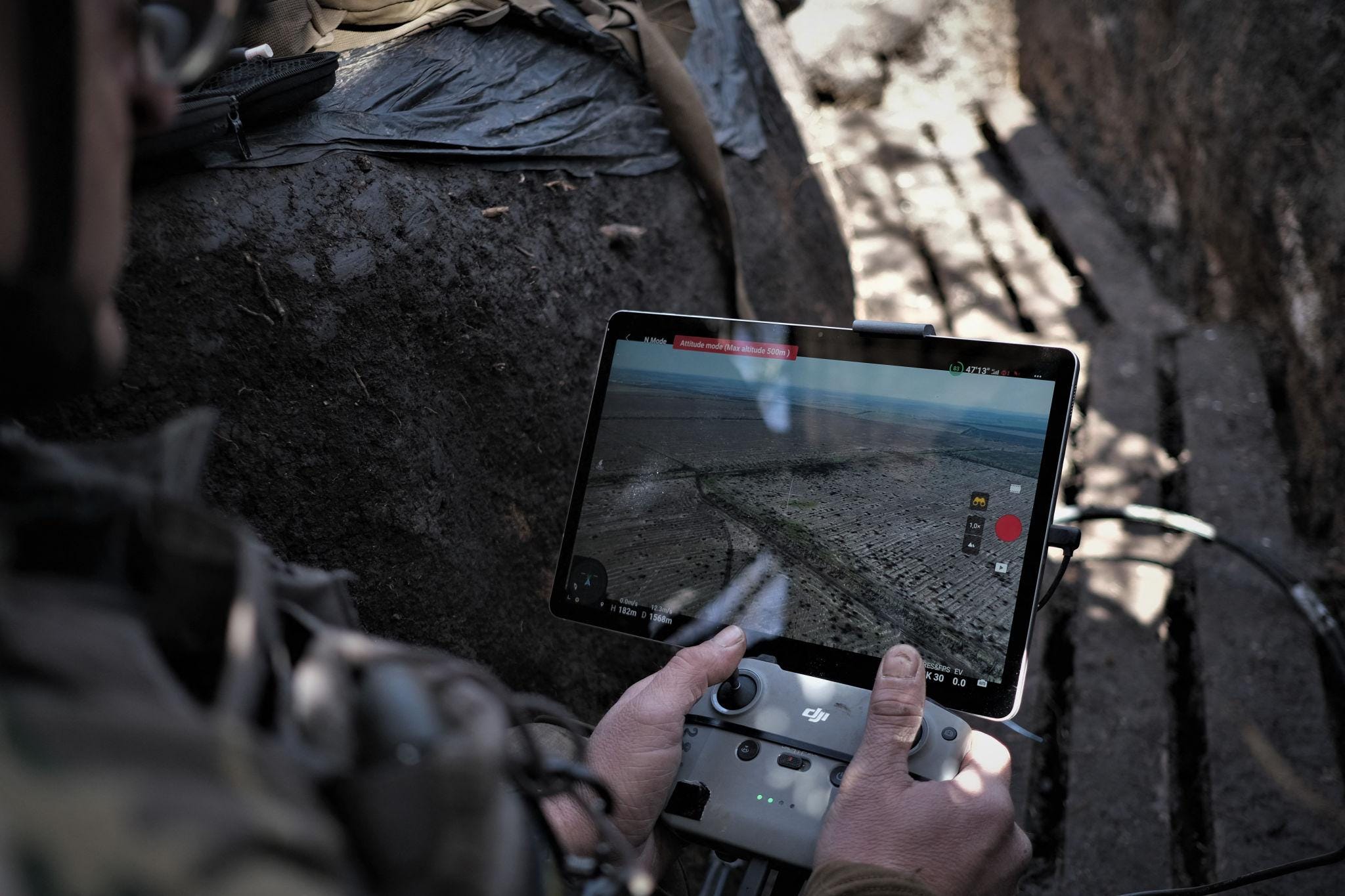
The war on the ground
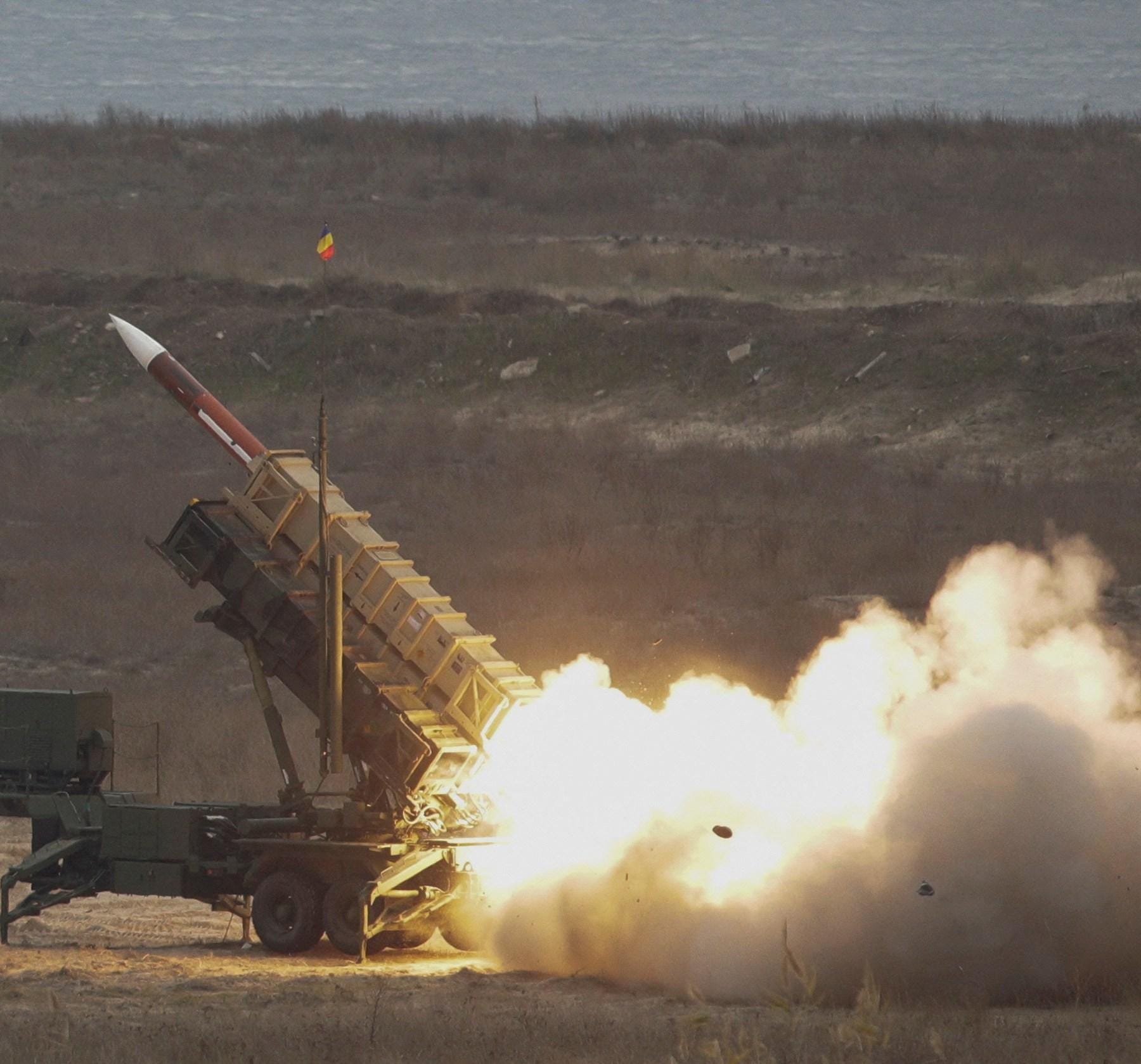
The air war over Ukraine
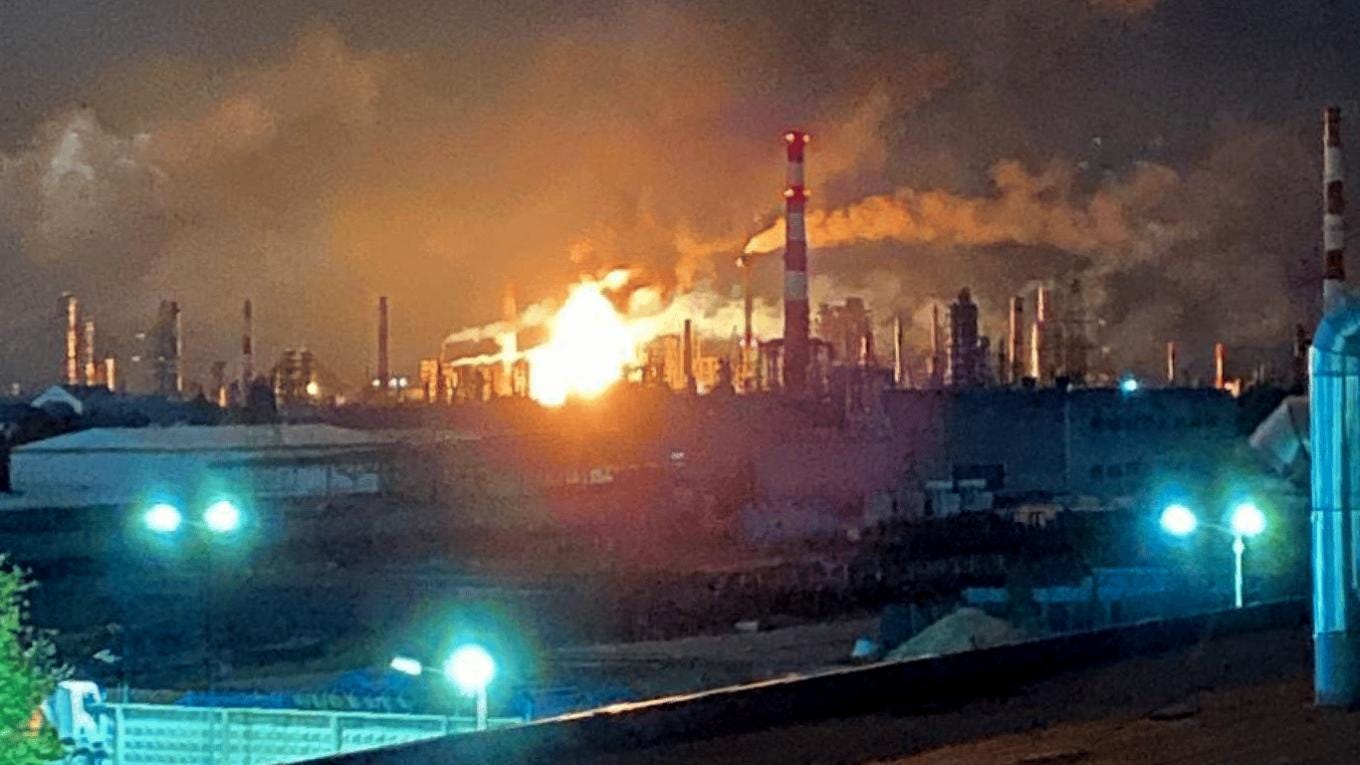
The air war over Russia
Each has its own logic.
Each has its own objectives.
And none of them can be understood in isolation.
Together, they decide the outcome.
“The front line is only where the pressure becomes visible.”
1. The Ground War — Movement Against Resistance
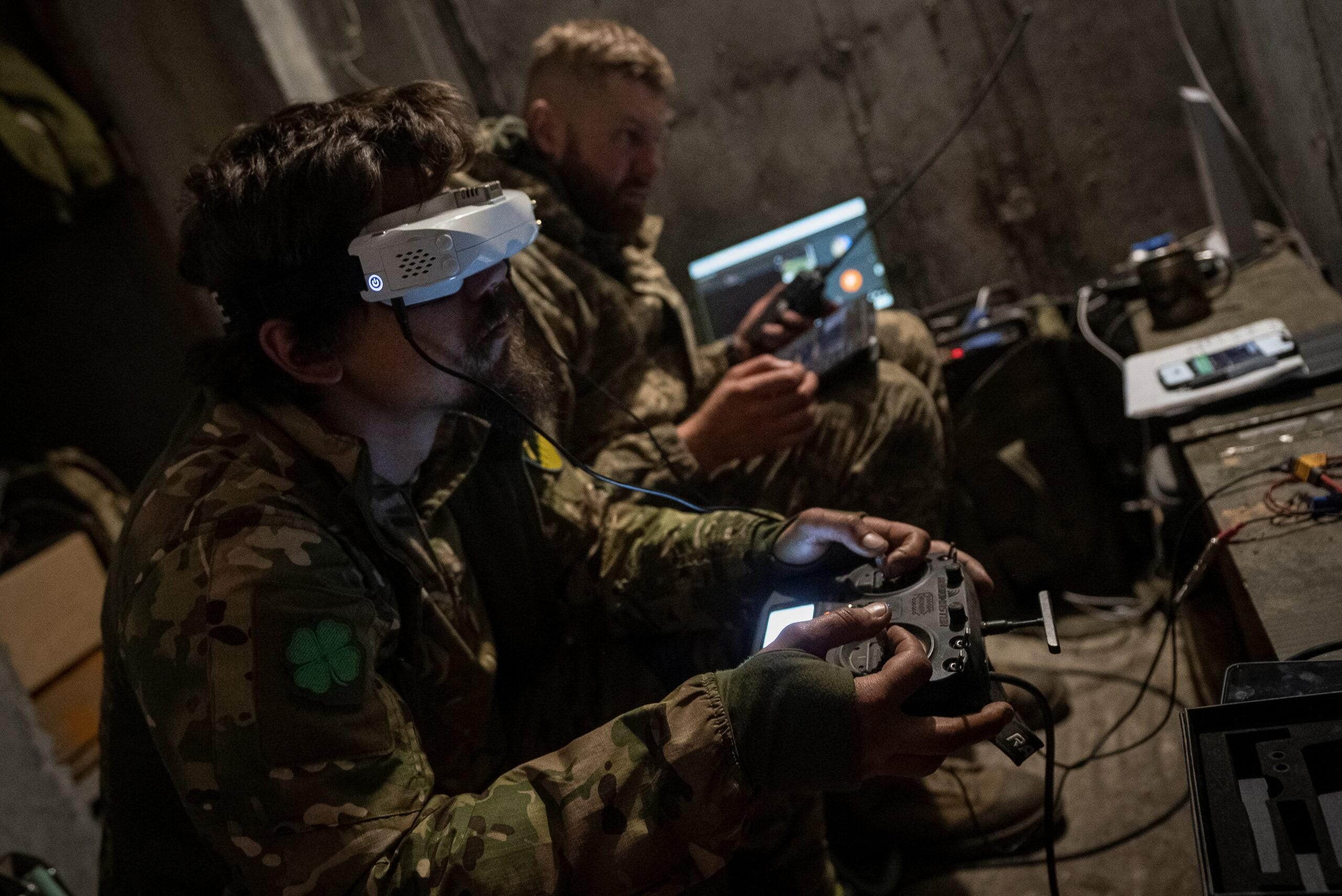
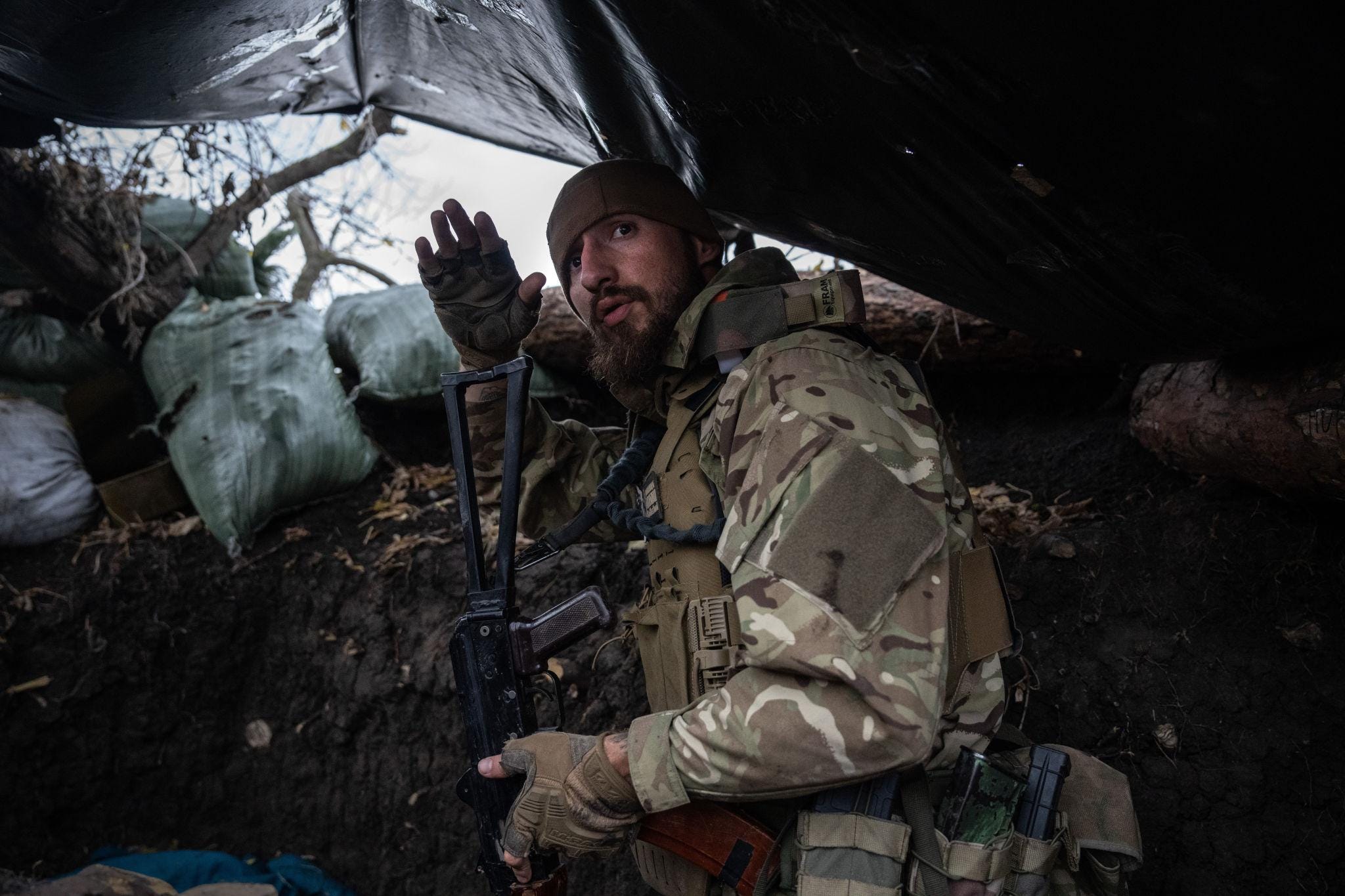
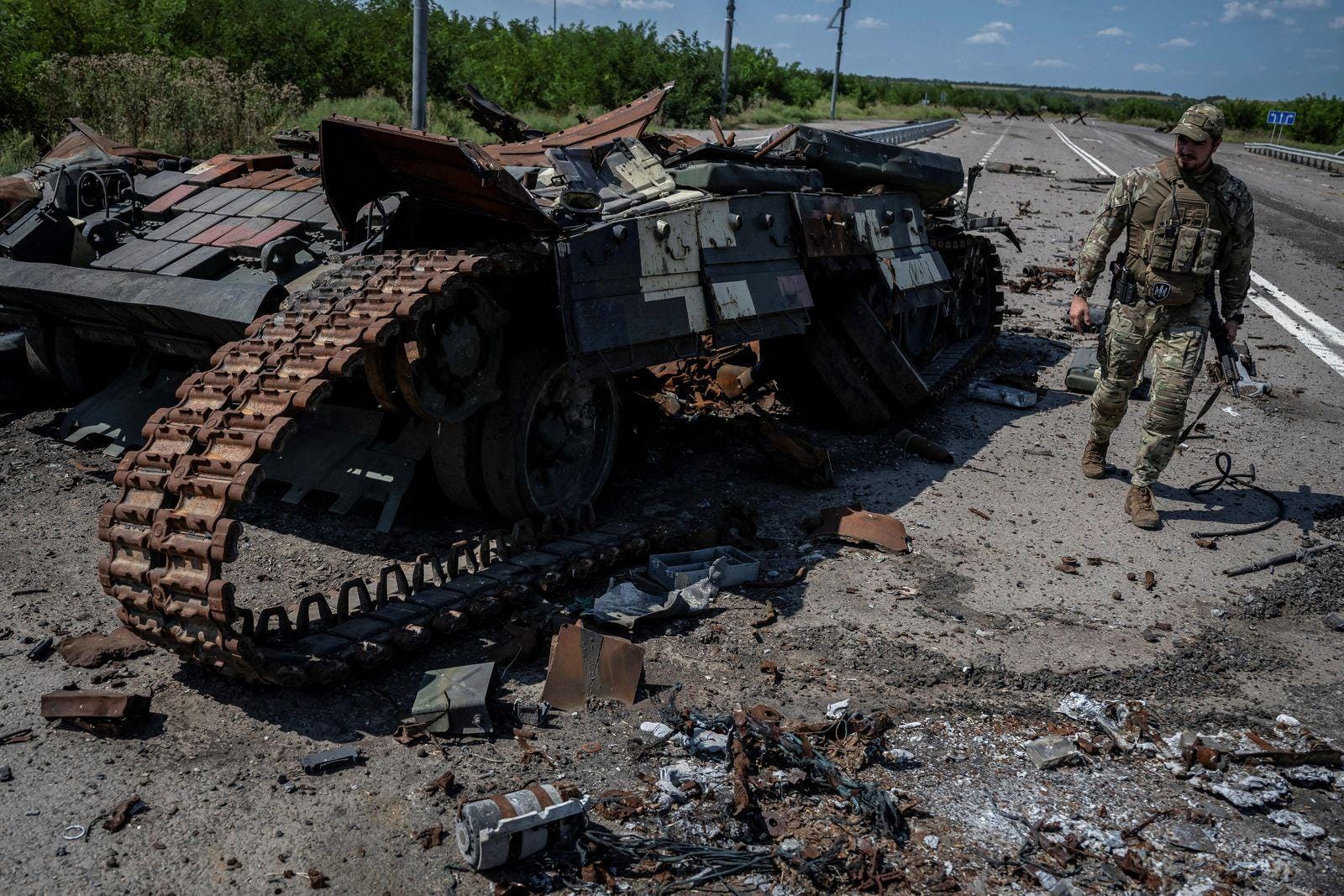
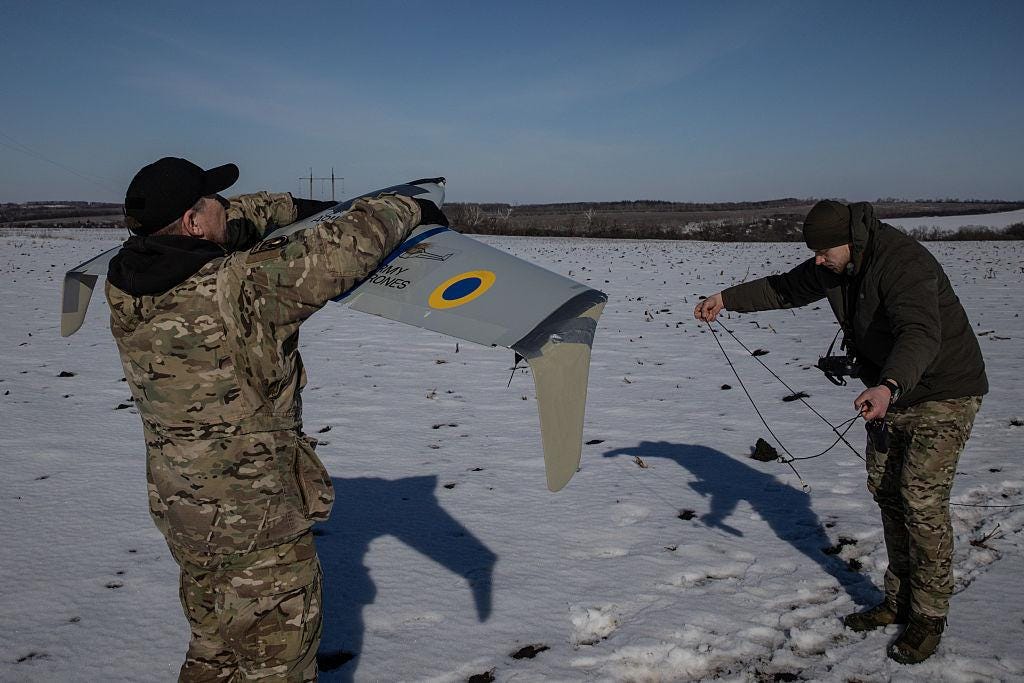
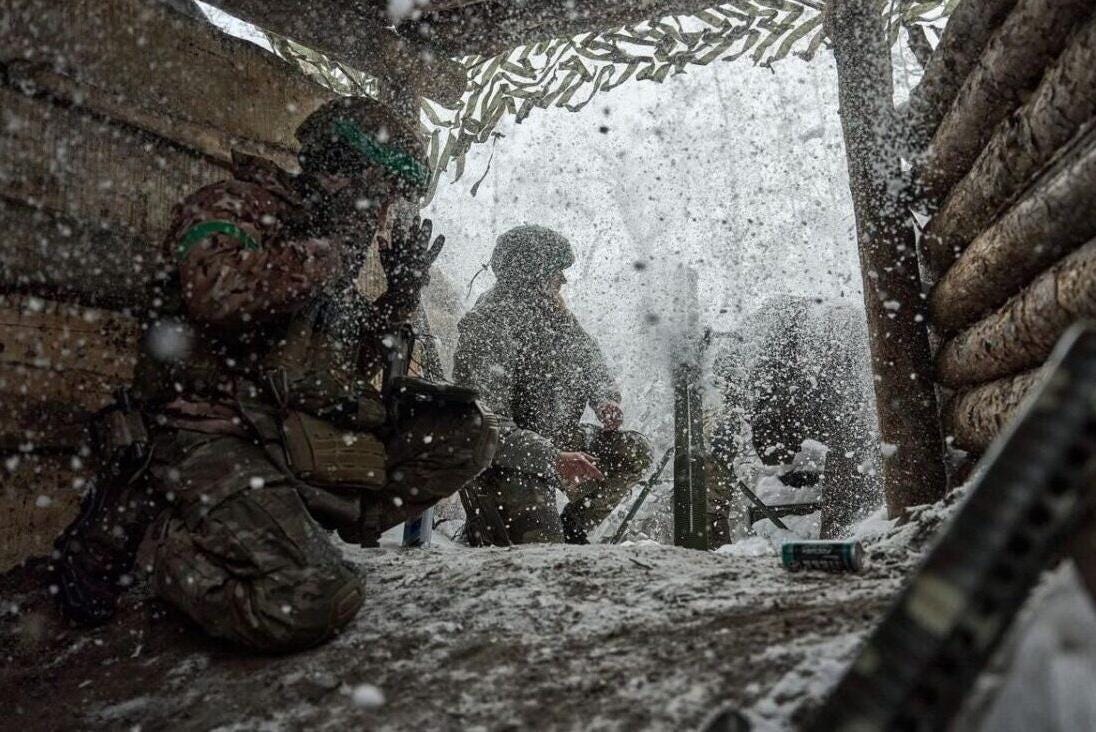
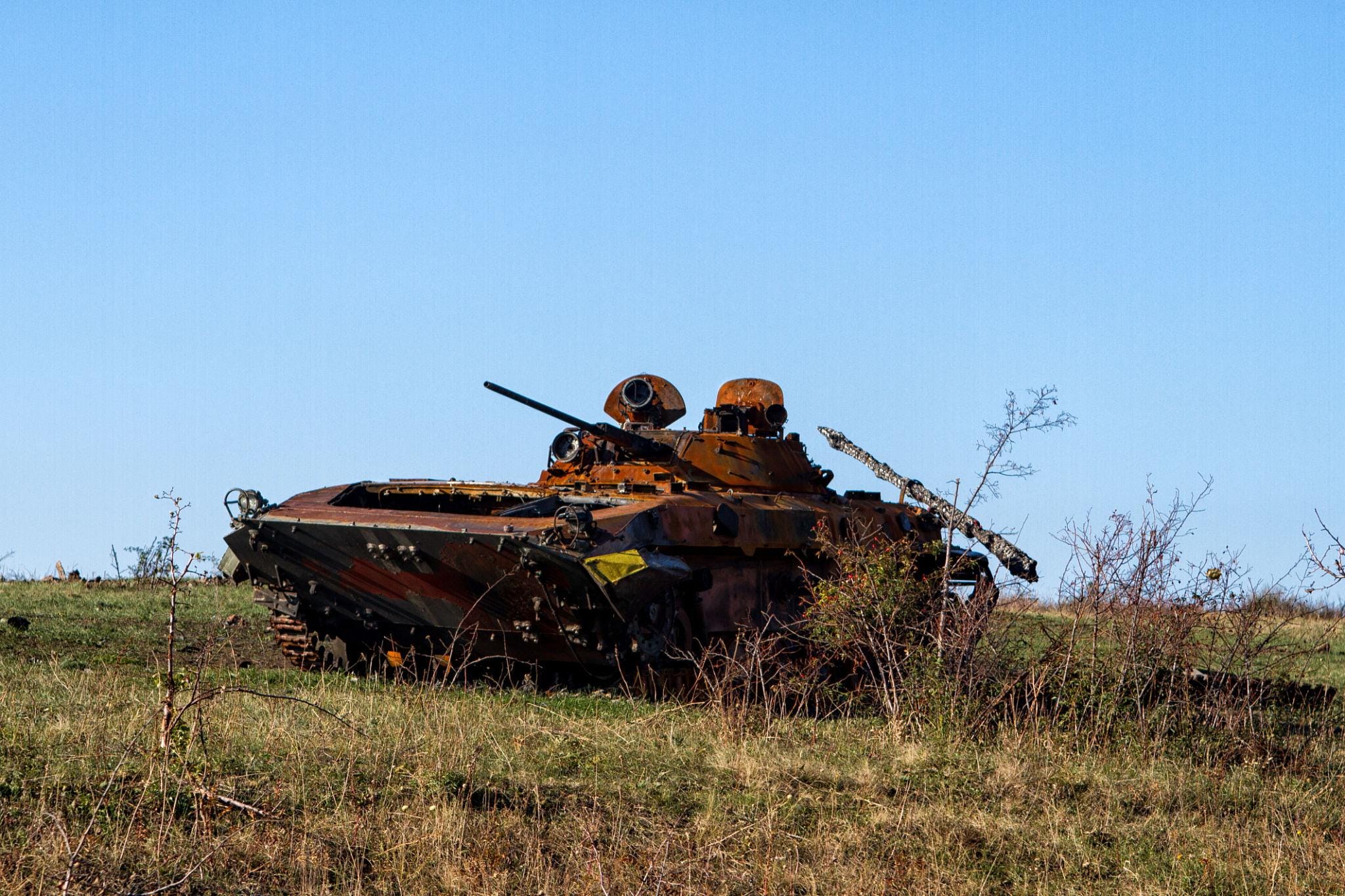
On the ground, the logic remains simple.
Russia pushes forward.
Relentlessly.
first with armour and artillery
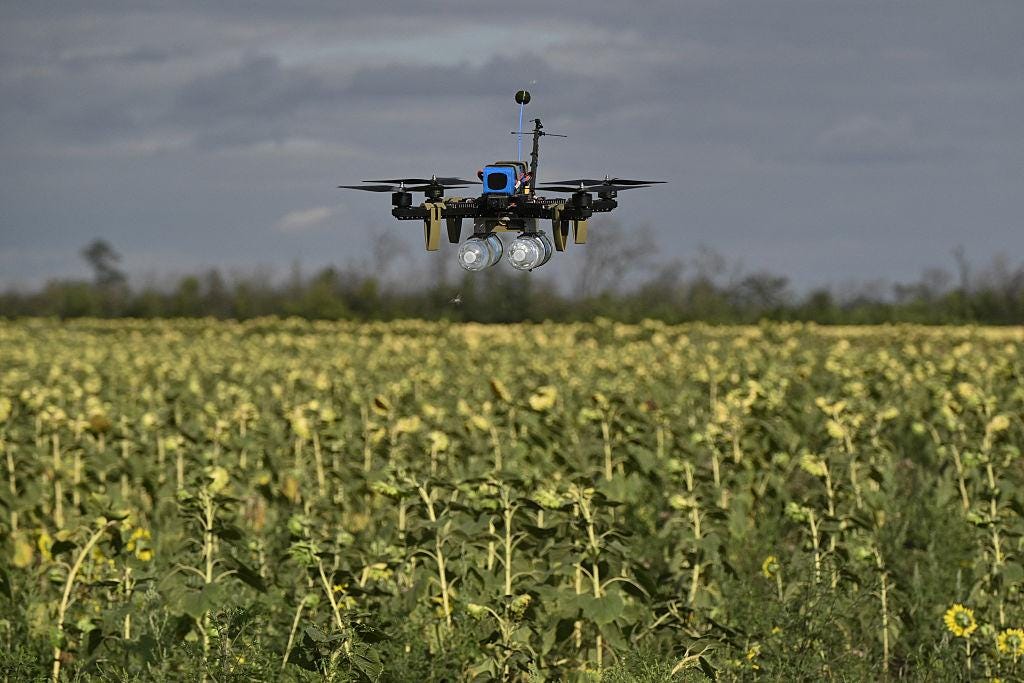
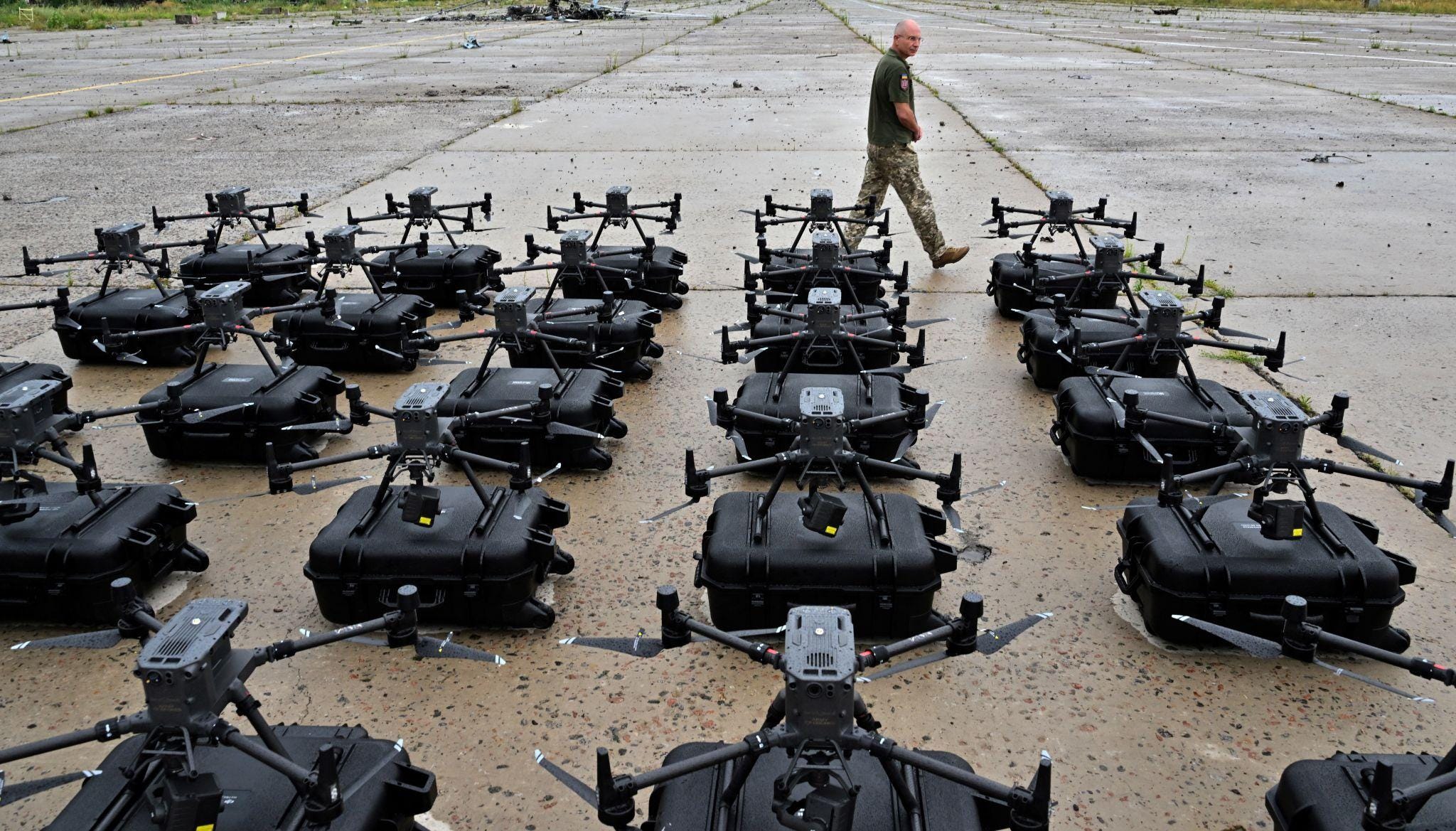
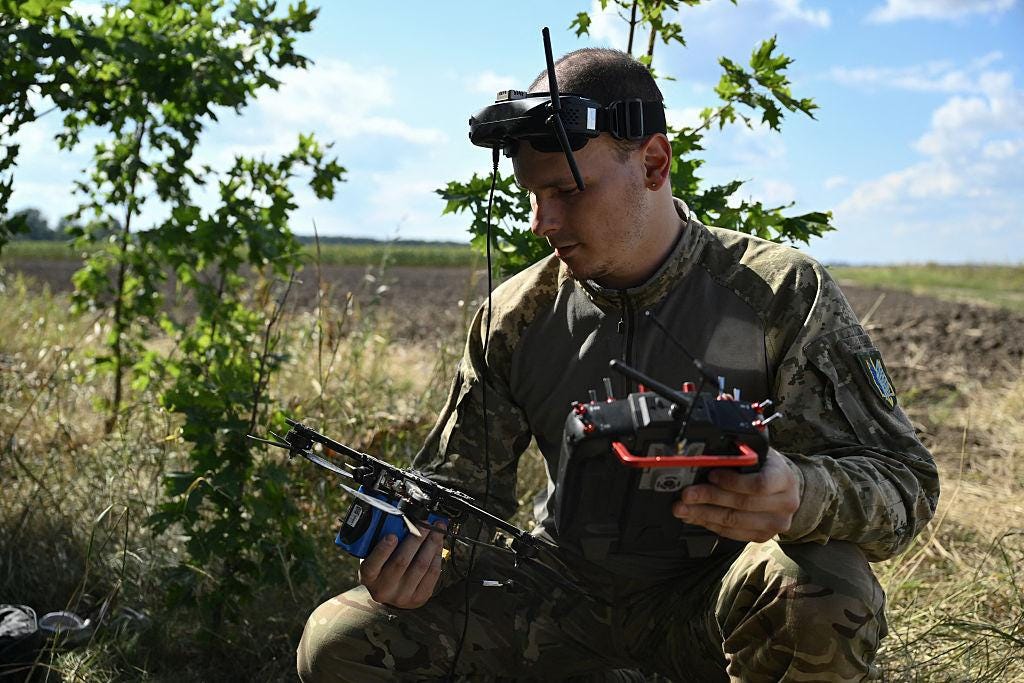
now with infantry and drones
Ukraine responds differently:
obstacles to slow movement
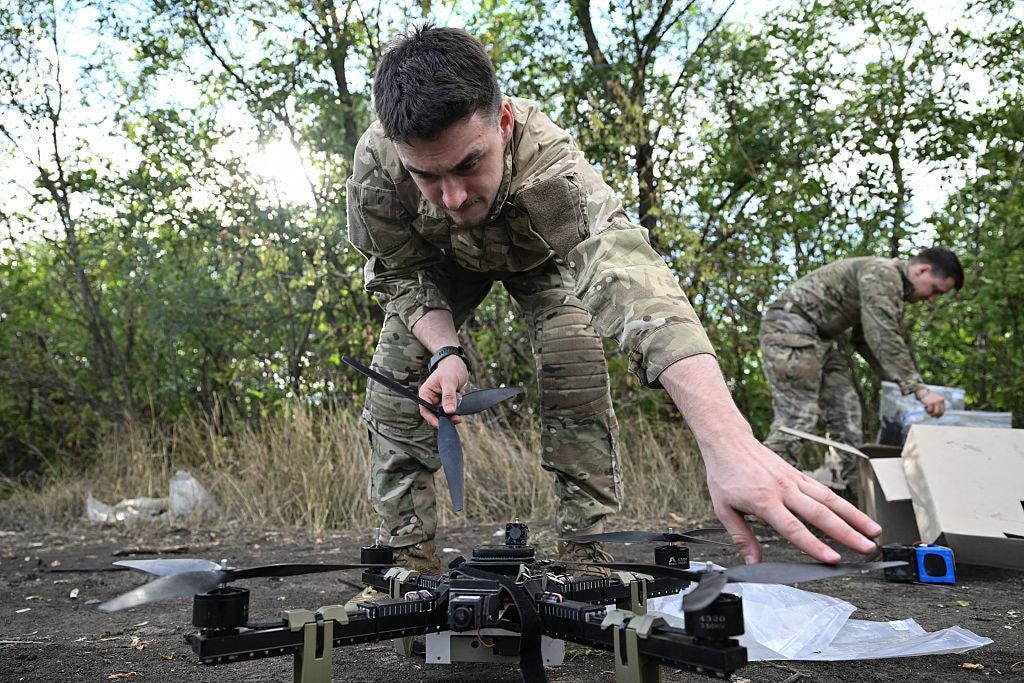
drones to strike exposed forces
command systems to coordinate at scale
The result is not breakthrough.
It is friction.
advances measured in kilometres
losses measured in thousands
Where defences are complete, movement stops.
Where they are not, pressure finds its way through.
“The ground war is no longer about speed. It is about survival under pressure.”
2. The Air War Over Ukraine — Protection Under Strain
Russia’s objective in the skies is clear:
break infrastructure
damage industry
weaken morale
The method:
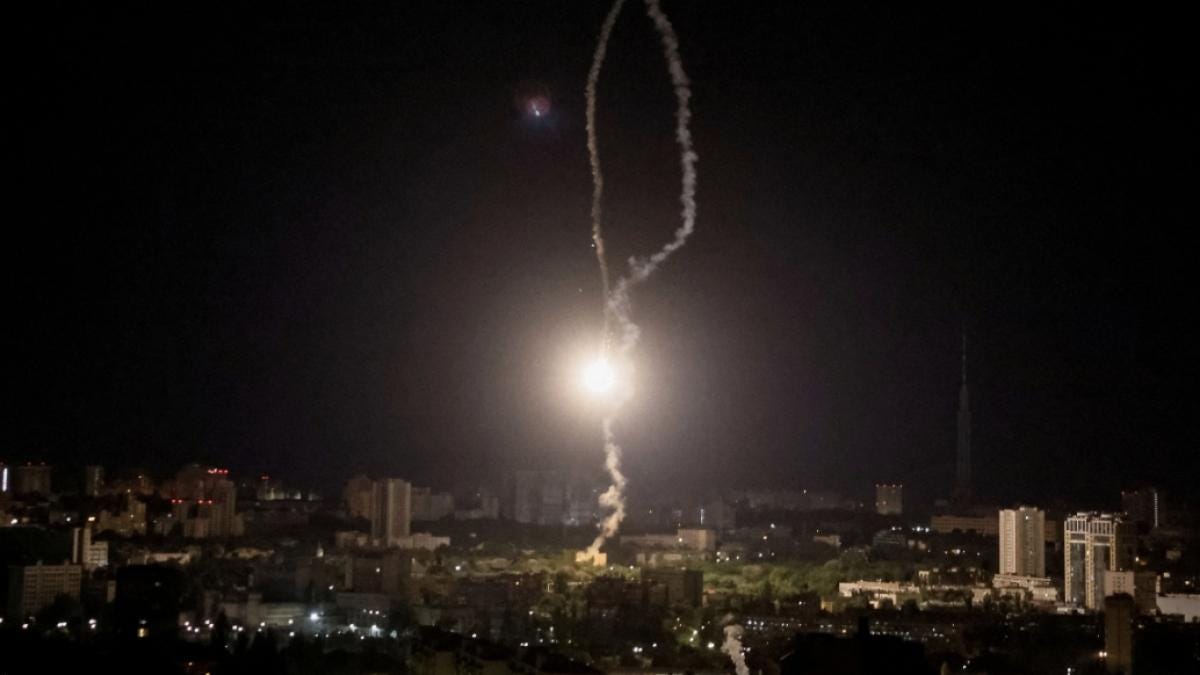
increasing drone numbers
low-altitude flight to evade detection
repeated strikes on energy systems
Ukraine’s response has evolved:
layered air defence (Patriot, IRIS-T, NASAMS)
short-range interception teams
electronic warfare and audio detection
decentralised energy systems
The effect is visible:
more drones are launched
fewer are hitting targets
But the strain remains:
shortages of interceptor missiles
uneven coverage
vulnerability to saturation attacks
This is not control.
It is containment.
“Ukraine is not stopping the strikes. It is reducing what they can achieve.”
3. The Air War Over Russia — Pressure at Depth
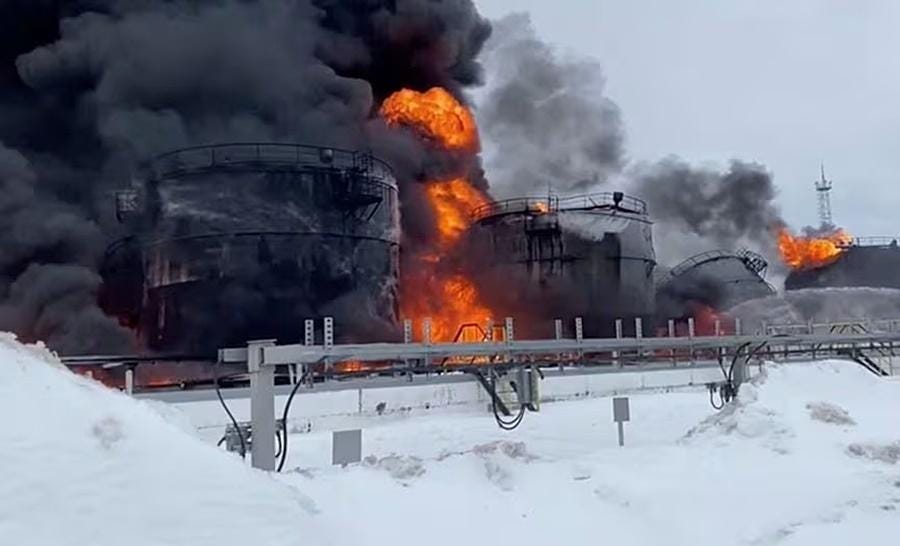
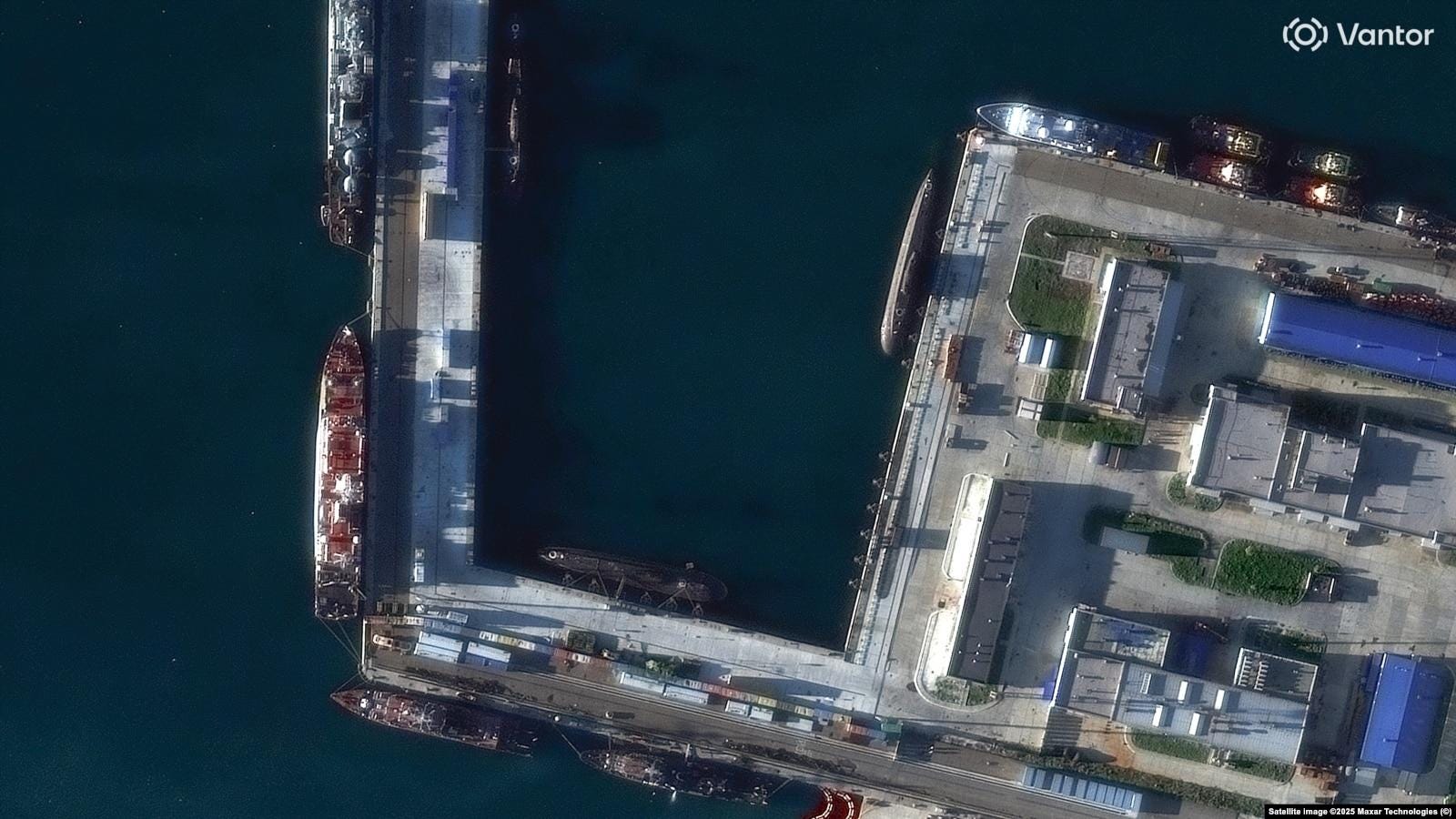
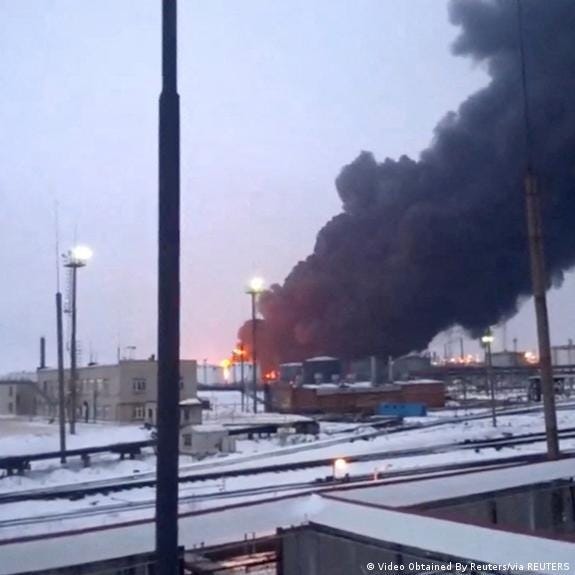
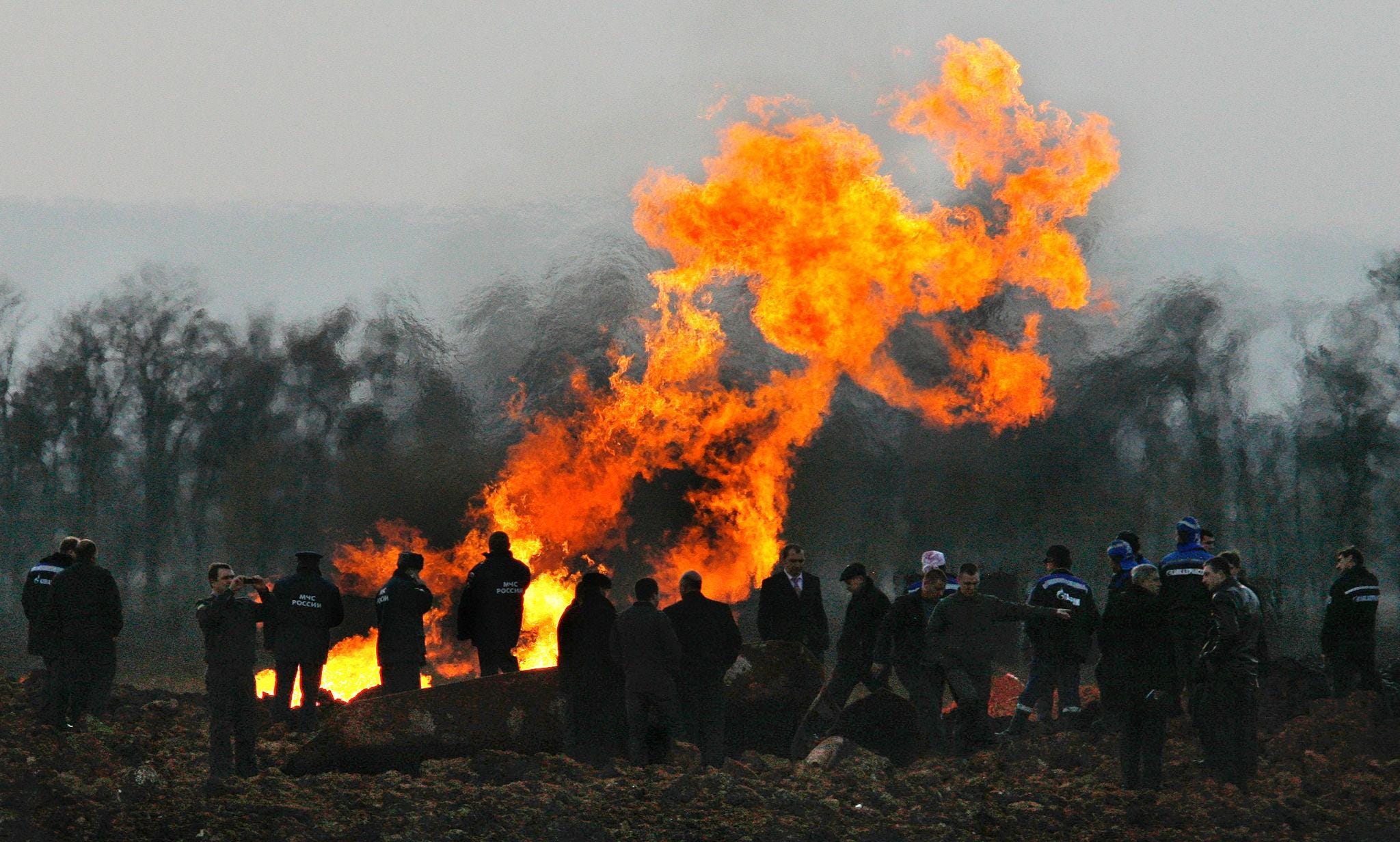
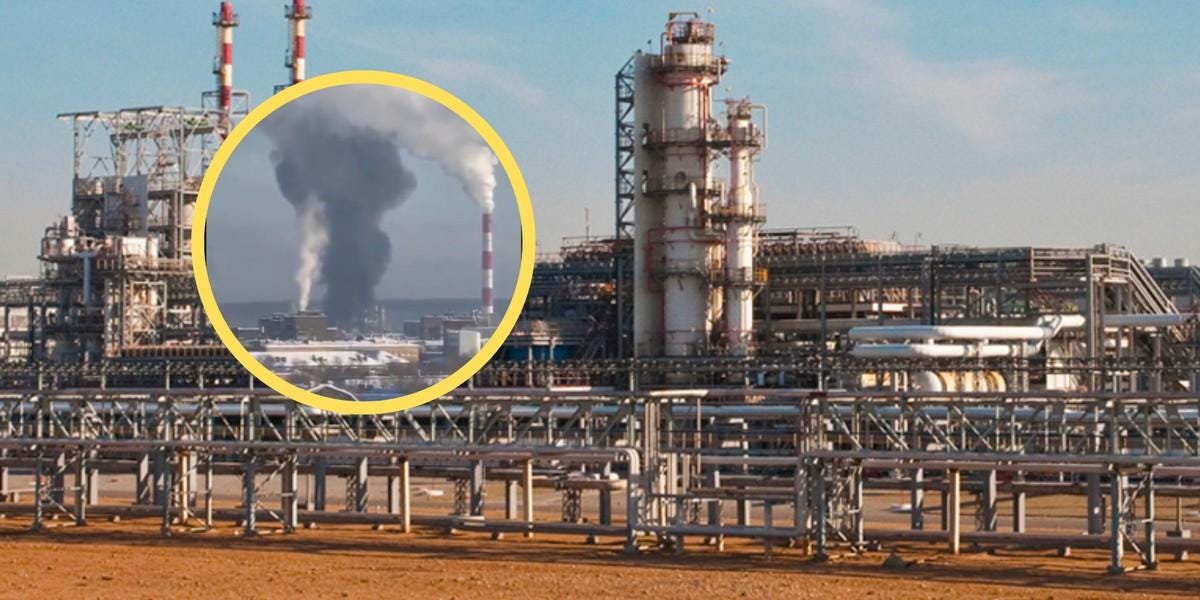
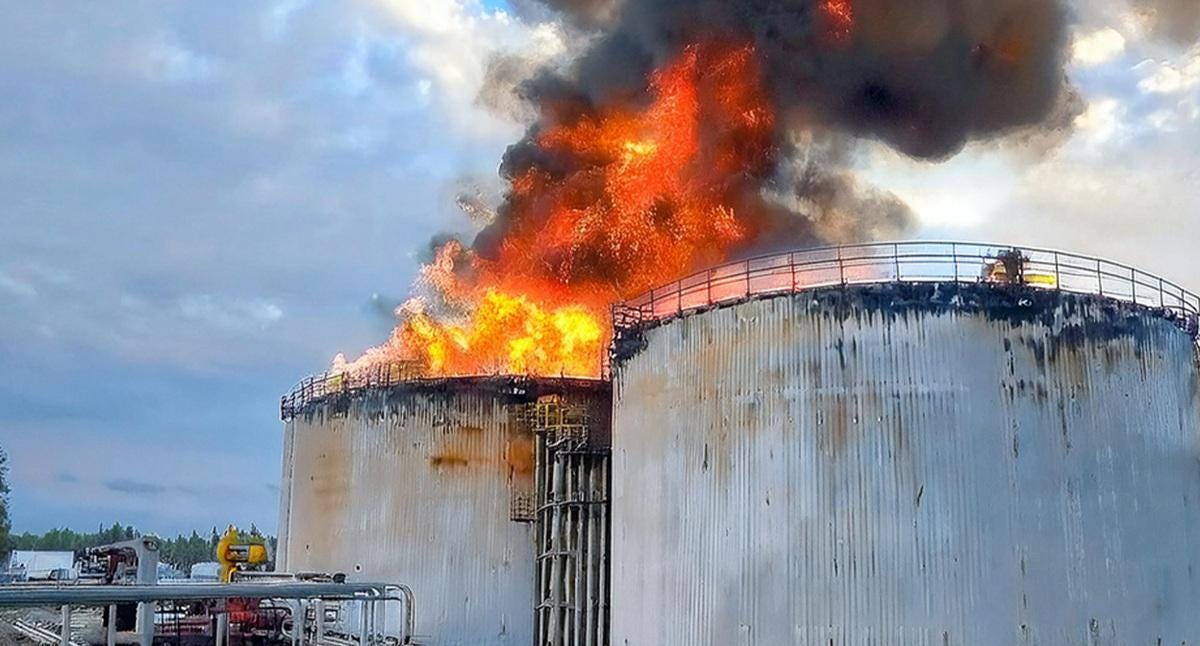
This is where the balance begins to shift.
Ukraine’s deep strike campaign targets:
oil refineries and export terminals
pipelines and storage
military factories
logistics hubs
The logic is cumulative:
reduce revenue
disrupt production
slow supply
The effects are measurable:
temporary losses of export capacity
rising costs of repair and protection
declining efficiency across sectors
But one principle stands above all:
Strikes must be repeated.
Damage alone is not enough.
Only sustained pressure reduces capacity.
“If you stop hitting, they start repairing.”
How the Three Wars Connect
Individually, each war looks incomplete.
Together, they form a chain:
Ground war slows Russian advances
Air defence limits damage to Ukraine
Deep strikes reduce Russia’s ability to sustain both
This creates a feedback loop:
slower logistics → weaker front
reduced production → fewer weapons
constrained movement → higher losses
And over time:
The cost of continuing rises faster than the ability to sustain it.
The Energy Factor
One element ties everything together:
energy.
fuels the military
funds the state
connects the war to global markets
Strikes on energy infrastructure do more than destroy assets:
they disrupt exports
they fill storage capacity
they force reductions in production
And when production stops:
restarting is costly
capacity may not return fully
This is where economic pressure becomes military effect.
“The war is fought with weapons—but sustained with energy.”
What This Means for the Outcome
The war will not be decided by a sudden breakthrough.
It will be decided by accumulation:
losses that cannot be replaced
systems that cannot be repaired fast enough
pressure that cannot be relieved
The ground war shows the struggle.
The air war over Ukraine shows the resilience.
The air war over Russia shows the direction.
If you want to see how these three wars combine into one outcome:
→ Start here:

Final Note
If this clarified the structure, stay with it.
Because the war is not decided where it is most visible—
but where its different parts begin to connect.
It’s free
However, if you find reason to support my research - I would be grateful for any contribution in the range of: 2 to 8 $.