
They Stayed in Position — Until the Food Ran Out
When supply fails, the line does not break first. The people do.

Reading time: 8–9 minutes
Credit: Based on reporting by David Obelcz, adapted and reframed
They were still holding their position
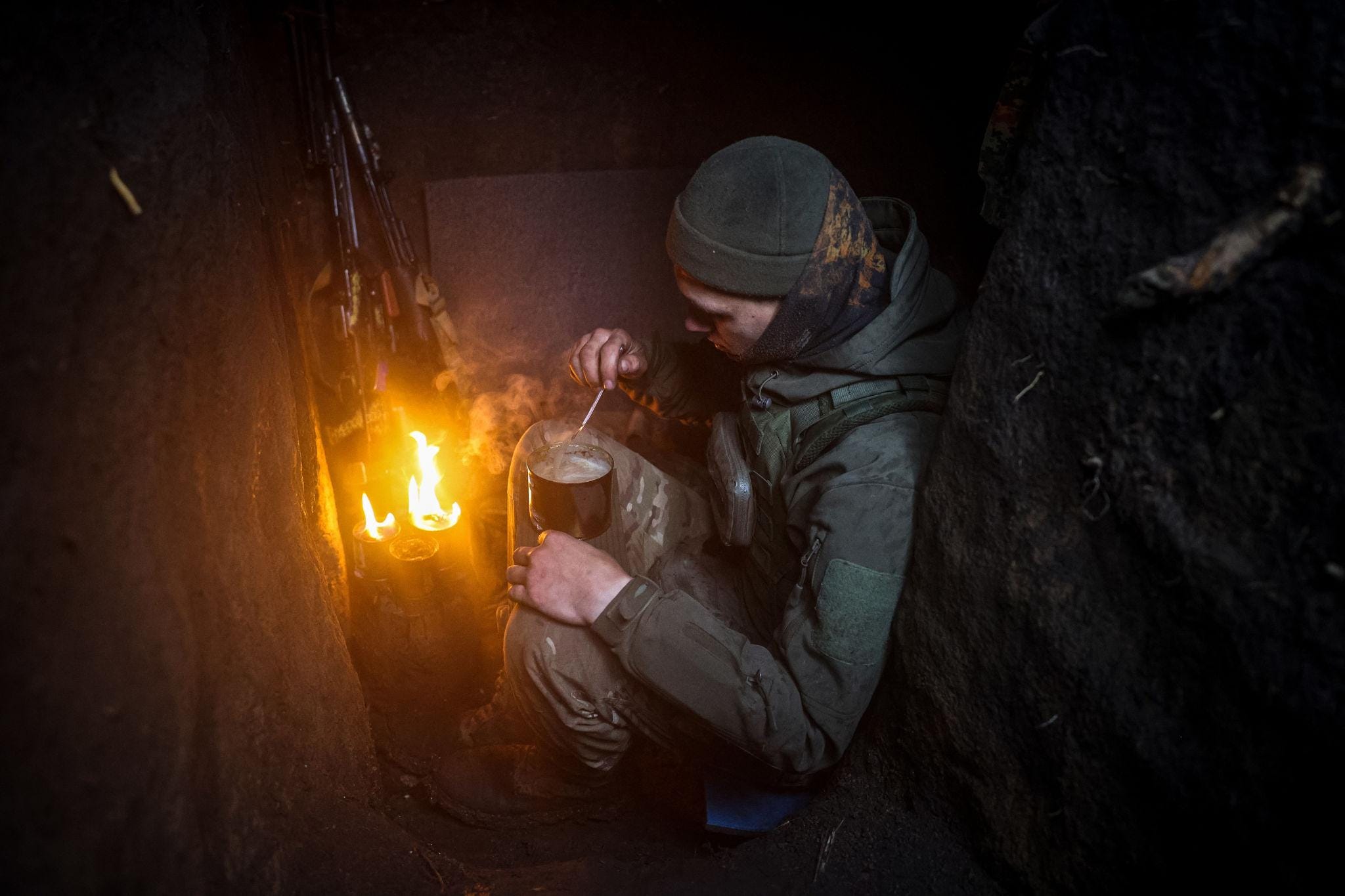
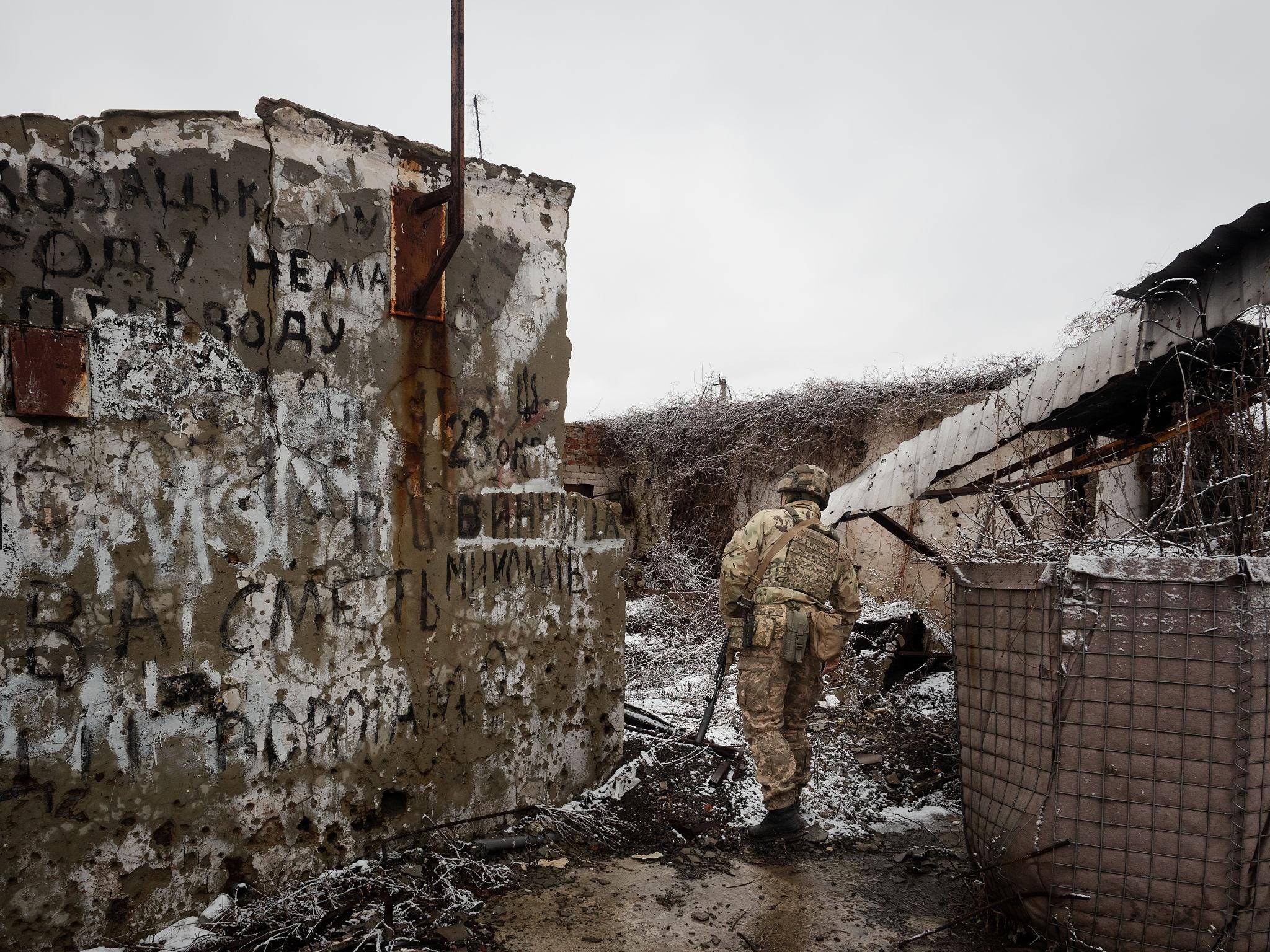
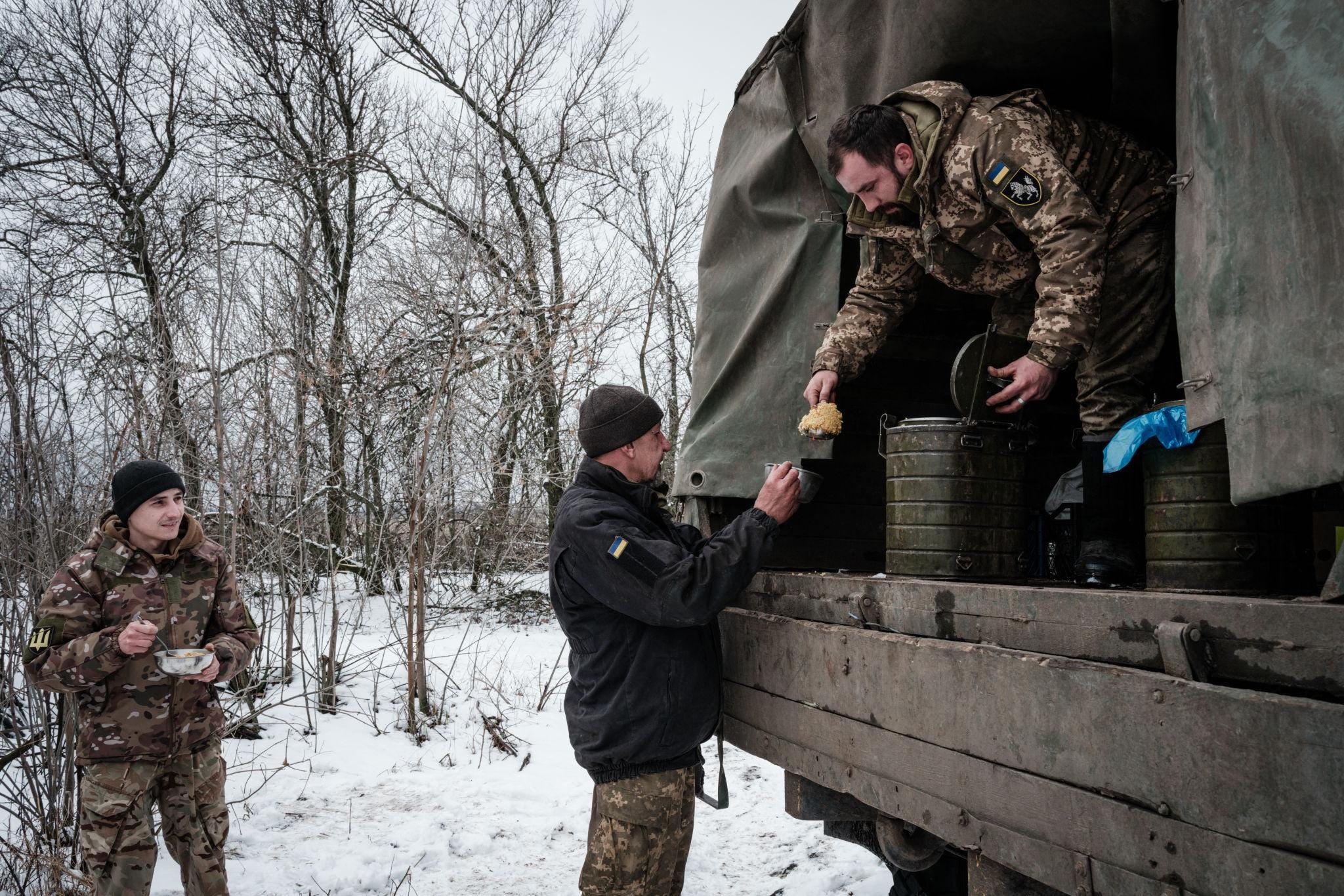
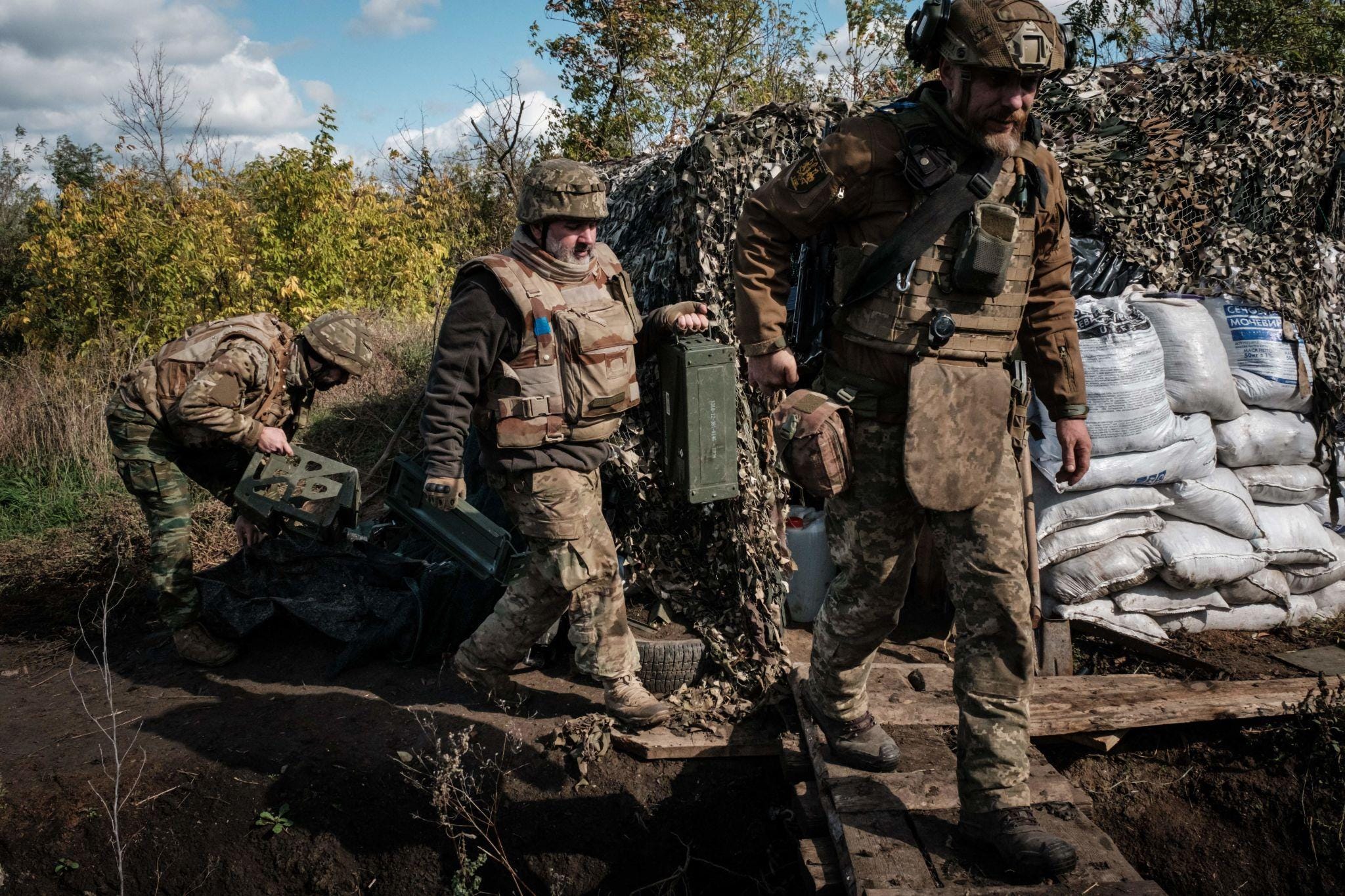
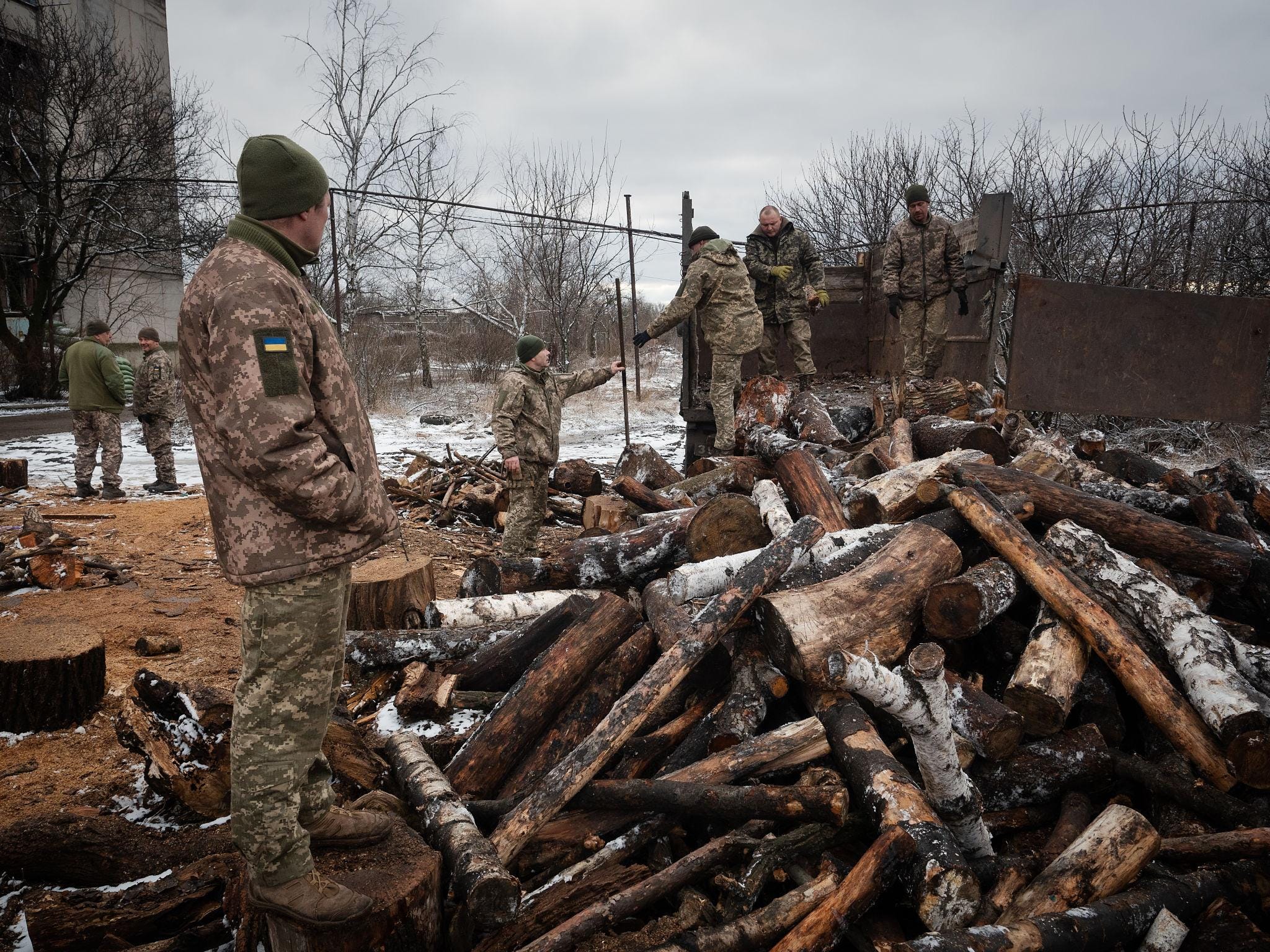
The line did not collapse.
The position was not overrun.
The soldiers were still there.
But behind that:
food delayed
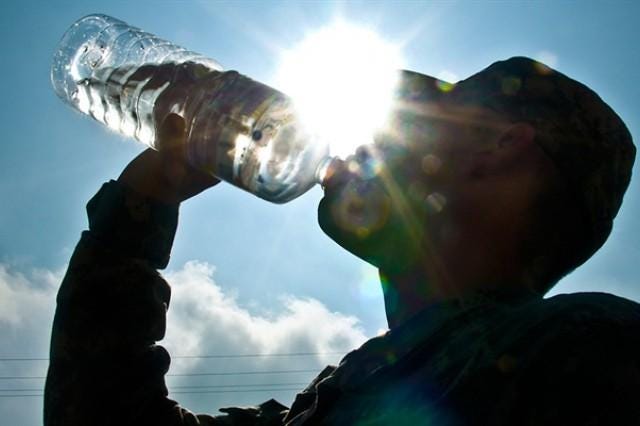
water scarce
fuel missing
relief absent
For months.
At some point, the question changes.
Not “Can the position hold?”
But:
👉 “Can the people still stay there?”
This did not come from reports. It came from families
Images appeared.
Messages followed.
soldiers fainting
rainwater used when supplies failed
appeals sent upwards
These were not formal complaints.
They were last attempts to be heard.
A position can hold on the map while failing in real life.
What actually failed here
It was not courage.
It was not willingness.
It was supply and truth.
According to official statements:
the situation was not reported accurately
positions were lost
provisions were miscalculated
And crucially:
👉 the reality was covered up
Command reacted — but only after exposure
After the images spread:
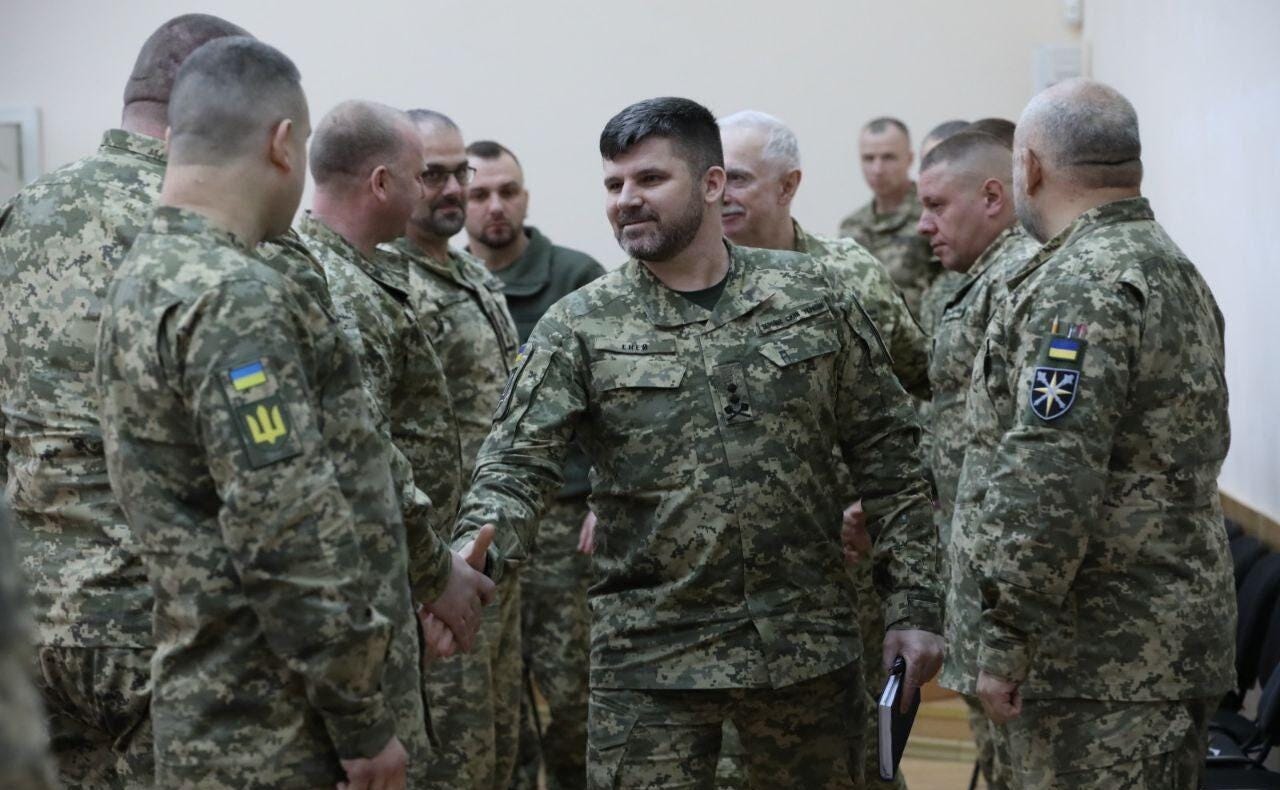
commanders were dismissed
replacements appointed
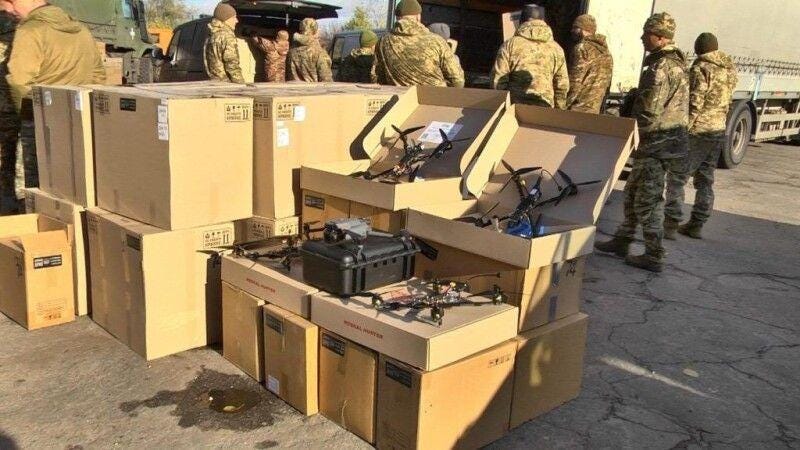
supplies delivered
contact made with families
The reaction came.
But it came after public pressure.
The problem was not only the shortage. It was that the shortage stayed hidden.
The front makes everything harder — but not everything is unavoidable
Logistics near Kupiansk is difficult:
crossings under fire
limited routes
reliance on drones and small craft
These are real constraints.
But they do not explain:
months without proper supply
lack of rotation
absence of escalation
Those are decisions.
This is where the human layer matters
The war is often described through:
positions
advances
losses
But here, the picture changes.
It becomes about:
whether food arrives
whether water is available
whether someone reports the truth
The line is held by people. Not by positions.
There is another side to this story
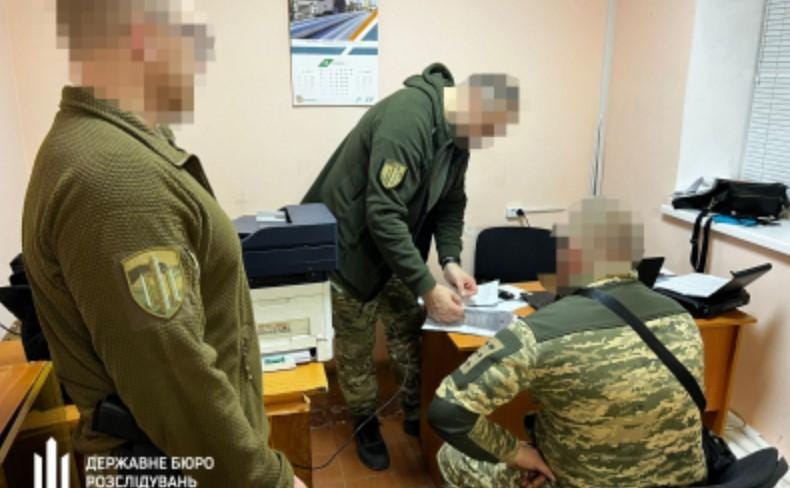
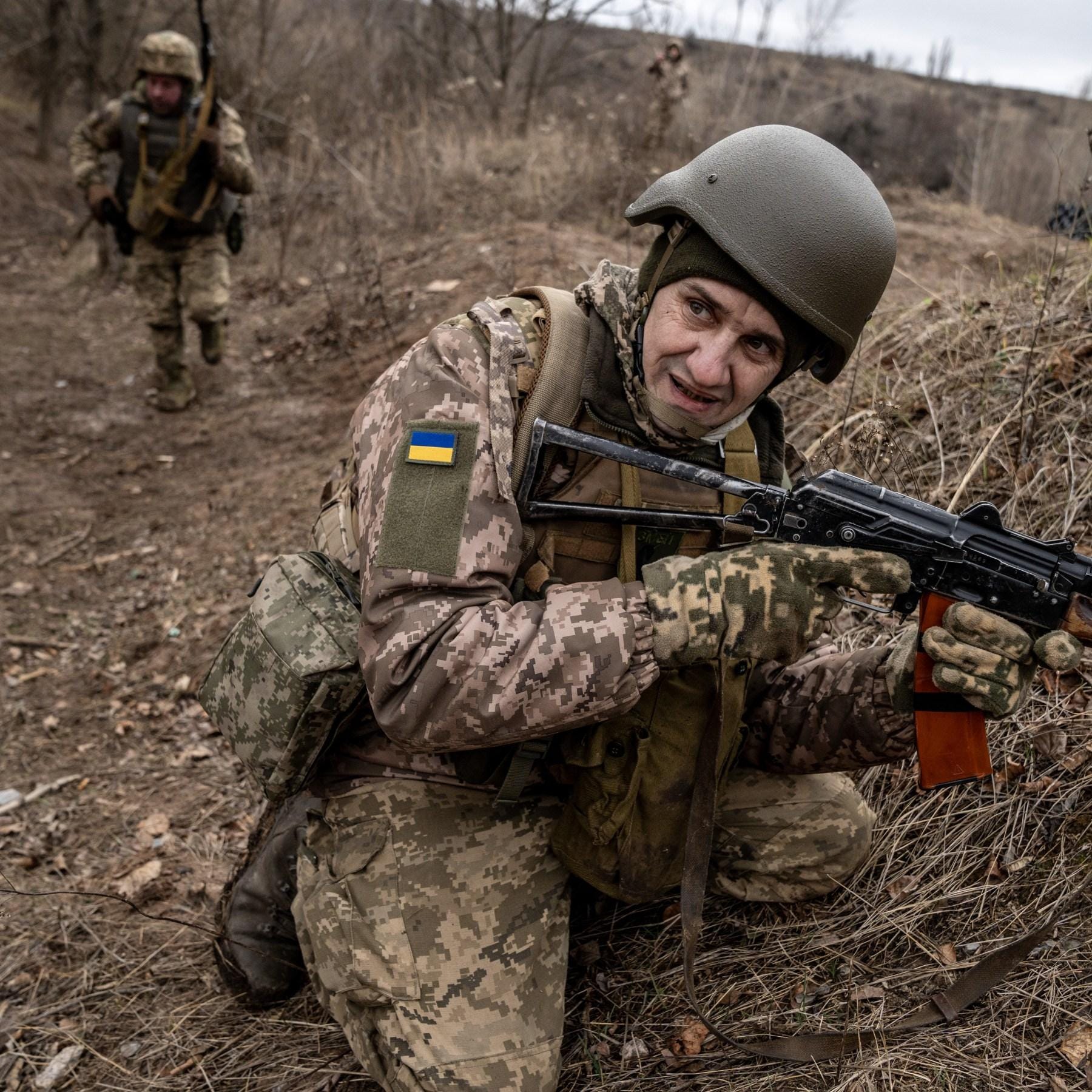
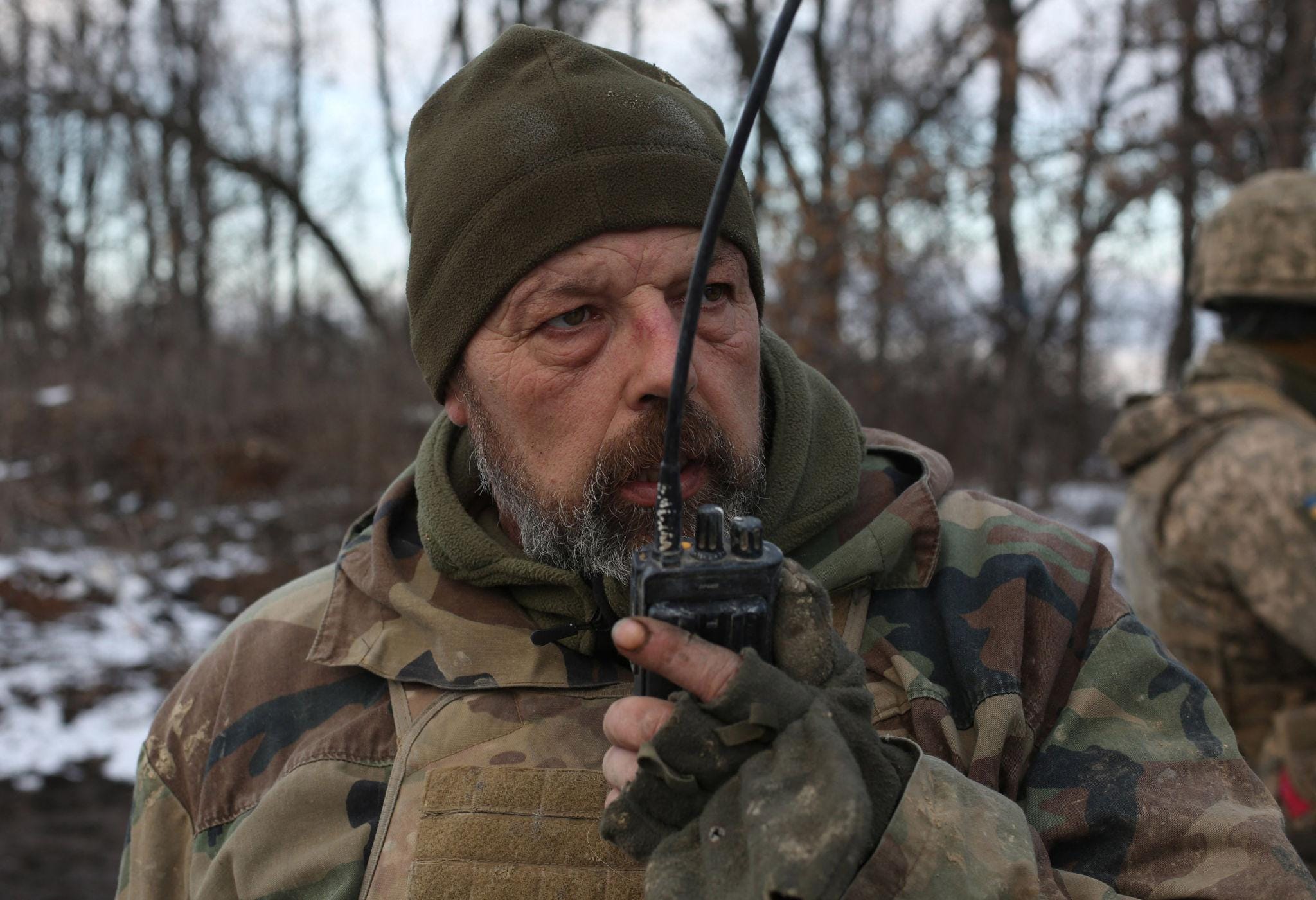
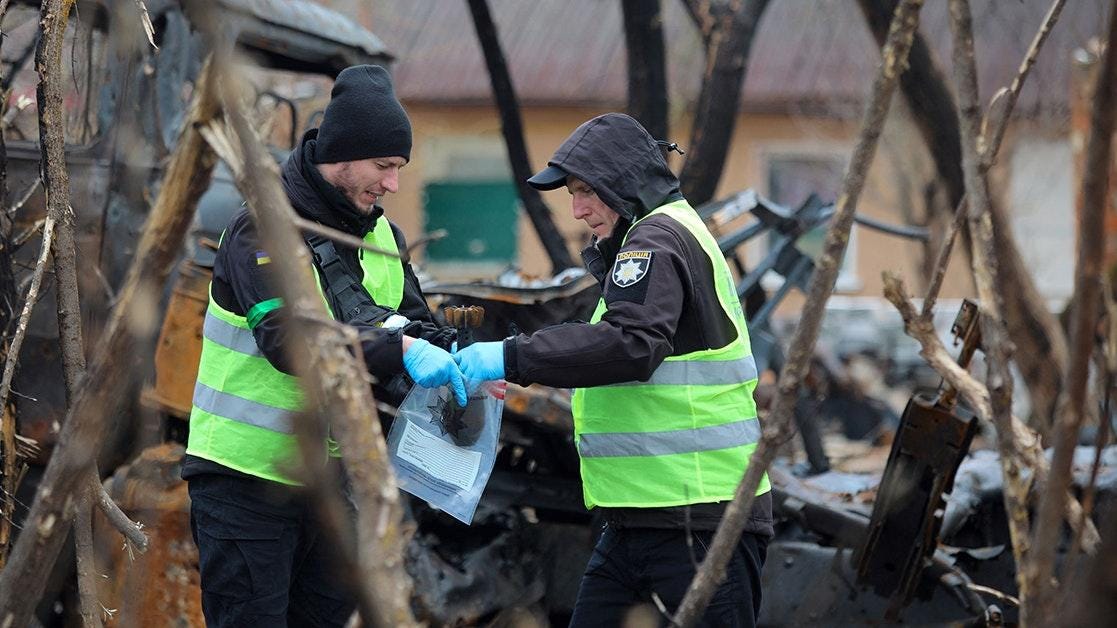
Something else happened:
the situation was acknowledged
an investigation was launched
senior command intervened
That matters.
Because it shows:
👉 problems can still be brought into the open
Not perfectly.
Not quickly enough.
But they are not completely buried.
Trust is part of the fight
Both sides face shortages in manpower.
Both depend on people continuing to show up.
When situations like this emerge:
trust is tested
willingness is affected
recruitment becomes harder
Not because of one incident.
But because of what it represents.
People do not leave only because of danger. They leave when they stop believing they are being looked after.
What this tells you about the war
The front near Kupiansk still holds.
That is important.
But this story shows something else:
holding is not the same as functioning
endurance has limits
small failures can build quietly
And sometimes:
👉 they only become visible when someone speaks out
CTA — Continue reading
If this piece makes sense, the next step is to see how people stay in place under this kind of pressure:
Then continue with: They Stay in Position — Because the System Keeps Them There

Reflexions
It is easy to look at a map and say:
“The line holds.”
But that does not tell you:
how it holds
what it costs
how close it is to failing
Those answers sit with the people who are still there.
The usual ending
You do not need to see the whole front.
You only need to see one place clearly.
Because what happens there
often tells you more than the map.
It’s free
However, if you find reason to support my research - I would be grateful for any contribution in the range of: 2 to 8 $.
Due to my poor navigation in the Substack system, contribution seems to have been impossible for a period. The system still troubles me. However, there are no restrictions. Everything is free and public.
Please do me the favour to restack.