
The War You Cannot Intercept
Why drones are not a weapons problem — but a systems problem the West has yet to solve

Reading time: 7 minutes
Prompted by Shankar Narayan
There is a tendency, still, to treat drones as a category of weapons.
Something to be countered.
Something to be intercepted.
Something to be added to existing doctrine.
That is the first mistake.
Because what Shankar describes is not a weapons shift.
It is a system shift.
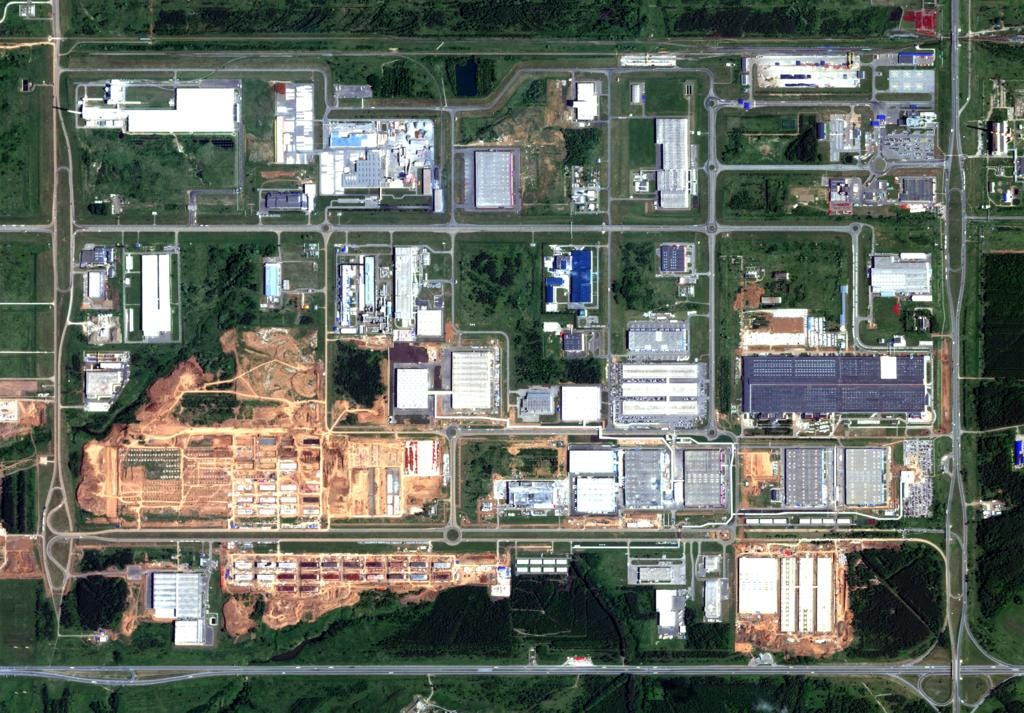
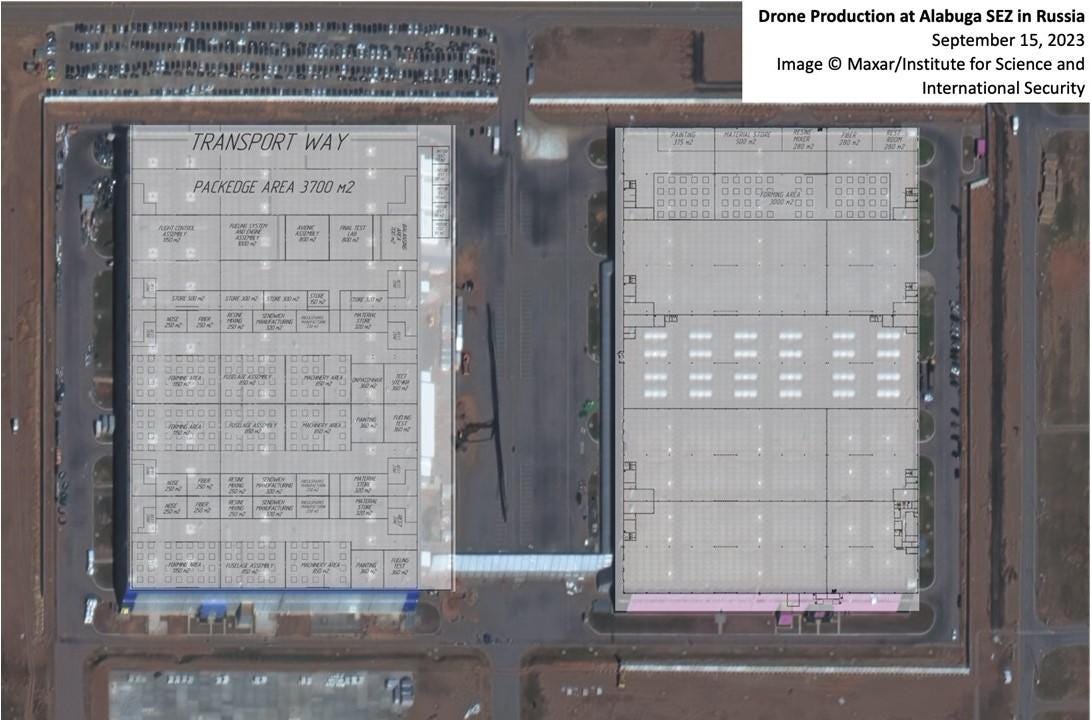
The factory is not the point
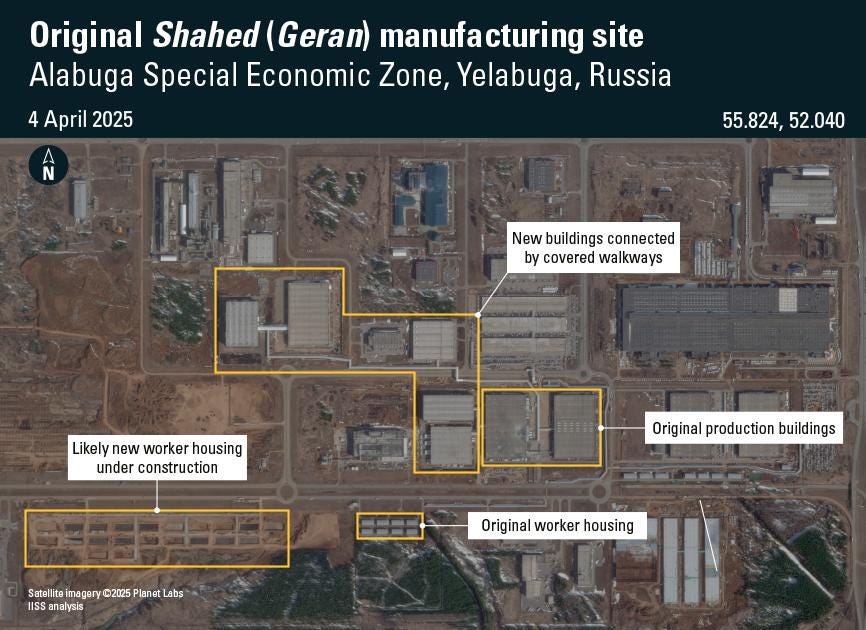
The Yelabuga complex matters.
Its scale matters.
Its output matters.
But the factory is not the real story.
“The factory is only half the problem.”
The real story is what sits behind it:
supply chains
production routines
software adaptation
industrial learning cycles
In other words:
👉 the ability to produce pressure continuously
And that is what changes the war.
The cost inversion
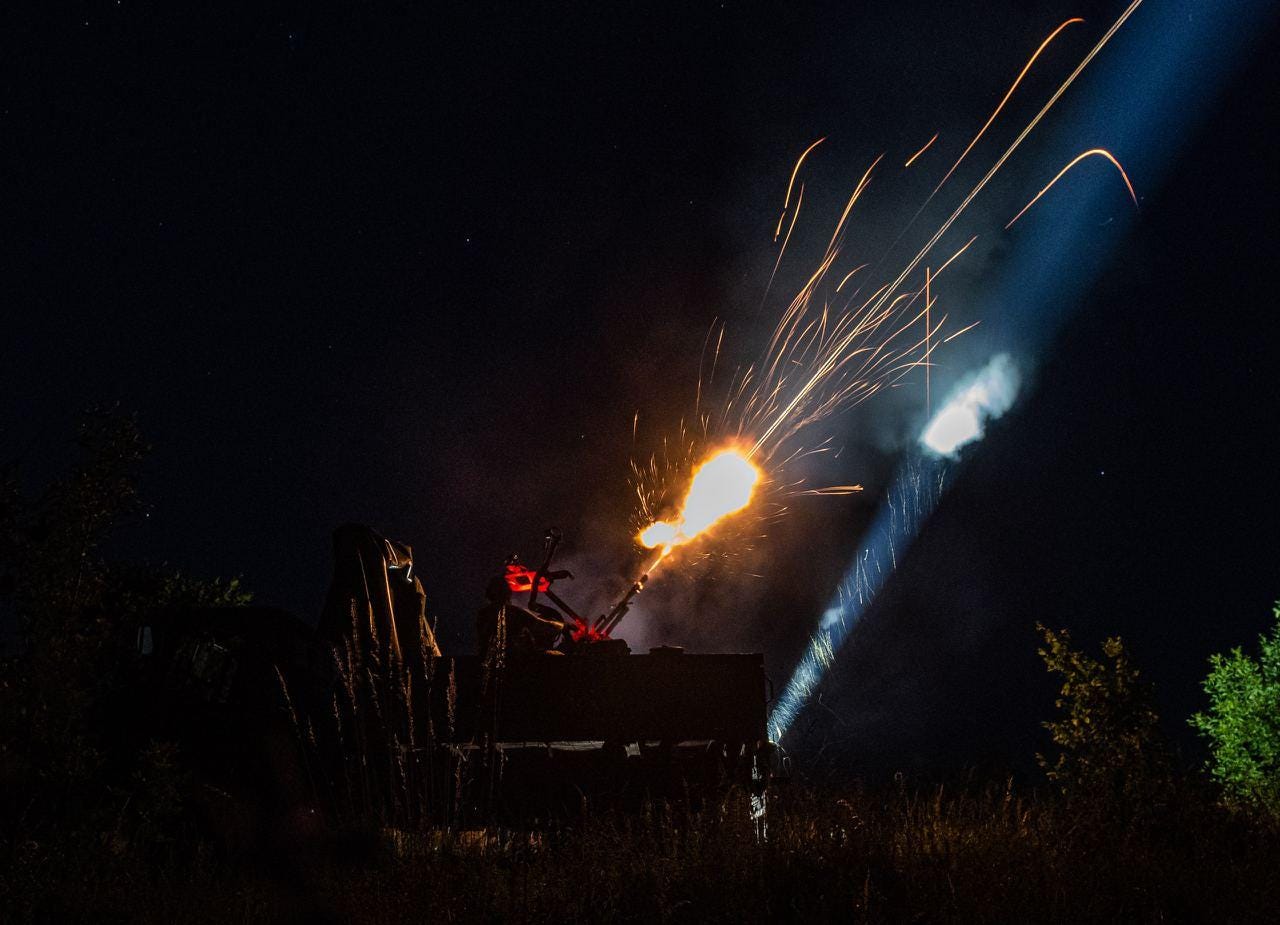
For decades, air defence followed a simple logic:
👉 expensive systems defeat expensive threats
Drones break that logic.
Now:
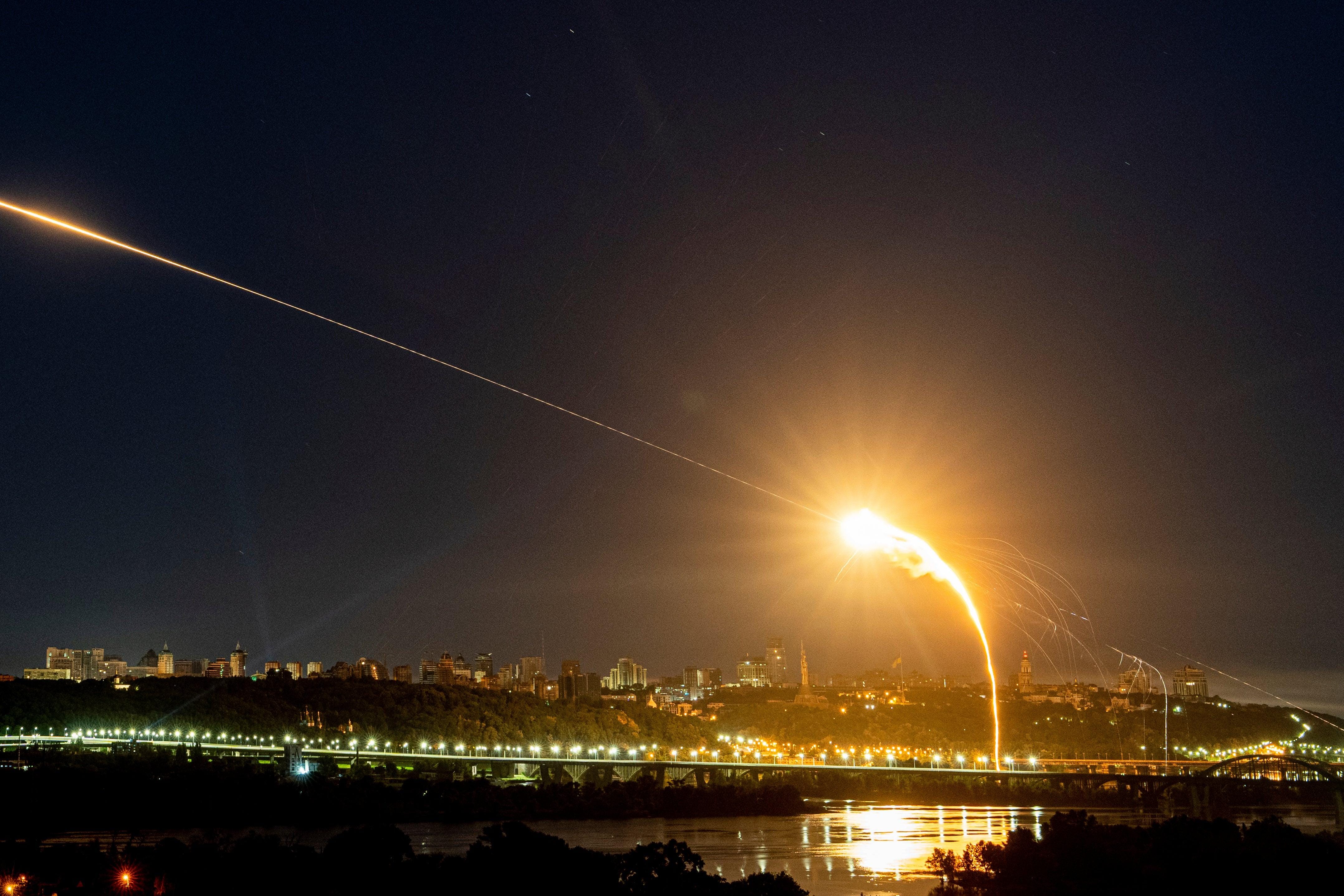
a cheap drone forces an expensive response
a swarm forces many responses
saturation forces failure
“They are not trying to land every drone.”
Exactly.
Because they do not need to.
They only need to change the economics of defence.
Interceptors are not a solution
The Western instinct is predictable:
👉 buy more interceptors
It feels decisive.
It feels measurable.
It feels like control.
But it is not.
“Comfort is not competence.”
Because interceptors operate at the end of the chain.
By the time you are firing them:
detection has already failed partially
disruption has not occurred
the system is already under stress
You are not preventing the attack.
You are absorbing it at cost.
What Ukraine actually built
This is where the analysis becomes decisive.
Ukraine did not just respond.
It reconfigured the system.
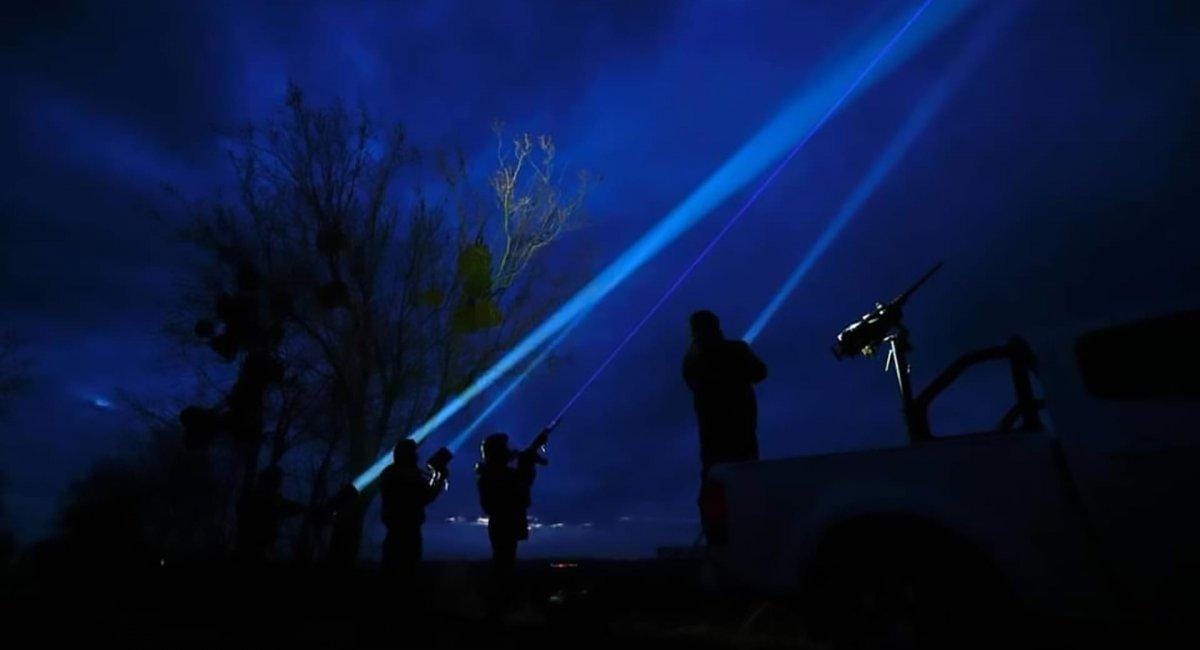
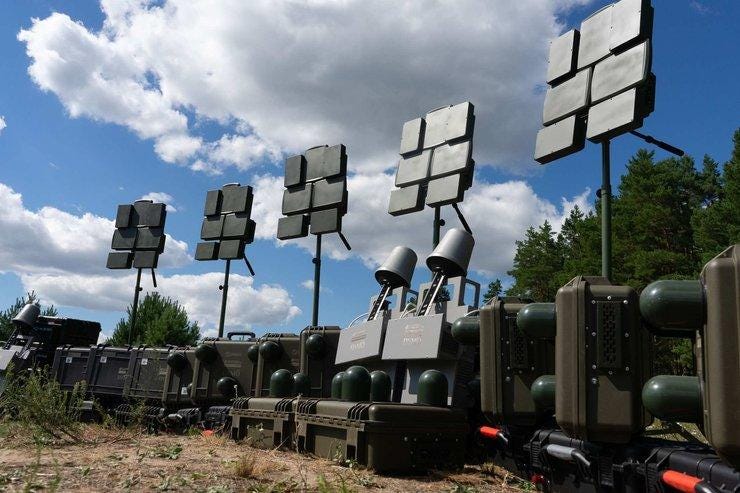
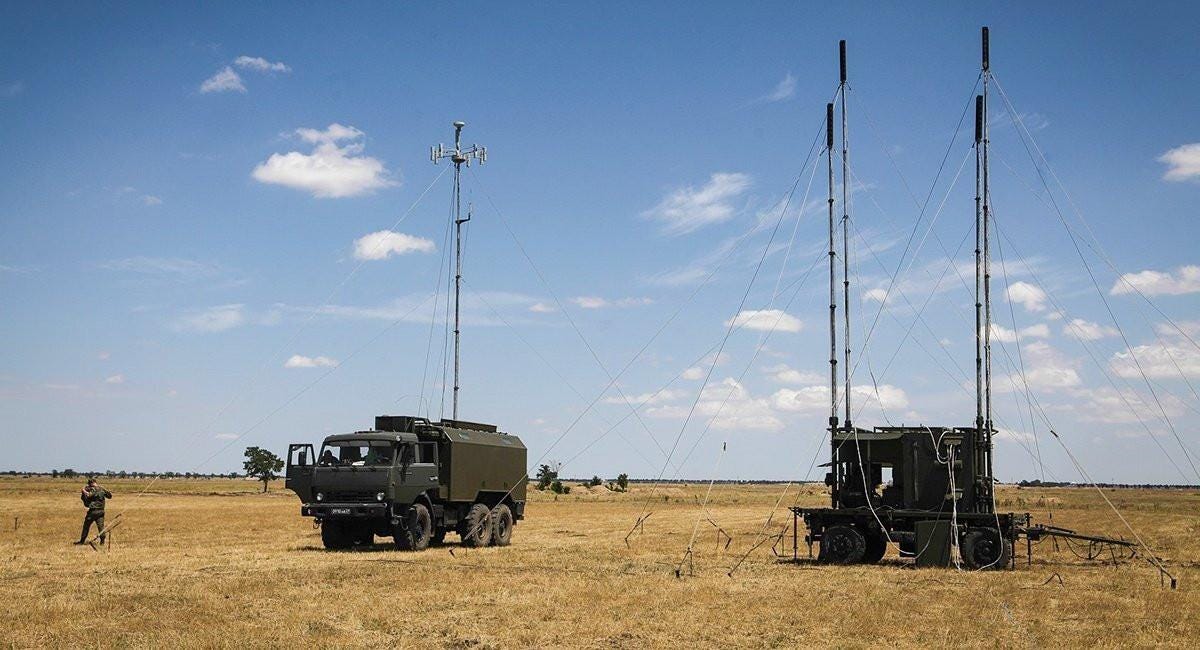
electronic warfare to degrade accuracy
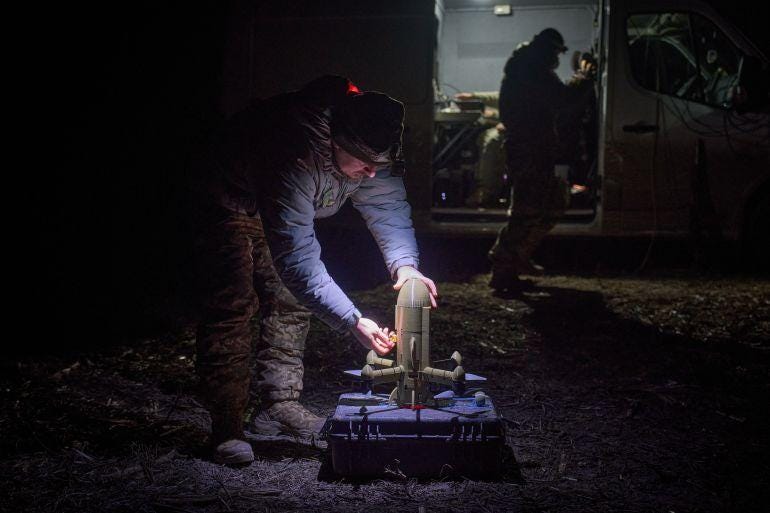
distributed production to absorb strikes
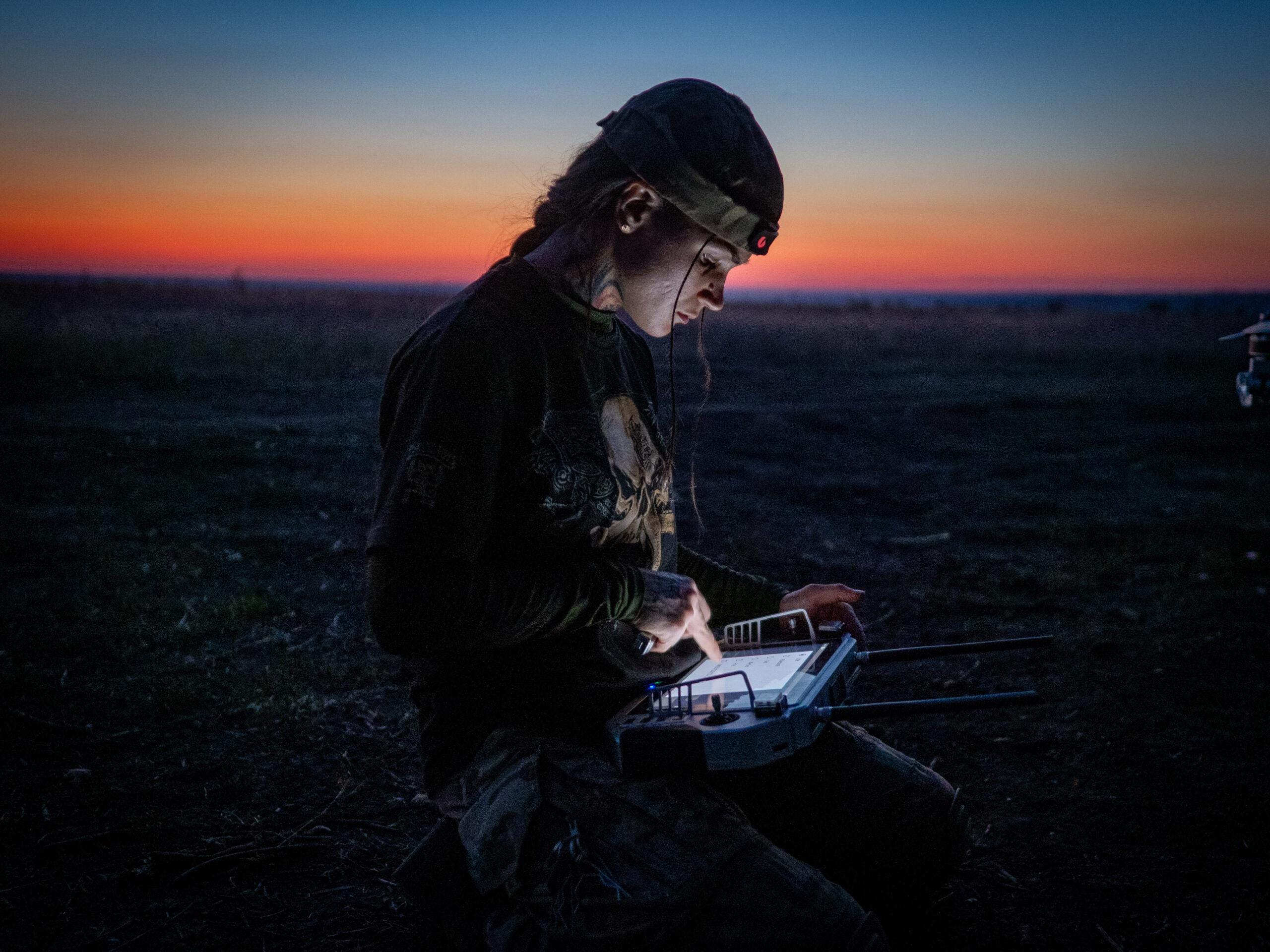
software adaptation to evolve faster than the threat
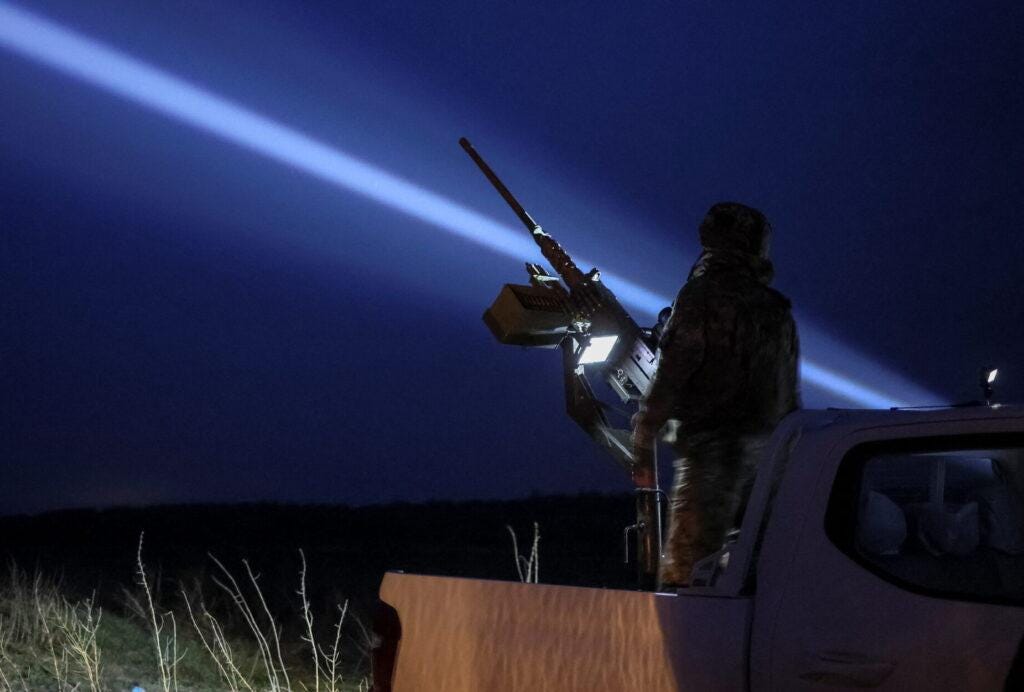
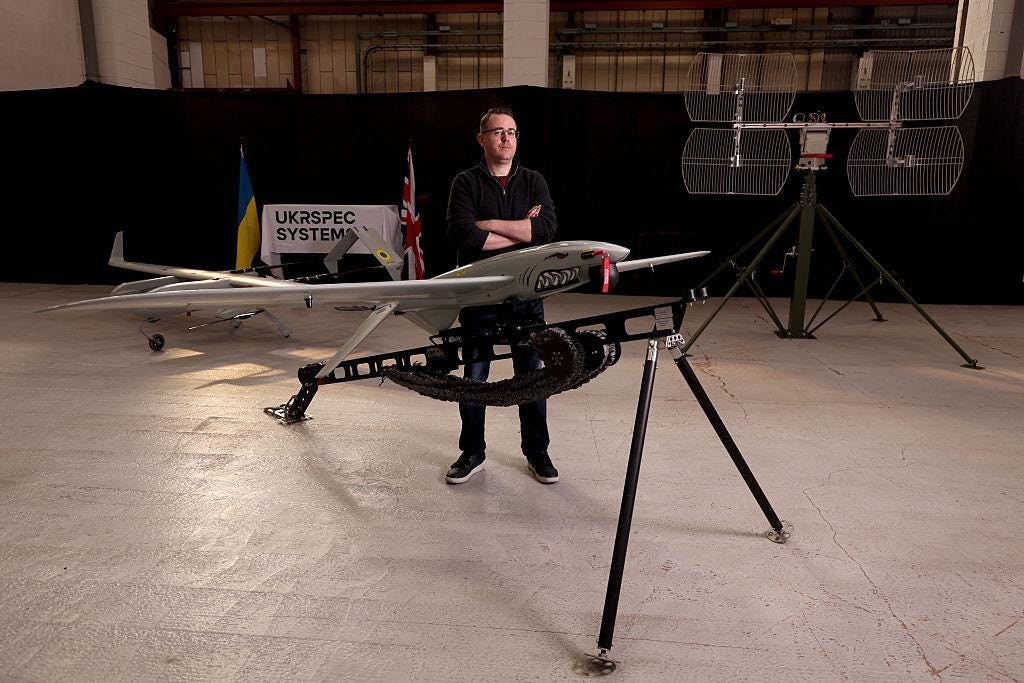
layered defence to reduce cost per engagement
And most importantly:
👉 an industrial feedback loop
200 companies.
Constant iteration.
Continuous adjustment.
This is not defence.
It is metabolism.
The war becomes a system
Once drones scale, the battlefield changes.
It is no longer about:
platforms
or individual engagements
It becomes about:
production vs destruction
adaptation vs rigidity
system vs system
And in that kind of war:
👉 speed matters more than inventory
👉 learning matters more than stockpiles
The Western gap
The uncomfortable truth in Shankar’s piece is not technological.
It is structural.
The West still thinks in terms of:
procurement cycles
platform acquisition
linear capability building
But drone warfare operates differently:
rapid iteration
decentralised innovation
continuous deployment
Which means:
👉 the West is not just under-equipped
👉 it is misaligned
What must change
The conclusion is not subtle.
You cannot buy your way out of this problem.
You have to:
build with Ukraine
integrate into its adaptation cycle
accept continuous change as the baseline
Because the alternative is clear:
absorb cost
lose efficiency
fall behind
and eventually lose coherence
CTA
If you are new, start here:

This war is not decided on the map —
but by the system behind it.
The usual ending
Most people are still watching the sky.
Counting drones.
Counting interceptions.
But the outcome is not decided there.
It is decided in:
factories
code
supply chains
and time
And in that war,
the side that builds the better system
does not just defend itself.
It wins.
It is free