
The War Comes Home
Why Ukraine sends drones to Moscow

Reading time
4 minutes
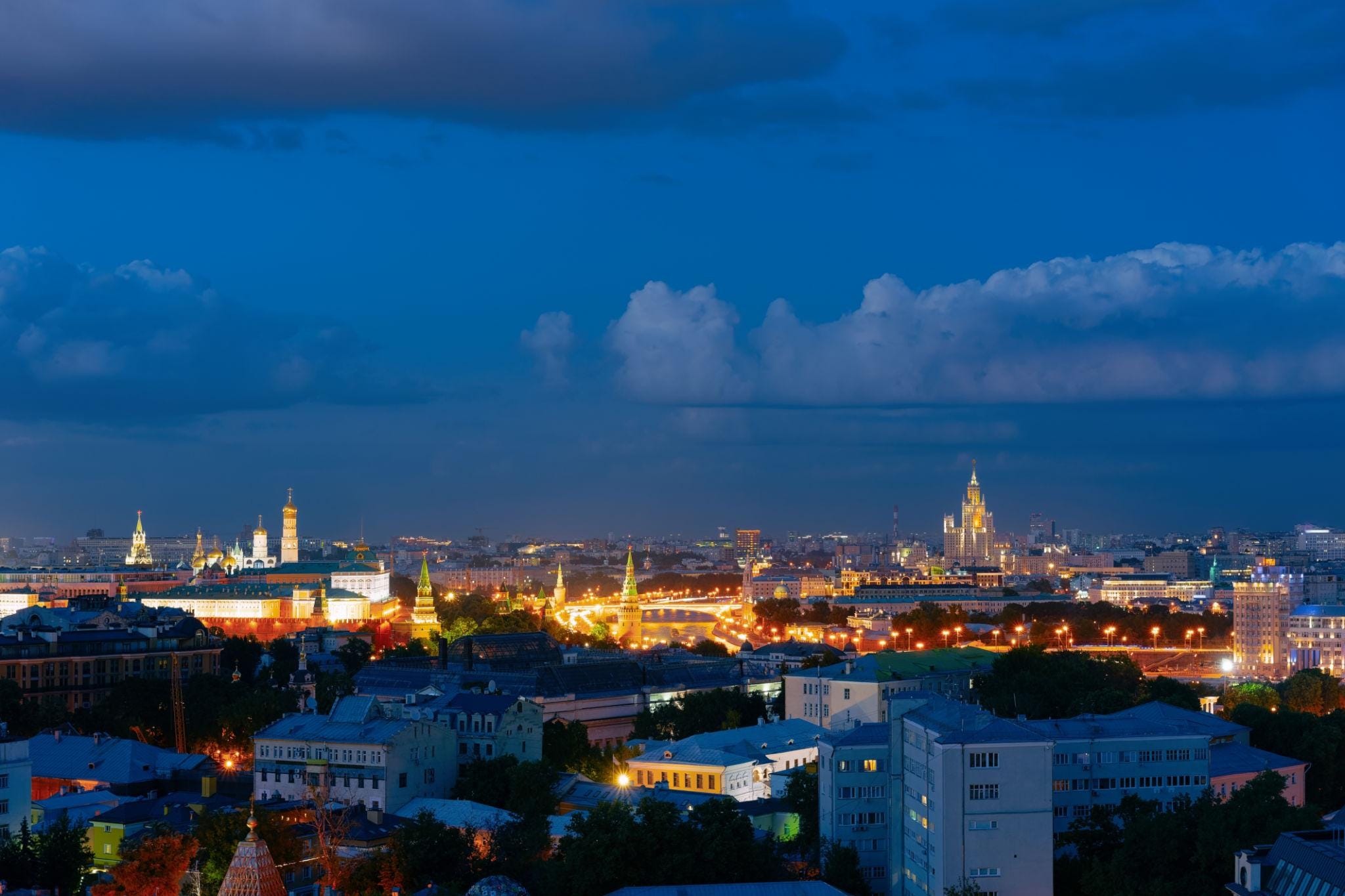
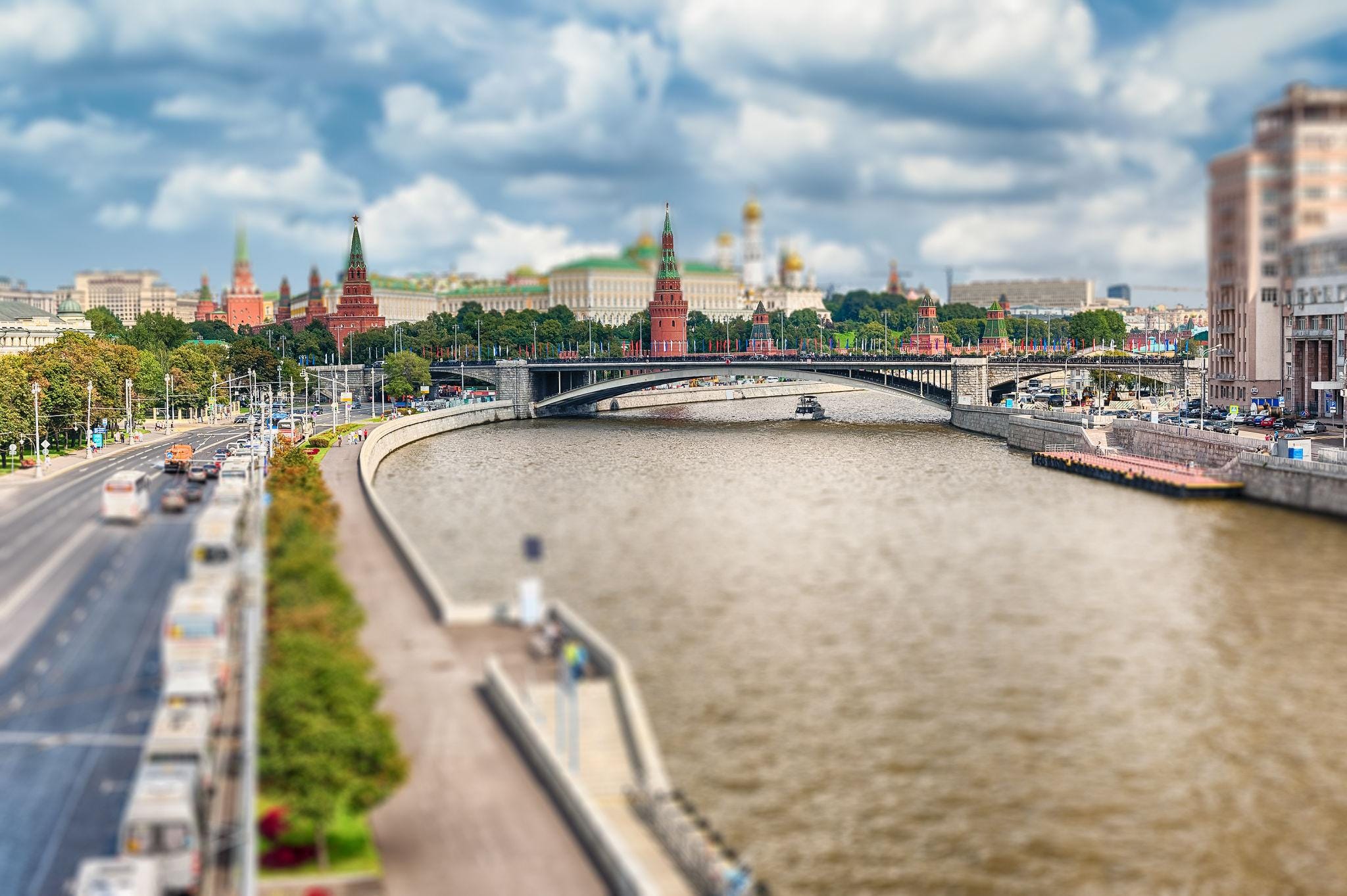
For most of the war, the Kremlin tried to keep the conflict at a distance.
The fighting was presented as something happening far away — in Ukrainian cities most Russians would never visit and along front lines they would never see.
That distance was politically useful. Wars are easier to manage when they feel remote.
But Ukraine has begun to challenge that distance.
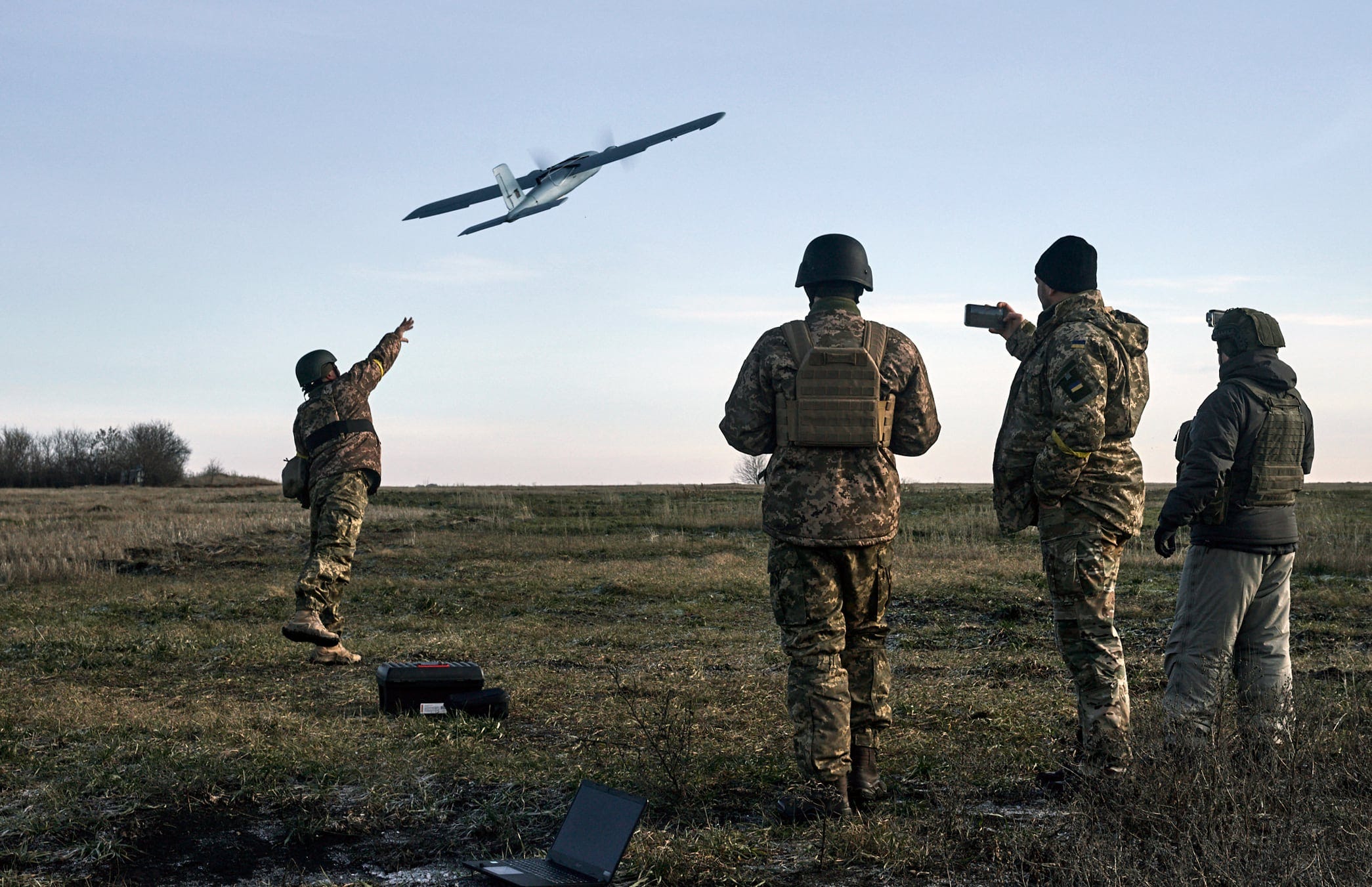
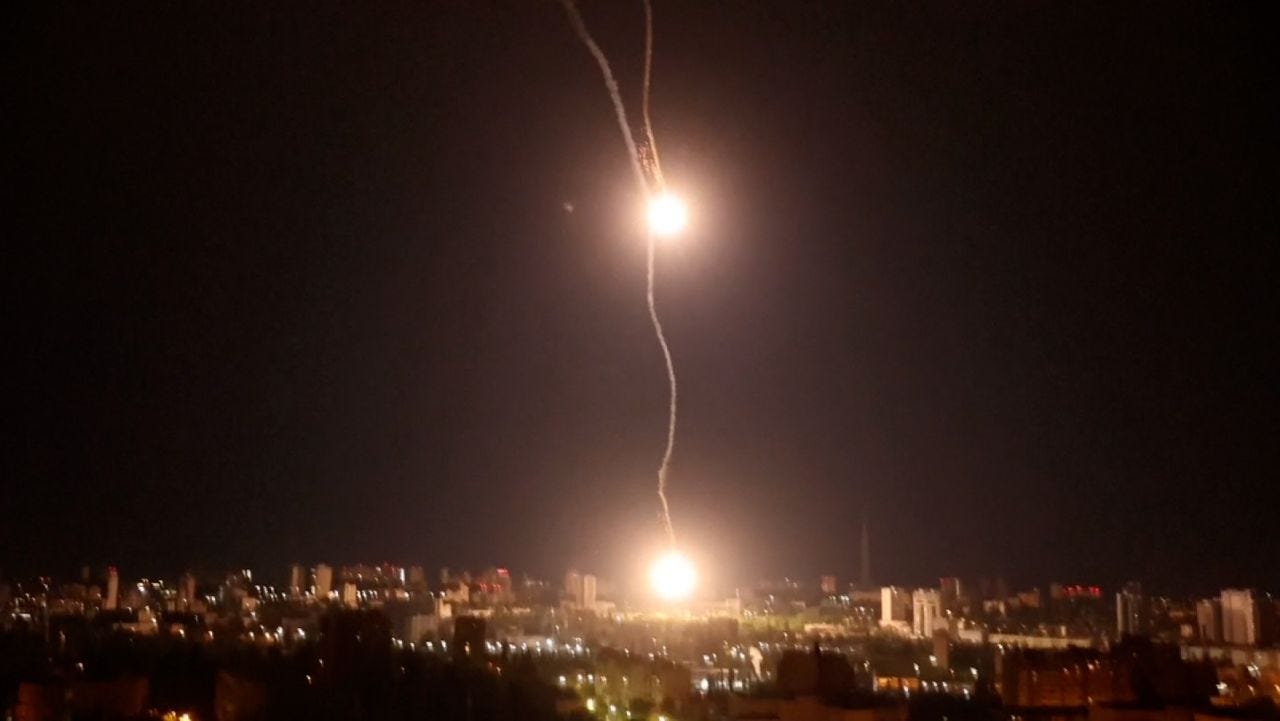
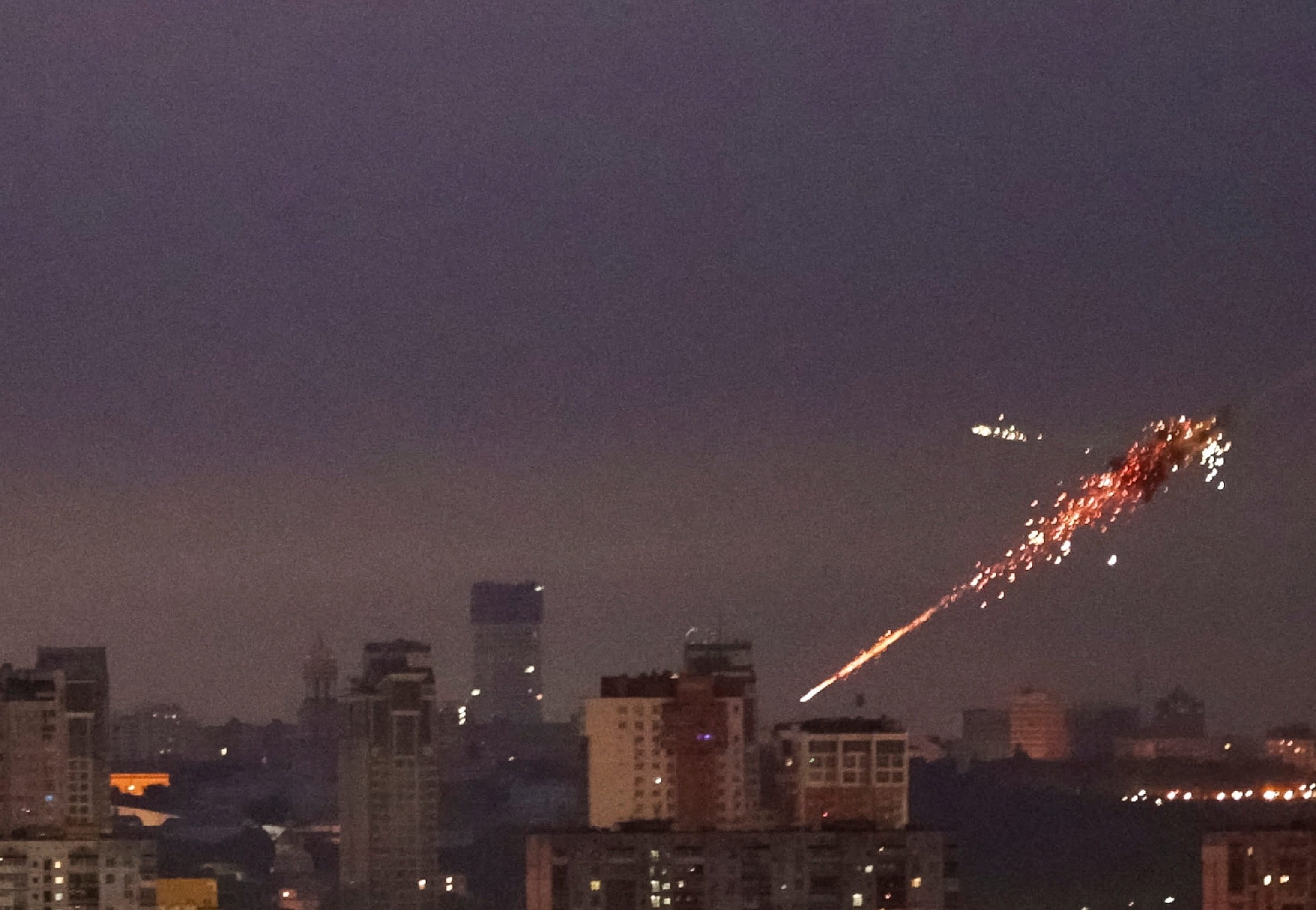
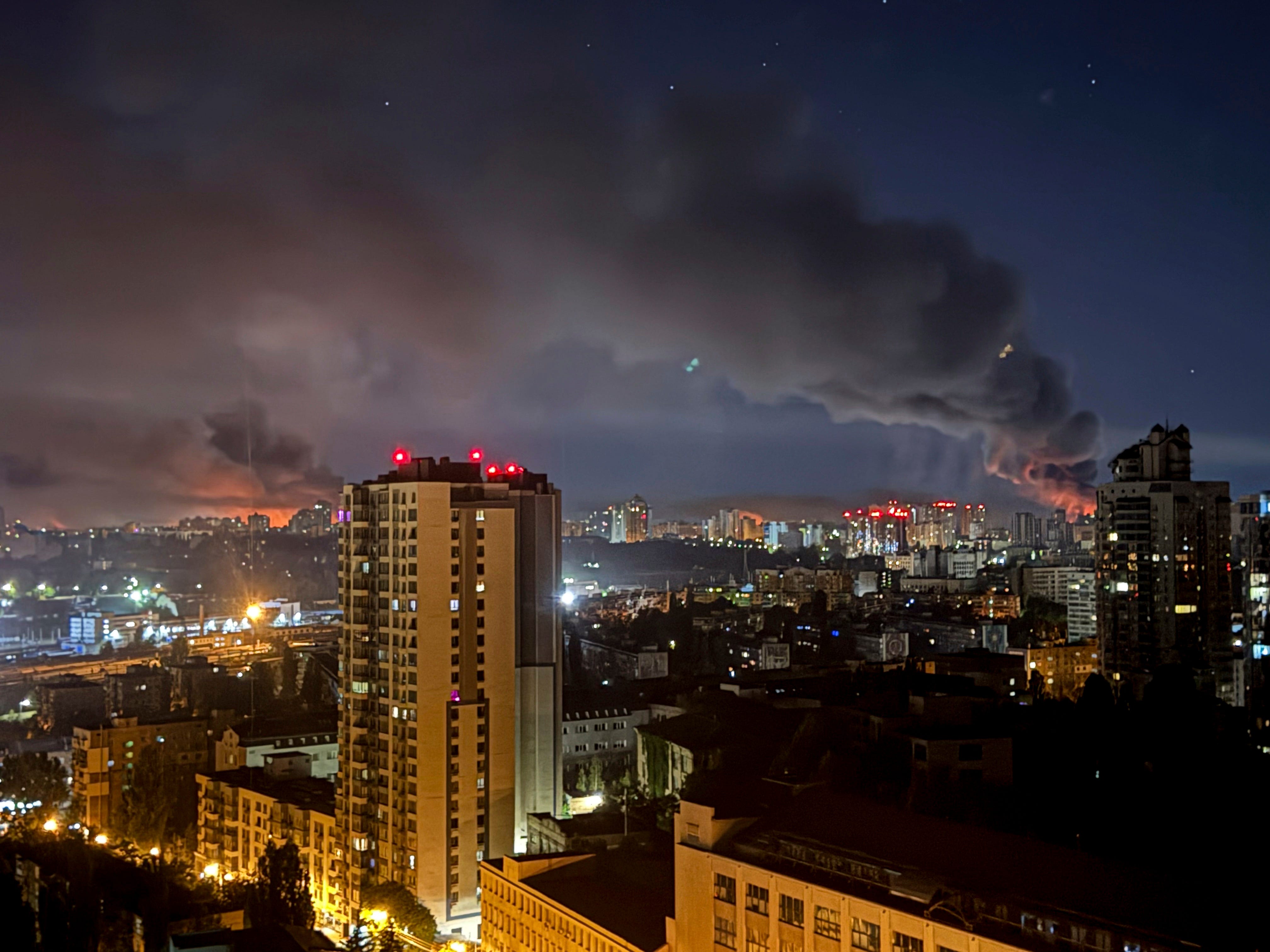
Long-range drones are increasingly reaching the Moscow region. The attacks are small in military terms, yet their political and psychological meaning is far greater than their explosive power.
Ukraine is not only striking targets.
It is changing the geography of the war.
When drones reach the capital, the war is no longer somewhere else.
A different kind of deep strike
In traditional warfare, deep strikes aim to destroy strategic assets: factories, logistics hubs, command centres.
Ukraine’s drone strikes sometimes hit such targets, but their broader purpose is more subtle.
They stretch Russian air defences.
They force the Kremlin to disperse resources.
And they create uncertainty in the very centre of political power.
Each intercepted drone still carries a message.
Russia cannot entirely seal its own skies.
That matters in a system where authority depends heavily on the perception of control.
The psychology of proximity
Modern war is not only about destroying equipment or occupying territory.
It is also about shaping perception.
For much of the Russian population, the war in Ukraine has been experienced indirectly — through television, official statements, and carefully managed information.
Drone strikes near Moscow disturb that distance.
They remind citizens that the war is not confined to distant provinces or contested border regions.
It exists within the same airspace as the capital.
That shift in perception can be strategically powerful.
A drone that reaches Moscow can alter perception more than many that strike the front line.
Technology and asymmetry
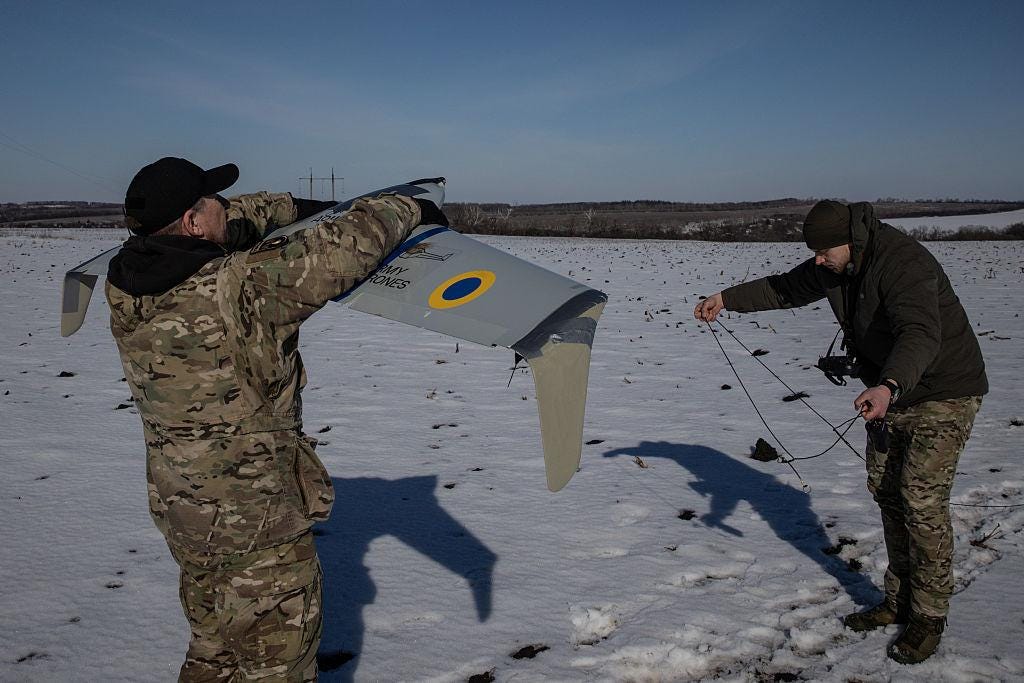
Ukraine’s drone campaign illustrates a broader transformation in warfare.
Relatively inexpensive technologies can now reach deep into the territory of much larger powers.
Long-range drones cannot defeat Russia by themselves.
But they can complicate its strategic environment.
They force constant vigilance.
They stretch defensive systems.
And they introduce uncertainty where stability once seemed guaranteed.
In modern war, even modest tools can produce disproportionate effects.
When wars change shape
The appearance of Ukrainian drones over Moscow does not mean the front line is collapsing.
But it signals something important.
Wars rarely remain confined to the places where they begin.
They expand into infrastructure, economies, and the psychological space of societies.
Ukraine’s drone strategy reflects that reality.
Each strike carries not only explosives but also a message.
The war cannot remain distant.
In modern conflict, the battlefield extends far beyond the front line.
Credit and context
This reflection was partly inspired by analysis from Shaun Pinner, whose commentary on Ukraine’s evolving drone strategy highlights the changing nature of modern warfare.
Humble request
And please consider joining the discussion.
And maybe find a reason for a restack.
Very good article, I am pleased that the Russian populace is facing retributive justice. All civilian deaths in wars in unconscionable but only the Russian people can affect the course of Putin’s aggression.