
The Quiet Front - Guarantees Without Power
Why “security guarantees” are becoming the language of managed risk, not victory

Reading time: 6–7 minutes
Credit to Shaun
Introduction
Most people are asking the wrong question.
They are asking whether Ukraine can trust security guarantees.
But that is not the real issue.
The real issue is why guarantees are being offered in place of power.
The Offer Behind the Language
Shaun Pinner raises a critical point: what are these guarantees actually worth?
Recent proposals attributed to Washington suggest a familiar pattern.
Ukraine is asked to concede territory. In return, it receives assurances.
On paper, this looks like diplomacy.
In practice, it looks like substitution.
Territory now. Promises later.
Pull quote
“This is not a guarantee. It is a substitution.”
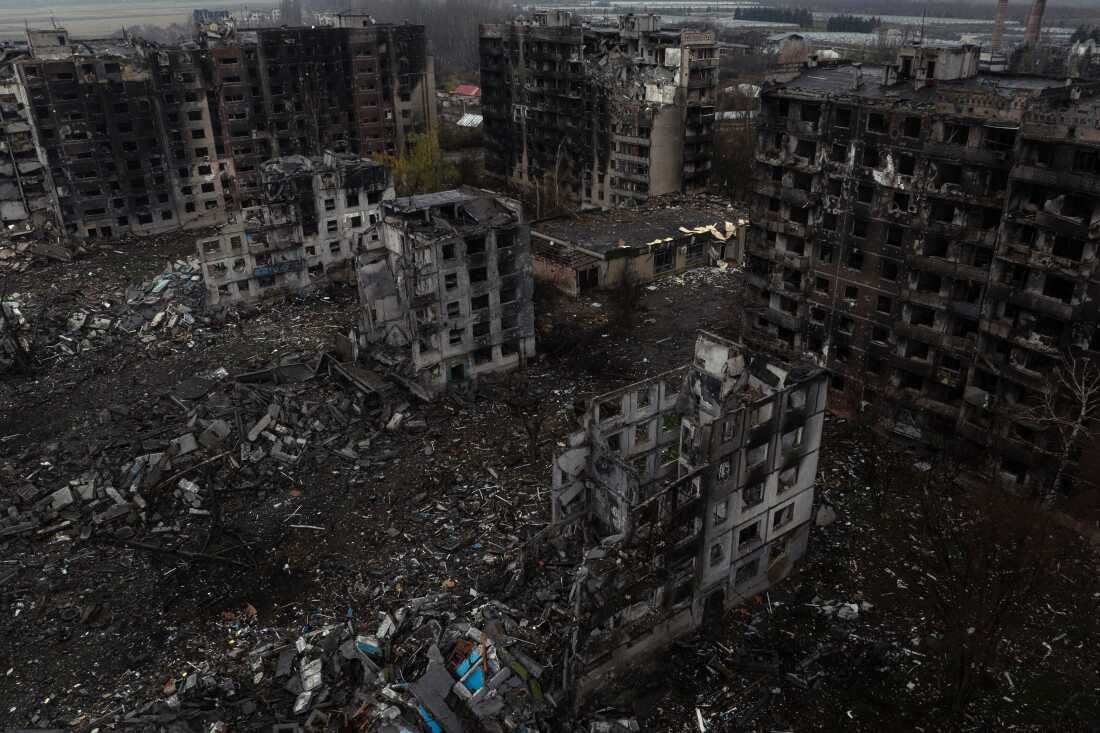
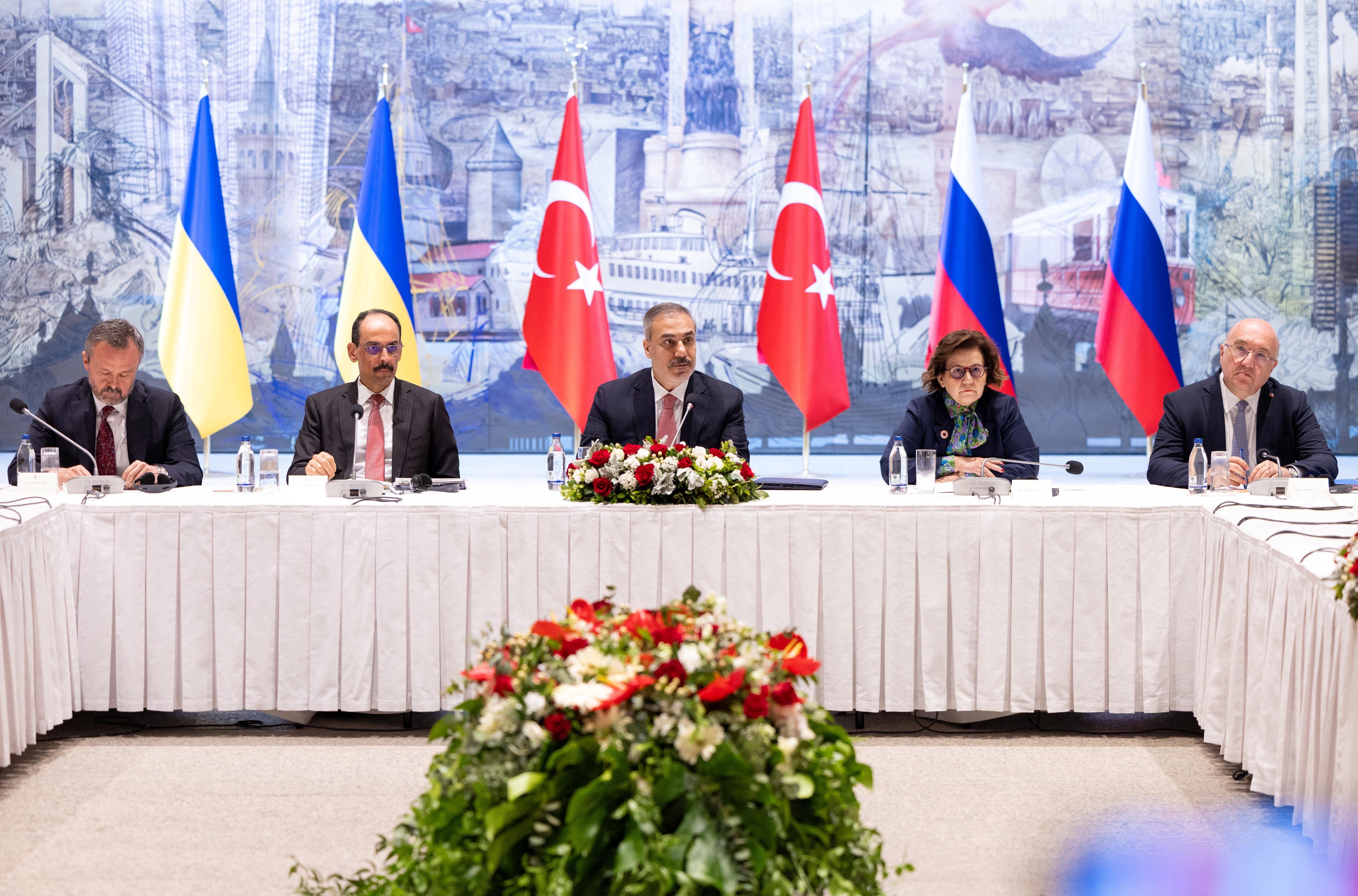
IMAGE 1 — Diplomacy vs Reality
The First Problem: Guarantees Without Systems
Modern war is not decided by declarations.
It is decided by systems:
Industrial capacity
Energy supply
Financial endurance
Production of weapons at scale
A guarantee only matters if it is backed by these.
Without them, it is political language detached from operational reality.
Ukraine already understands this. It has been forced to.
“In modern war, a guarantee without systems is just a delayed disappointment.”
The Second Problem: The Ceiling of Deterrence
The credibility gap is not abstract.
It has been clearly signalled.
Donald Trump and others have made it explicit: there will be no direct war with Russia.
That single assumption reshapes everything.
It defines a ceiling.
And ceilings in war are dangerous.
Because they tell your adversary exactly how far they can go.
Russia does not need to guess where escalation triggers lie.
It has been told.
“A guarantee that excludes enforcement is not deterrence. It is a boundary.”
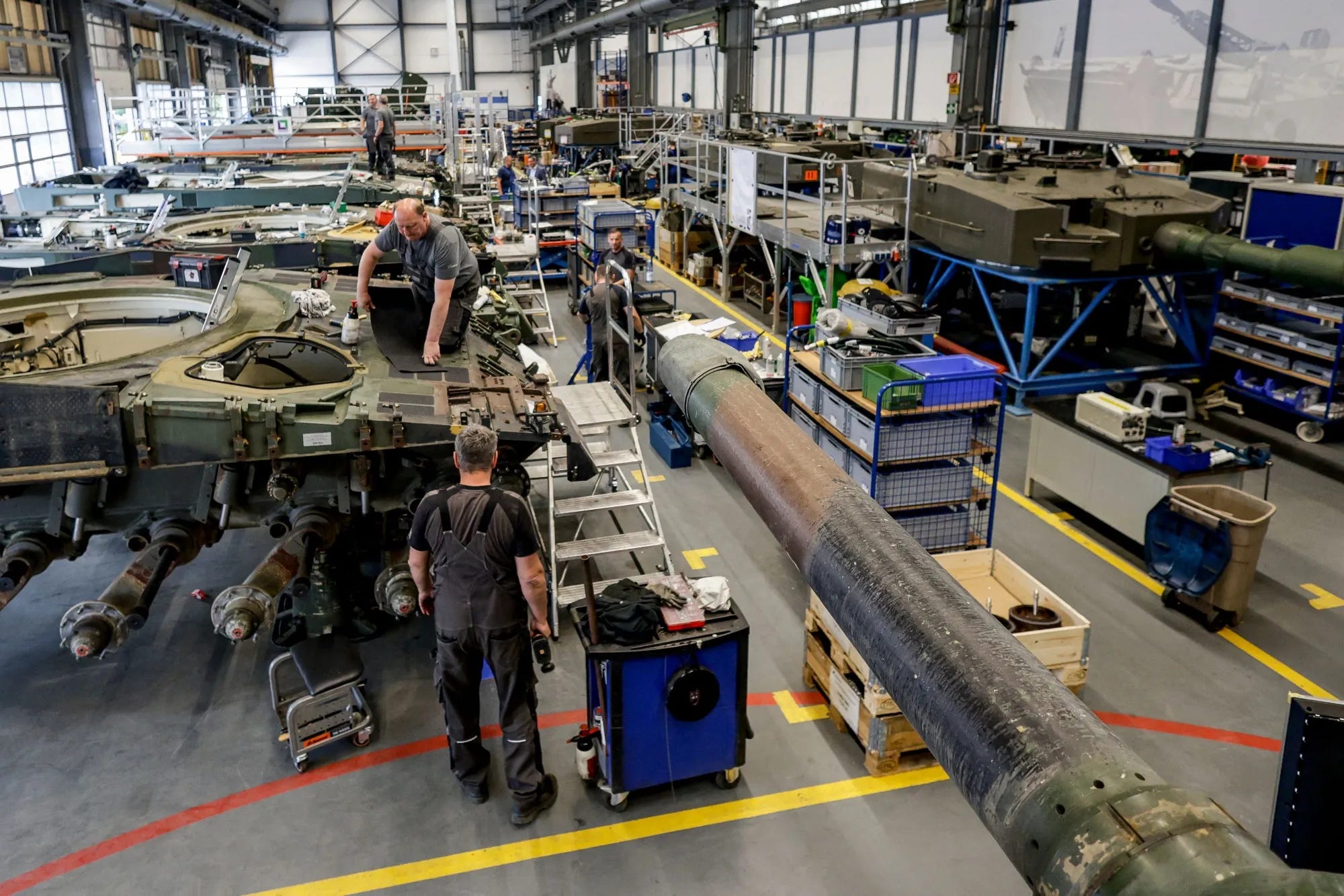
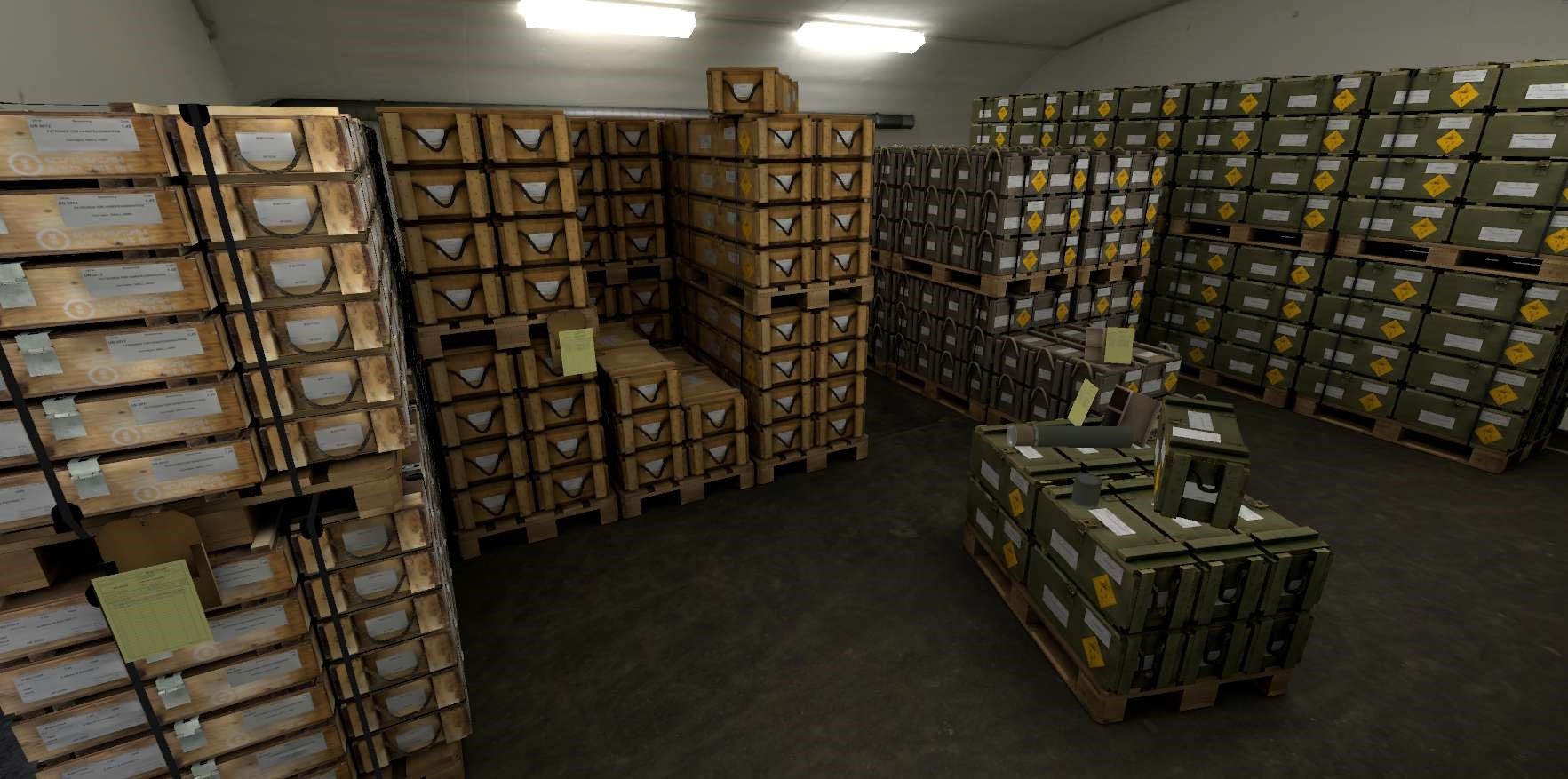
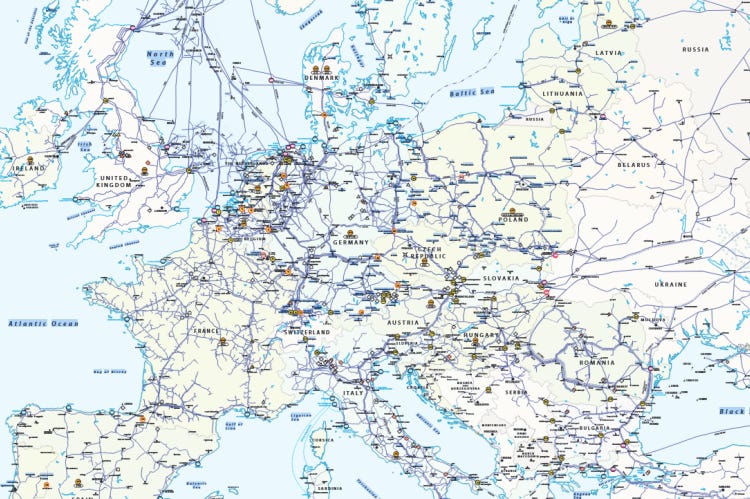
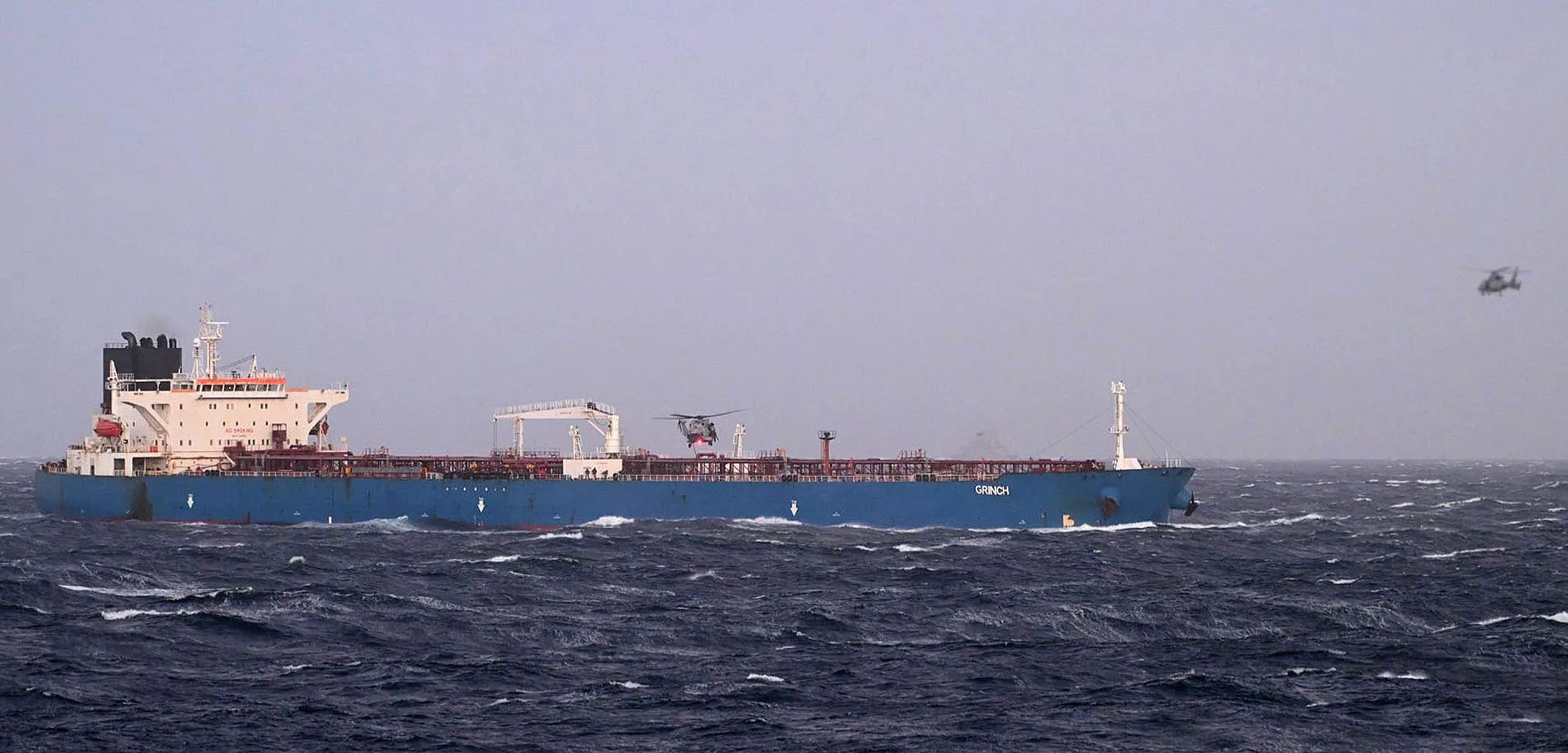
IMAGE 2 — Power Behind Guarantees
The Translation Problem
What we are witnessing is not just policy failure.
It is a failure of translation.
Ukraine, Russia, and the United States are not speaking the same strategic language.
Ukraine is fighting for survival
Russia is fighting for revision
The United States is increasingly managing risk
These are not compatible goals.
So diplomacy fills the gap with language.
“Guarantees.”
“Frameworks.”
“Off-ramps.”
But these words do not resolve the underlying conflict.
They obscure it.
This is the core of the problem.
Not bad intentions.
But incompatible logics.
“This is not a negotiation. It is an attempt to translate incompatible strategic realities.”
Why the Pressure Falls on Kyiv
There is a pattern here.
Pressure is rarely symmetrical.
It flows toward the predictable actor.
Russia escalates to change reality
Ukraine resists to preserve it
Western policy tries to stabilise it
Only one of these actors can be expected to compromise within a rules-based framework.
So the pressure moves in that direction.
This is not fairness.
It is structural logic.
IMAGE 3 — The Quiet Front
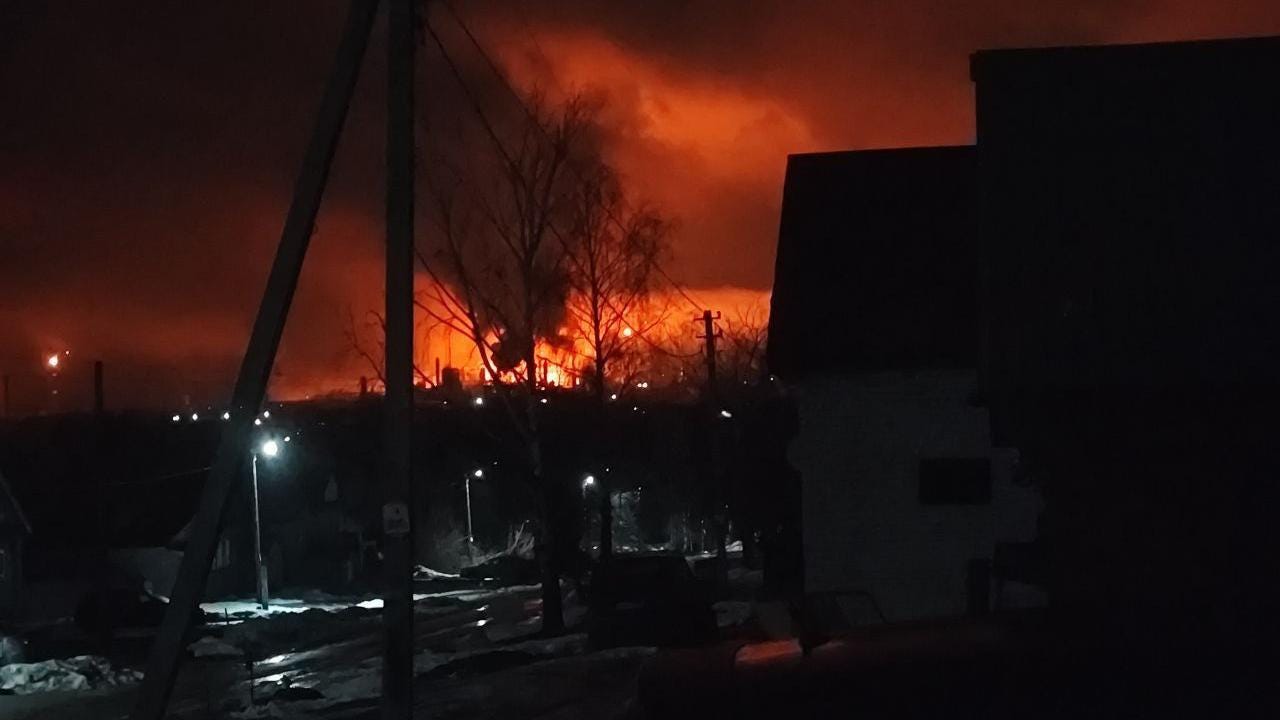
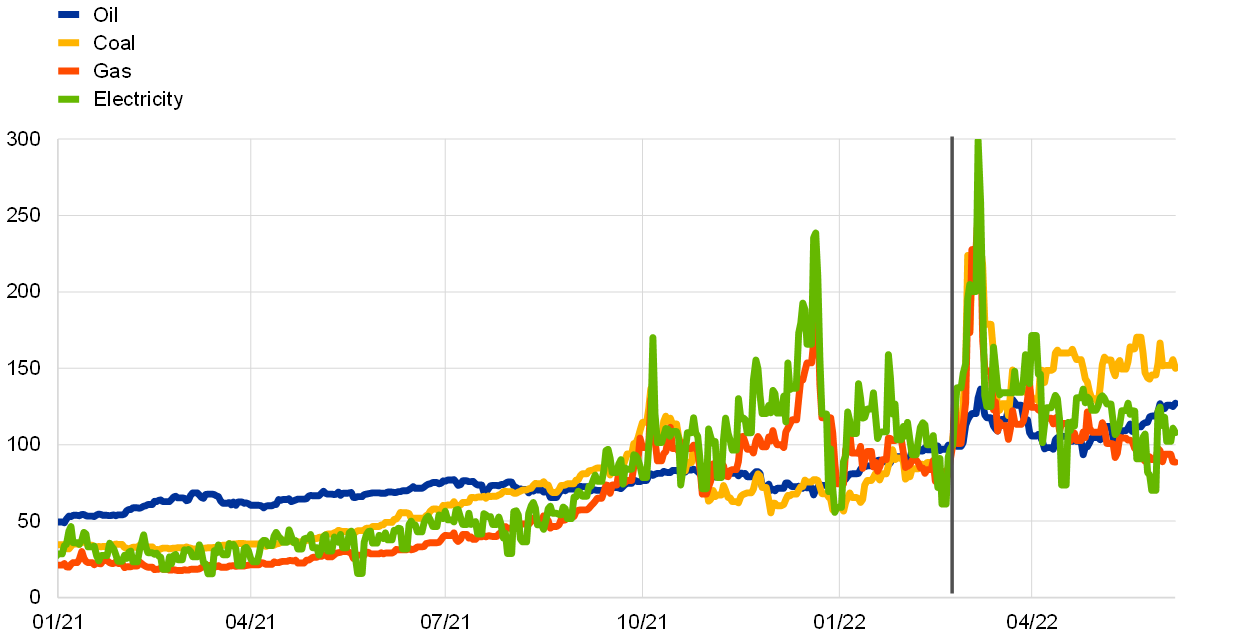
The Quiet Front
This is where your wider framework comes in.
What looks like diplomacy is part of something larger.
A multi-layered pressure system:
Military pressure on the battlefield
Economic pressure through energy systems
Financial pressure through sanctions and markets
Diplomatic pressure framed as “peace”
Different instruments.
Same direction.
This is not a peace process.
It is escalation management.
What Guarantees Are Really Worth
So we return to the central question.
What are these guarantees worth?
They are worth exactly one thing:
The willingness to enforce them.
Right now, that willingness appears conditional.
Limited.
Politically constrained.
And that signal will be read clearly in Moscow.
Ukraine already understands it.
That is why it continues to invest not in guarantees—
—but in production, drones, and long-range strike capacity.
In other words: in power.
“In the end, security is not guaranteed. It is built.”
Closing
This is the Quiet Front.
Not the war of maps.
But the war beneath them.
Where language tries to manage reality—
and power ultimately decides it.
CTA
If you found this analysis useful, consider subscribing.
This publication focuses on the strategic logic behind war, power, and international politics.
Please find below one of my articles in the series: “Lost in Translation”.