
The Quiet Front is where pressure starts — even when the effects are no longer quiet
Canada, the Arctic, and the War Behind the War

Reading time: 6–7 minutes
Credit to Shankar
Intro
Most people think Canada is reorganising its army.
It isn’t.
It is reorganising how it understands war.
Because the war now unfolding—from Ukraine to the Baltic to the Arctic—is not defined by front lines.
It is defined by systems.
And systems do not break the way armies do.
The shift no one is naming
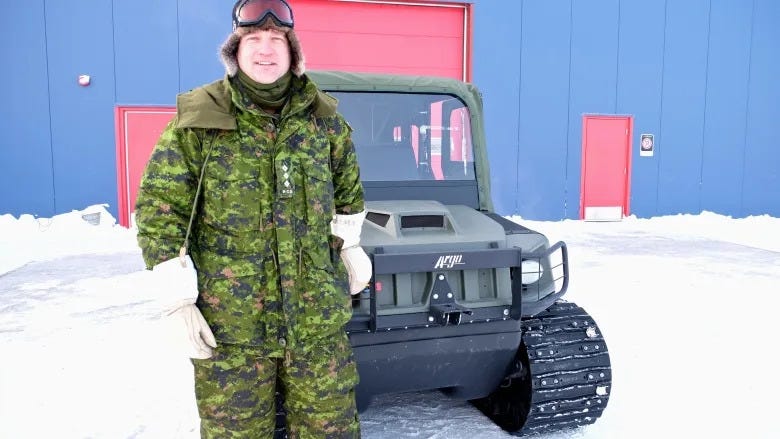
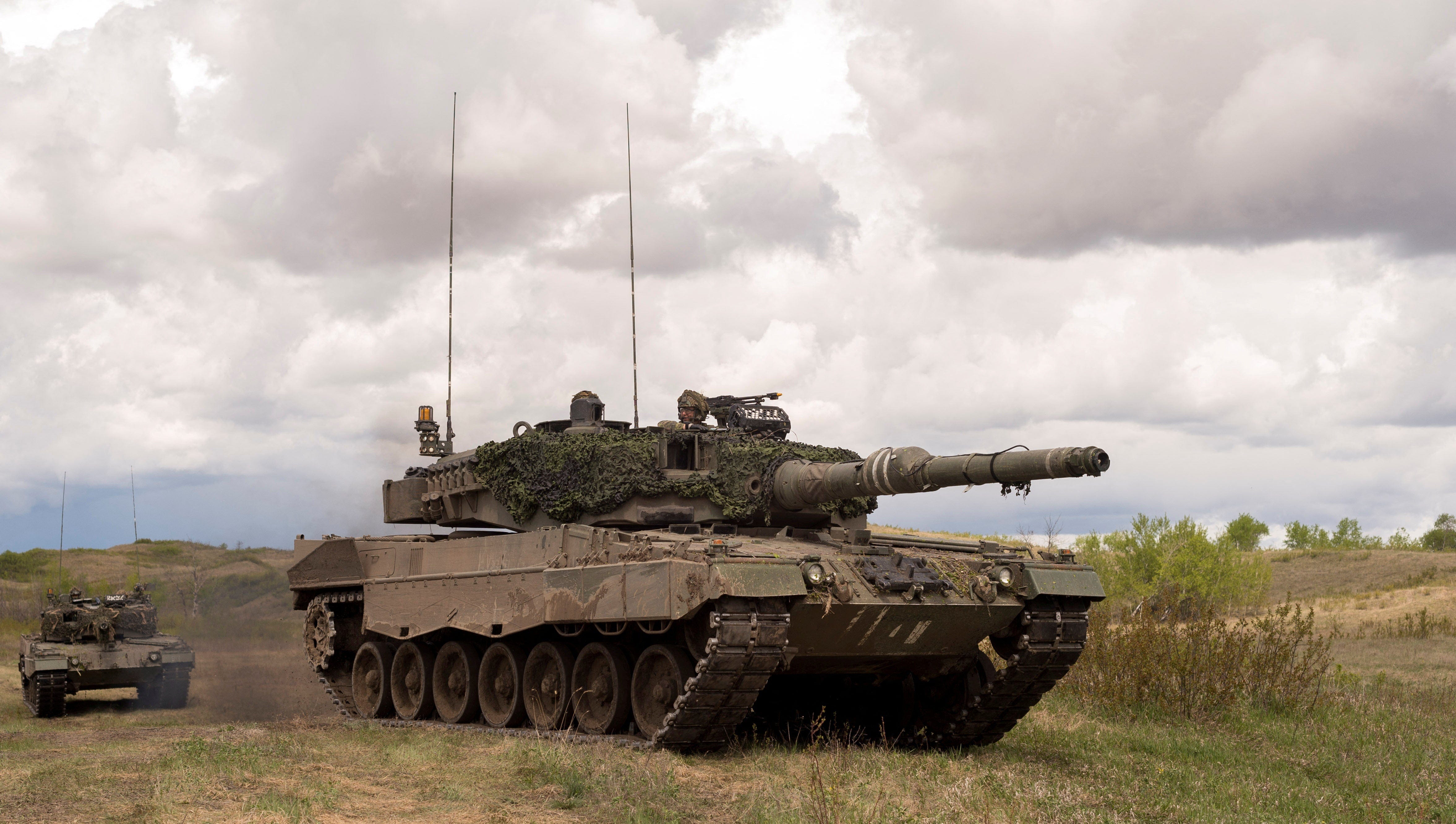
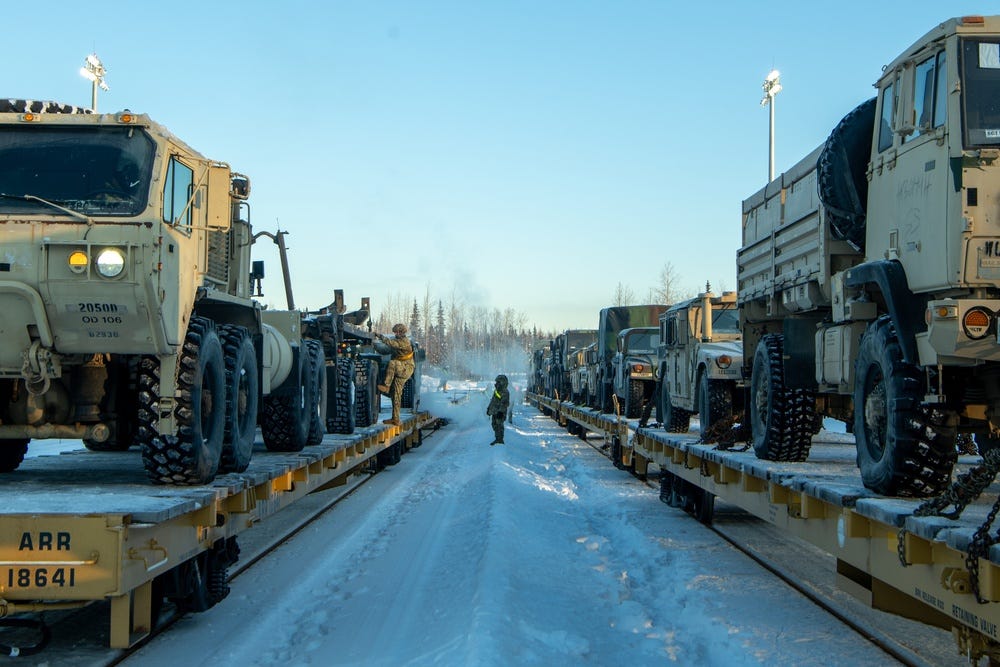
Canada’s new structure looks administrative on the surface:
Defence of Canada Division
Manoeuvre Division
Support Division
But this is not bureaucracy.
It is separation of function.
And that matters because modern war no longer allows a single force to do everything at once.
The army we have is not the army we need.
What Canada is building—quietly—is a system that can:
absorb pressure at home
project force abroad
sustain both simultaneously
That is not a reform.
That is adaptation to a different kind of war.
War is no longer linear
For most of modern history, war followed a recognisable structure:
Front line → breakthrough → collapse.
That model is breaking down.
Because the decisive layer has shifted.
Not to the battlefield—
But to the systems that make the battlefield possible.
Wars like this are not decided at the front. They are decided elsewhere — in systems.
Ukraine has already internalised this.
Russia is learning it.
Canada is now designing for it.
From Ust-Luga to the Arctic
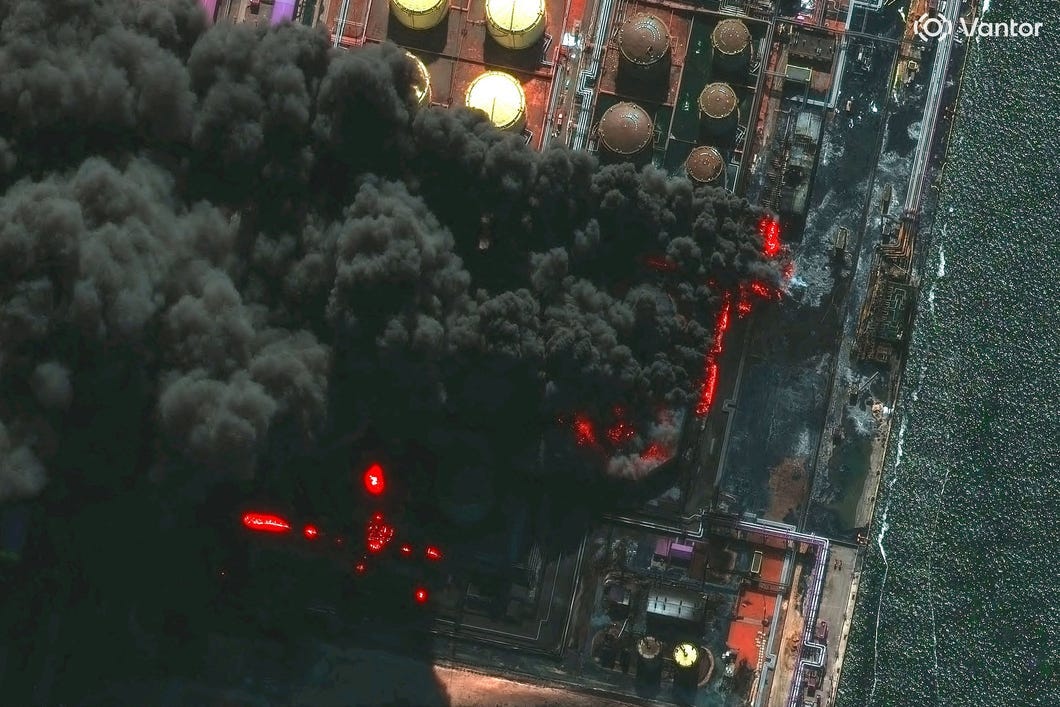
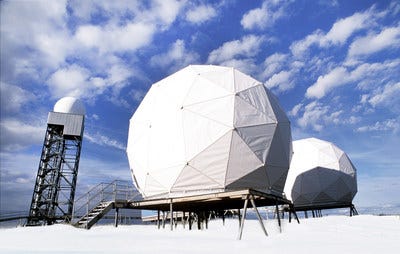
Take Ust-Luga port.
It is not just a port.
It is a system node:
energy processing
export logistics
sanctions evasion via shadow fleet
financial lifeline for the war
When Ukraine strikes Ust-Luga, it is not targeting infrastructure.
It is targeting flow.
And flow behaves differently from territory.
You don’t need to destroy it.
You only need to disrupt it repeatedly.
Systems do not fail when destroyed. They fail when they cannot recover.
Now move north.
The Arctic is not a frozen frontier.
It is a dispersed system of:
sensors
satellite links
energy infrastructure
maritime routes
remote communities acting as nodes
Canada’s Defence of Canada Division is not defending land.
It is defending this system.
The logic of decentralisation
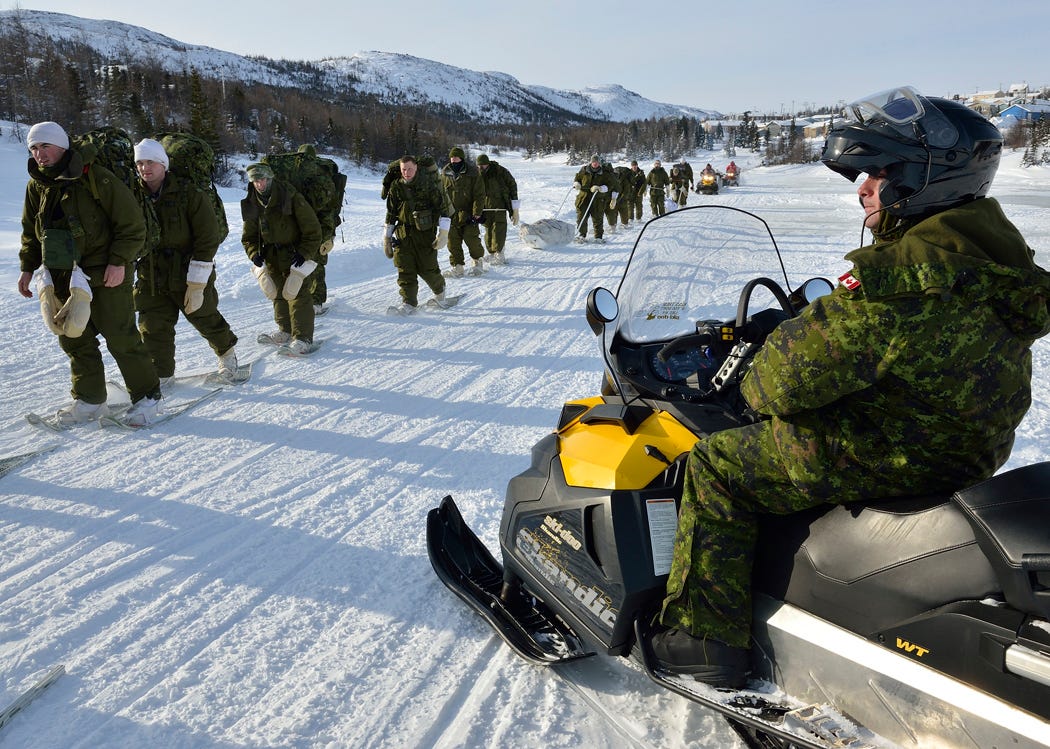
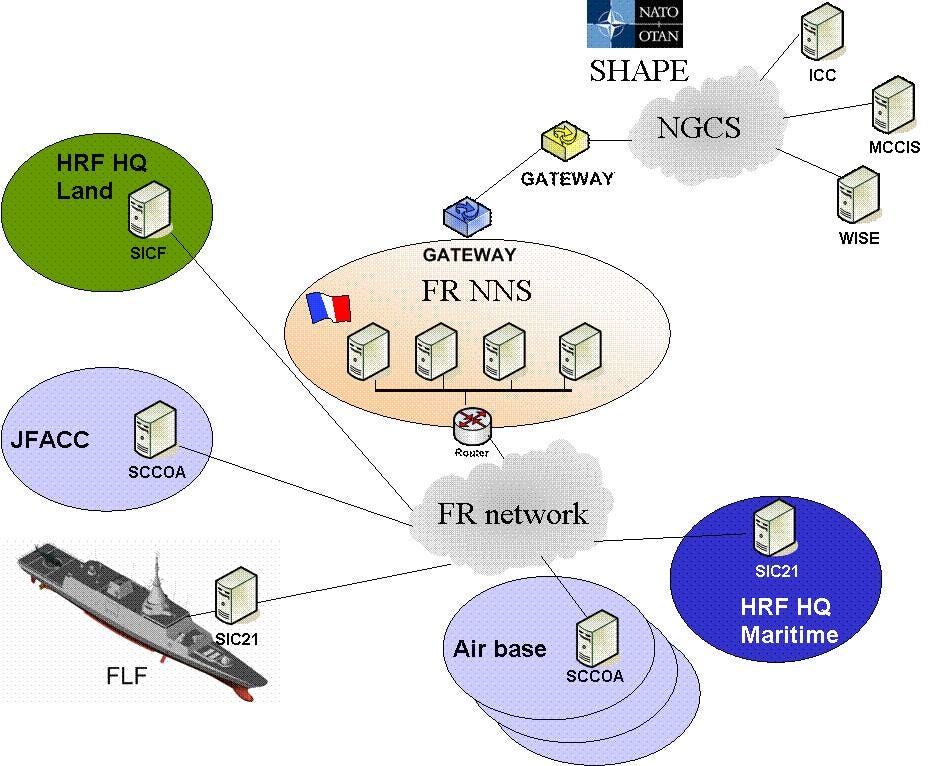
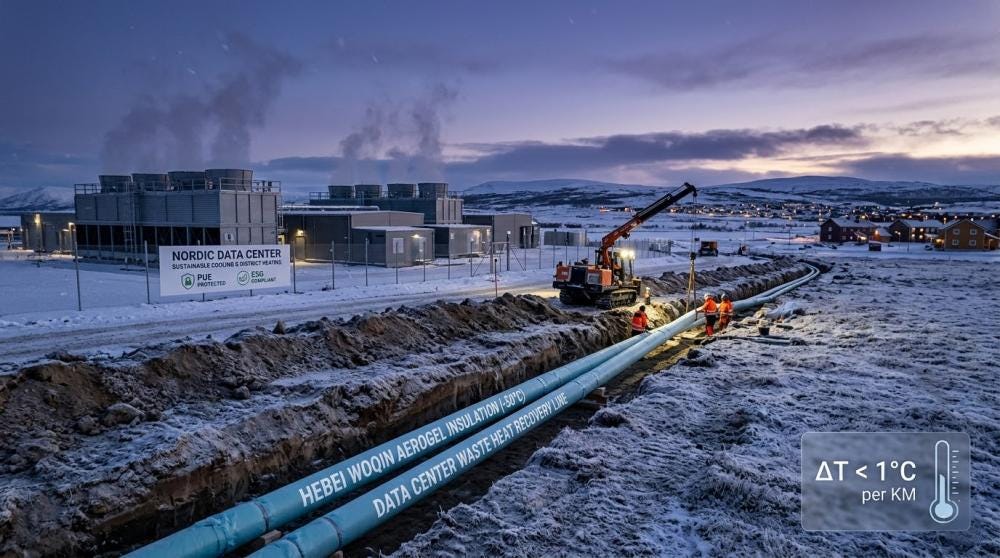
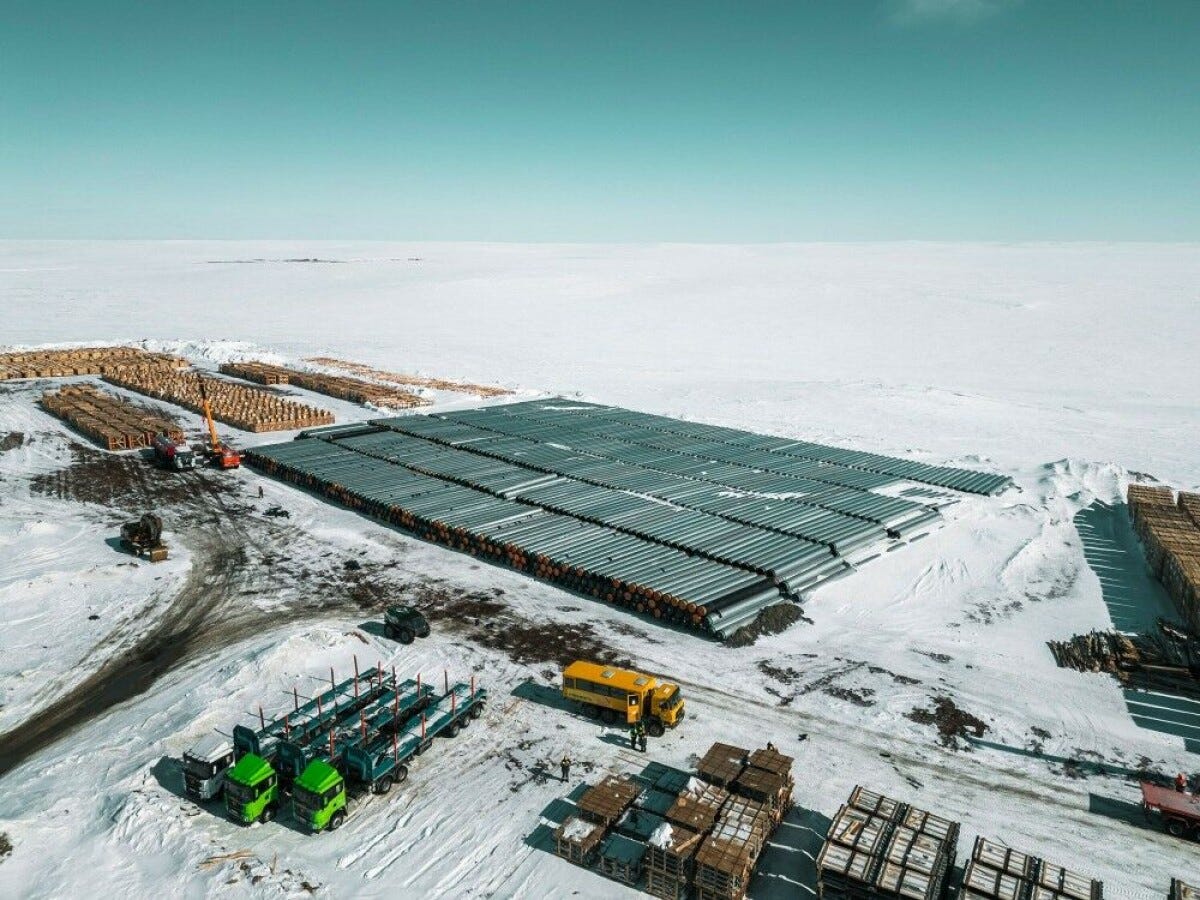
The expansion to 120 → 200 communities is not symbolic.
It is structural.
Because in system warfare:
centralisation creates efficiency
decentralisation creates survival
A centralised force can be overwhelmed.
A distributed system degrades slowly—and continues to function.
Decentralisation is not about presence. It is about survival under pressure.
This is exactly the inverse of what we see in Russia’s export system.
Highly efficient.
Highly centralised.
Increasingly vulnerable.
The Support Division is the real story
Most readers will focus on manoeuvre forces.
That is a mistake.
The Support Division is the key.
Because modern war is constrained not by weapons—
But by sustainment:
fuel
repair
logistics
rotation
infrastructure continuity
Firepower wins battles. Sustainment decides wars.
Ukraine’s advantage is not just drones.
It is its ability to:
repair under attack
reroute logistics
adapt faster than disruption spreads
Canada is now building that logic into its structure.
The NATO connection
This is where the reform becomes strategic.
Canada is not just preparing for homeland defence.
It is aligning with a broader shift inside NATO:
From:
expeditionary warfare
centralised command
linear deployments
To:
distributed operations
infrastructure defence
system resilience
The alliance is no longer preparing to win wars quickly. It is preparing to endure them.
And that brings us back to Ukraine.
Ukraine is the model — whether NATO admits it or not
Ukraine is already operating in this new reality:
decentralised command
distributed strike capability
constant infrastructure defence
adaptation under continuous pressure
It is not fighting a campaign.
It is managing a system under attack.
Ukraine is not just fighting the war. It is defining how this kind of war is fought.
Canada’s proposal to deploy forces to Ukraine in the future is therefore correct.
But not for the reasons usually stated.
Not solidarity.
Not deterrence.
Learning.
The Quiet Front
This is the connection most people still miss:
Baltic oil terminals
Arctic infrastructure
Ukrainian drone campaigns
Canadian force structure
They are not separate developments.
They are expressions of the same shift.
The battlefield is no longer where the war is decided. It is where the system is exposed.
And that leads to the real conclusion:
Canada is not reorganising for a future war.
It is reorganising for the war that is already happening—
Quietly, persistently, across systems that stretch from the Baltic to the Arctic.
Closing
If this trajectory continues, the map of war will look increasingly misleading.
Because the decisive points will not be where armies meet—
But where systems strain.
And break.
CTA
If you want to understand where this war is actually being decided:
Subscribe to The Quiet Front.
Because the most important part of the war
is the part most people still cannot see.