
The Machine Moves First — The Human Follows After
When timing decides before judgement, the role of the human begins to shift.

Reading time: 10 minutes
Credit: Based on interview by Paul Wells with Olena Kryzhanivska
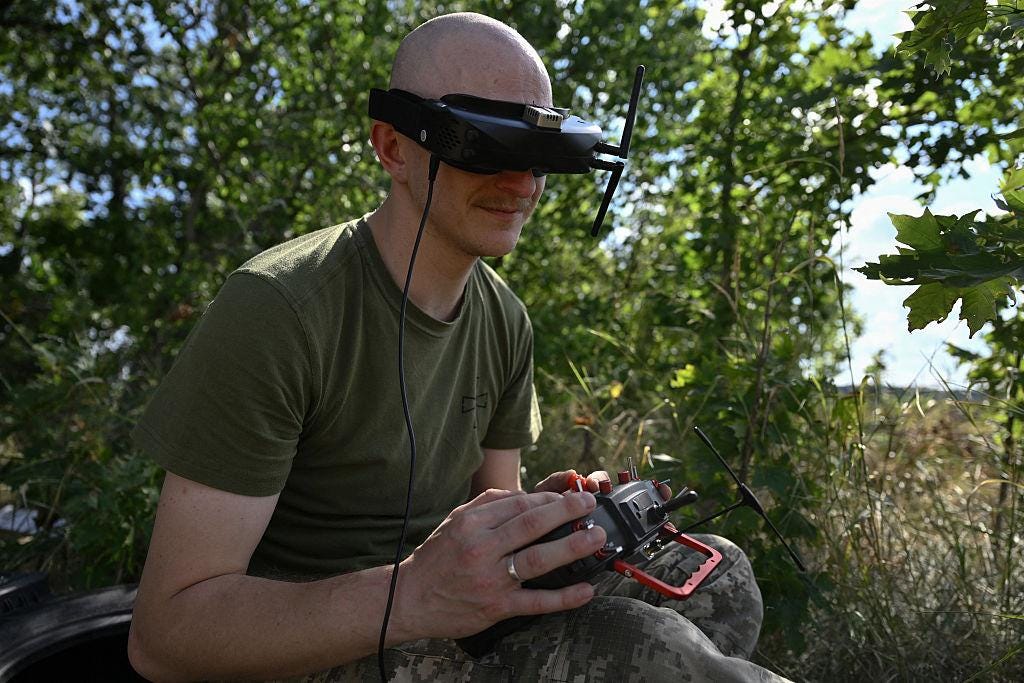
Drone operator (pilot)
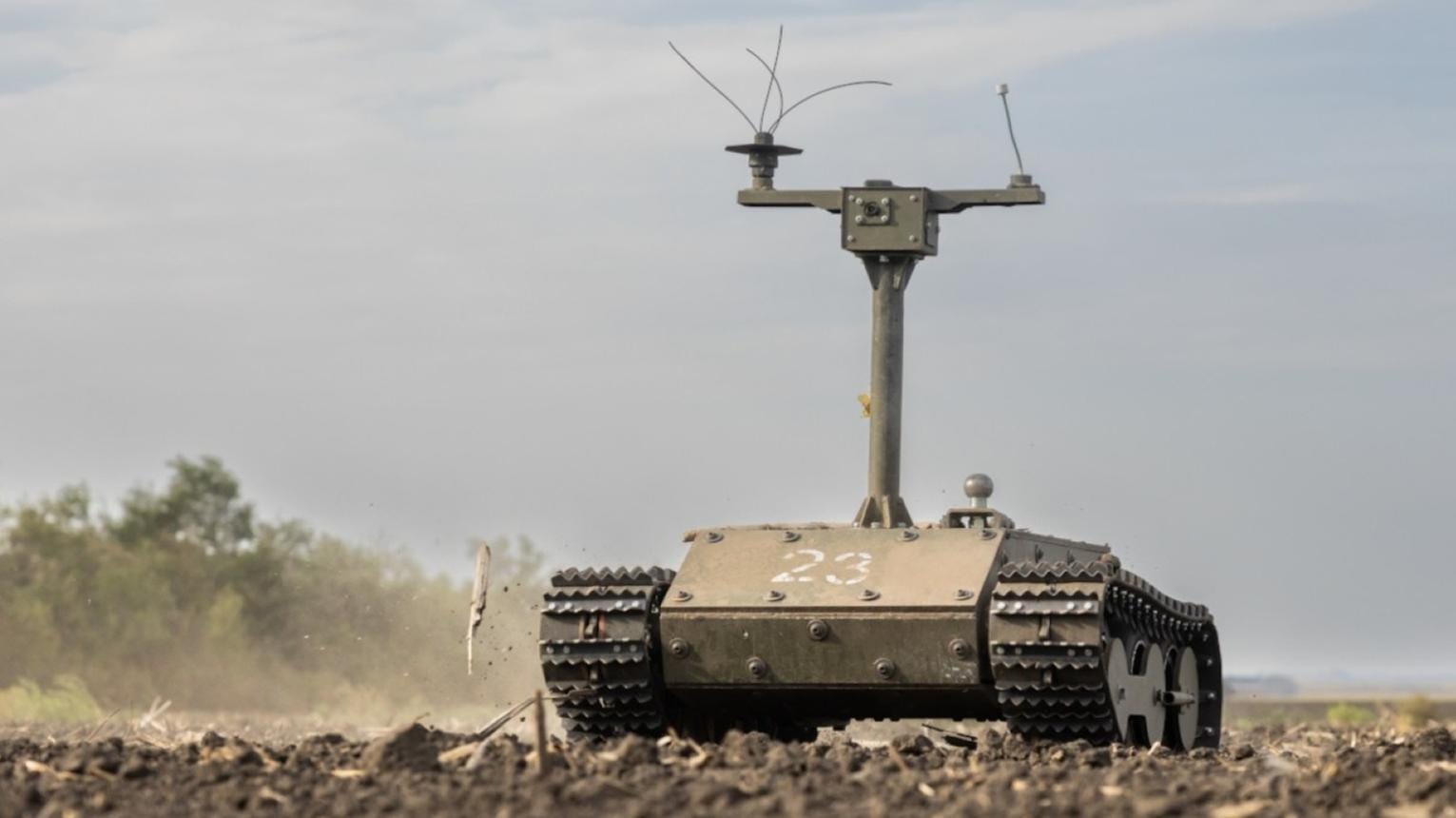
Unmanned vehicle
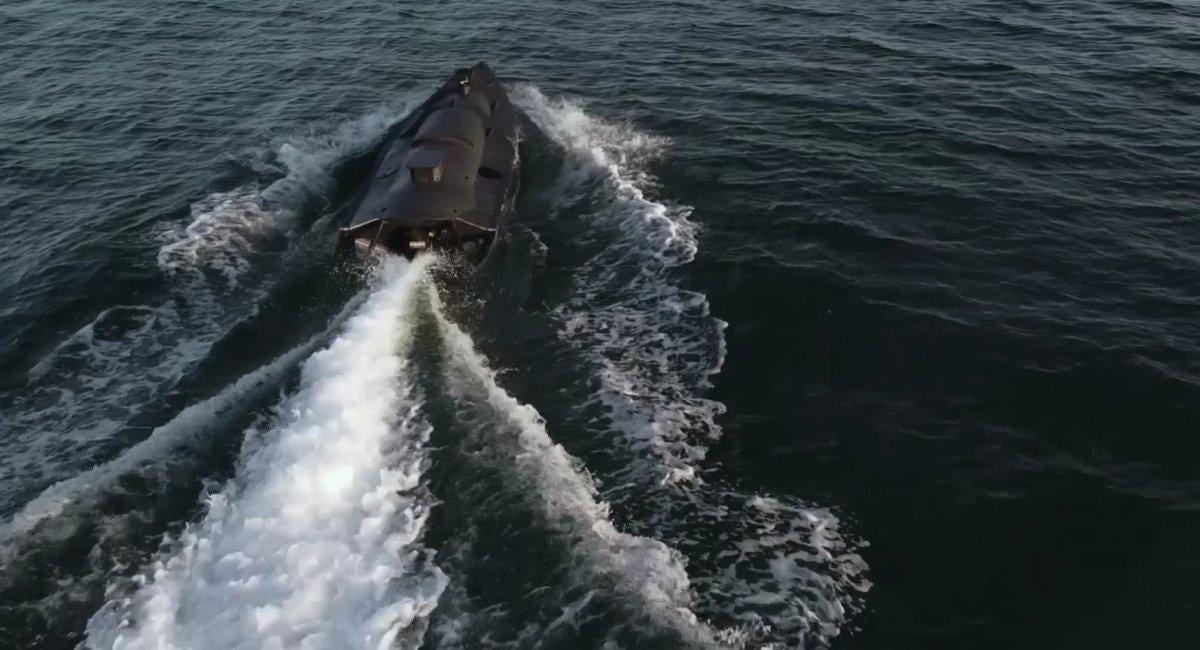
The person is still there. But something else now moves faster.
How it used to work
A soldier:
sees
decides
acts
Time exists between each step.
That time is where judgement lives.
War used to move at the speed of decision.
It now moves at the speed of arrival.
What changed
Now the sequence tightens.
a drone sees
coordinates are shared
something strikes
Often within seconds.
The gap between seeing and acting shrinks.
And with it:
👉 the space for human judgement shrinks too
Scale replaces exception
At the beginning:
drones were improvised
limited
occasional
Now:
thousands are used
constantly
everywhere
This changes behaviour:
it is no longer about one strike
it is about continuous pressure
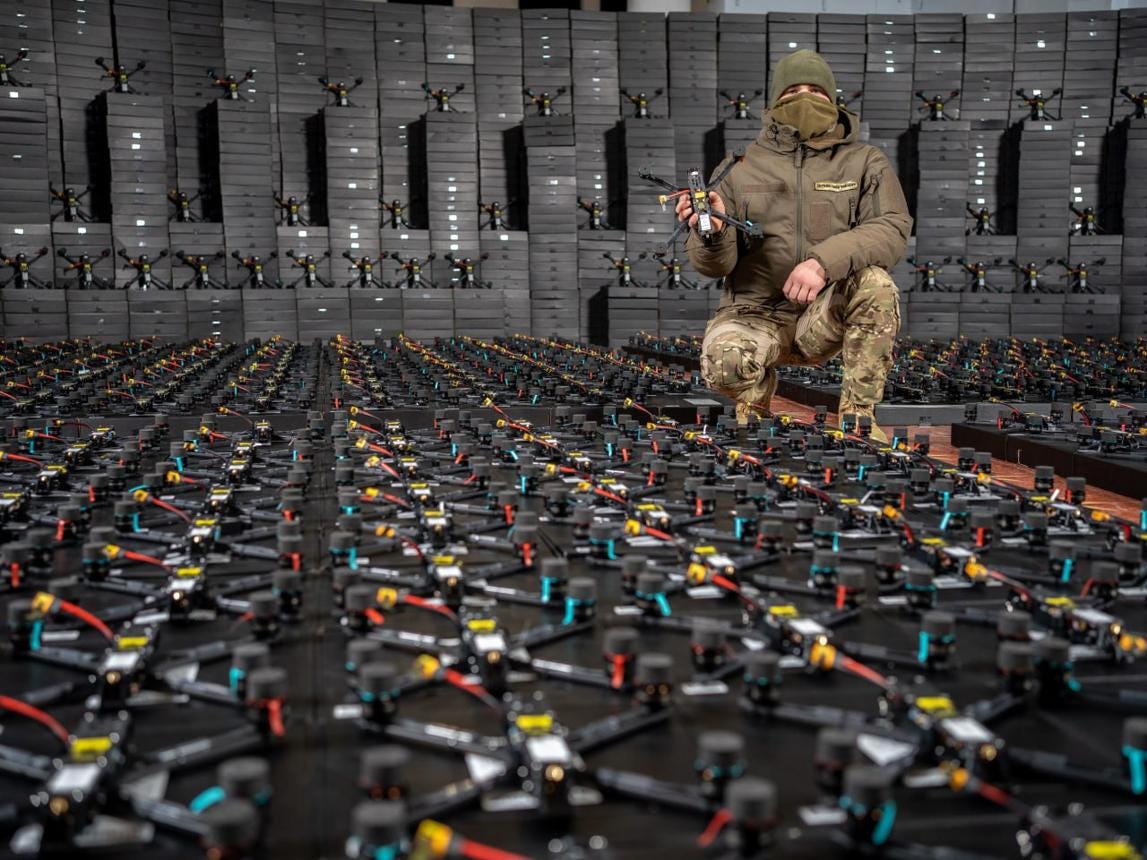
Ready to send out a swarm of drones
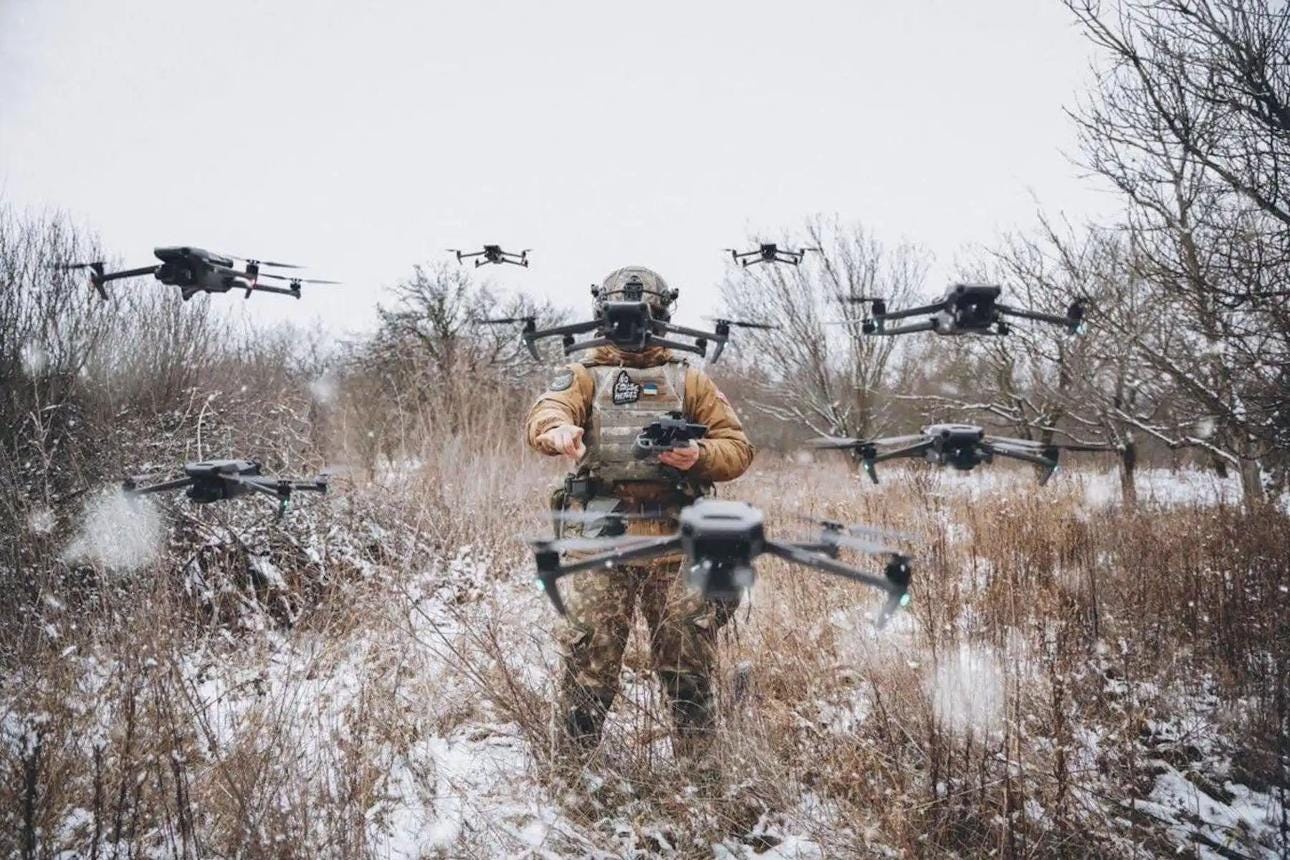
In the beginning the swarm is directed by an operator.
Within a scope decided by him the swarm acts collectively and autonomous.
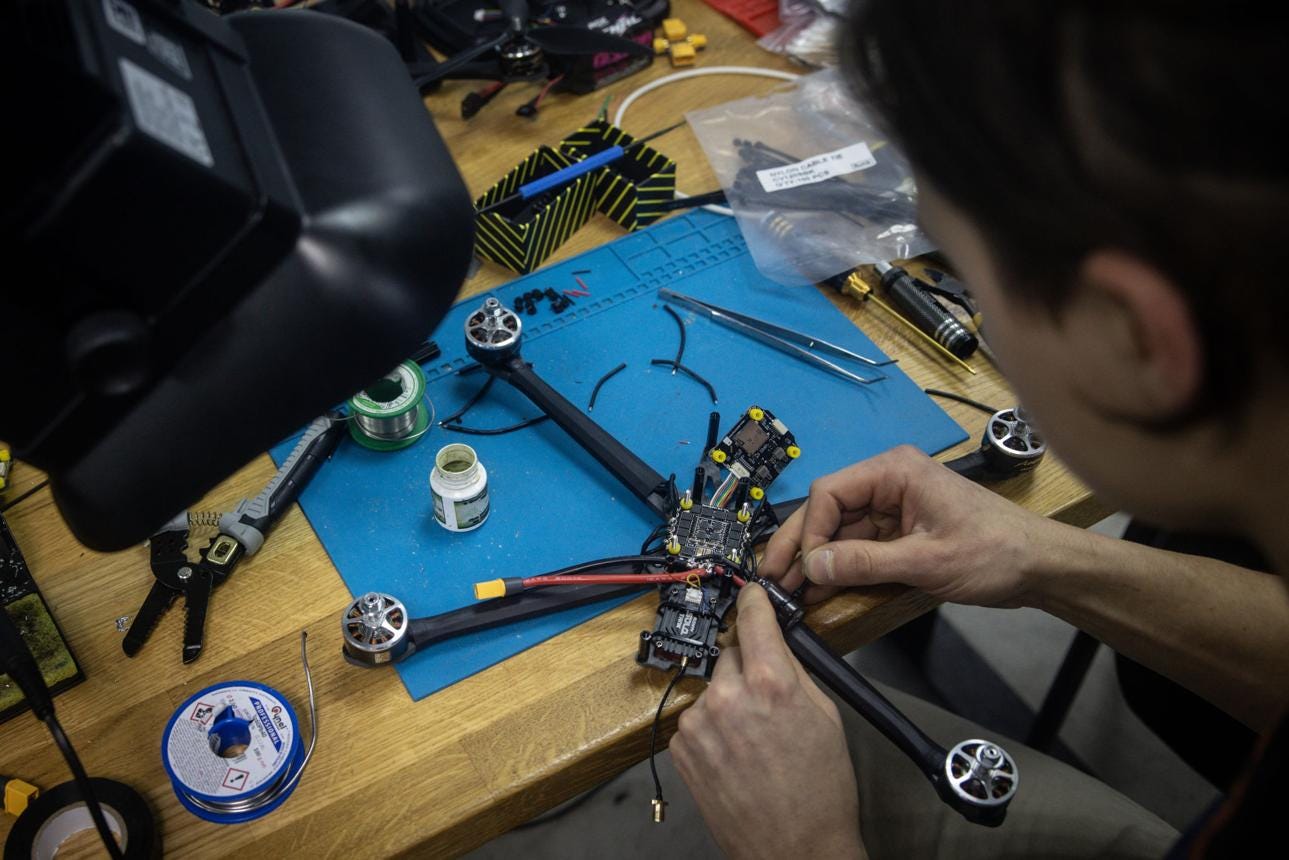
What was once rare becomes constant. What was constant becomes pressure.
The second shift
It is not only flying machines.
ground robots carry drones
sea drones carry explosives
one system feeds another
This creates chains of action:
launch
relay
strike
Each step faster than before.
It is no longer one action.
It is a chain that keeps moving.
Adaptation never stops
Before:
new methods appeared slowly
Now:
changes happen daily
small adjustments spread quickly
What works today
is modified tomorrow
What this does to the human
The human is not gone.
But the role shifts:
from deciding → to managing
from acting → to enabling
from timing → to reacting
And sometimes:
👉 simply trying to keep up
The uncomfortable edge
There is a line approaching:
Not full autonomy.
But partial independence.
Where:
machines identify
machines select
machines strike
Faster than a person can intervene.
The question is no longer if the human decides.
It is whether the human arrives in time to decide.
Why this matters
Because behaviour changes again:
defence must respond faster
exposure lasts longer
mistakes happen quicker
And most importantly:
👉 pressure becomes constant
What follows
This does not end the role of people.
It changes it.
War becomes:
less about single moments
more about continuous interaction
Where:
machines move first
humans follow after
Continue reading
If this made sense, start here:


Reflexion
We often think the change is about technology.
It is not.
It is about time colliding with the requirement
that a human must decide.
When time compresses,
the decision does not disappear.
But it begins to arrive too late.
The usual ending
If you recognise the shift, follow it.
If you are new, begin with the links above.
It’s free
However, if you find reason to support my research - I would be grateful for any contribution in the range of: 2 to 8 $.
Due to my poor navigation in the Substack system, contribution seems to have been impossible for a period. The system still troubles me. However, there are no restrictions. Everything is free and public.
Please do me the favour to restack.