
The Language Has Changed — And That May Be the Real Signal
The leaked strategy paper from inside the Russian presidential administration does not sound like the Kremlin the world has learned to expect. That may be precisely why it matters.

Reading time: 13–15 minutes
Credit: Based on the leaked strategy deck reportedly authored inside a section of the Russian presidential administration and circulated in the months leading up to Victory Day.

The most important thing about the leaked paper is not the recommendations.
It is the tone.
The language is restrained.
Measured.
Managerial.
At moments almost empathetic.
Not empathetic morally.
But empathetic toward:
exhaustion,
uncertainty,
emotional fatigue,
social pressure,
and the psychological burden of prolonged war.
That is extraordinary inside the modern Russian political environment.
Because the familiar Kremlin vocabulary is largely absent.
There is little trace of:
historical destiny,
existential struggle,
ideological fury,
civilisational rhetoric,
or theatrical escalation.
The document sounds less like mobilisation through intensity —
and more like management through endurance.
That difference matters.
This Was Not Written on the Margins
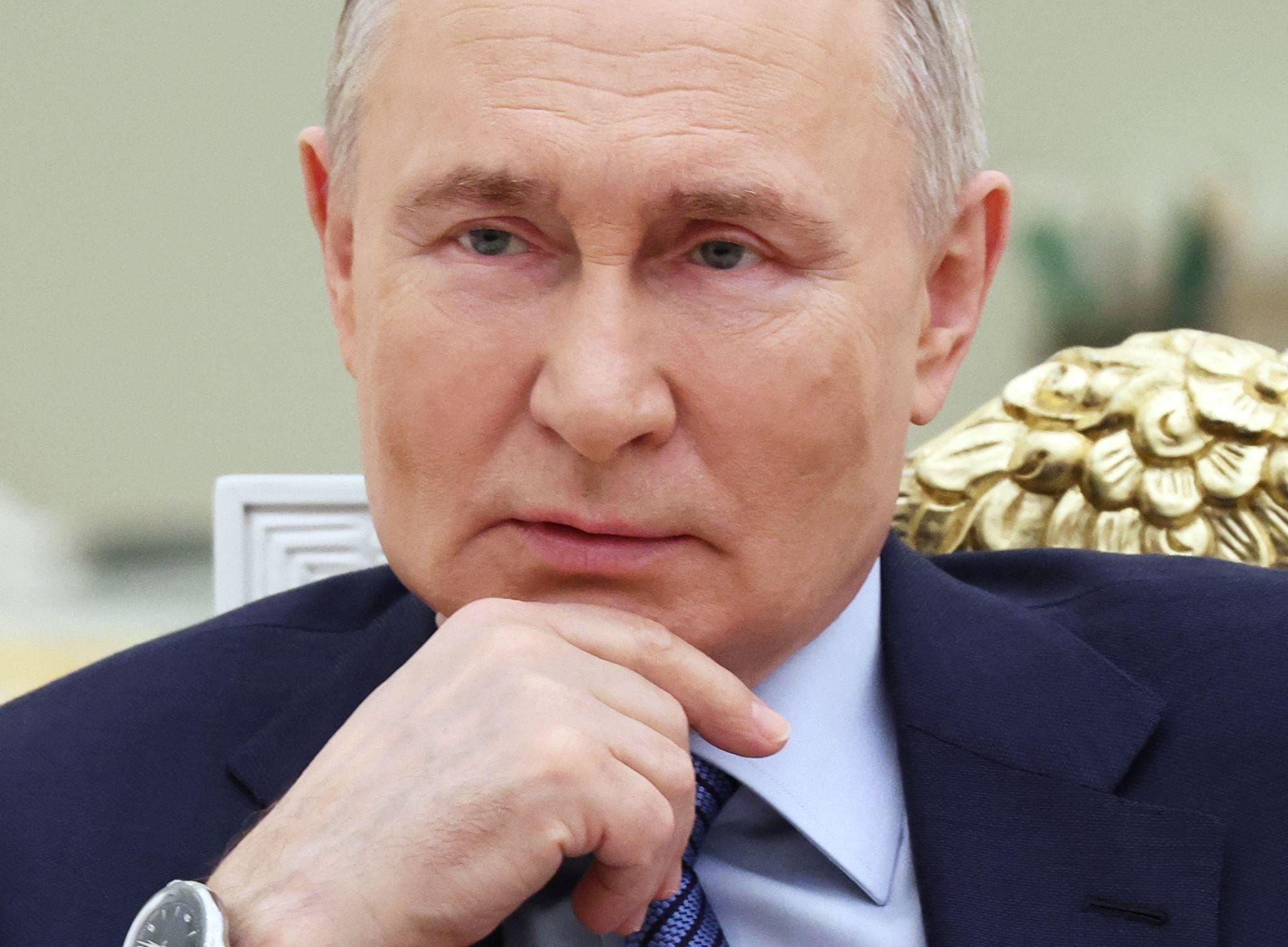
The leaked strategy deck reportedly authored inside a section of the Russian presidential administration and circulated in the months leading up to Victory Day.
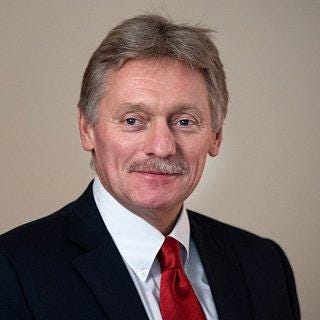
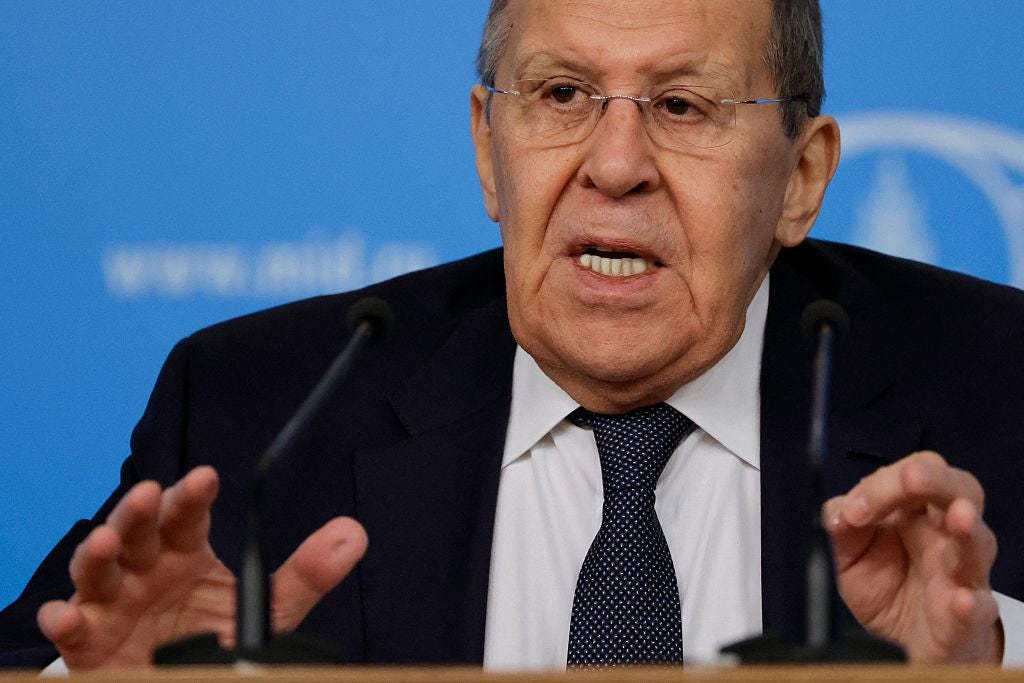
No comments from Dmitry Peskov, who has served as spokesman for Russian President Vladimir Putin since 2012. He regularly speaks on behalf of the Kremlin in international media. In the spring of 2026, he commented on topics such as Hungary’s diplomatic positions and theories of a Russian connection to the Epstein case. He has previously described the economic consequences of sanctions against Russia as a “shock” to the economy
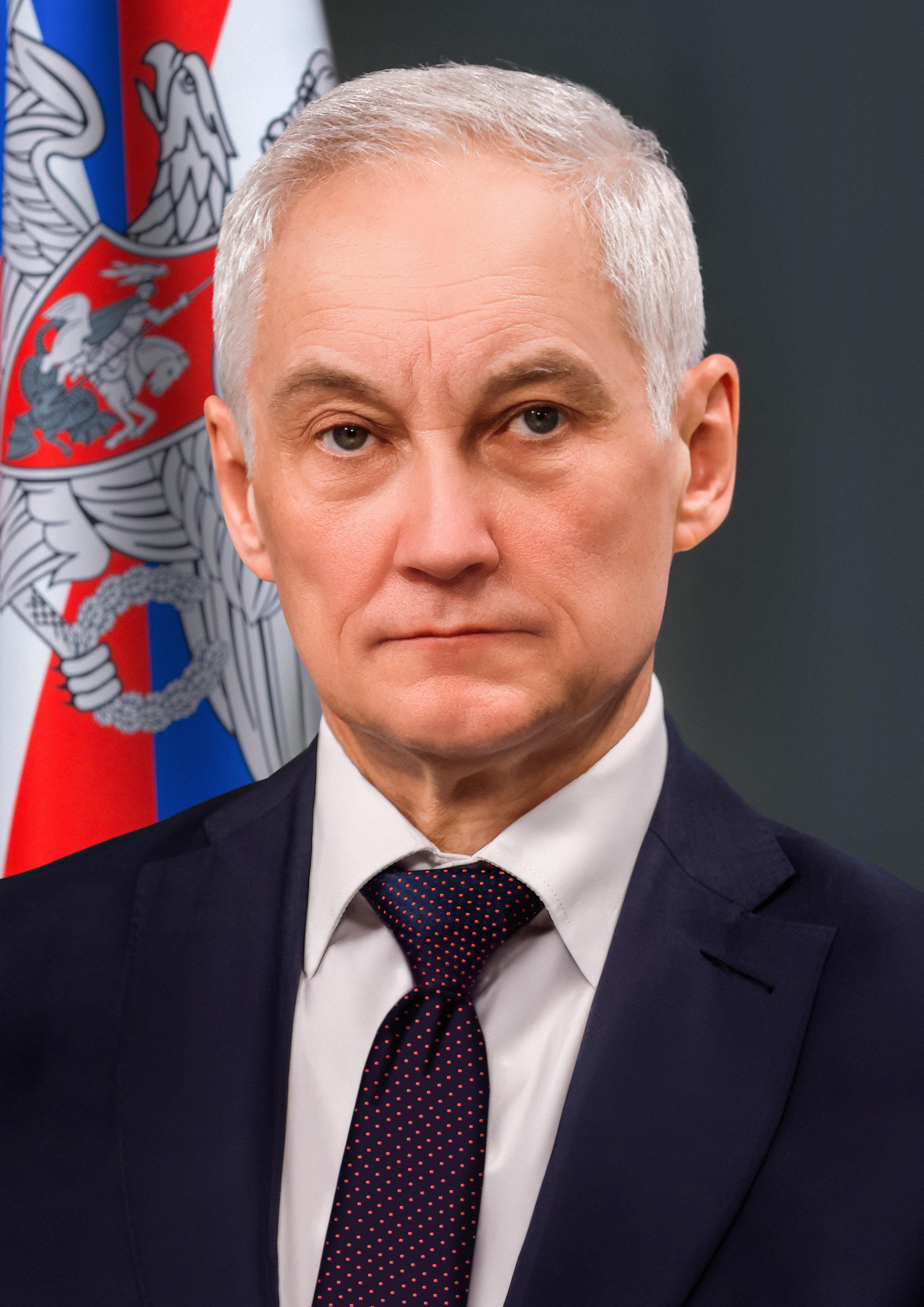
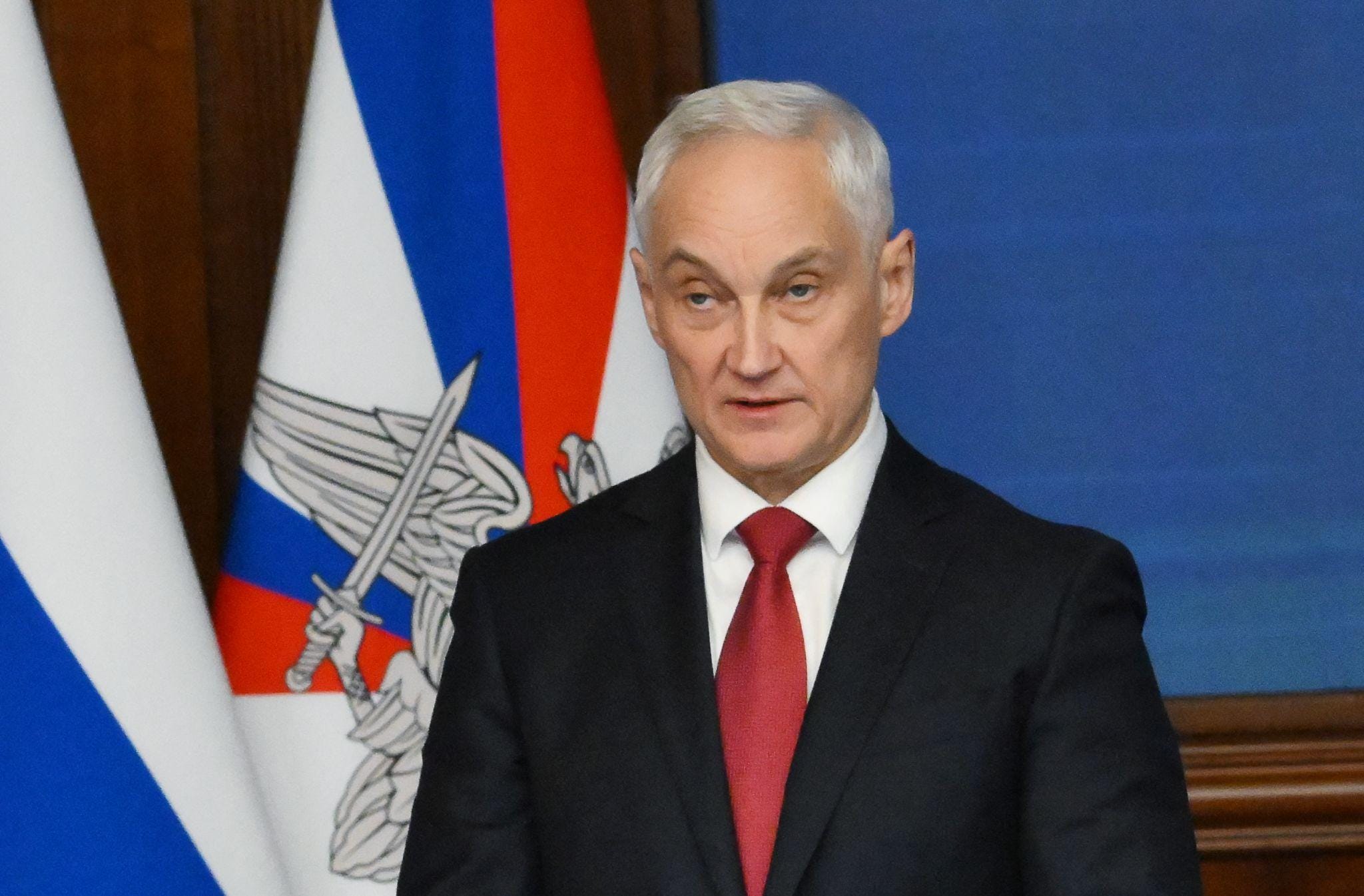
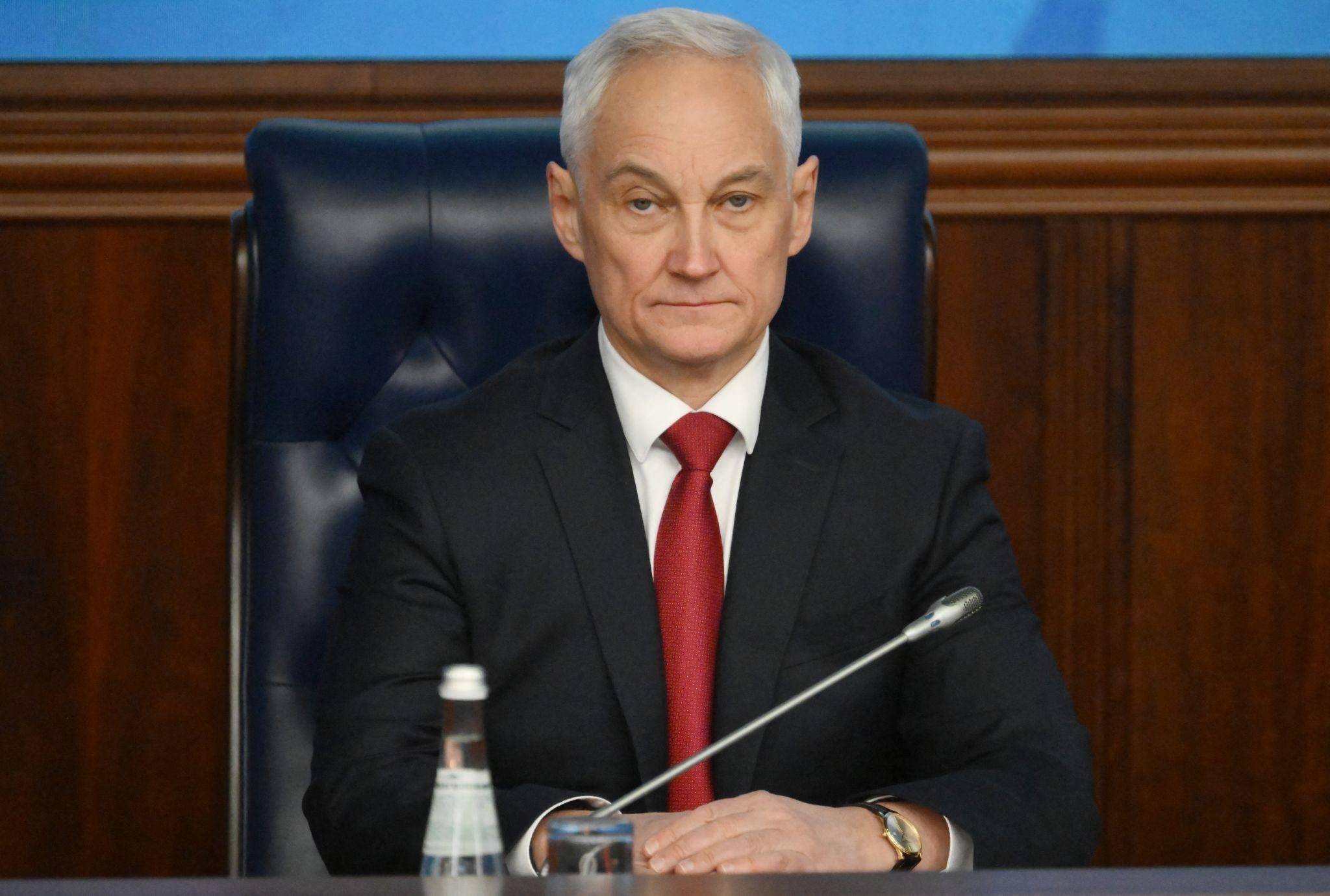
On 12 May 2024, President Putin appointed Belousov (Andrey Removich Belousov) as the Minister of Defence. He officially started this role on 14 May 2024, replacing Sergei Shoigu.
Experts believe this change shows that Russia is preparing for a long conflict. Belousov’s job is to help transform Russia’s economy to support its military efforts. In 2024, about 30% of Russia’s budget was spent on its military.
In October 2024, Belousov visited Beijing. He met with Chinese Defense Minister Dong Jun. They discussed working together more closely on military matters. In December 2024, he also held talks with India’s Defence Minister, Rajnath Singh, to strengthen defense ties.
In December 2024, Belousov stated that Russia should be ready for different situations, including a possible conflict with NATO in the next ten years. He also said that Russia aims to achieve victory in the conflict with Ukraine and fully control certain regions by 2025.
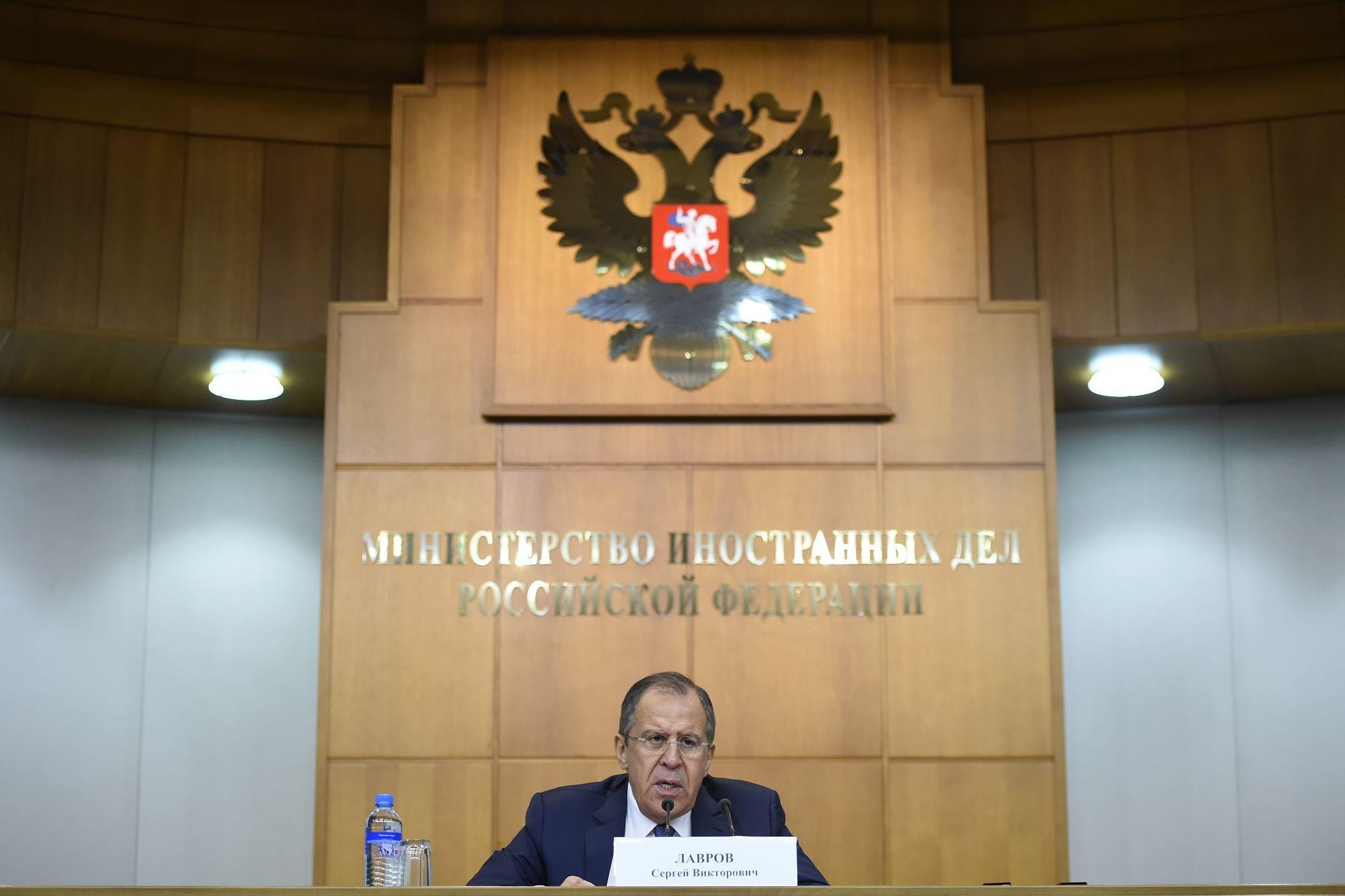
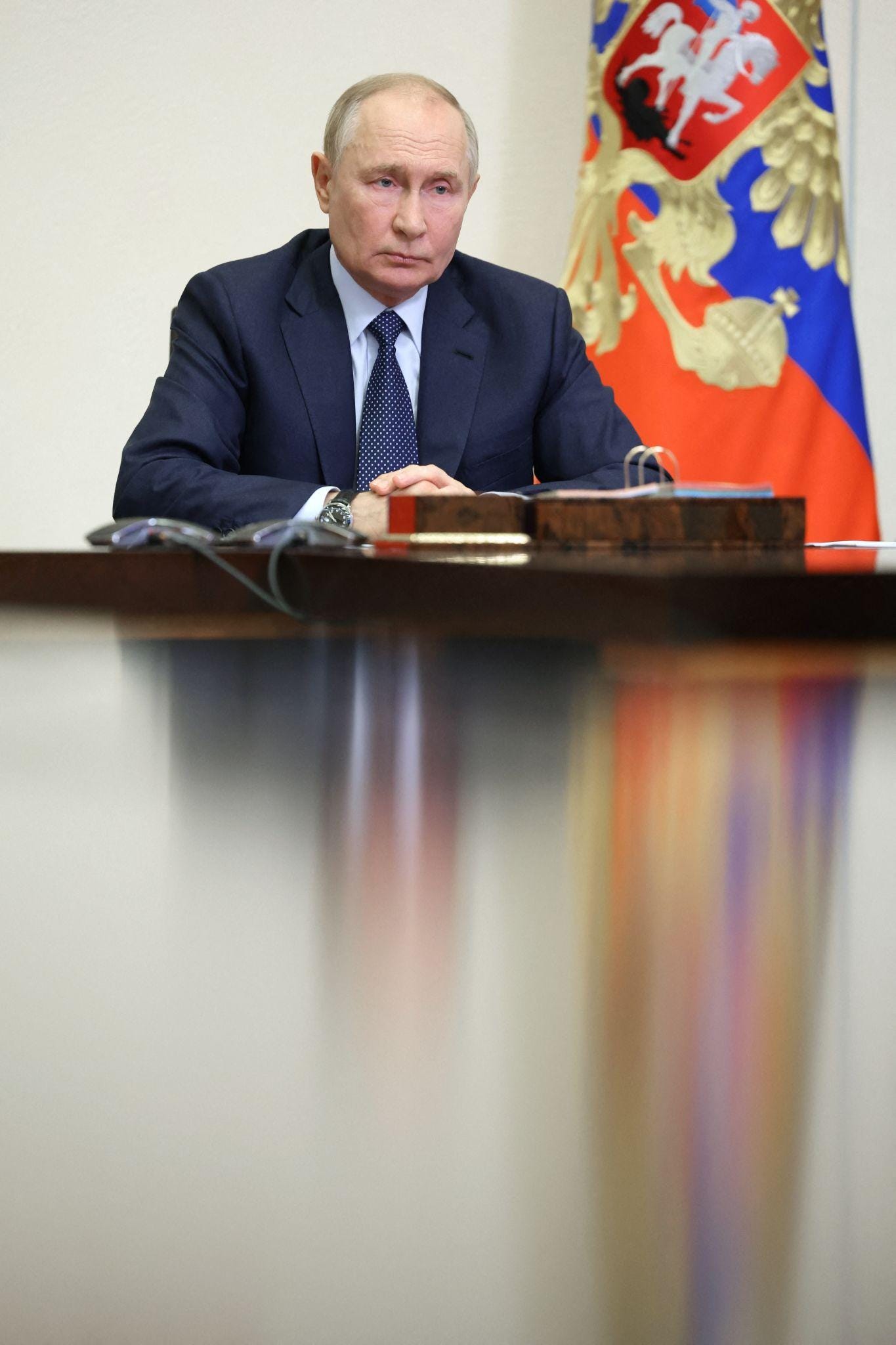
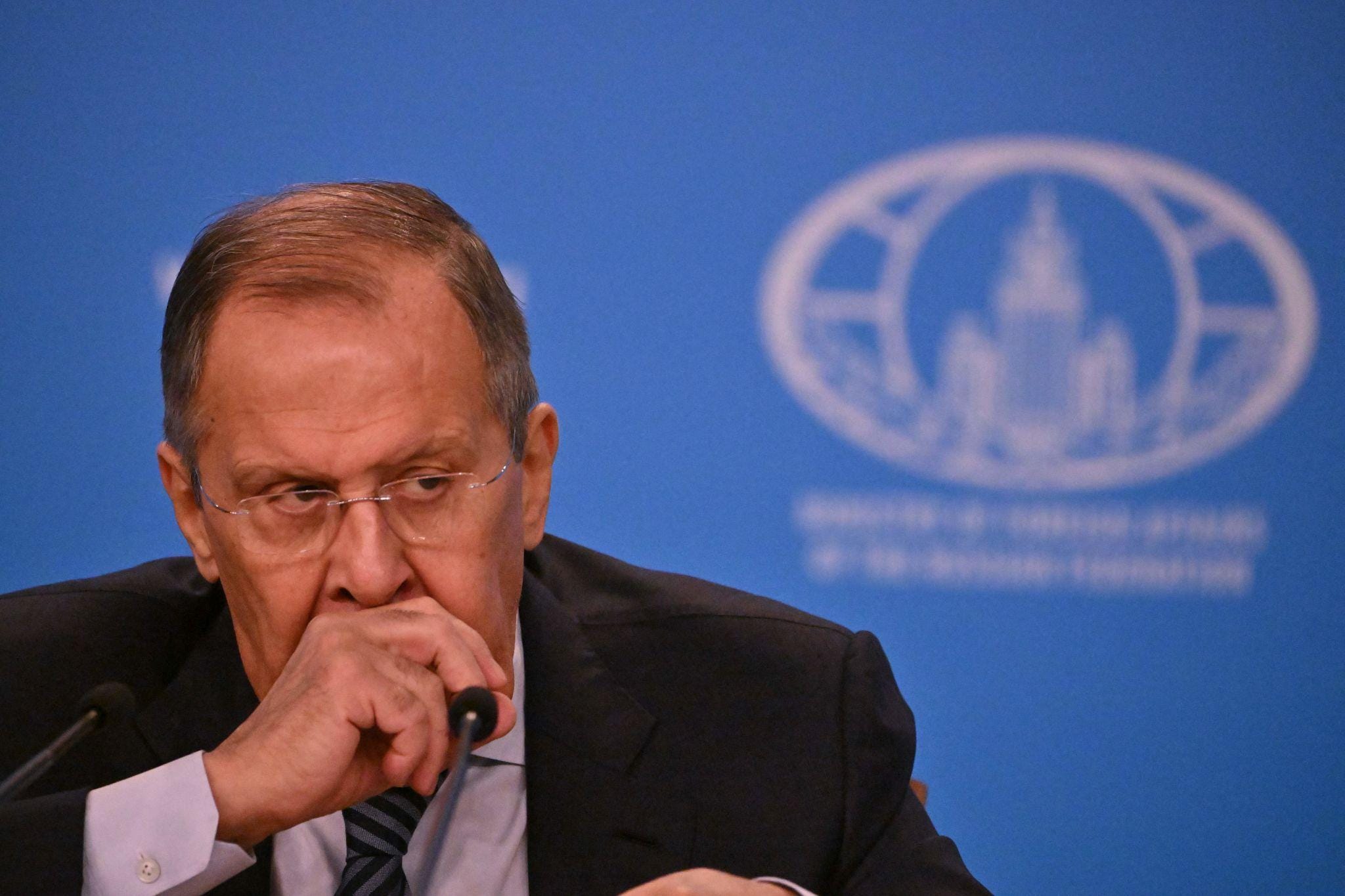
Russian Foreign Minister Sergei Lavrov during a press conference in Moscow. Sergei Lavrov has served as Russia’s foreign minister since 2004. The photo was taken in the Russian Foreign Ministry, as can be seen from the text on the wall and the coat of arms behind him. Lavrov is known for defending Russian foreign policy and has made a strong statement on issues related to Syria and Ukraine, among other things.
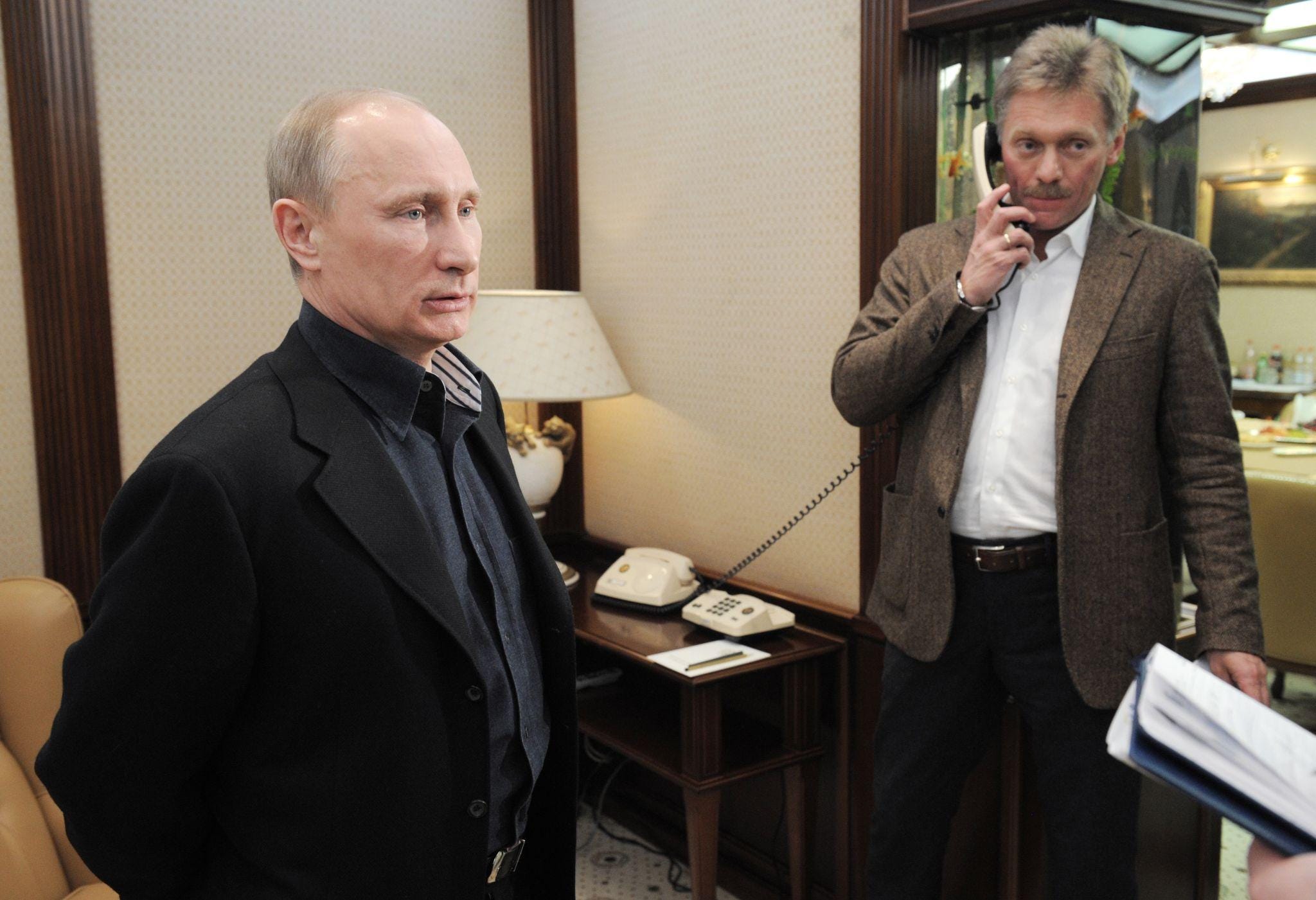
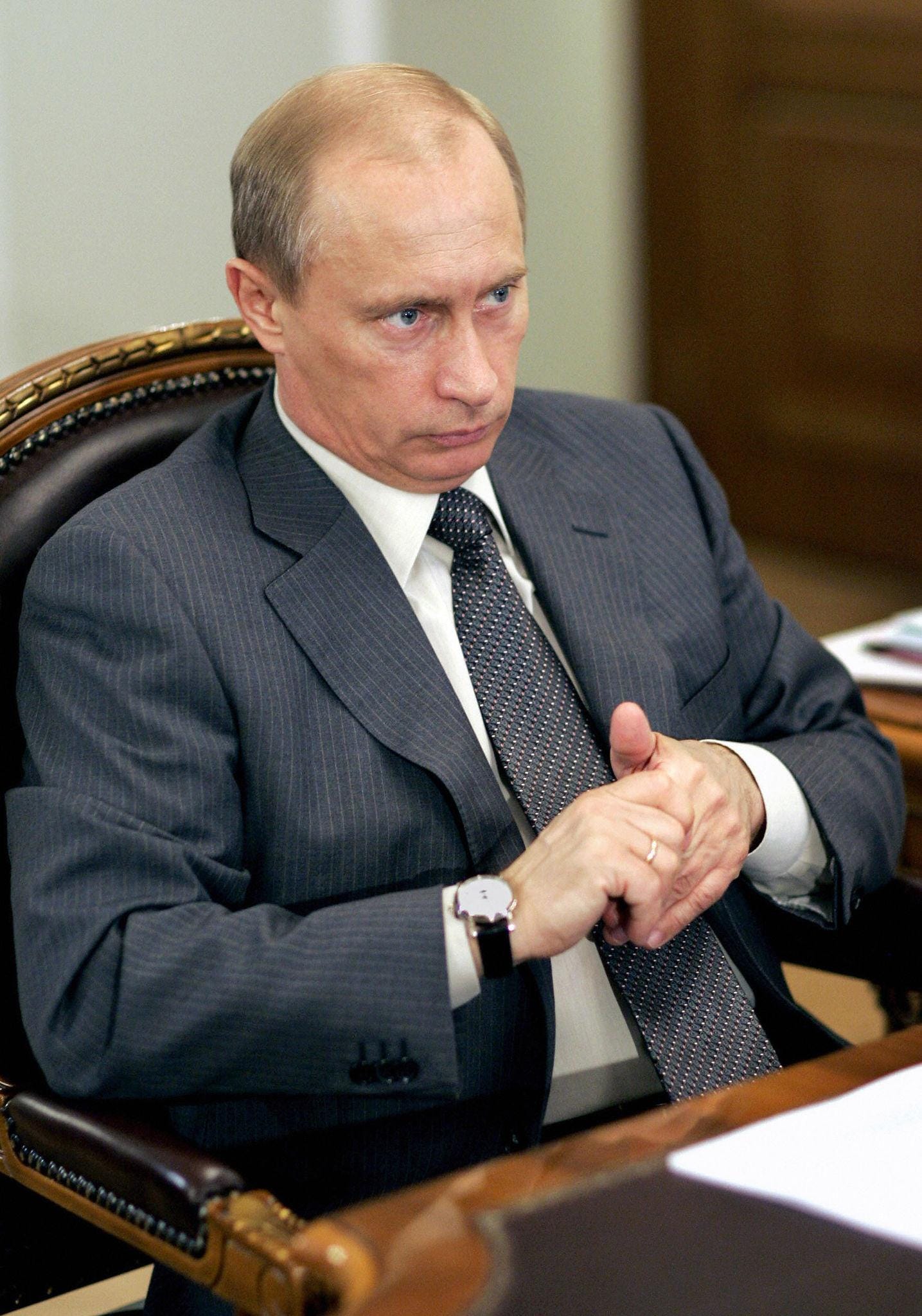
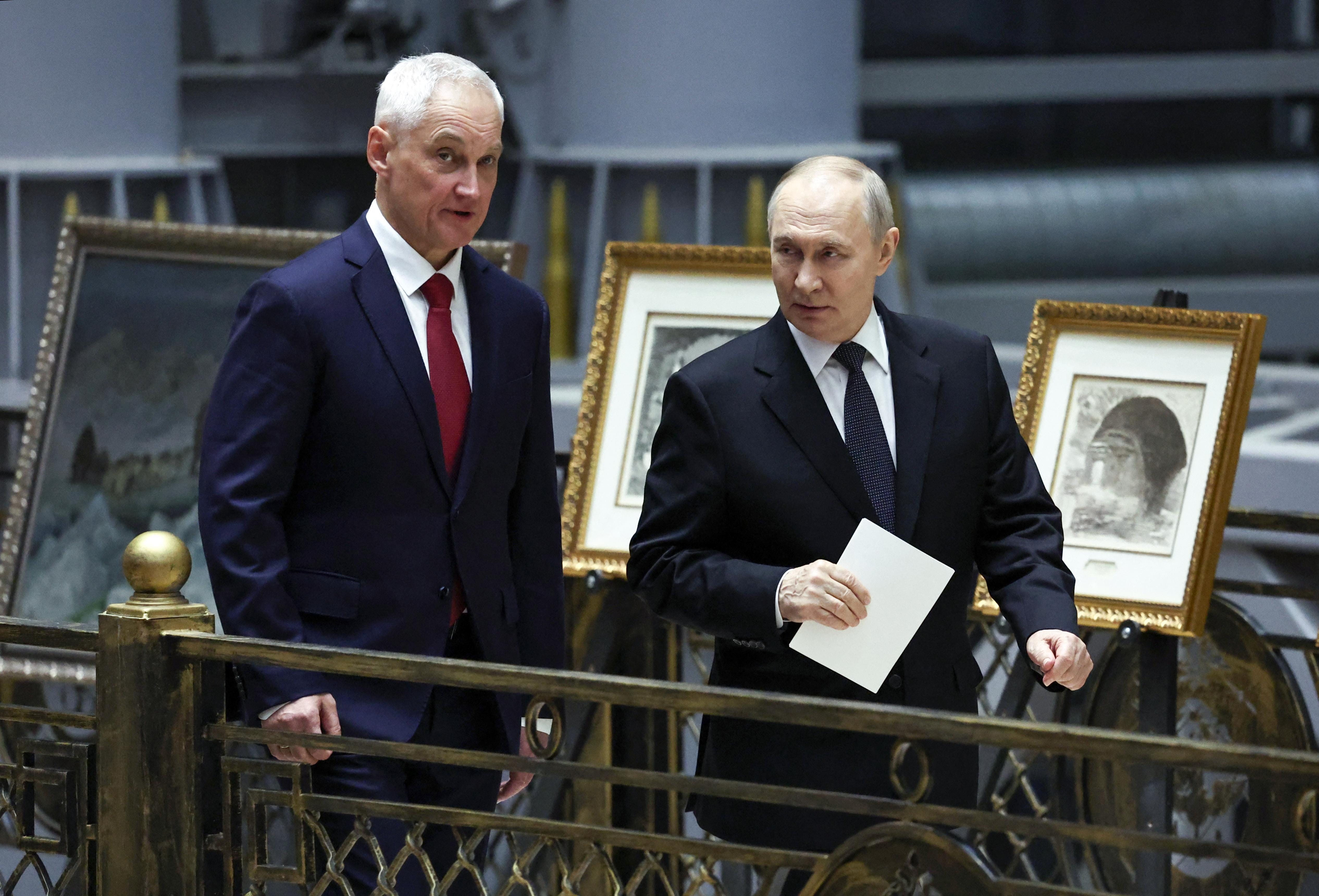
Vladimir Putin
The Kremlin increasingly appears to be preparing society for duration rather than decisive breakthrough.
Dmitry Peskov
The absence of aggressive denial surrounding the leaked paper has itself attracted attention.
Sergey Lavrov
The familiar language of confrontation and inevitability is noticeably muted inside the document.
Andrey Belousov
The paper repeatedly focuses on sustainability, controllability, and social endurance.
The reported author is not an outsider.
He reportedly heads a section inside the presidential administration itself.
That changes how the document should be understood.
This was not a Telegram fantasy.
Not opposition commentary.
Not internet improvisation.
The paper reportedly circulated from February onward.
That implies:
internal review,
discussion,
revisions,
circulation through administrative layers,
and likely political testing.
Which creates an uncomfortable but important possibility:
It becomes difficult to imagine that nobody among the harder circles surrounding the Kremlin became aware of it.
That does not prove endorsement by Putin.
But it strongly suggests the document did not fundamentally violate the acceptable boundaries of discussion inside the governing environment.
And perhaps the most revealing detail of all:
The content has not been disowned.
That silence matters.
Because modern Kremlin messaging is normally highly disciplined when something truly threatens the official line.
Instead, what followed appears to be ambiguity rather than direct repudiation.
The Paper Speaks the Language of Fatigue Management
The document repeatedly returns to themes that sound almost administrative rather than ideological.
Several excerpts are striking precisely because of their emotional temperature.
“Society demonstrates increasing exhaustion from prolonged uncertainty.”
That is not triumphalist language.
It is observational language.
Another passage reportedly states:
“The key challenge is preserving social stability under conditions of extended pressure.”
Again:
not glory,
not destiny,
not historical inevitability.
Stability.
Pressure.
Management.
And perhaps the most revealing line in the document:
“The public increasingly responds not to escalation rhetoric but to signals of predictability and continuity.”
That sentence alone may explain the entire tonal shift.
Because it implies something extremely important:
The authors appear to believe the old emotional methods are losing effectiveness.
The Kremlin Vocabulary Appears To Be Narrowing
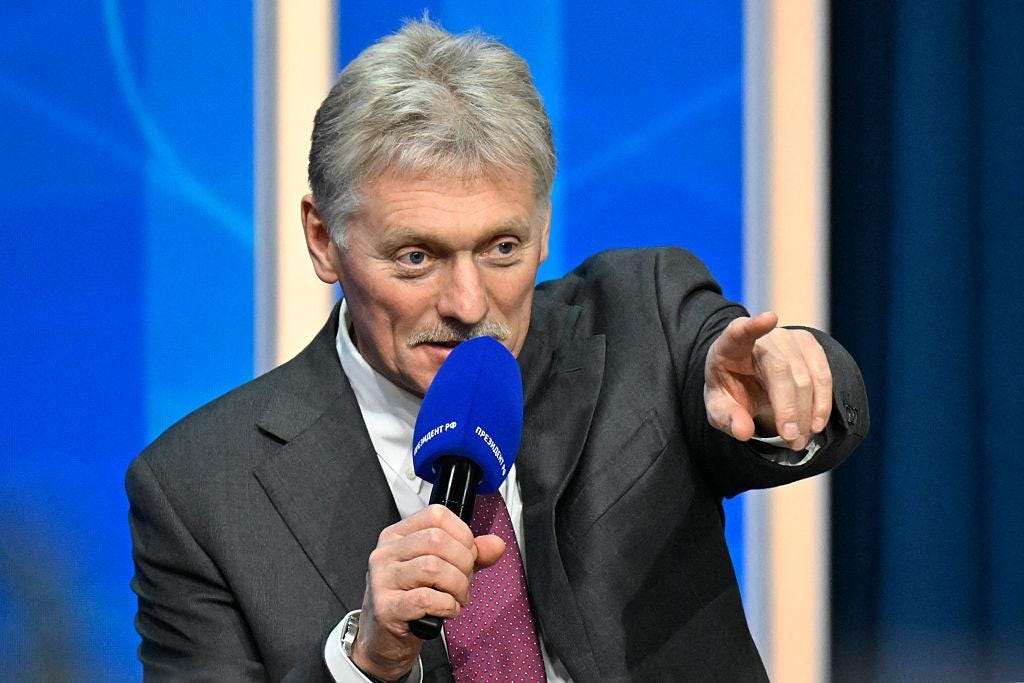
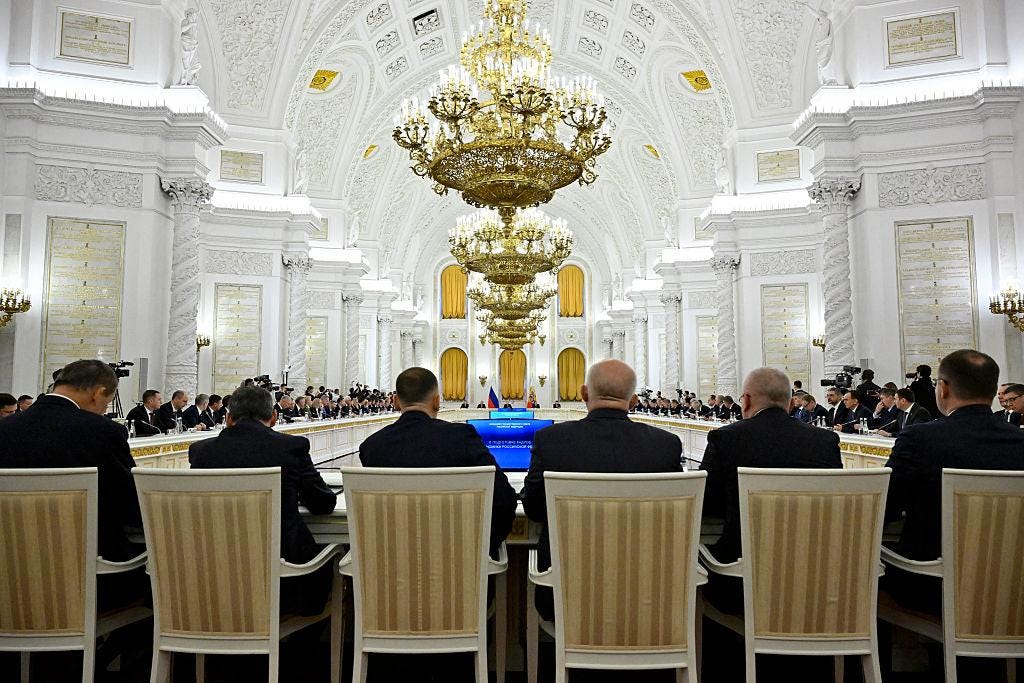
St. George’s Hall in the Grand Kremlin Palace in Moscow, often used for official ceremonies and meetings with President Vladimir Putin
For years the Kremlin relied heavily on emotional escalation.
The language was expansive because the ambitions were expansive.
The war was presented as:
historical,
transformative,
civilisational,
and inevitable.
This document sounds very different.
The emphasis is no longer on imminent transformation.
It is increasingly on:
governability,
sustainability,
continuity,
emotional adaptation,
and prolonged endurance.
That does not mean Russia is moderating.
In some ways the opposite may be true.
Long wars often become more dangerous when states successfully lower public expectations while preserving political legitimacy.
Because society no longer waits for dramatic victory.
It begins adapting psychologically to permanence.
The Most Important Change May Be Psychological
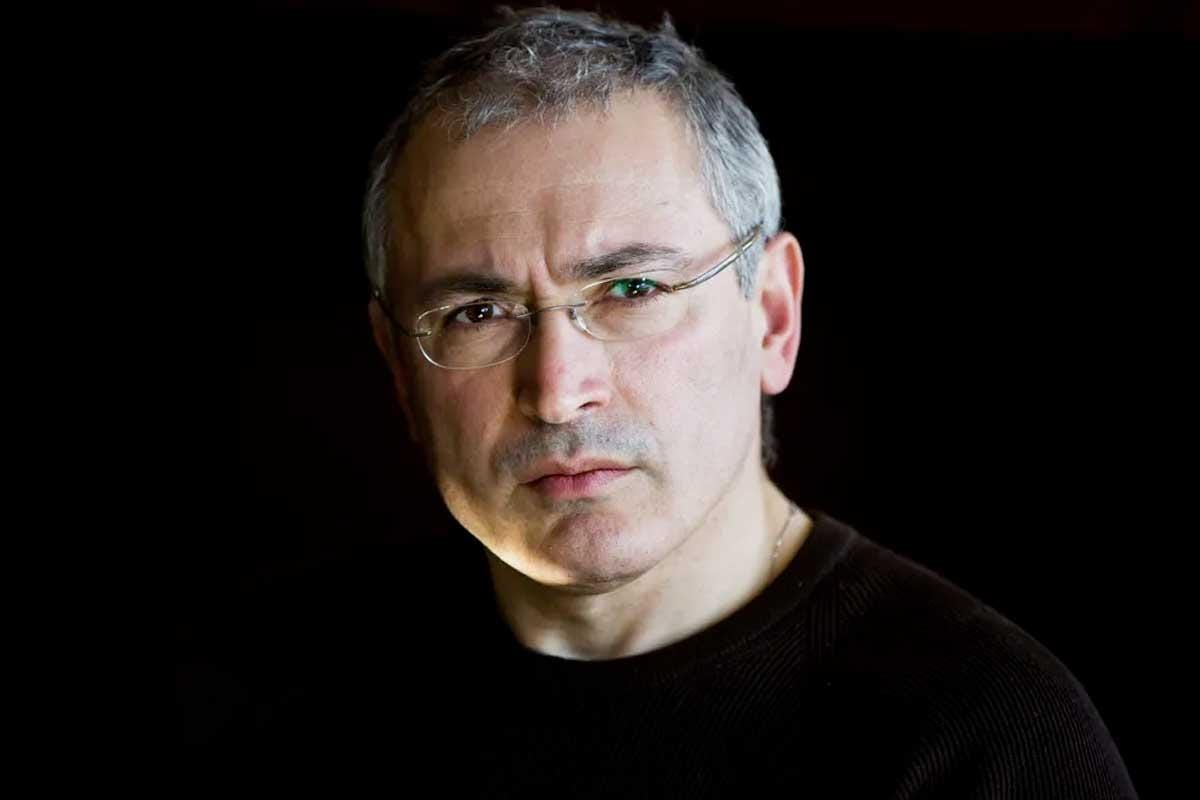
The leaked document was published by Mikhail Khodorkovsky.
He is a former Russian oil tycoon and former head of the oil company Yukos. He was arrested in 2003 and spent ten years in prison before being released in December 2013. Khodorkovsky is a well-known critic of Vladimir Putin and works in exile for democratic reforms in Russia. He has written, among other things, the book “How To Slay a Dragon: building a new Russia after Putin”
Some Russian observers increasingly interpret the war through endurance and sustainability rather than rapid victory.
The paper repeatedly avoids maximalist promises.
That absence is revealing.
Instead of promising decisive victory, the document reportedly emphasises:
resilience,
controllability,
acceptable stability,
long-duration pressure,
and adaptation to continuation.
Another excerpt reportedly notes:
“The population demonstrates higher tolerance for prolonged difficulty when expectations remain emotionally manageable.”
That sentence is extraordinarily important.
Because it reflects a different political logic from the early war period.
The Kremlin may no longer believe society can remain permanently mobilised through emotional intensity alone.
Instead, the state increasingly appears focused on:
managing fatigue,
narrowing expectations,
and making continuation psychologically sustainable.
That is a profound transition.
This Is Not the Language of Triumph
The paper does not sound victorious.
But neither does it sound defeated.
It sounds adaptive.
That may be the real signal.
The Russian state may increasingly understand that:
rapid transformation failed,
duration is now central,
and legitimacy therefore depends less on dramatic success than on maintaining emotional continuity under pressure.
That would explain the unusual restraint of the language.
And perhaps also explain why the document has not been decisively buried.
“The paper sounds less like mobilisation through intensity — and more like management through endurance.”
“The most revealing thing about the document may not be what it says, but how differently it speaks.”
“The Kremlin may increasingly seek emotional manageability rather than emotional escalation.”
CTA — Continue Reading the Pressure
Wars continue not only through force.
They continue through adaptation:
political,
economic,
psychological,
and social.
Start here:
Then continue:


Reflections
The most revealing political documents are often not the loudest.
They are the moments when power quietly changes the language it uses with itself.
This paper may be one of those moments.
Not abandonment of the war.
But adaptation to duration.
Ending
The leaked Kremlin paper does not sound like classical Kremlin rhetoric.
Less triumph.
Less ideological fury.
Less certainty.
More fatigue management.
More continuity.
More preparation for duration.
That may be the real signal.
It’s free
However, if you find reason to support my research - I would be grateful for any contribution in the range of: 2 to 8 $.
If you want to contribute you should upgrade to paid when you have pressed the Subscribe button. Then the pledge window should open. I have added a new button you can try.
However, there are no restrictions. Everything is free and public.
Please do me the favour to restack.
…”maybe”?