
The Hungarian Correction
What Hungary Actually Voted For — and Why the Narrative Failed

Reading time: 9 minutes
Credit: Inspired by Bianka @ Waronomics
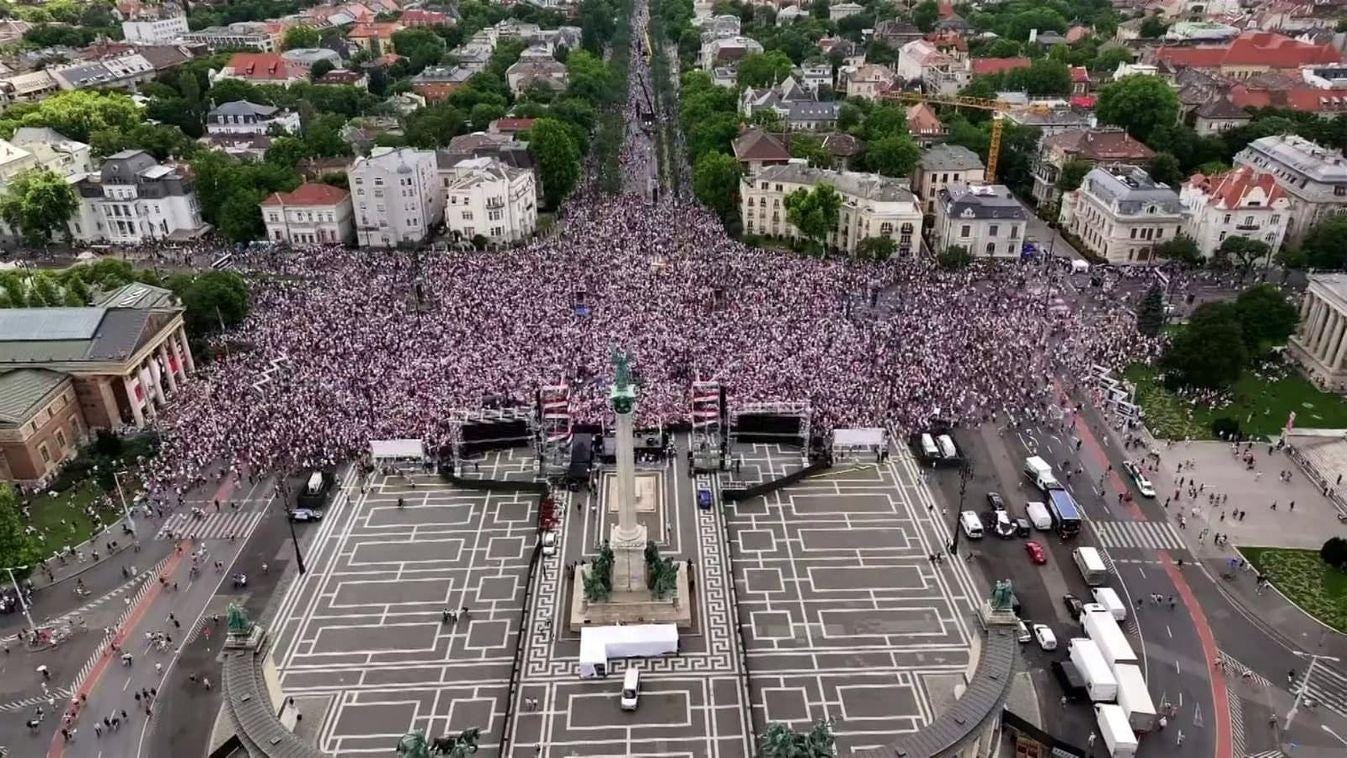
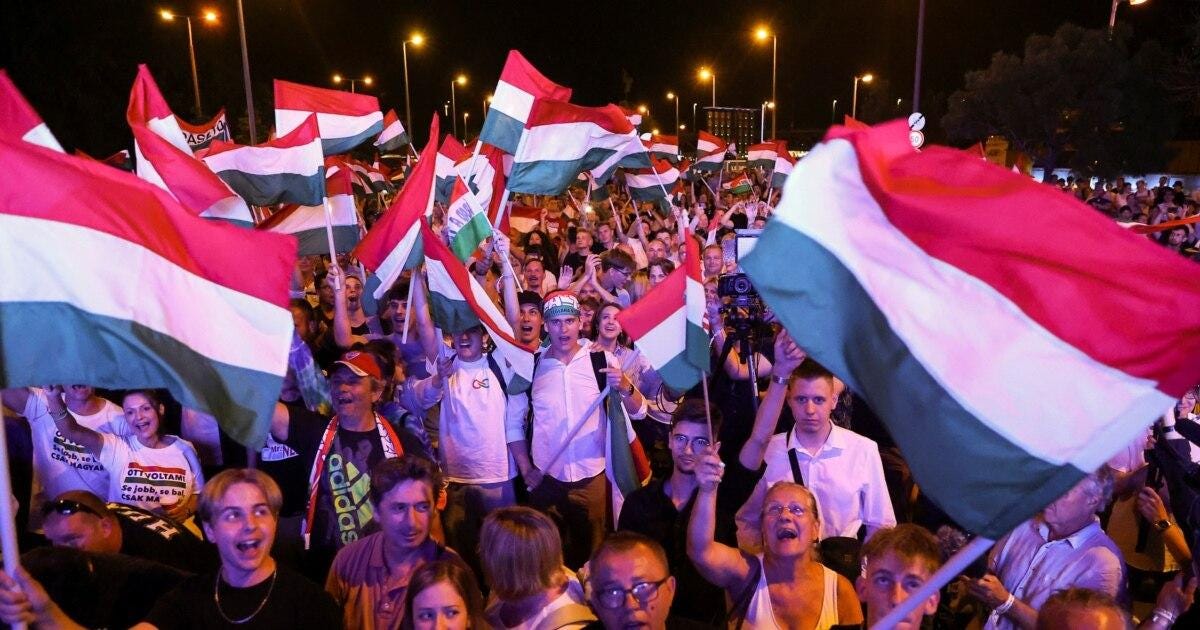
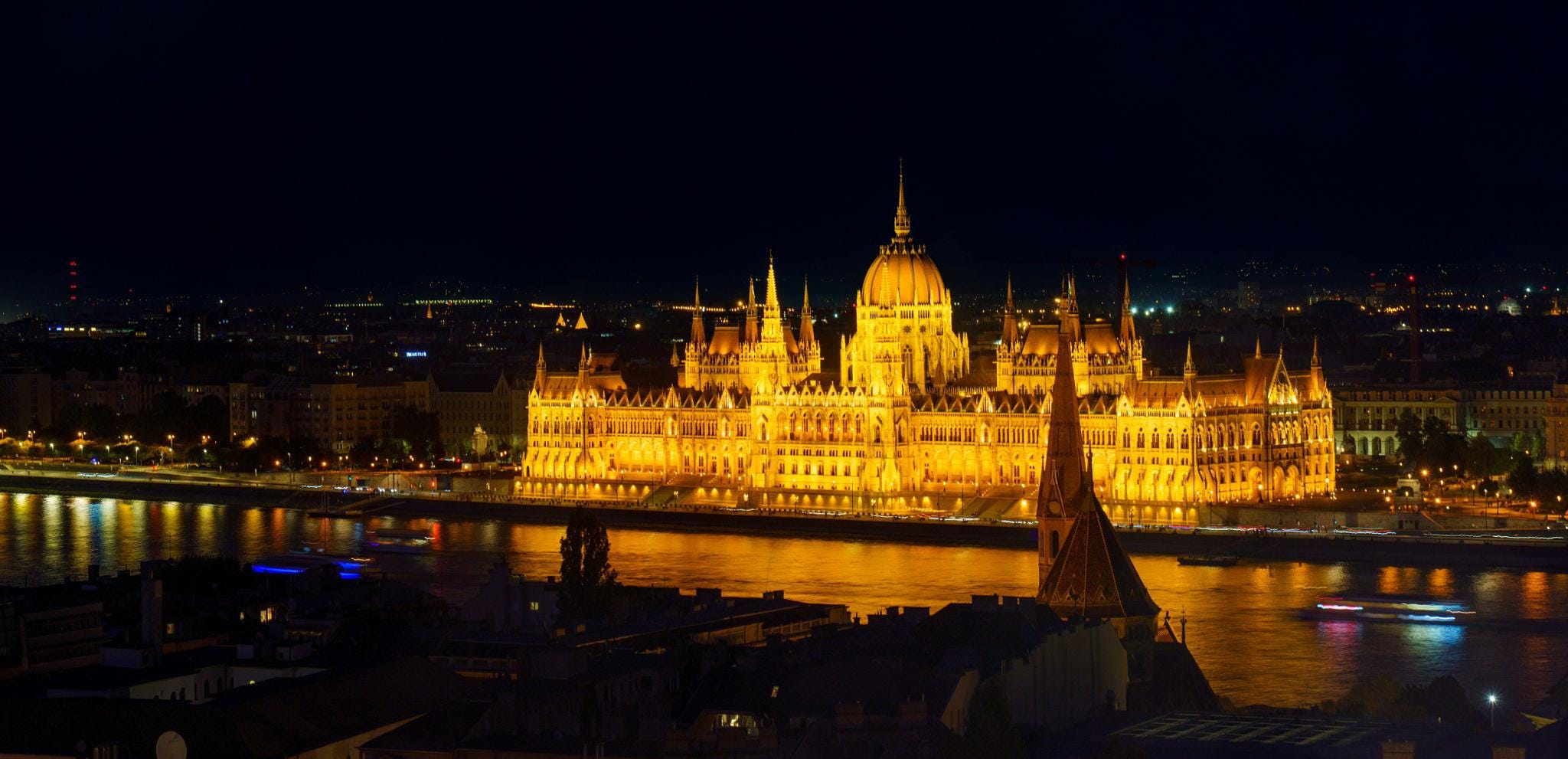

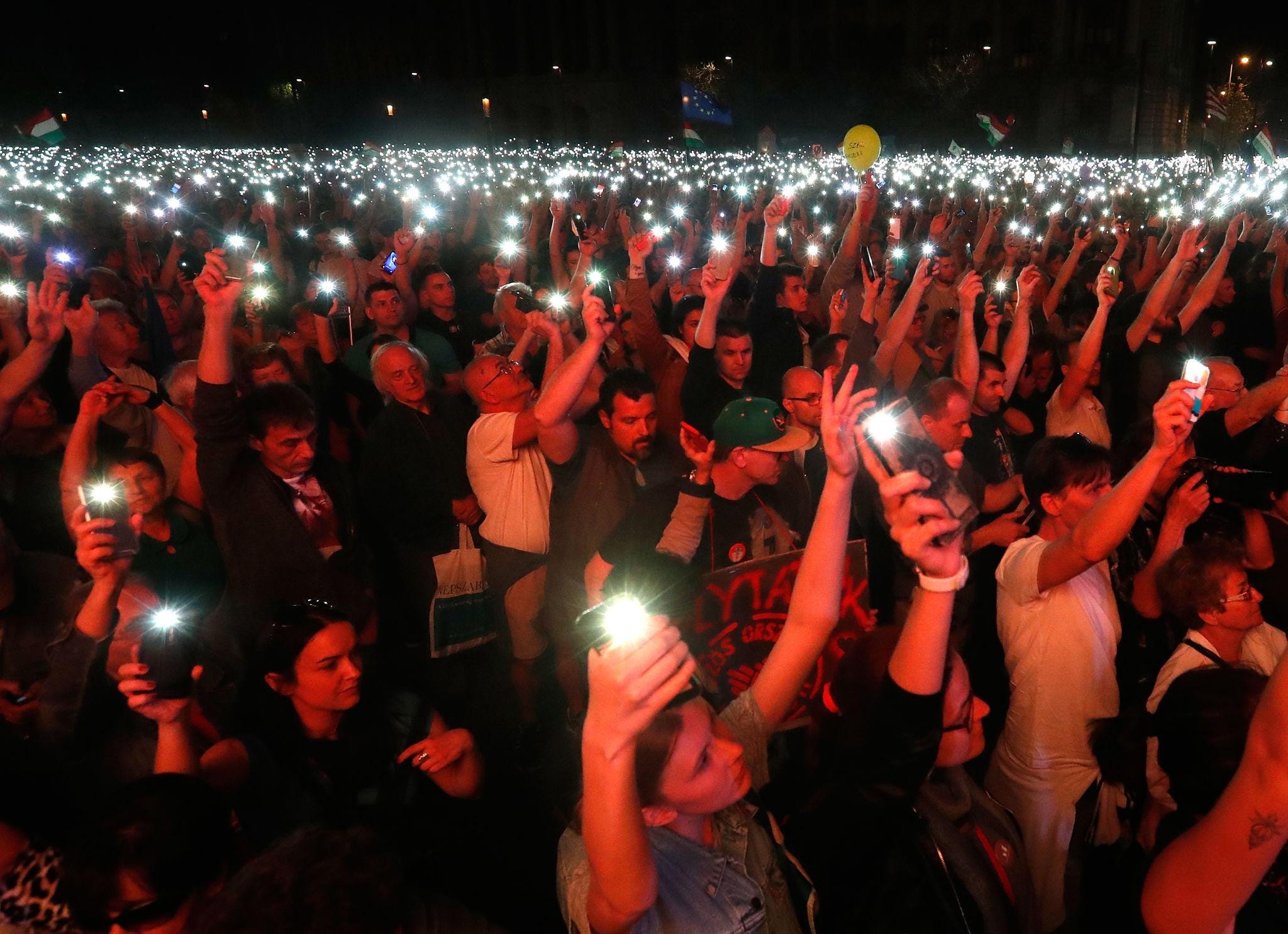
Most people are watching the wrong event.
They think Hungary voted on ideology.
It didn’t.
It voted on whether the country should work again.
What Actually Happened
Péter Magyar did not arrive as a revolutionary outsider.
He came from inside the system.
A conservative lawyer.
A former insider.
A man who knew exactly how the machinery had been bent.
And then he did something rare:
He described it.
Not abstractly.
Not academically.
But in concrete terms — contracts, networks, flows of money.
And that changed everything.
“This was not a revolt against ideology.
It was a revolt against how the country actually works underneath.”
From that moment, the election stopped being political theatre.
It became structural (how it is put together).
And once that happens, outcomes change.
The System Hungary Rejected





The mythology of Viktor Orbán’s Hungary was always clean:
Sovereignty
Stability
Strength
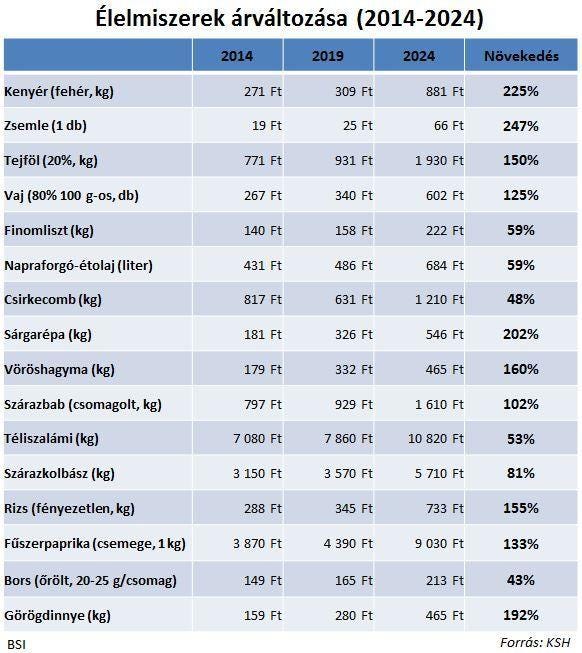
The reality was something else:
Wealth concentrated into a narrow circle
Institutions hollowed out
EU funds frozen
Living standards falling behind
This is the pattern Eastern Europe recognises immediately.
Not because it is new.
But because it is familiar.
“This was not a failure of policy.
It was a system that had begun to feed on itself.”
And when systems reach that point, they don’t collapse all at once.
They degrade.
Quietly.
Until enough people decide they’ve had enough.
The Misread in the West
Within hours, a different story took hold.
Not in Hungary.
But outside it.
A story built on signals, not facts:
Who congratulated whom
Which “side” appeared to win
Which narrative could travel fastest
The conclusion came quickly:
Hungary had fallen.
The West had lost.
The problem is simple.
This interpretation had almost nothing to do with Hungary.
“When analysis is replaced by pattern recognition,
reality becomes optional.”
What followed was predictable.
A narrative spread faster than the facts.
And it did so because it was easier to process.
The Propaganda Layer




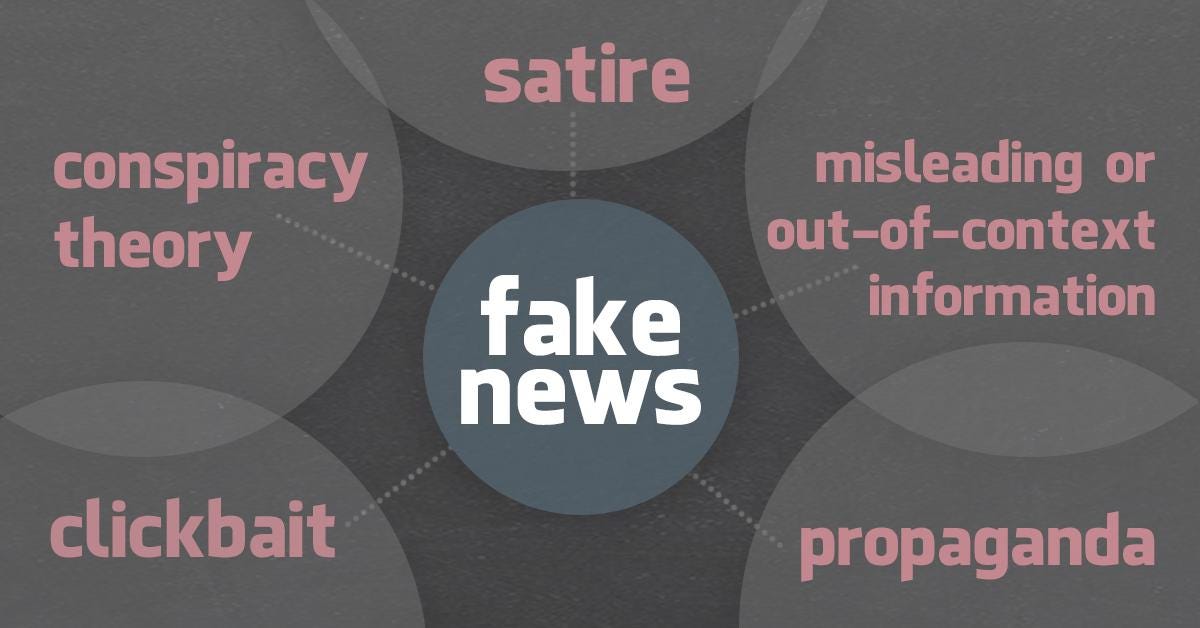
This is where the story becomes important beyond Hungary.
Because the mechanism is not new.
It is simple:
Guilt by association.
If the “wrong people” approve something,
then it must be wrong.
No verification required.
This is not analysis.
It is a shortcut the system rewards.
And that shortcut aligns perfectly with modern information warfare.
“You do not need to believe propaganda to spread it.
You only need to repeat it fast enough.”
That is the real system at work.
Not Hungarian politics.
But the machinery that shapes perception of it.
What Eastern Europe Saw
For Eastern Europeans, the event looked different.
They were not watching signals.
They were recognising patterns.
They have seen:
captured institutions
oligarchic extraction
political systems that preserve themselves
They know how those systems behave.
And more importantly:
They know how difficult they are to reverse.
“This was not just an election result.
It was proof that a captured system can still be broken.”
That is why the reaction in the region was not confusion.
It was clarity.
The Real Outcome
Hungary did not vote for liberalism.
It did not vote for progressivism.
It did not vote for a geopolitical shift.
It voted for something simpler:
A state that functions.
Courts that act
Funds that flow
Institutions that serve
A government that does not extract
That is the correction.
The System Lesson

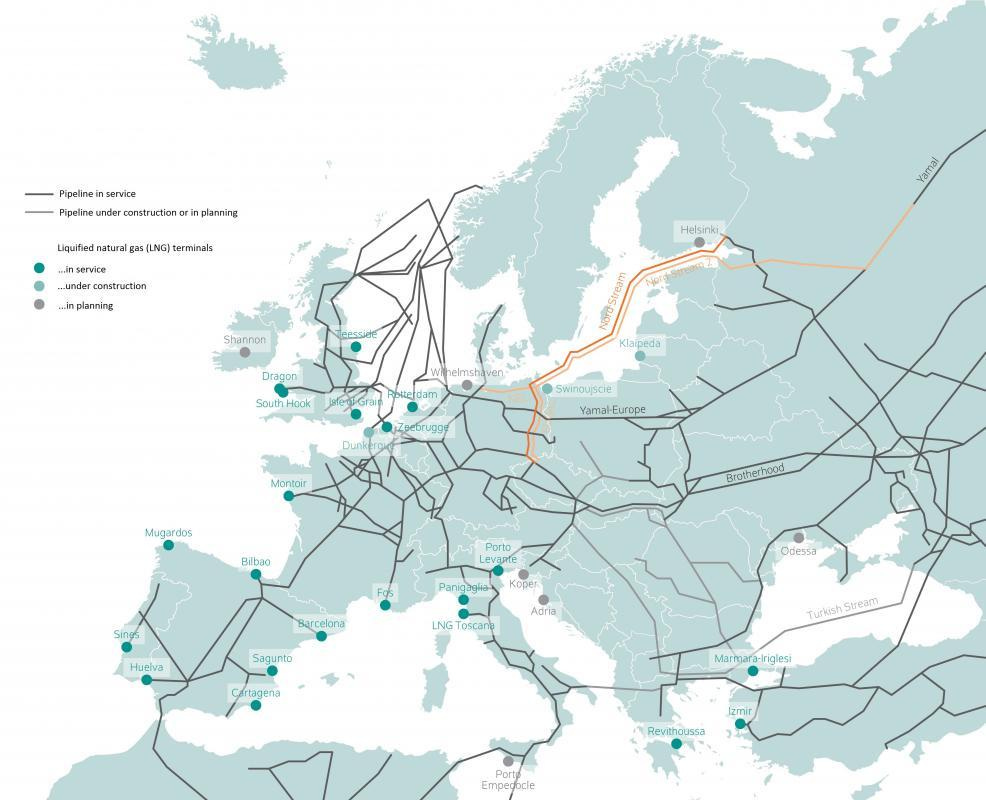

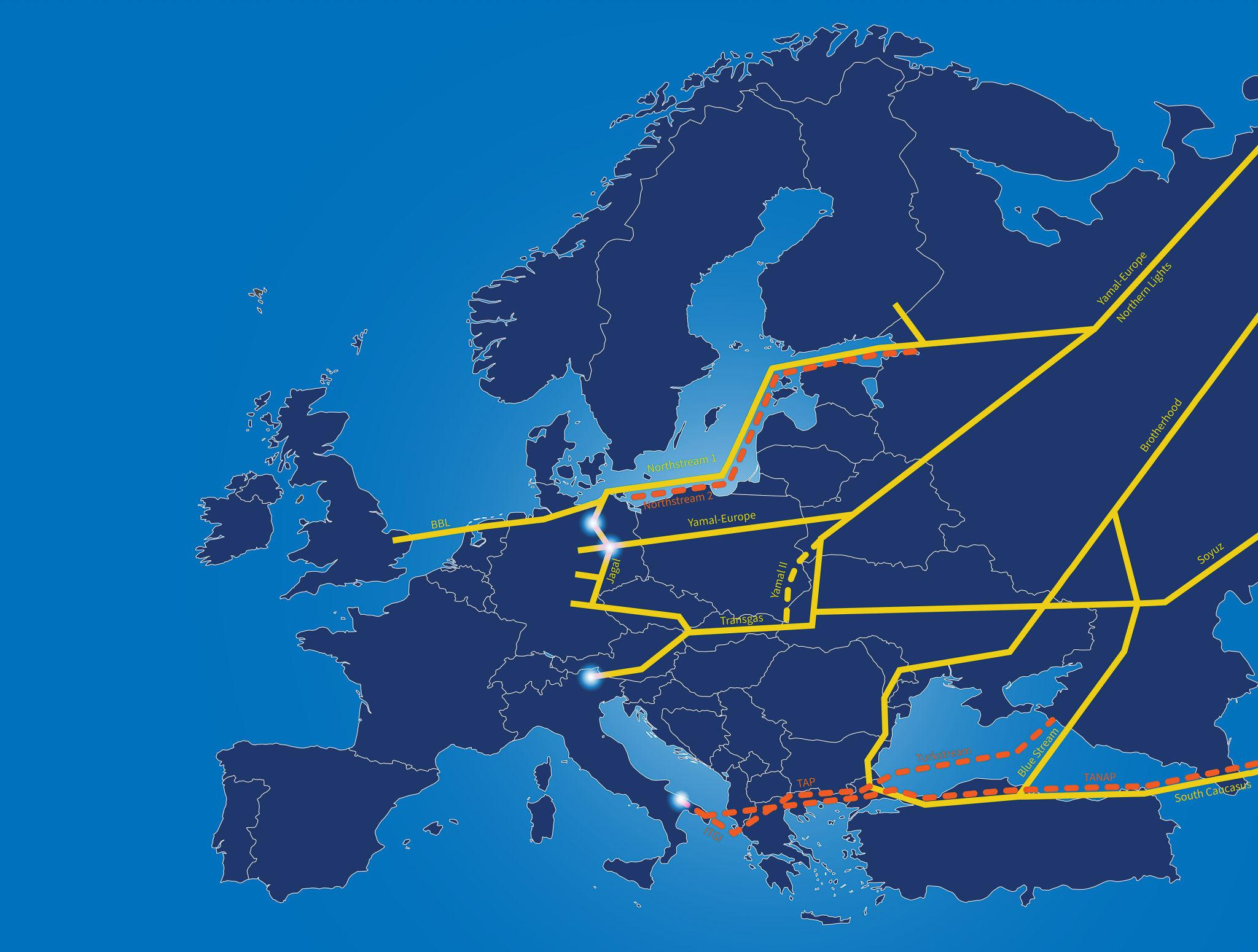
If you step back, Hungary is not an isolated event.
It is part of a wider pattern:
Systems under pressure behave in predictable ways.
They:
tighten control
concentrate resources
distort information
delay correction
Until they cannot.
And when correction comes, it rarely looks ideological.
It looks functional.
“People do not rise for theories.
They rise when the system stops working.”
Where This Leads
This is the part many will miss.
Hungary is not the end of something.
It is a signal.
To systems under strain
To alliances under pressure
To narratives drifting away from reality
Because once a system correction happens in one place,
it changes expectations elsewhere.
And expectations are contagious.
If you want to understand where this is going next, start here:

Because what happened in Hungary is not separate from the wider system.
It is part of it.
Final Note
If this helped you see the event more clearly,
share it with someone still watching the wrong story.
And if you want to follow how these systems evolve —
consider subscribing and joining the discussion.
Because the most important shifts
rarely happen where people are looking.
It’s free
However, if you find reason to support my research - I would be grateful for any contribution in the range of: 2 to 8 $.
Ideology is the road to perdition; pragmatism is the road to good goverence