
The Fear Problem
Ukraine, NATO, and the democratic coalition that may decide the war. The Carney idea.

Russia says Europe should stay out of negotiations about Ukraine.
That alone reveals the central strategic fact of the war.
The Kremlin does not fear Europe’s presence because it is irrelevant.
It fears it because European leadership could fundamentally change the outcome of the conflict.
And the moment for that leadership may now be approaching.
Ukraine’s exhaustion problem
Ukraine faces a brutal strategic reality.
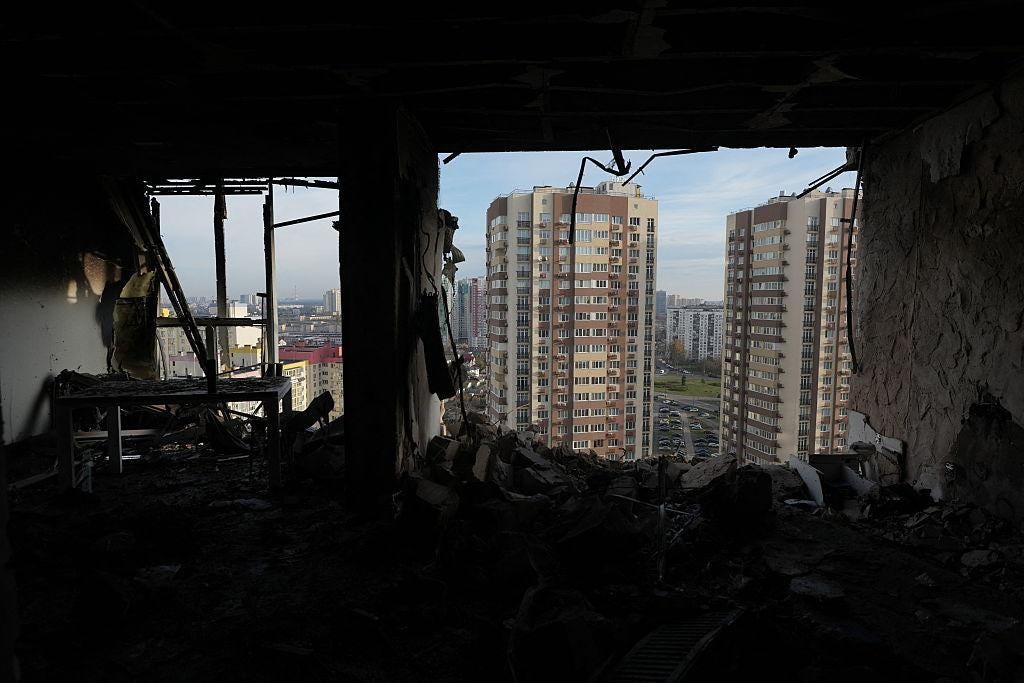
The war is increasingly becoming a war of destruction.
Cities are slowly ground down.
Energy infrastructure is repeatedly targeted.
Civilian life is disrupted month after month.
Ukraine’s armed forces continue to resist effectively. But no country can indefinitely sustain the destruction of its cities and infrastructure.
The war therefore turns on a simple strategic question.
Will Ukraine merely endure —
or will it eventually win?
“Ukraine can survive a long war. What it cannot survive indefinitely is the destruction of its cities.”
The oil that fuels the war
Energy remains the financial backbone of Russia’s war effort.
The easing of oil sanctions under
Donald Trump
has increased Russia’s ability to generate wartime revenue.
Energy exports remain the Kremlin’s most important economic lever.
More export flexibility means:
• stronger Russian state finances
• greater military spending
• longer endurance for the Russian war economy
The battlefield therefore extends beyond Ukraine’s front lines.
It also runs through global energy markets.
Europe’s cautious strategy
Europe has been indispensable in sustaining Ukraine.
European governments provide:
• financial support
• weapons systems
• humanitarian assistance
• training for Ukrainian forces
Without Europe, Ukraine could not continue the war.
Yet Europe’s strategy has often been calibrated around one central objective.
Prevent Ukrainian defeat.
Victory, by contrast, has rarely been articulated as the strategic goal.
“Europe helps Ukraine survive. The unresolved question is whether it is willing to help Ukraine win.”
The nuclear question
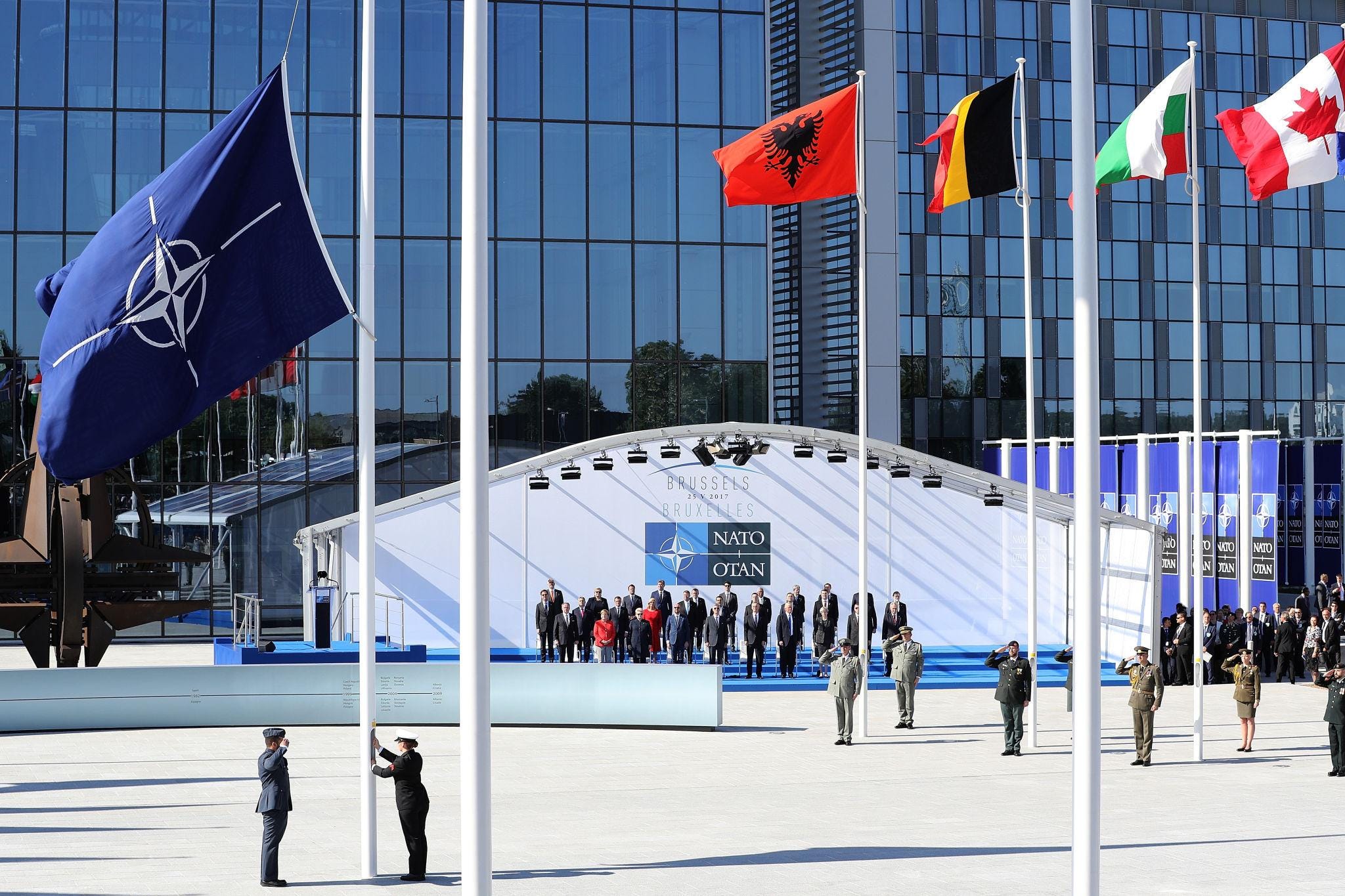
European leaders frequently cite the risk of nuclear escalation.
Russia’s nuclear rhetoric is designed precisely to shape Western behaviour.
But the credibility of that threat remains debated.
Russia itself has strong incentives not to cross the nuclear threshold.
Nuclear use would contaminate regions central to Russia’s own strategic geography and disrupt maritime routes on which the Russian economy depends.
More importantly, the consequences of retaliation — military, political, and economic — would be unpredictable and potentially catastrophic for the Russian state.
Russian strategic culture is often described as deeply paranoid, shaped by centuries of insecurity.
That paranoia cuts both ways.
If the Kremlin threatens escalation, it must also assume that its adversaries might respond.
“Nuclear threats shape Western caution — but they also reveal Russia’s own fear of escalation.”
The wider democratic coalition
One of the most important developments of the war has been the emergence of a global democratic response.
Countries far beyond NATO have begun to act.
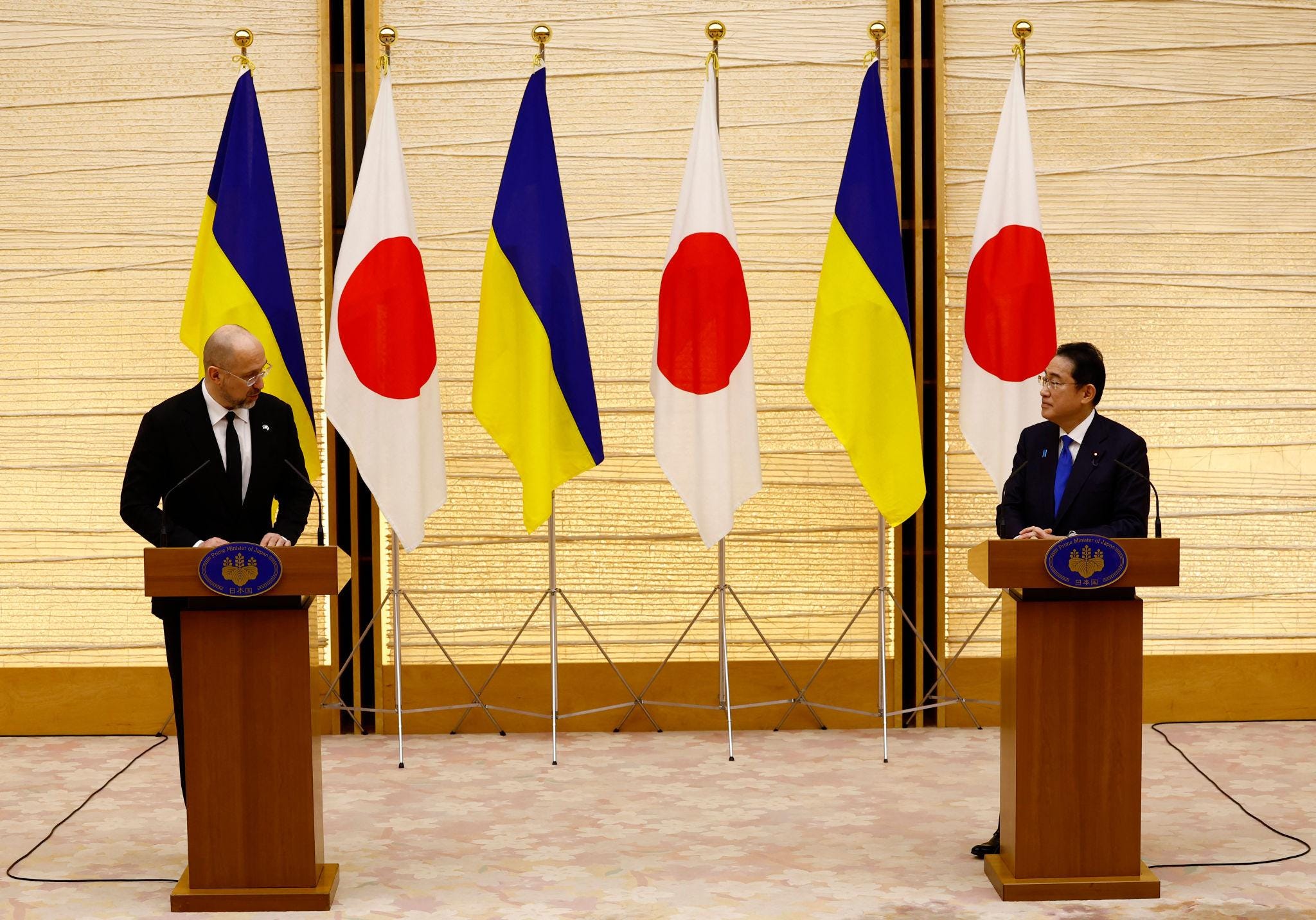
Japan has provided major financial assistance supporting Ukraine’s economy.
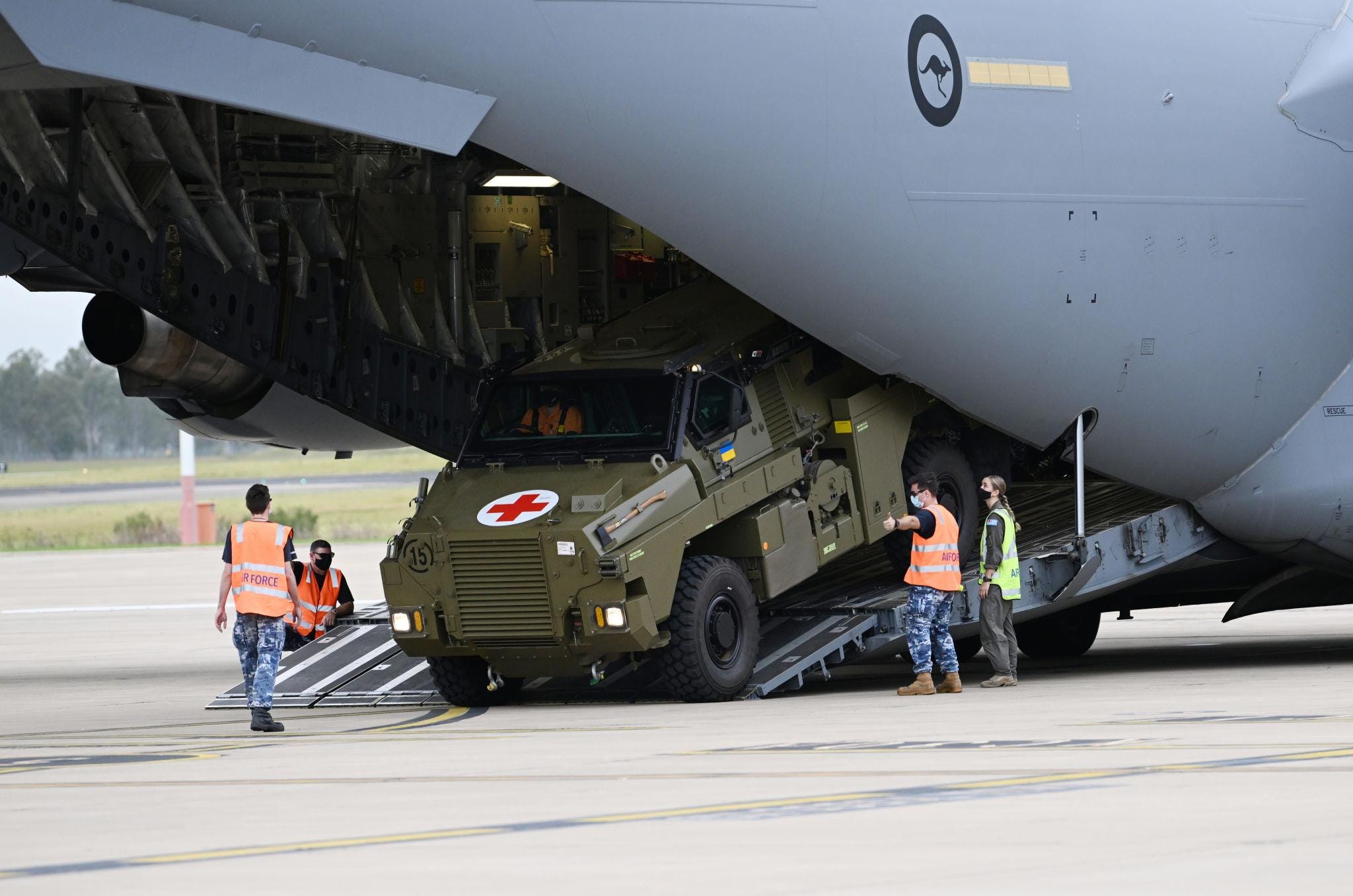
Australia has delivered military equipment and training support.
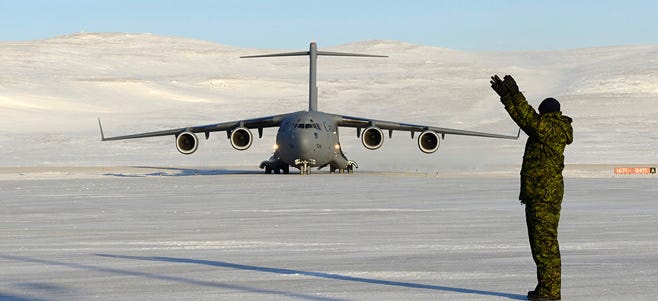
Canada is expanding Arctic defence initiatives, strengthening the northern flank of the democratic world.
Across Europe, governments are launching the largest rearmament programmes since the Cold War.
Taken together, these steps reveal something important.
The defence of Ukraine is gradually becoming a global democratic effort.
“What is emerging is not merely NATO support for Ukraine — but a widening democratic coalition.”
The Carney idea
Among the most outspoken advocates of this broader alignment is
Mark Carney.
Carney argues that democratic security must extend beyond traditional Atlantic institutions.
Instead of relying solely on NATO, democratic states should connect across regions:
Europe
North America
the Indo-Pacific
Japan, Australia, and other partners are not peripheral actors.
They are part of the same strategic ecosystem.
This coalition may prove influential for a simple reason.
It may be less constrained by Europe’s historical caution.
The American variable
No analysis of the war can ignore the decisive role of American politics.
The United States remains the central pillar of Western military power.
This makes the upcoming U.S. midterm elections strategically significant.
If Republicans were to lose control of Congress, the political balance in Washington could shift.
Support for Ukraine might become more stable and less vulnerable to partisan conflict.
Even before the election itself, the campaign — beginning in earnest in late March — will begin to reveal the direction of American politics.
Candidates will signal their positions on Ukraine, NATO, sanctions, and energy policy.
Allies and adversaries alike will be watching closely.
Because elections do not merely change governments.
They shape expectations of future policy.
Could the coalition change Europe?
Europe’s strategic culture since 1945 has been shaped by caution and crisis management.
The Indo-Pacific democracies operate under different assumptions.
Japan faces China and North Korea.
Australia confronts rapid regional power shifts.
Canada increasingly views Arctic security through the lens of great-power competition.
These countries tend to frame security in terms of deterrence and strategic clarity, not gradual escalation management.
If their influence grows within the wider democratic coalition supporting Ukraine, the psychological balance inside the democratic world may begin to shift.
“The most important effect of the democratic coalition may not be military. It may be psychological.”
The strategic alternative
Imagine a different trajectory.
Europe expands military assistance significantly.
Ukraine receives the resources required not merely to endure but to reverse Russian momentum.
At some point Russia concludes that victory is impossible.
Wars often end not when negotiations begin, but when one side realises it cannot win.
The paradox of the Ukraine war may therefore be simple.
The fastest path to peace may lie in greater strategic clarity — not greater caution.
Strategic verdict
Europe stands at a quiet turning point.
The war has already transformed the alliance system of the democratic world.
A wider coalition is emerging.
The only remaining question is whether Europe will remain the cautious manager of American strategy —
or become one of the leaders shaping it.