
The Drone Strait
Why Iran Doesn’t Need to Win the War to Win the War

Credit to Phillips O’Brien being interviewed by Paul Krugman.
When the United States and Israel launched their strikes against Iran, the assumption in many Western capitals was simple: overwhelming air power would decide the conflict.
In purely military terms, that assumption was not entirely wrong.
The United States and Israel possess two of the most capable air forces on earth. They can strike almost any visible target inside Iran. Air defences have been degraded, command centres hit, and infrastructure damaged.
But as military historian Phillips O’Brien argues, air supremacy does not automatically translate into strategic control. And the war now unfolding in the Persian Gulf is exposing a transformation in how modern conflicts are fought.
Iran does not need to defeat the United States militarily.
It only needs to make the war economically unbearable.
The Geography of Leverage
The strategic centre of gravity is not Tehran.
It is the Strait of Hormuz.
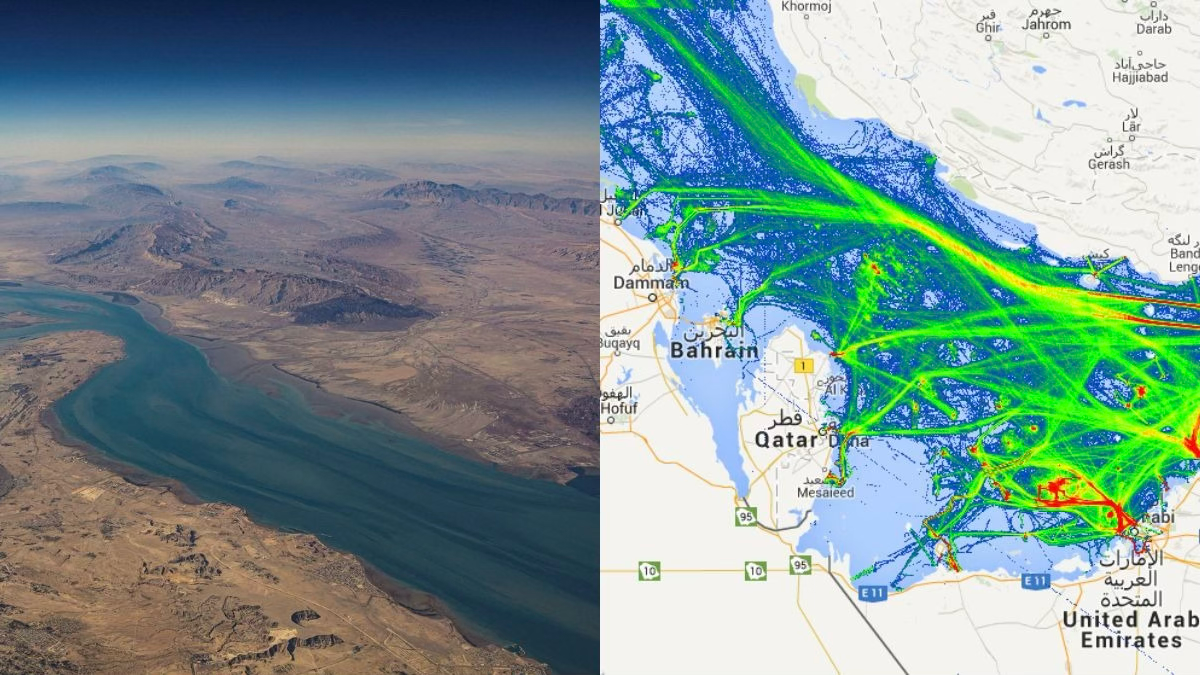
Roughly one-fifth of the world’s oil supply passes through the narrow waterway connecting the Persian Gulf to the Indian Ocean. The strait is only about thirty kilometres wide at its narrowest point.
More importantly, Iran controls the entire northern coastline.
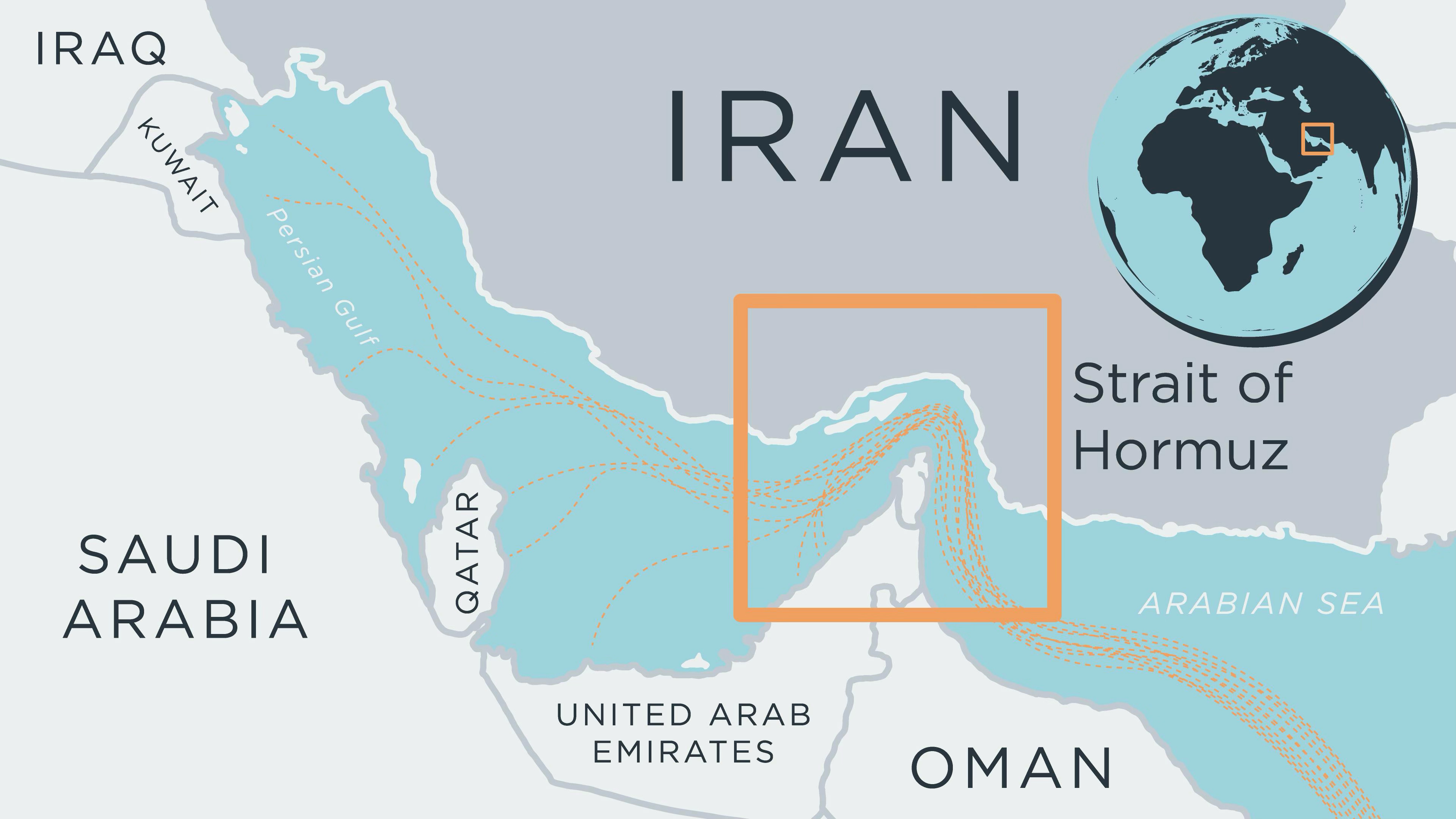
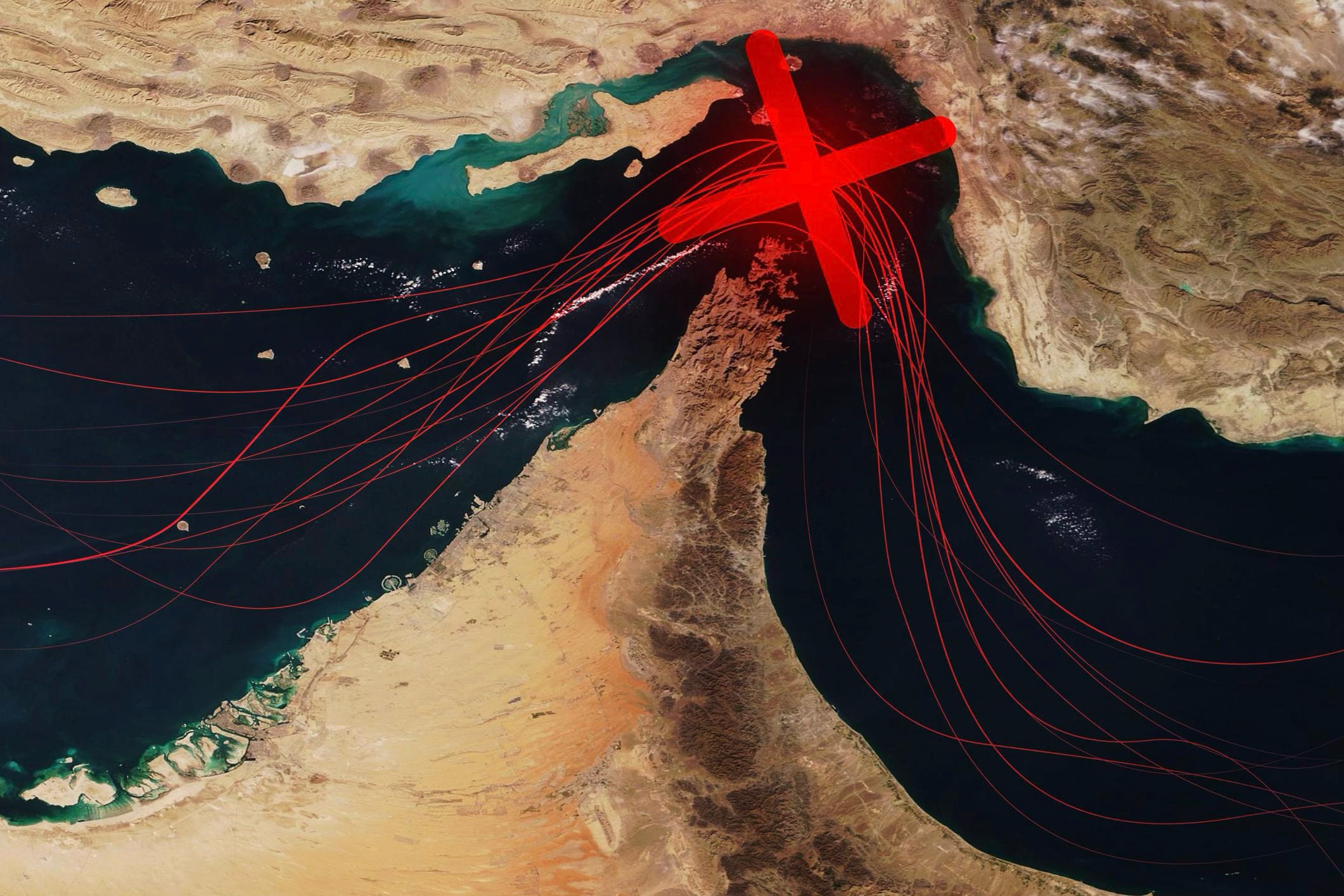
This geography gives Tehran a decisive asymmetric advantage. Tankers moving through the Gulf are enormous, slow, and almost completely unprotected. Unlike naval vessels, civilian ships cannot manoeuvre quickly or defend themselves against aerial threats.
A single inexpensive drone can disrupt a vessel worth hundreds of millions of dollars.
And disruption is all Iran needs.
Insurance costs spike. Shipping companies withdraw. Energy markets panic.
The strategic effect cascades across the global economy.
The Strait of Hormuz carries roughly a fifth of the world’s oil supply. Its narrow waters place global energy flows within easy reach of Iranian drone and missile forces.
The $30,000 Problem
The heart of the problem lies in the economics of modern warfare.
Iranian drones are cheap.
Many variants cost between $30,000 and $50,000 to produce.
To destroy them, the United States often relies on advanced air-defence systems such as Patriot interceptors costing millions of dollars per shot.
This creates a brutal cost imbalance.
A $30,000 drone forcing a $3 million missile launch is not just warfare — it is economic exhaustion by design.
Even if the United States successfully intercepts every incoming drone, it loses economically with each engagement. The defender spends far more than the attacker.
Ukraine confronted exactly the same dilemma.
Rather than relying solely on expensive Western systems, Ukrainian engineers developed anti-drone drones costing only a few thousand dollars. These systems hunt and destroy hostile drones at a fraction of the cost.
It is one of the most important technological adaptations of the war in Ukraine.
And it illustrates a broader shift.
Industrial warfare is returning — but this time with autonomous systems.
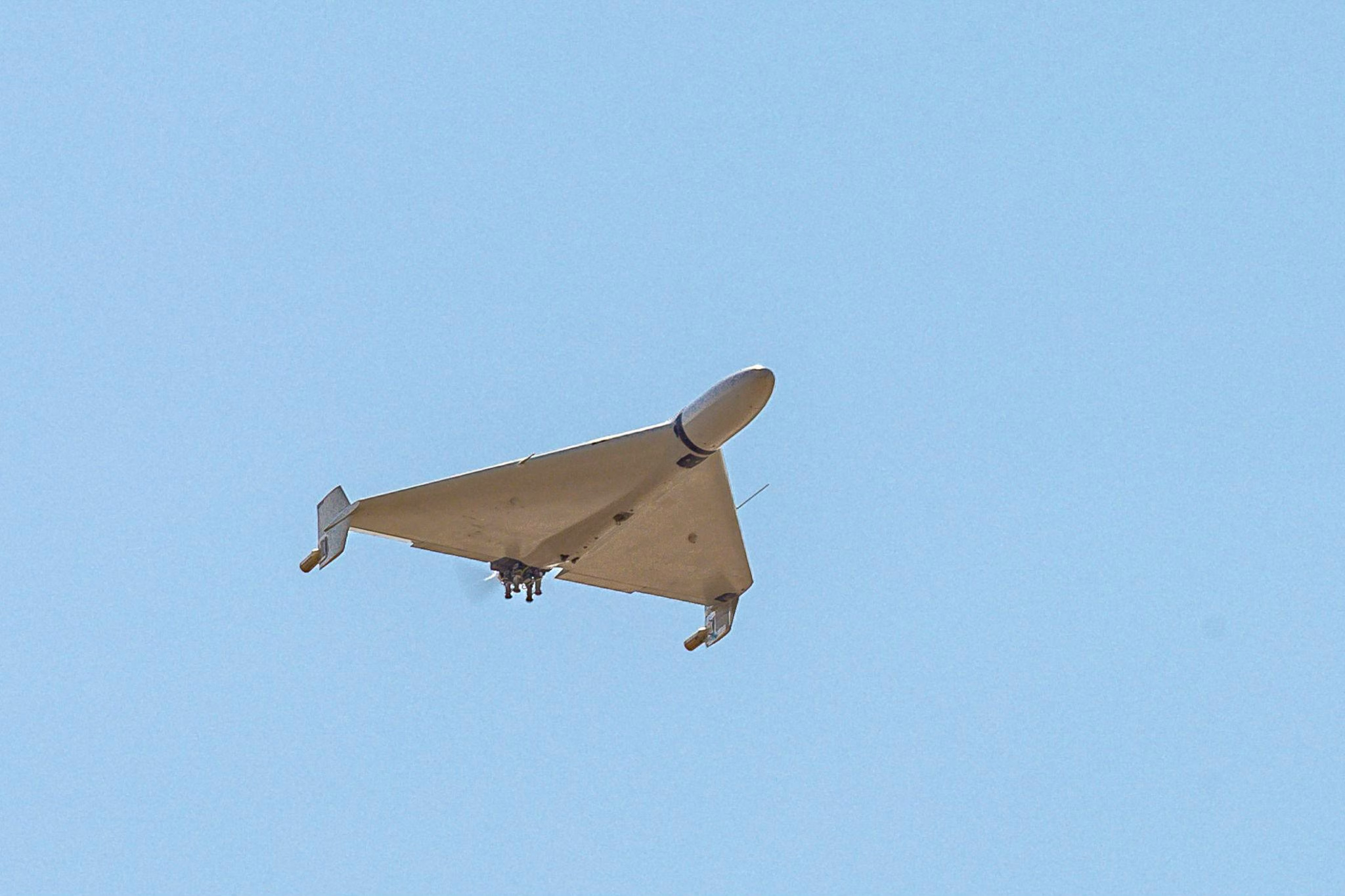
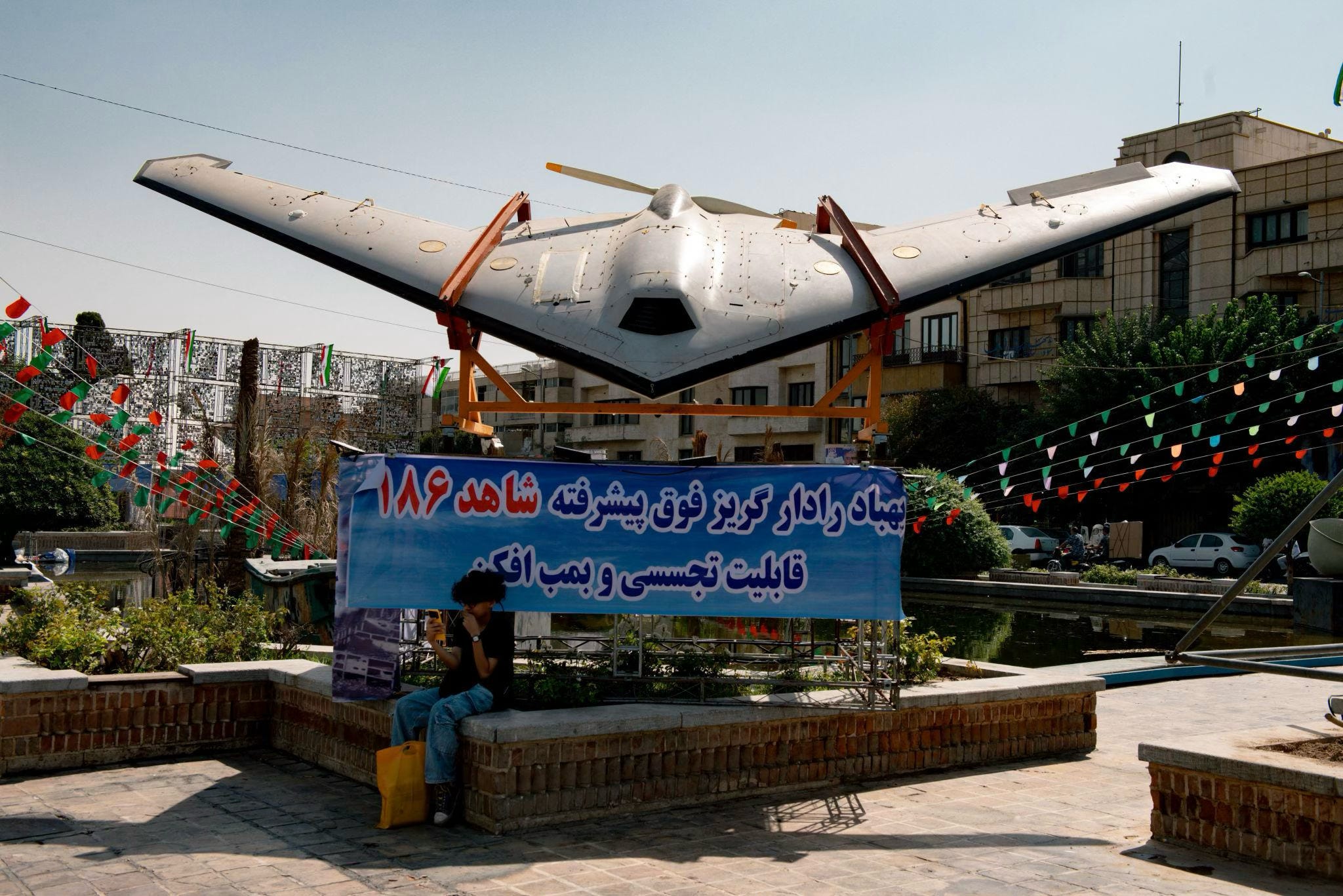
Iran’s Shahed-type drones are inexpensive, mass-produced weapons designed to exhaust expensive air-defence systems.
The End of Classical Air Supremacy
For decades, American military doctrine assumed that air power would follow a predictable sequence.
First, neutralise enemy air defences.
Second, destroy enemy aircraft.
Third, dominate the battlespace.
That model worked in Iraq in 1991. It worked again in 2003.
But drones are breaking that paradigm.
Unlike fighter aircraft, drones do not require major air bases. They can be launched from small trucks, temporary pads, or even civilian locations. They are easy to disperse and difficult to detect.
Destroying every launch platform becomes a needle-in-a-haystack problem.
As O’Brien notes, the result may be a new equilibrium in warfare: both sides retain the ability to strike, even when one side clearly dominates the skies.
Air superiority no longer guarantees safety.
The Gulf as a Permanent Kill Zone
If drones can reach tankers anywhere in the Gulf, there is effectively no safe shipping lane.
This creates a strategic situation reminiscent of the “kill zones” now seen on the battlefields of Ukraine.
But instead of tanks and infantry, the targets are oil tankers.
In the Persian Gulf, the question is no longer who controls the skies.
The question is who can afford the drones.
The economic consequences could be immense.
Oil prices have already surged. Fertiliser exports from the Gulf — crucial for global agriculture — are under threat. Even helium shipments, vital for semiconductor manufacturing, could be disrupted.
In other words, a regional conflict risks becoming a global economic shock.
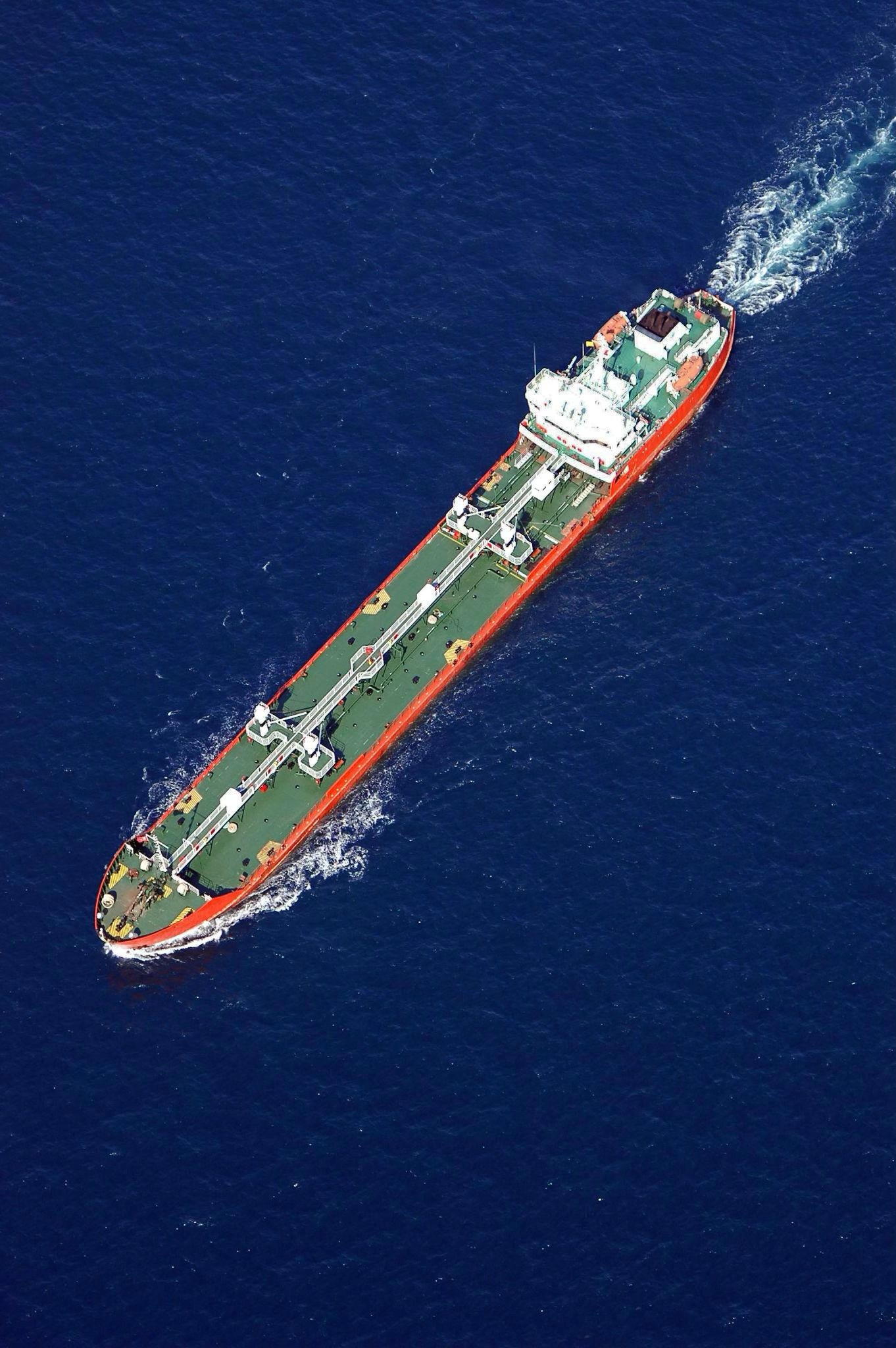
Large tankers moving through the Gulf are slow, exposed targets — ideal for drone and missile attacks.
The Strategic Trap
The United States now faces an uncomfortable dilemma.
Continuing the air campaign alone will not reopen shipping lanes. Tanker operators will not risk vessels worth hundreds of millions of dollars if even a handful of drones remain active.
Two options remain.
The first is de-escalation: negotiating some form of ceasefire that restores shipping through Hormuz.
The second would be far more dangerous — deploying ground forces along parts of the Iranian coastline to physically secure maritime routes.
Such an operation would require major troop deployments, logistics hubs, and sustained combat operations.
It would also risk a wider regional war.
Neither option was clearly prepared in advance.
The War That Strengthens Moscow
There is another strategic irony.
Rising oil prices benefit Russia.
Higher energy revenues strengthen the Kremlin’s war economy at the very moment Western aid to Ukraine has slowed. According to some estimates, the surge in oil prices could be adding over $100 million per day to Russian revenues.
A conflict intended to weaken Iran may therefore be indirectly strengthening Moscow.
And Beijing, meanwhile, continues purchasing Iranian oil.
The Future of War
What is emerging in the Gulf may represent the next phase of modern warfare.
Cheap drones.
Distributed launch systems.
Persistent long-range strikes.
In this environment, technological superiority alone is no longer decisive.
Mass production matters. Cost efficiency matters. Geography matters.
And sometimes the weaker power does not need to win battles.
It only needs to make victory impossible.
If you found the article useful, I would appreciate it if you would give it a restack.
Kære Dr. Boserup, tak for din kloge artikel. Substack er både en dør til global forståelse og demokrati.
En mindre obsessiv klage, en tanke og minder. Først tak for dit anti-torturarbejde. Befri folk fra frygt.
1. Mindre klage: Efter min mening er det ikke prisen på droner, men droneaflytning. Jeg håber, at Ukraine opkræver "mafia-knæk-dine-ben" højere end høje priser for at finansiere krigen, der betyder noget.
2. Tanker - Trump er fanget i en anti-Thukydids-fælde - oldgammel magt holder opkomlingen tilbage.
3. I 1956 besøgte min familie Danmark. Tivoli lever stadig i mit hjerte. Min kinesiske kone og jeg tænker på København som den ideelle sommerby. Dine tanker. Med venlig hilsen, pdterdohan1@gmail.com
Iran-vs-US/Israel and the Ukraine War feel like the Russo-Japanese War of our age: set to show us that a new age of warfare is upon, what its outlines are, and that the old order is going to be shaken up.
"...the assumption in many Western capitals was simple: overwhelming air power would decide the conflict."
Indeed. The big question, the one that I can hardly believe we're asking yet again, is why do they continue to think this after it has failed to do so time after time?
I suppose within the Trump administration it's understandable: Trump surrounds himself with sycophants, and they've run off or fired most of the competent people. The opinions of those who knew attacking Iran was folly never had a chance to penetrate.
Iran's not going to accept a ceasefire. What's their motivation? They're in the better strategic position and know they'll just get attacked again in another couple of years. At the very least are going demand some serious assurances that won't happen. I've heard they also will likely want reparations. It's hard to see Trump being willing to eat that much crow.
Nevertheless, a not insignificant part off me can imagine him simply declaring victory and walking away. It would be ridiculous, surreal even, but he lies to himself and the world about so much, why not victory in Iran?