
The Breaking Point
What War Fatigue in Ukraine Does—and Does Not Mean

Reading time: 6–7 minutes
Credit to DER SPIEGEL
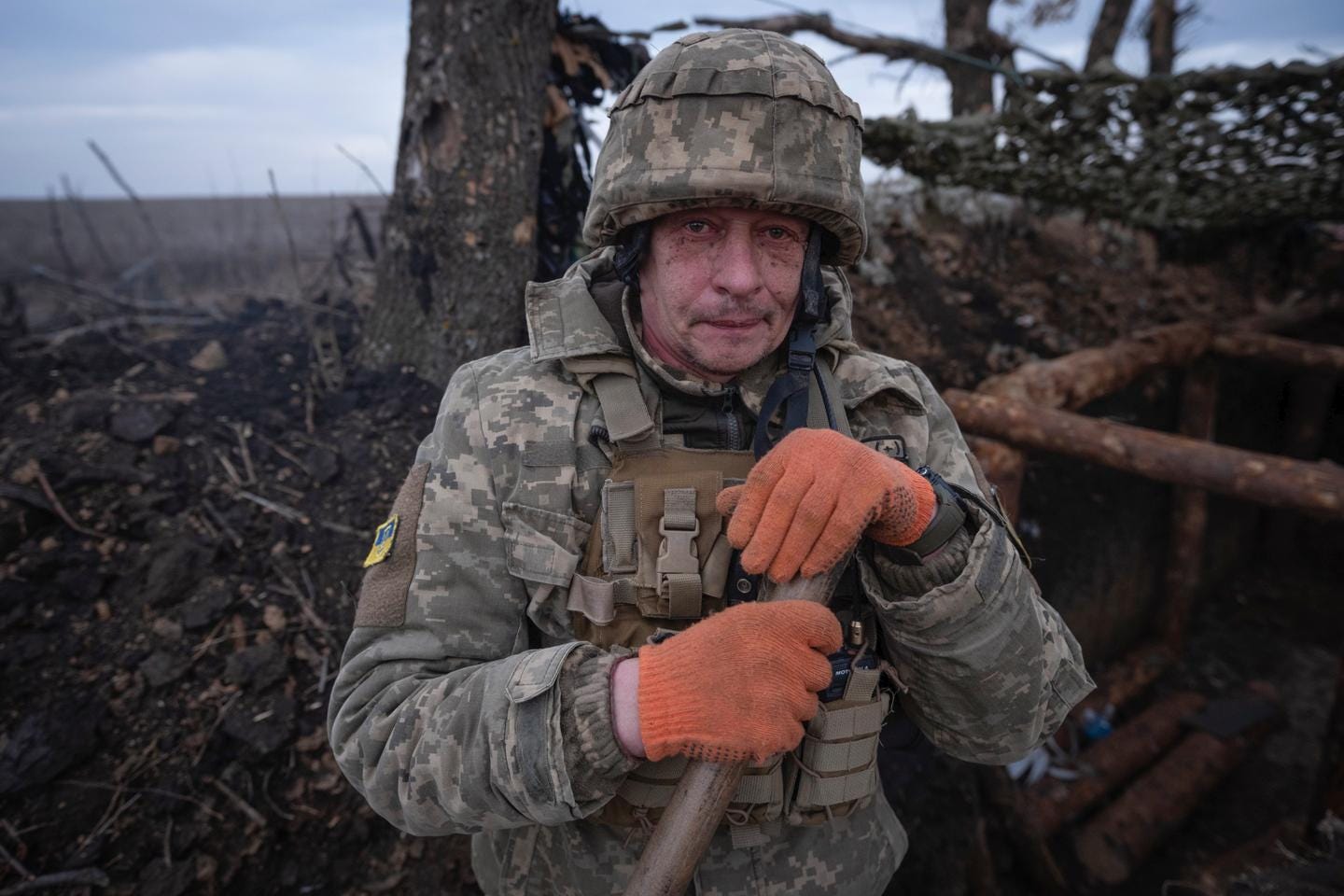
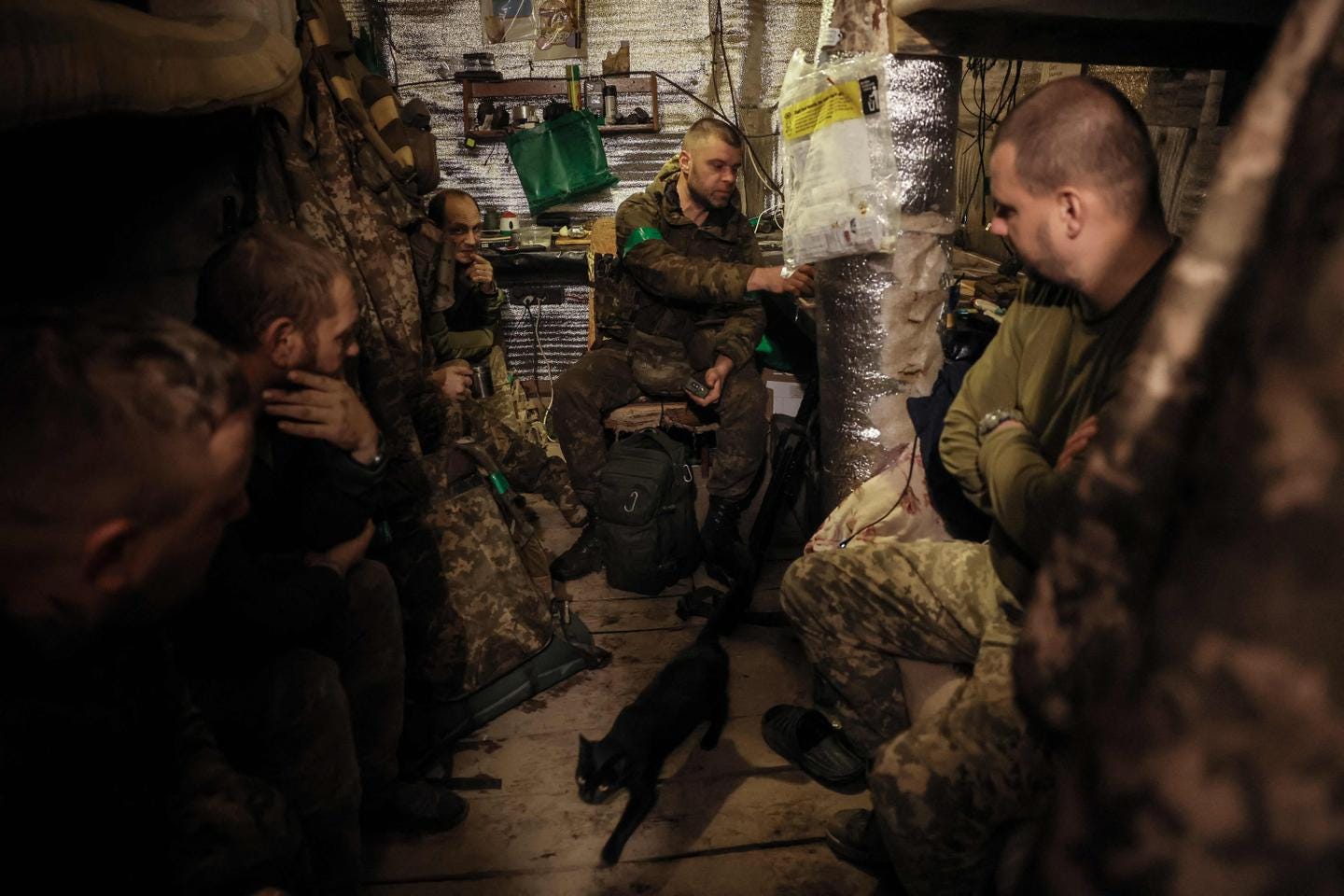
On an upper floor of a grey high-rise in Kharkiv, a man cooks dumplings and speaks about the first person he killed. He is no longer at the front. He has disappeared from the war.
Stories like this are beginning to surface more often. They are uncomfortable. They are real. And they are easy to misread.
The story behind the story
The recent DER SPIEGEL reporting focuses on Ukrainian soldiers who have left their units—men who fought, endured, and eventually broke. The article is built around individuals: Taras, Maksym, Lew. It shows fatigue, trauma, and the quiet disappearance of those who can no longer continue.
This is not propaganda. It is not fabrication. It is the human cost of a long war.
But it is also not the whole story.
War fatigue is not a signal. It is a condition.
Every prolonged war produces this:
In the First World War, entire units refused orders
In Iraq and Afghanistan, Western forces cycled through repeated deployments with rising psychological strain
In Russia today, mobilisation avoidance and contract refusal are widespread
Ukraine is not an exception to this pattern. It is part of it.
The relevant question is not whether fatigue exists.
The question is whether it breaks the system.
“War fatigue is not the failure of a war effort. It is the price of sustaining one.”
The structural strain inside Ukraine
There are real pressures inside Ukraine’s mobilisation system:
Uneven training and integration of new recruits
Limited rotation for front-line units
Psychological trauma accumulated over years, not months
Tensions around forced mobilisation practices
These factors produce exactly what SPIEGEL describes: individuals stepping out of the system.
But this does not automatically translate into systemic collapse.
Because modern war is no longer decided primarily by how long individual soldiers can endure.
The war that is actually being fought
Ukraine is not fighting a manpower war in the traditional sense.
It is fighting an adaptation war.
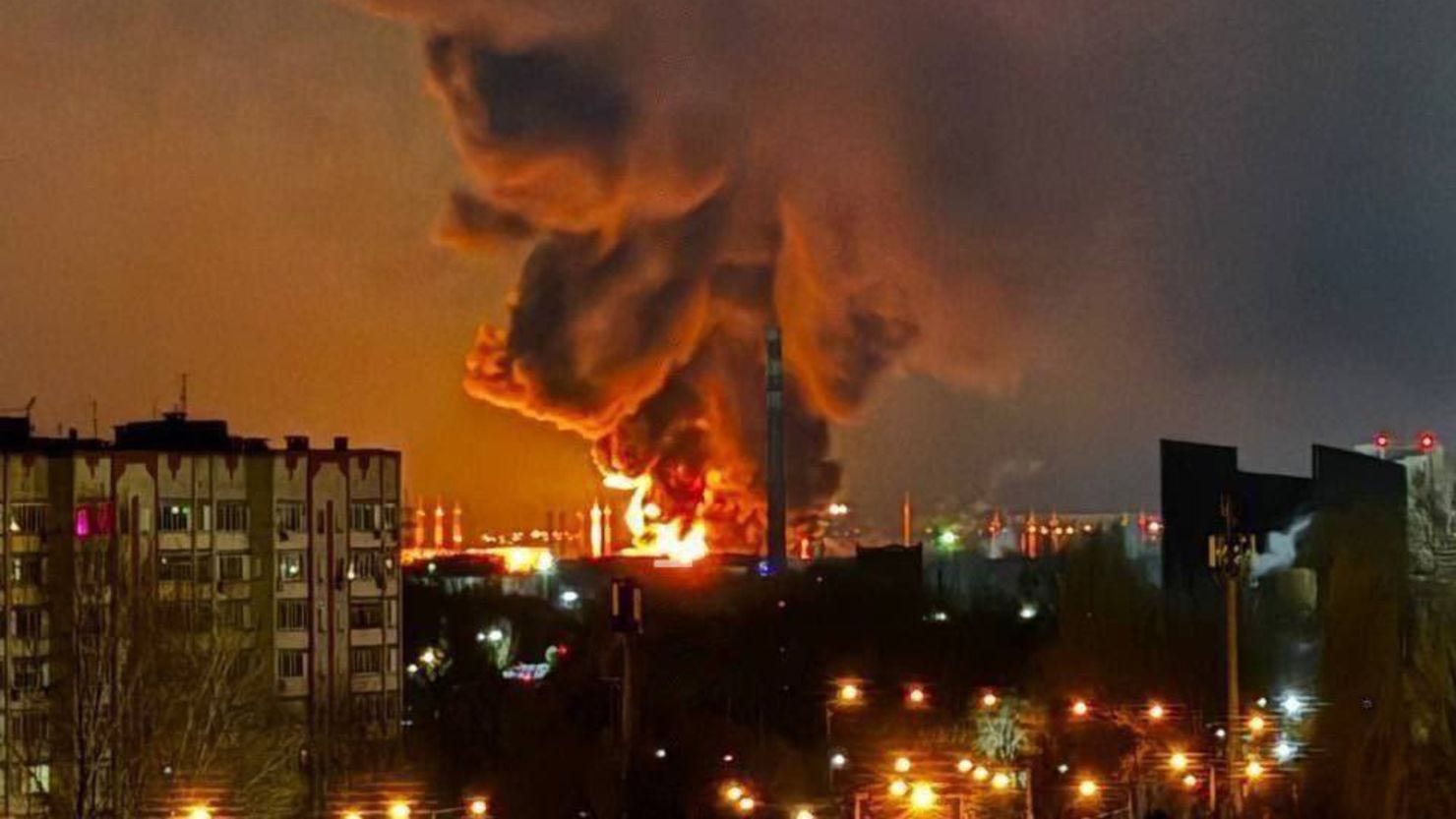
Deep strikes against logistics and oil infrastructure
Systematic targeting of air defence and radar
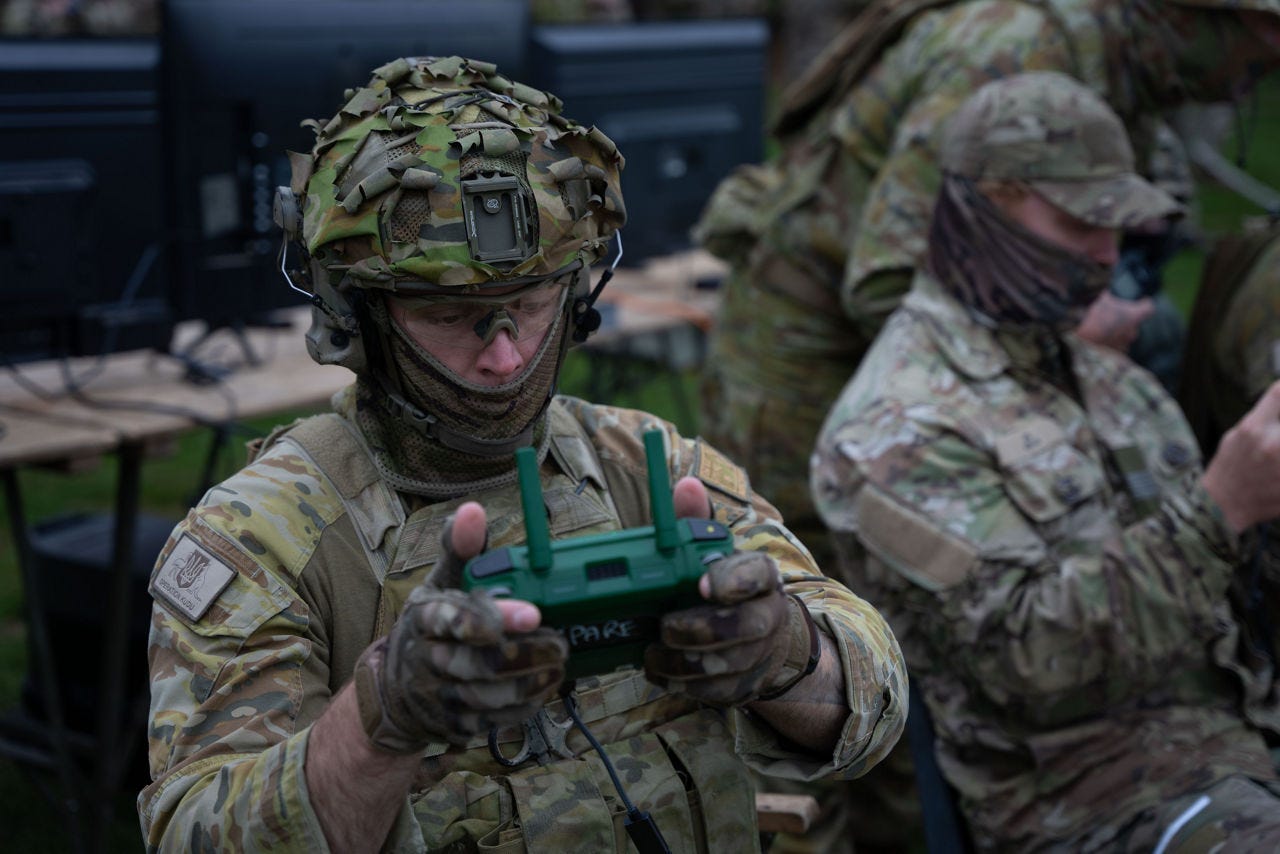
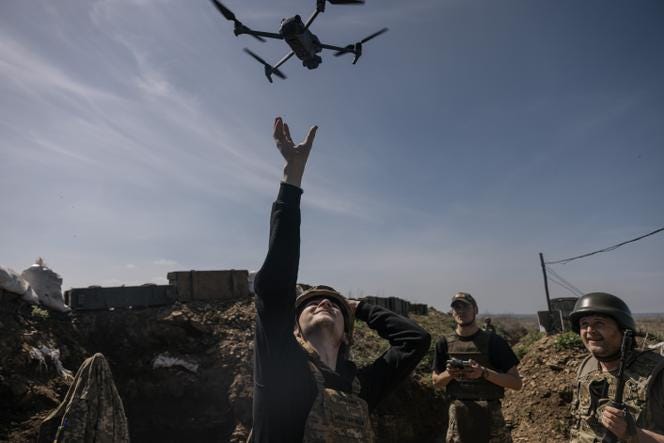
Rapid iteration of drone warfare at scale
Increasing ability to strike far behind the front line
At the same time, Russia continues to rely on:
Mass
Attrition
Incremental territorial pressure
This creates a structural asymmetry.
One side must continuously feed manpower into the front.
The other must continuously out-adapt the system it is fighting.
Desertion is a signal—but not the one many think
The risk in narratives like SPIEGEL’s is subtle.
They suggest—implicitly—that Ukraine may be running out of will.
But what they often reveal instead is something else:
A transition from mass mobilisation to selective effectiveness
A growing divide between units under strain and units that remain highly capable
A system under pressure, but still functioning
Many soldiers who leave eventually return under revised conditions. Others are replaced not one-to-one, but by capability shifts—drones, precision, and distance.
“The decisive question is no longer how many soldiers you can send forward—but how few you need.”
The industrial war Russia cannot win
This is where the deeper logic becomes visible.
Russia’s model depends on:
Absorbing losses
Sustaining pressure
Waiting for exhaustion
Ukraine’s model depends on:
Disrupting logistics
Raising the cost of continuation
Shifting the battlefield away from direct attrition
War fatigue matters in both systems.
But it matters differently.
In a mass system, fatigue accumulates across the entire structure
In an adaptive system, fatigue can be offset by innovation and distance
That does not remove the human cost.
But it changes the strategic outcome.
What Western audiences risk misunderstanding
There is a persistent tendency in Western coverage to interpret:
fatigue → as collapse
strain → as failure
individual breakdown → as systemic weakness
This is analytically comfortable. It is also often wrong.
Ukraine is under strain. That is undeniable.
But strain is not defeat.

The breaking point—reconsidered
The SPIEGEL article asks, implicitly:
How much longer can individuals endure?
The more important question is different:
How long can a system continue to function under pressure?
So far, Ukraine’s answer remains clear:
The front holds
Deep strikes continue
Russian systems are degraded at increasing depth
The breaking point, if it comes, will not arrive as a quiet disappearance in a Kharkiv apartment.
It will appear as a systemic failure on the battlefield.
We are not there.
“This war will not be decided by who suffers more—but by who adapts faster.”
Final thought
The men in SPIEGEL’s story matter. Their experiences matter. Their exhaustion is real.
But they are not the war.
The war is a system. And that system is still operating.
Tags
Ukraine War, Russia, War Fatigue, Mobilisation, Military Strategy, Drones, Industrial War, NATO, Europe, Defence Analysis
If you found this analysis useful
If you found this analysis useful, consider subscribing. This publication focuses on the strategic logic behind war, power, and international politics.
There is a difference in the war effort of the two countries. Ukraine is fighting for their freedom, for their existence. Russian soldiers don’t have that at stake. They may not even care about who wins and would rather go home. Ukraine is committed. You describe soldiers who are burnt out, but you didn’t say that they were giving up, only that they are stepping back. They still understand the stakes. The one thing that I focus on is that Ukraine invents and changes the war over and over with the new drones and equipment that require fewer troops at risk. Intelligence beats volume is a real thing. Dedication is, also.
Given that there are over 300.000 soldiers AWOL in Ukraine, I’d say the whole system is fucked and broken.