
The Arctic Clock
Why Canada Has Thirteen Months to Harden the North?

Response Note to Shankar Narayan
The Arctic is no longer a distant frontier.
It is becoming one of the world’s quiet strategic pressure points.
Russia sees it as a military flank. China sees it as a future economic corridor. The United States sees it as part of its strategic perimeter.
For Canada and Greenland, that overlap creates a simple reality:
The Arctic is becoming a contested theatre.
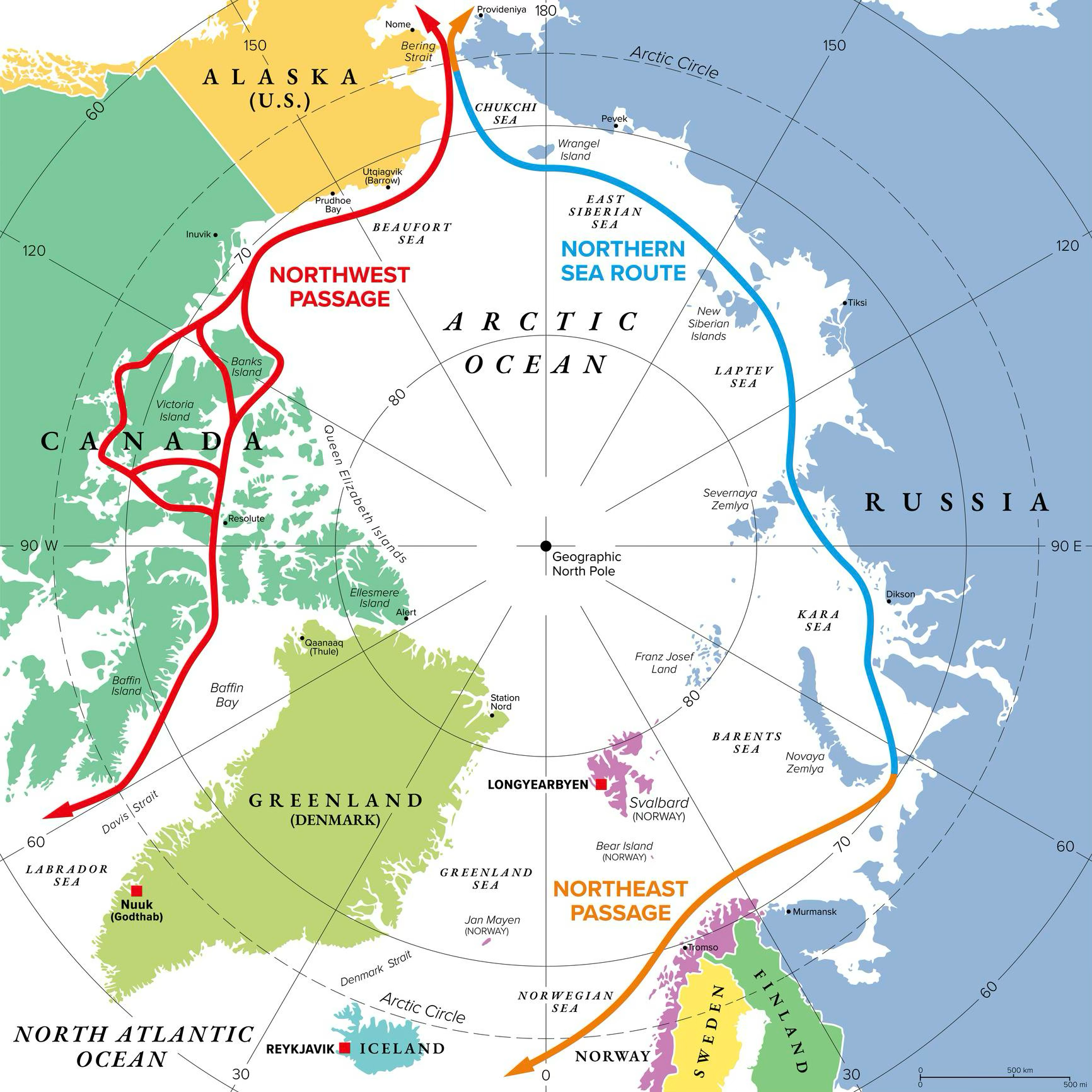
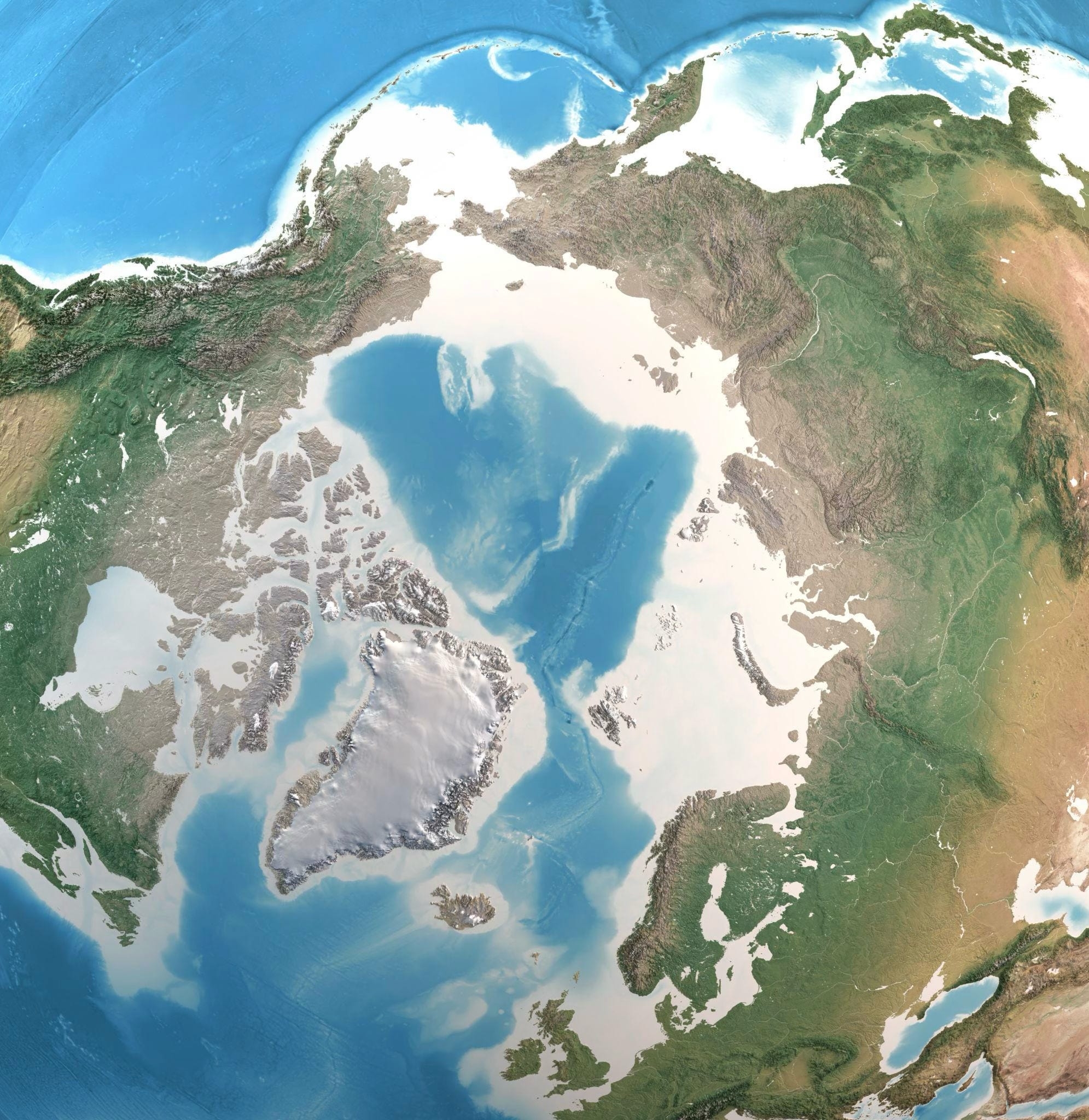
And Canada may have roughly thirteen months to accelerate its defence posture before the strategic environment shifts again.
The Objective Is Denial
Taiwan and Japan have a China problem.
Europe has a Russia problem.
Canada and Greenland — thanks to geography — have all three.
The most striking line in Canada’s new Arctic defence strategy is not the headline investment of $40 billion.
It is a doctrinal shift.
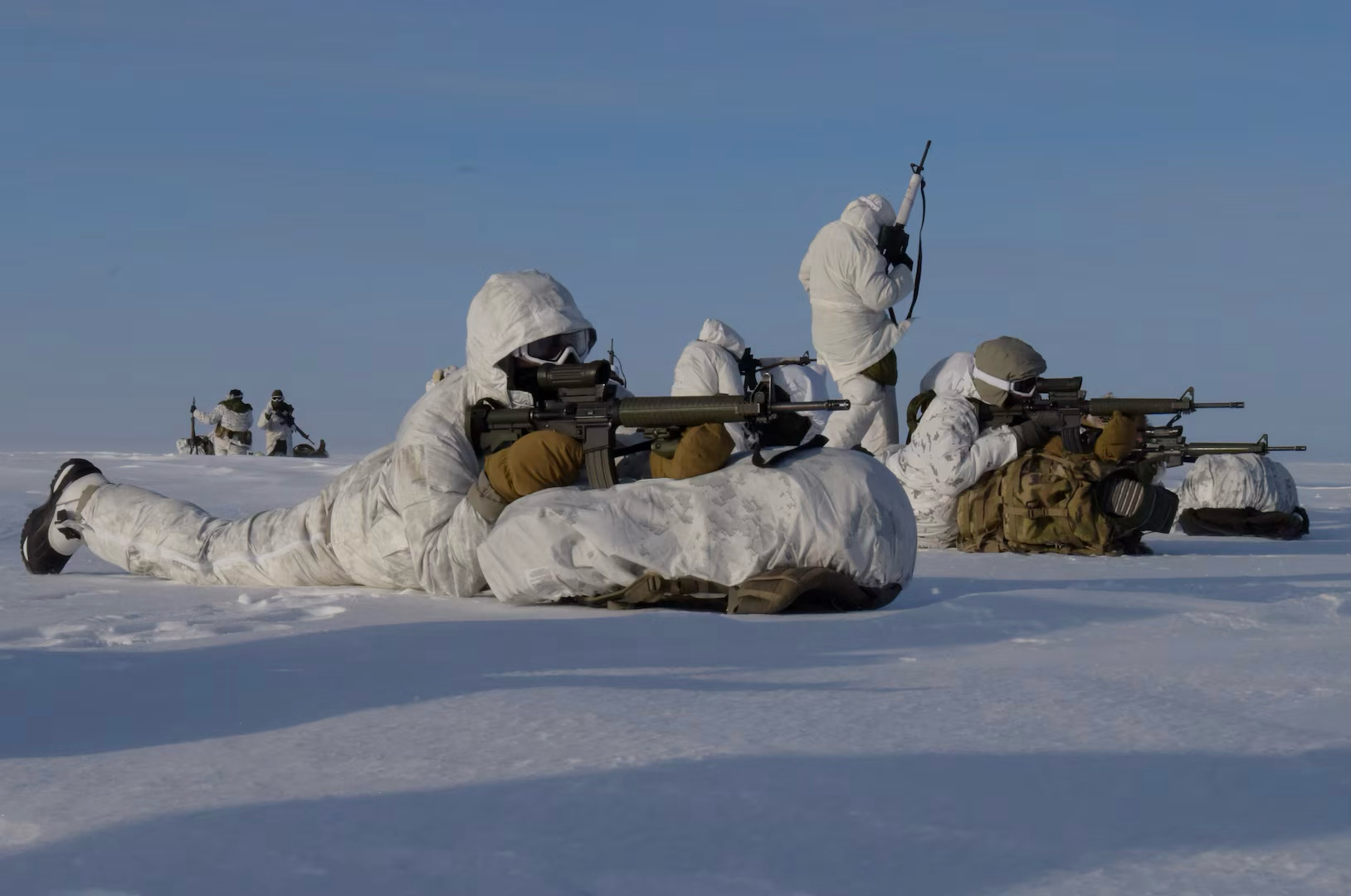
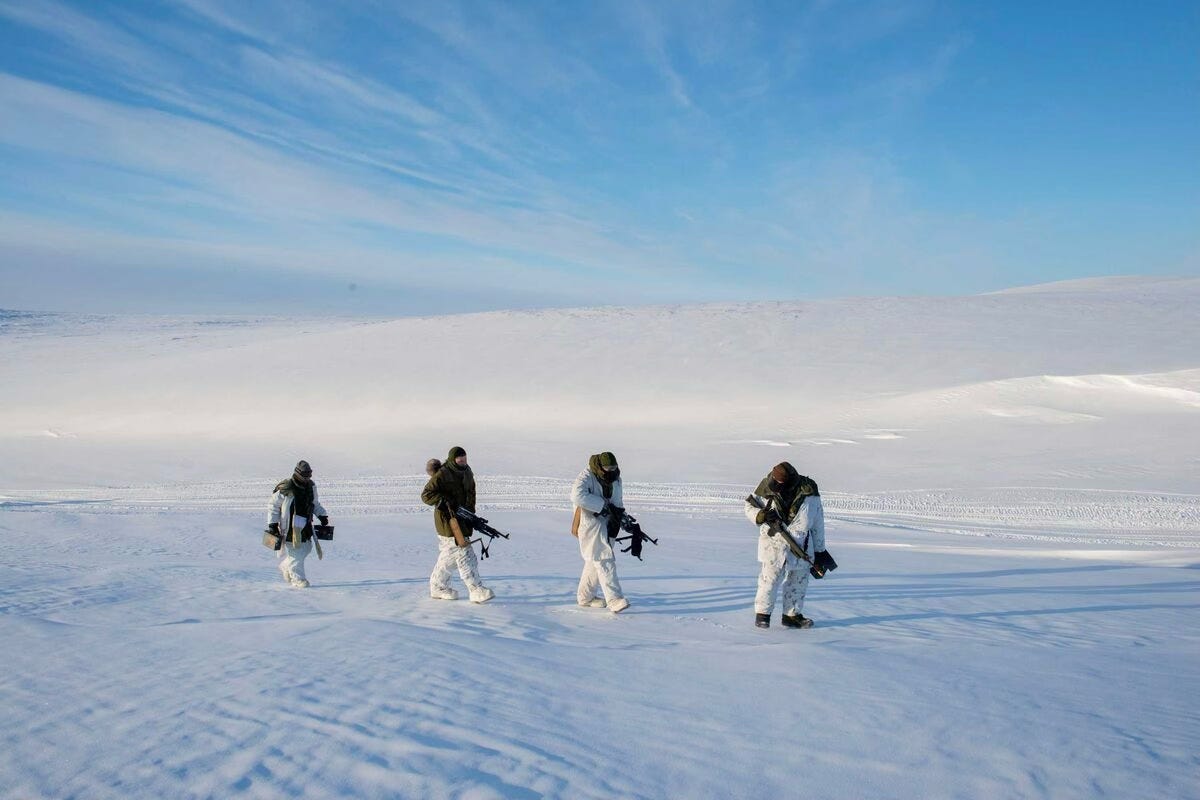
Ottawa is signalling that it intends to defend the Arctic without relying on allies.
That sounds ambitious. Perhaps even unrealistic.
But the strategy only appears unrealistic if one misunderstands its objective.
Canada is not trying to dominate the Arctic militarily.
It is trying to deny it.
“In the Arctic, victory is not domination. It is denying an adversary the ability to win quickly.”
Dominance requires overwhelming power.
Denial requires something different.
It requires enough resilience, mobility, dispersion and firepower to make any attempt at coercion slow, expensive and politically dangerous.
For smaller powers operating near stronger ones, that logic is often the only realistic strategy available.
They cannot overpower larger predators.
They make the bite not worth taking.
A Thinner Democratic Backstop
This shift matters because the broader democratic security architecture currently looks thinner than many expected.
Britain’s naval posture has been under strain. London will almost certainly rebuild its capabilities, but the timeline remains uncertain — a question currently known only to the gods and the bureaucratic gremlins still haunting Whitehall.
As a result, the democratic world is increasingly leaning on France.
To Paris’s credit, France is no longer sleepwalking strategically.
Its defence industry is accelerating again after years of inertia.
Orders for Rafale fighters have surged. Production of SAMP/T air defence systems, AASM Hammer glide bombs, and Caesar howitzers is expanding.
France is clearly strengthening.
But there is a clock on that momentum.
Emmanuel Macron has roughly thirteen months left in office.
No one yet knows whether his successor will maintain the same strategic direction.
The Logic of Time
The effectiveness of denial strategies can already be observed elsewhere.
Iran, for example, is not attempting to defeat the United States outright.
Instead, it is trying to stretch timelines, increase operational costs, and create political friction.
Even the world’s most powerful military struggles when it cannot translate raw force into a quick political result.
That is the core logic of denial.
“You do not need parity to stop a stronger power. You only need enough strength to make victory painfully slow.”
Once that principle is understood, Canada’s Arctic strategy becomes much clearer.
The objective is not to win quickly.
The objective is to buy time.
Time to absorb pressure.
Time to complicate escalation.
Time for the broader democratic system to react.
Logistics Is Strategy
The most consequential parts of Canada’s Arctic plan are not new weapons systems.
They are infrastructure and sustainment.
Ottawa is investing roughly $32 billion in Forward Operating Locations at:
Yellowknife
Inuvik
Iqaluit
Goose Bay
These upgrades include:
runway extensions
hangars
fuel and ammunition storage
logistics warehouses
communications and IT infrastructure
accommodations and operational support
In short, Canada is building the architecture of endurance.
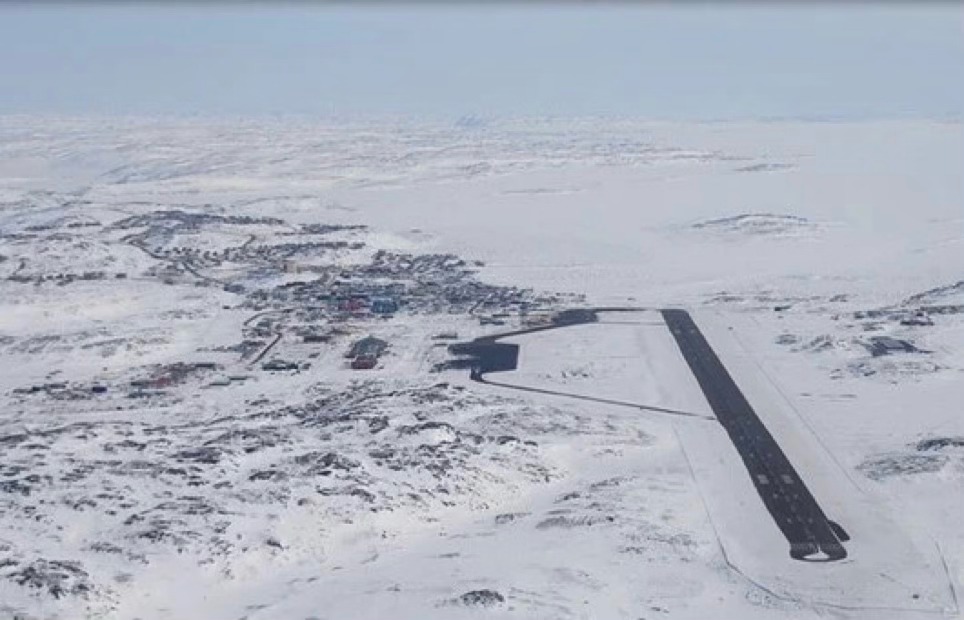
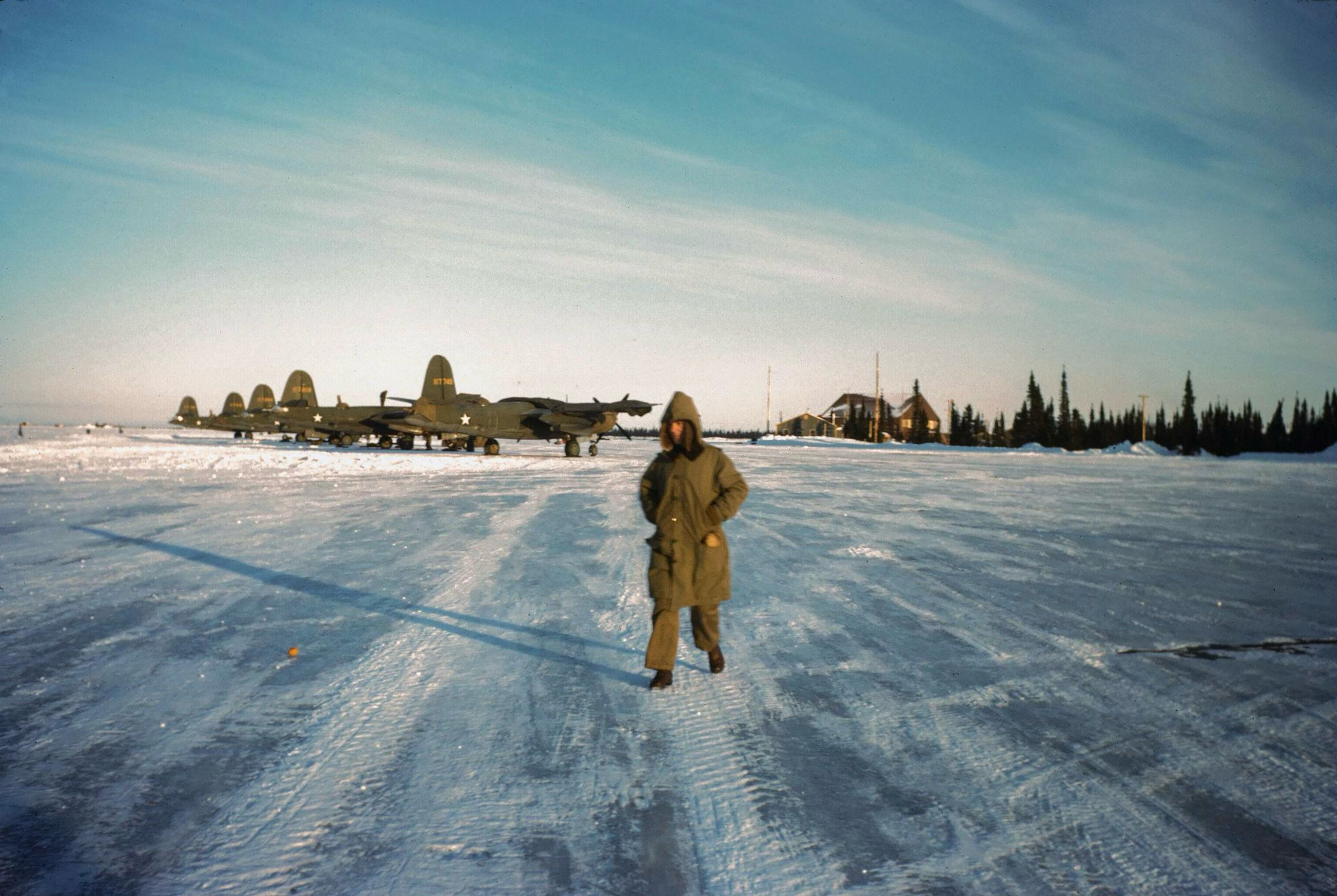
In the Arctic, the ability to remain in the field often matters more than the ability to deploy quickly.
Building the Northern Network
The same logic shapes Canada’s broader logistical network.
Ottawa is establishing Northern Operational Support Hubs in:
Whitehorse
Resolute
with additional support nodes in:
Cambridge Bay
Rankin Inlet
Airport upgrades across the region will allow larger aircraft to operate more reliably in Arctic conditions.
The objective is simple:
reduce distance
improve mobility
compress response times
complicate any attempt to overwhelm the region quickly.
“In frontier theatres like the Arctic, time itself becomes a weapon.”
The Strategic Gremlin
A small strategic gremlin hides inside this doctrine.
In frontier theatres, time is often the decisive factor.
The side that can delay, complicate and harden the battlespace usually gains more advantage than the side that merely appears stronger on paper.
Canada’s Arctic strategy reflects that reality.
Ottawa is explicitly shifting from reliance to resilience, signalling that it intends to take greater responsibility for defending its northern sovereignty.
This strategy is not about defending snow or lines on a map.
It is about preventing Arctic vulnerability from becoming a lever of coercion.
Canada is trying to make itself harder to pressure.
Harder to isolate.
And ultimately,
harder to push backwards.
Thank you for a very good article. I don’t know where you sourced the picture of American B-26 Marauders but it certainly illustrates the challenges of Arctic aviation and military operations. Like many countries in Europe, Canada is playing catchup on myriad defence fronts from new destroyers to low earth orbit autonomous and interlinked defence surveillance systems.
PM Carney’s statement at Davos about the seating arrangements for “tables and menus” rings true. Canada will simply create a most unpalatable meal for any foolish patrons to consider.