
Saturation Is Not About Breaking Air Defence. It Is About Breaking Systems.
It is systemic warfare.

Reading time: 2 minutes
Response to Shaun Pinner
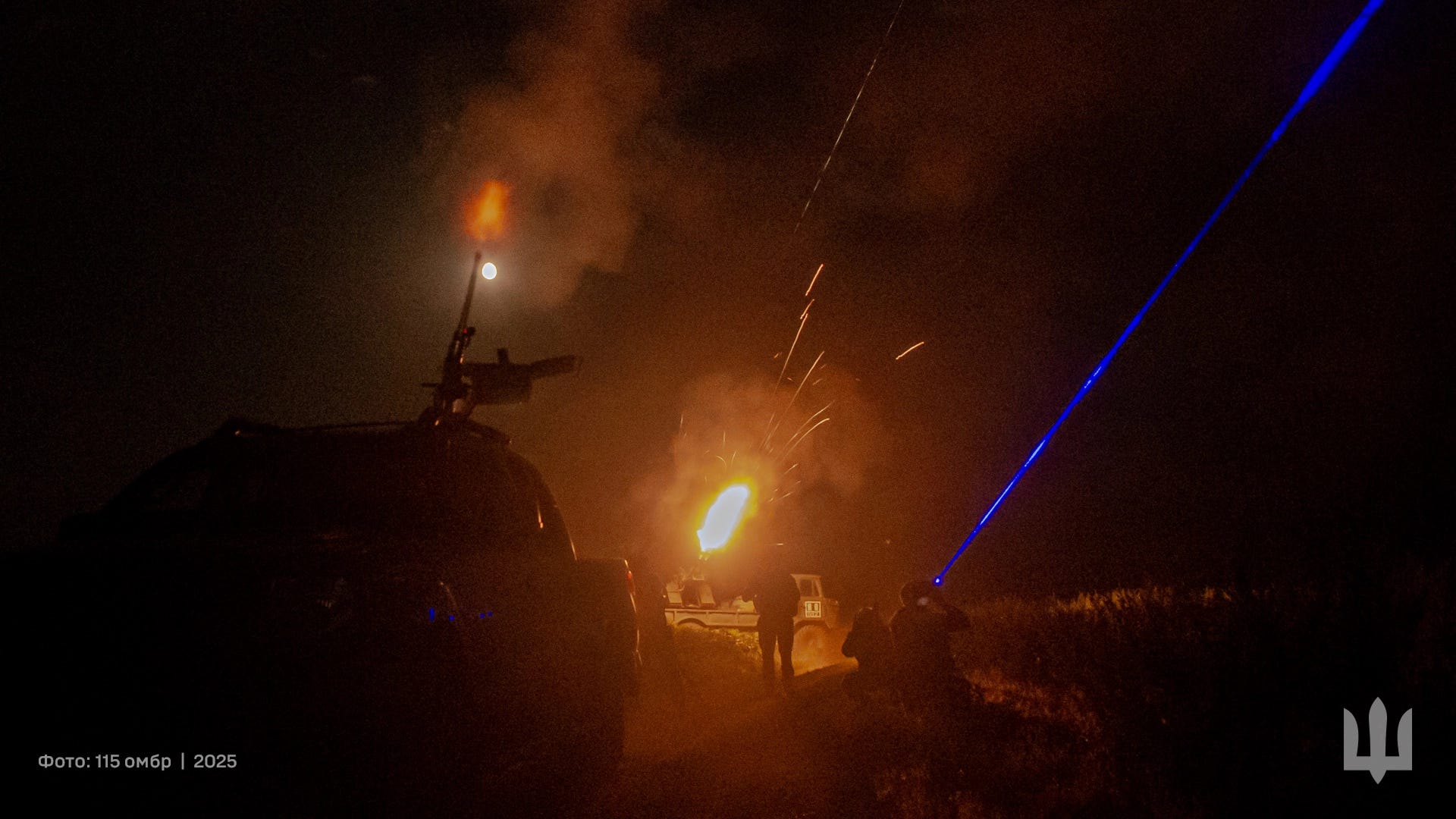
Russia’s latest wave—over 400 aerial attack assets in a single night—should change how we understand this phase of the war.
This is not about overwhelming air defence in a narrow, technical sense. Ukraine is still intercepting the vast majority of incoming threats.
That is not the point.
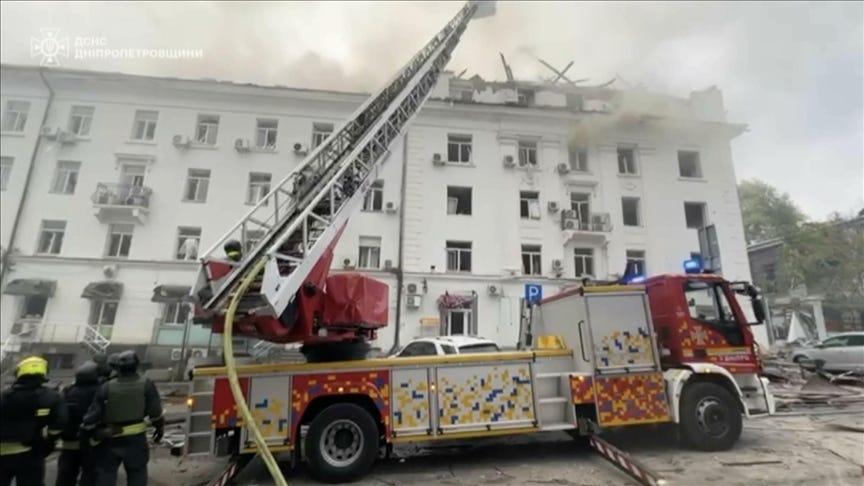
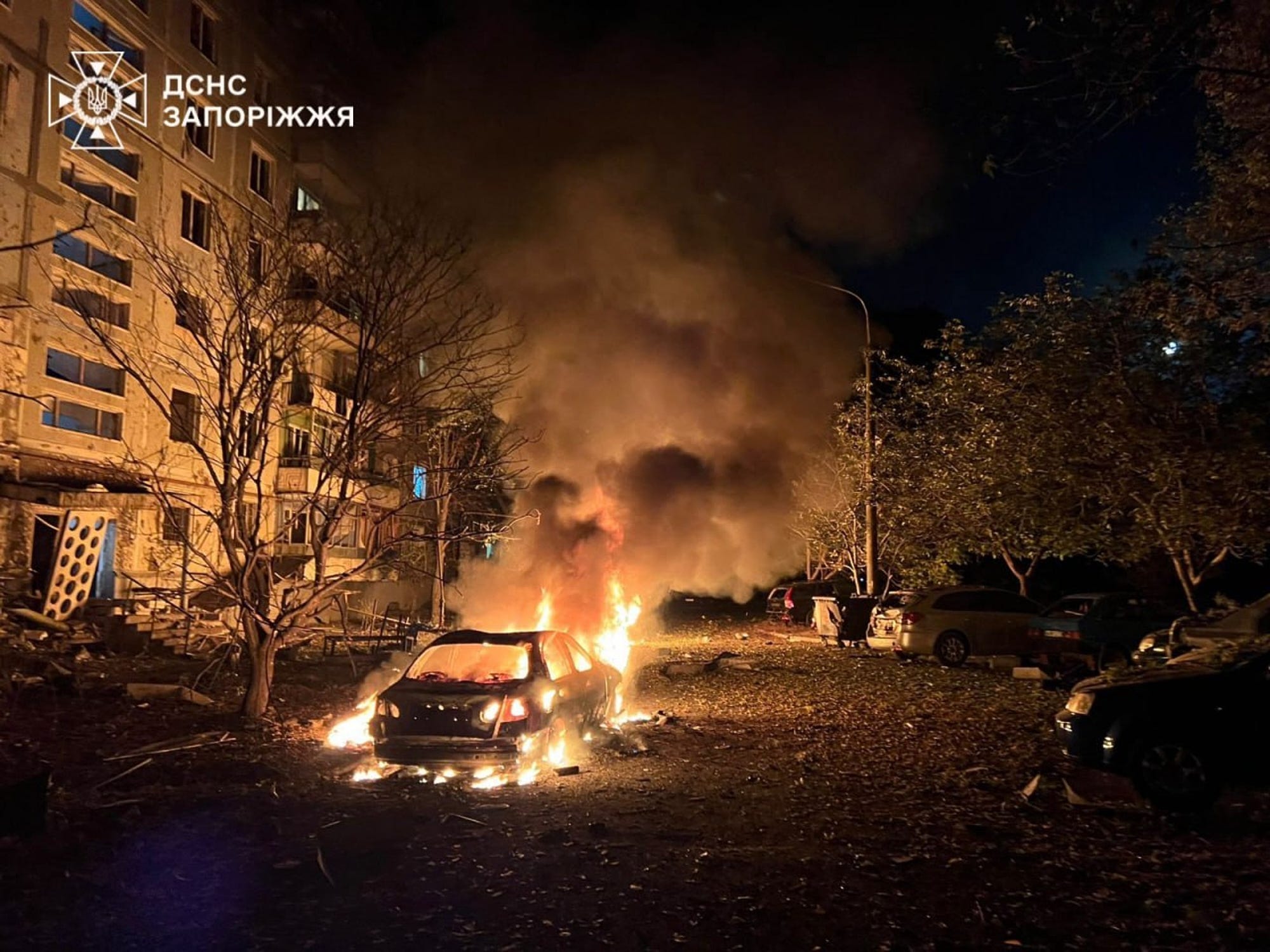
The point is that in a saturation model, success is measured differently. If even a small percentage penetrates, the system works. Residential buildings are hit. Rail nodes are disrupted. Energy infrastructure is degraded. Civilian life is repeatedly interrupted.
This is not precision warfare.
It is systemic warfare.
4
And this is where the broader strategic context matters.
At the same time as these strikes intensify, oil prices have surged due to instability around the Strait of Hormuz. That surge is not abstract. It feeds directly into Russia’s war economy.
Higher prices mean higher revenues.
Higher revenues mean sustained strike capacity.
In effect, the war is being financed in real time.
This creates a structural feedback loop:
energy shock → increased Russian revenue → sustained saturation strikes → deeper pressure on Ukrainian society
This is why the concept of “attrition” needs to be understood properly.
Russia is not achieving decisive breakthroughs on the battlefield. But it does not need to—if it can continuously degrade the systems that allow Ukraine to function as a society.
Railways matter because they move people.
Energy matters because it keeps cities alive.
Housing matters because it anchors civilian stability.
This is a war against continuity.
And yet, there is a limit embedded in this model.
Saturation warfare assumes that pressure accumulates faster than resilience adapts. That systems degrade faster than they can be repaired, rerouted, or hardened.
So far, Ukraine has shown the opposite.
Which is why this phase of the war sits at the centre of a larger question explored in Ukraine Is Not Losing the War — The Industrial War Russia Cannot Win:
Can a system built on volume and revenue outlast a system built on adaptation, external support, and resilience?
Russia is betting that it can.
But saturation is not victory.
It is a way of prolonging a war that it still cannot decisively win.
Tags: Ukraine, Russia, Drones, Air Defence, Energy, Hormuz, Strategy
CTA:
If you found this useful, consider subscribing. This publication focuses on the strategic logic behind war, power, and international politics.
This war model would be called by Lidell Hart with direct approximation or also model of War of Atrition. It is the preferred by US Armed Forced who always trusts that his superiority and greater firepower will nullify the will. Although it failed in Vietnam- The Gulf 1990 - Iraq 2003 and Afghanistan, its strategic commanders insist on implementing it. What is porfia or lack of creativity?