
Russia Is Assembling the Target
Moscow is gathering men, fuel, drones, command posts, and air defence for Donbas. Ukraine is trying to hit the offensive before it fully begins.

Reading time: 16–18 minutes
Credit: Based on reporting and analysis from Prof. Bonk, the Institute for the Study of War (ISW), Reuters, Der Spiegel, Financial Times, Ukrainian official statements, and Russian pro-war Telegram channels.
The offensive does not begin when Russian infantry reaches a trench.
It begins earlier.
At railway substations.
At refineries.
At drone-control points.
At ammunition depots.
At roads where supply trucks still try to look like ordinary traffic.
That is where this phase of the war is moving now.
Russia is preparing a serious Donbas offensive. The concentration around Pokrovsk, Kostyantynivka, Slovyansk, and Kramatorsk is becoming too large to dismiss as political theatre or propaganda noise. Men, drones, artillery, logistics, and command systems are all moving toward the same objective.
But before Russia can turn manpower into momentum, it has to assemble the machinery that keeps an offensive alive.
And that machinery can be seen.
Ukraine is increasingly trying to strike the offensive before it fully forms.
Before the Map Moves
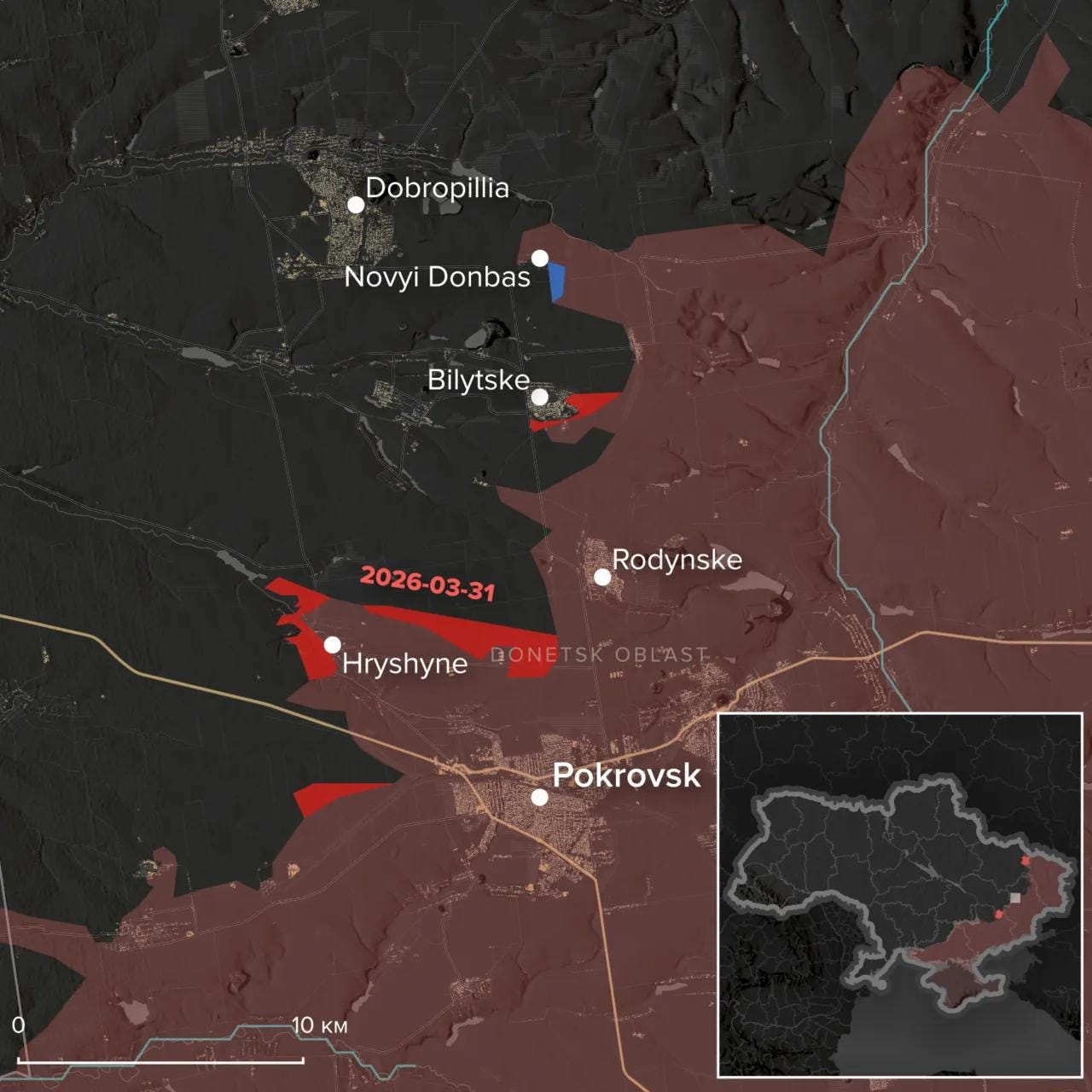
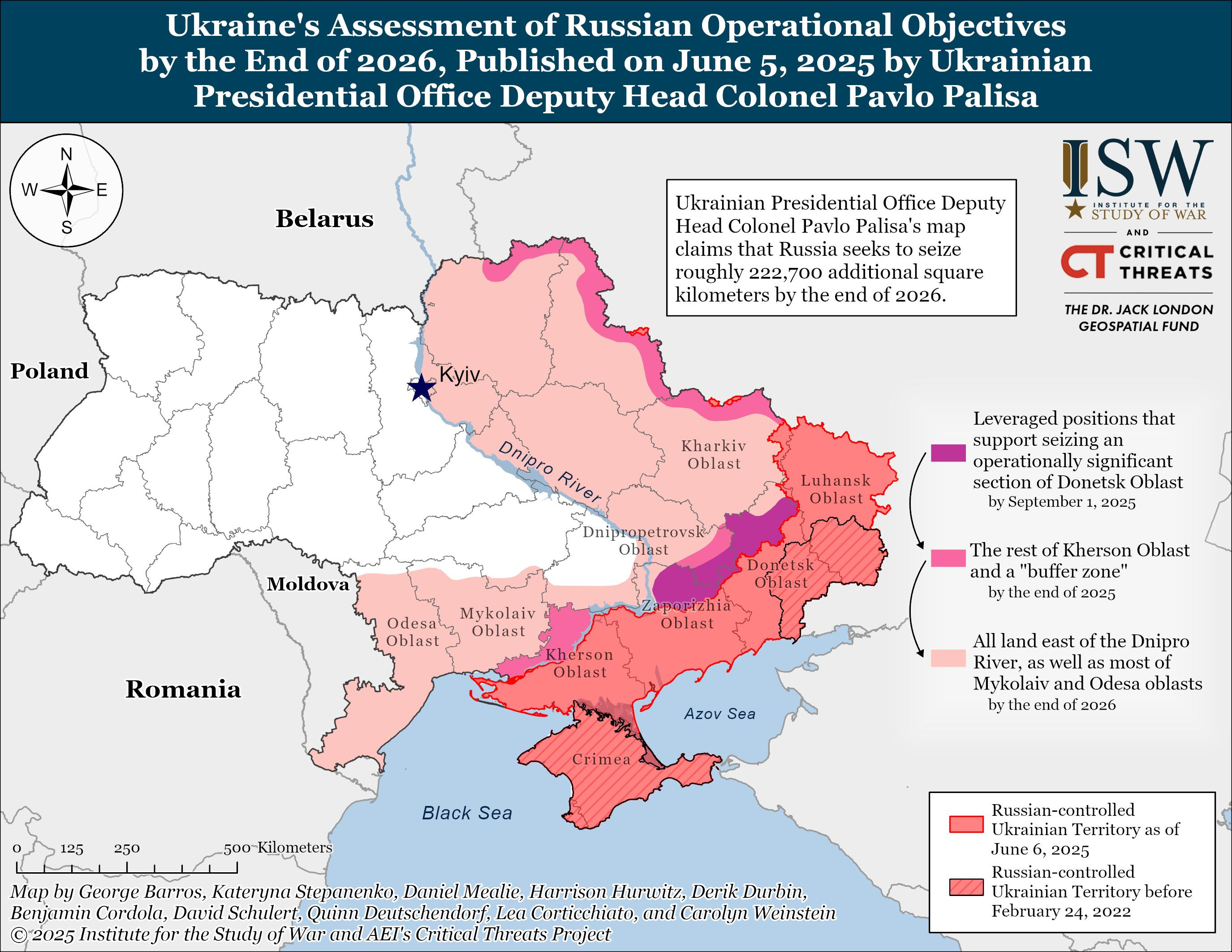
The Donbas area. Russia has taken some. Ukraine maintains control over the part of Donbas that the Russians still have not managed to conquer after more than a year of fighting. Ukraine has built a very strong defensive line that the Russians have not been able to penetrate despite endless attacks and countless deaths.
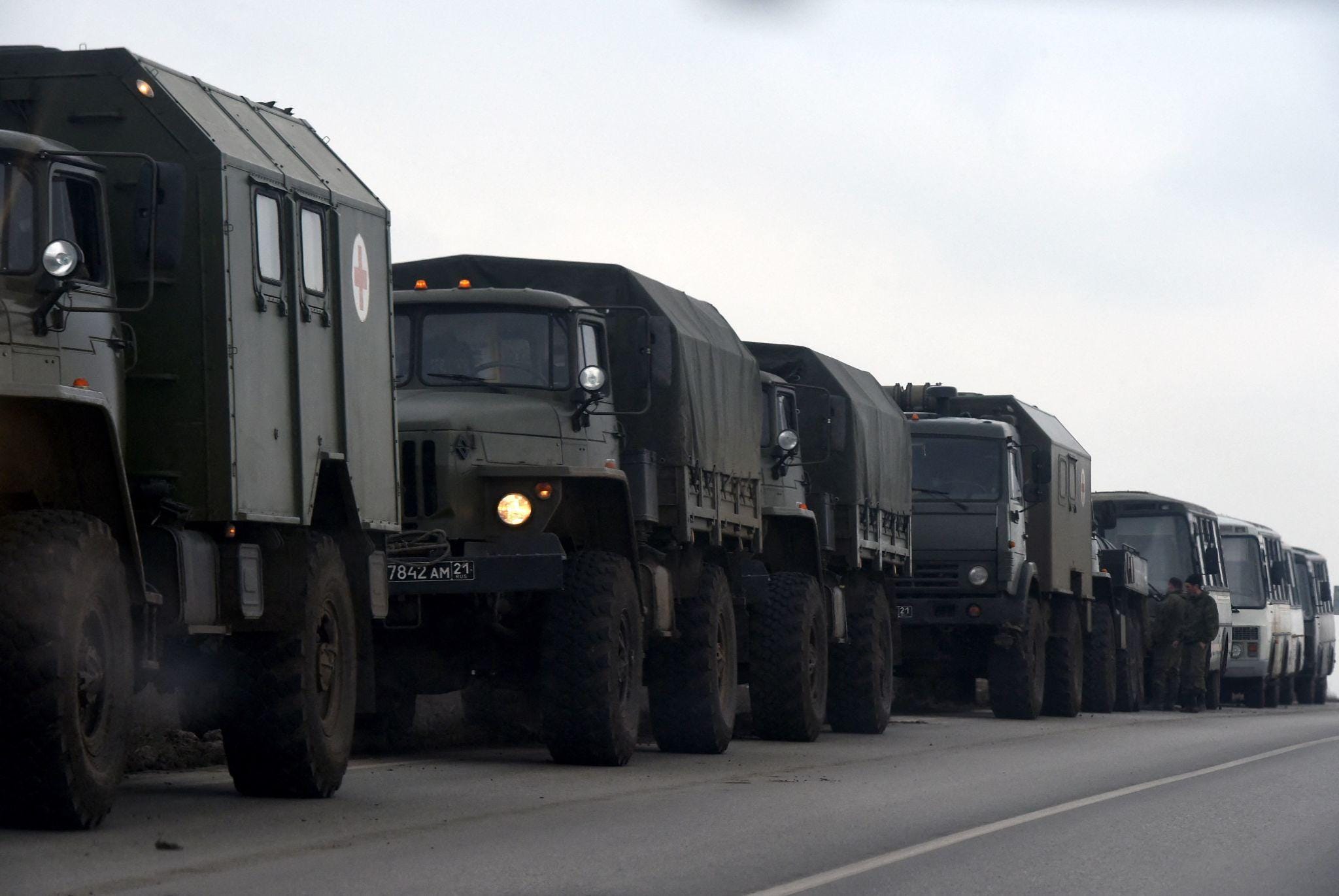
Launching a massive storm on Ukraine’s defense line requires a lot of supplies. And we remember that Ukraine’s activity behind the Russian front is precisely aimed at destroying as much of the Russian logistics line to the front as possible.
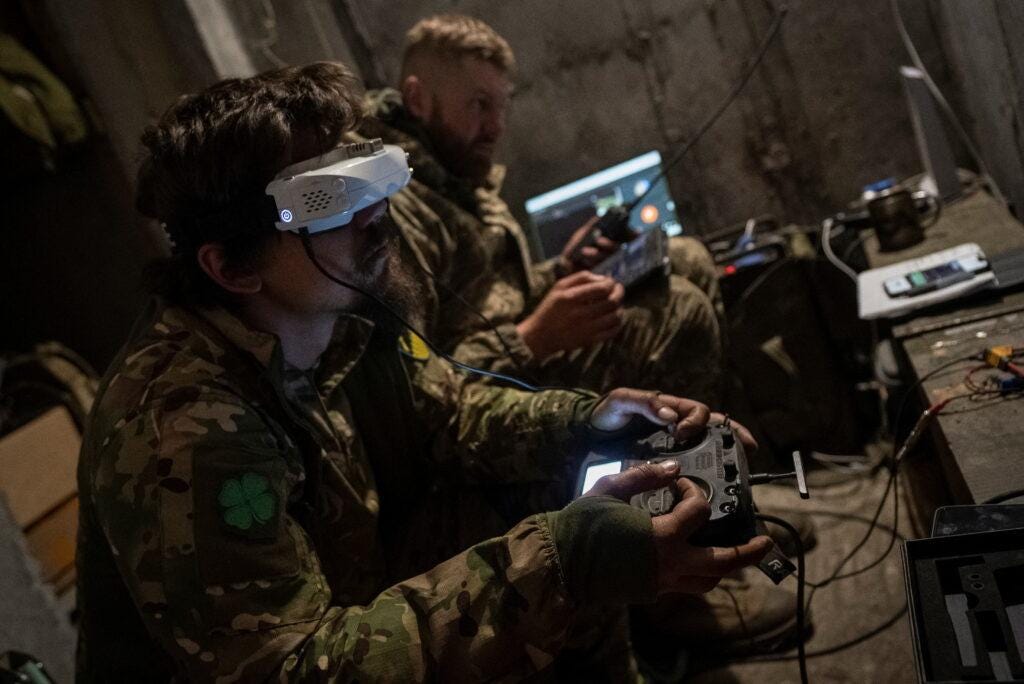
The Ukrainians have brought the production of drones of all sizes up to a considerable size. And along the front there are many drone command posts
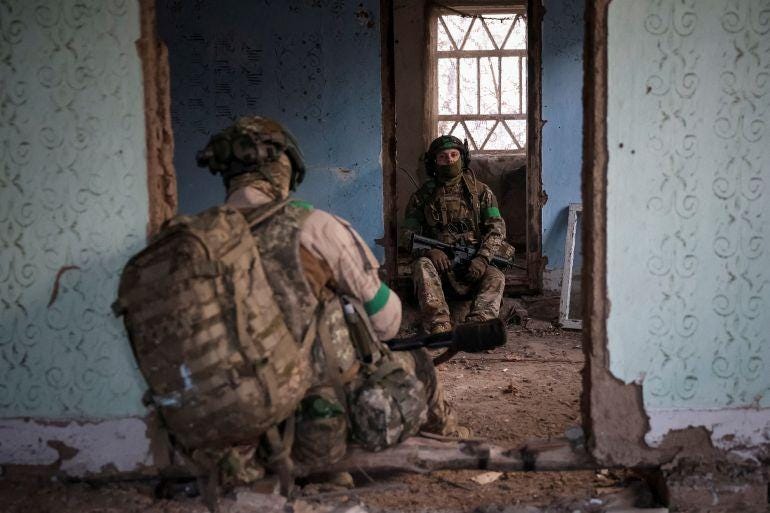
There is a lot of urban combat, which is particularly demanding. Here, a couple of Ukrainian soldiers are waiting in the ruins of a house.
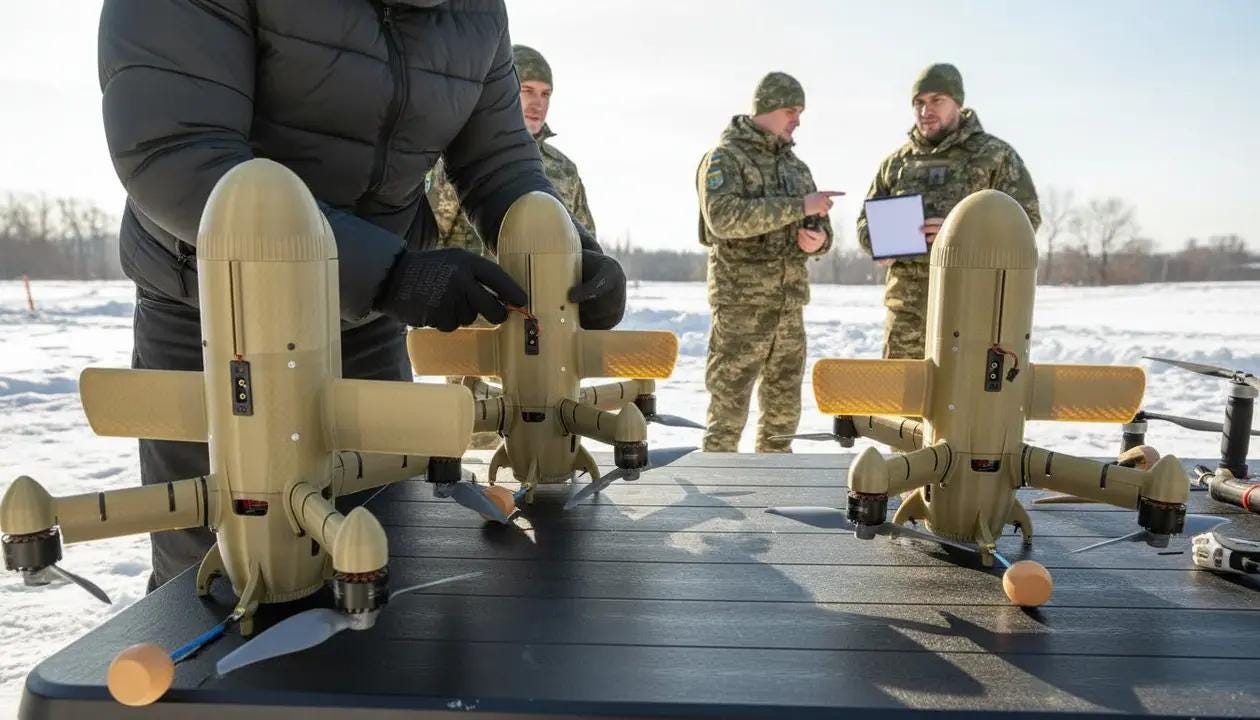
Ukrainian interceptor drones
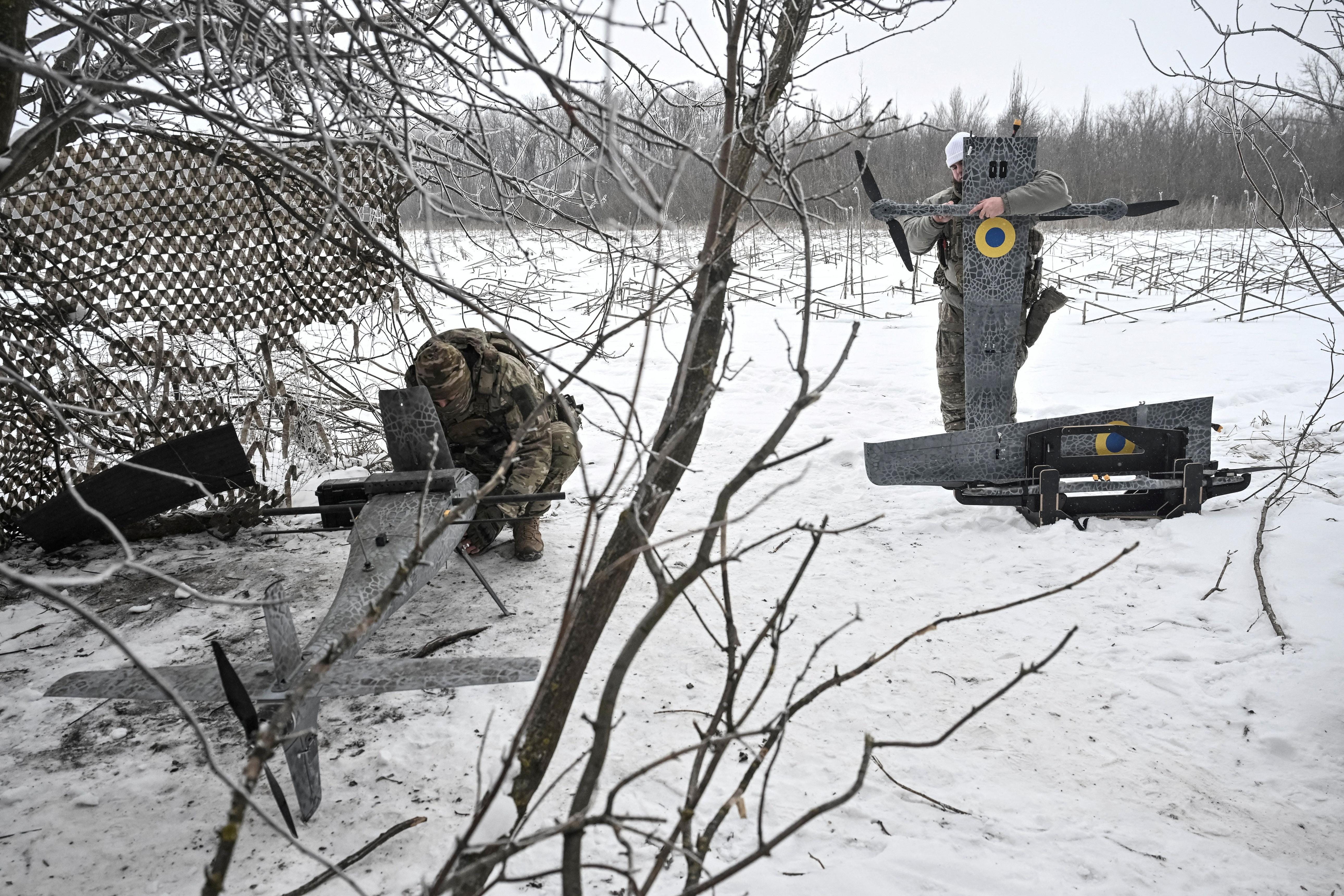
Ukrainians preparing a mid range drone probably close to the front
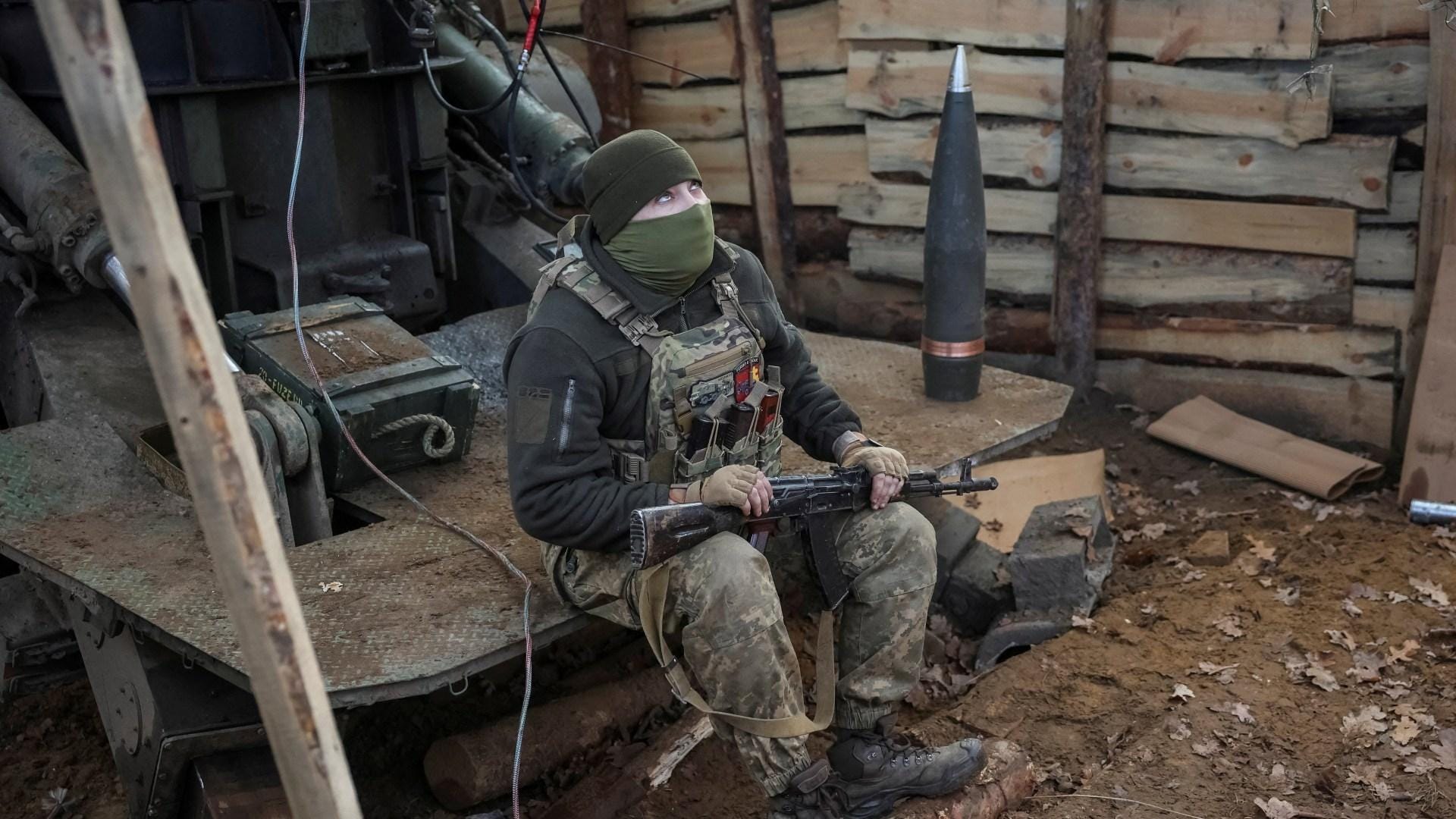
In one of the heavily fortified Ukrainian positions
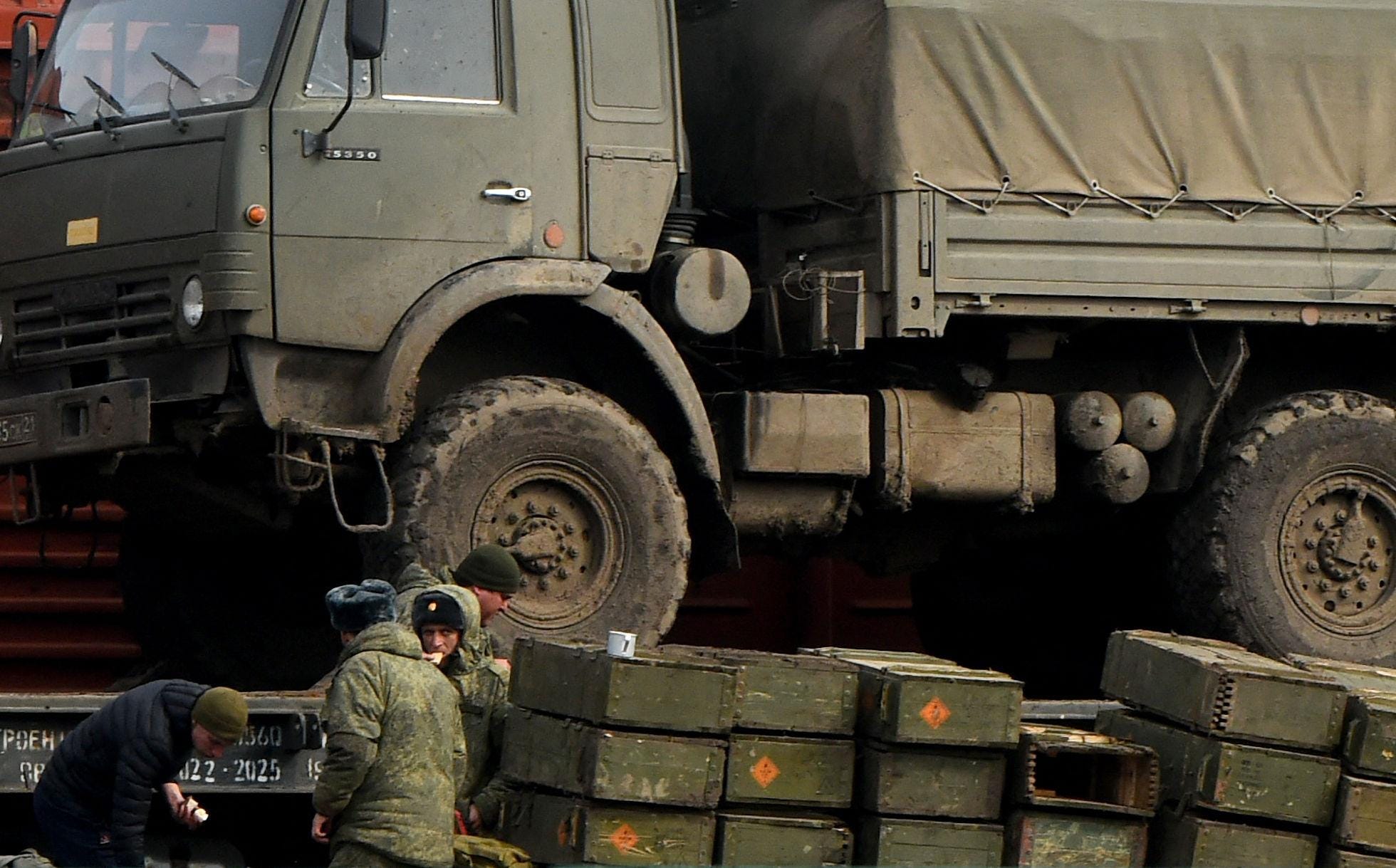
A Russian truck with ammunition crates in the foreground. These are the kinds of targets that the Ukrainians hit again and again.
Russia’s main effort remains focused on the Donbas fortress belt:
Pokrovsk.
Myrnohrad.
Kostyantynivka.
Kramatorsk.
Slovyansk.
These are not simply names on military maps. They are the defensive spine that still prevents Moscow from turning years of destruction into full territorial control.
Russian progress remains slow.
ISW estimates Russian territorial gains in Donetsk Oblast since the beginning of 2026 at roughly 350 square kilometres. That sounds large until measured against the scale of the war and the cost required to achieve it.
Russia first reached the outskirts of Kostyantynivka in late 2025. Months later, it still has not converted infiltration into decisive operational success.
That matters because Russia increasingly appears forced into smaller, fragmented advances rather than clean mechanised breakthroughs.
Small assault groups.
Night movement.
Tree-line infiltration.
Drone-covered advances.
Pressure against weak points rather than sweeping manoeuvre.
An infiltrator can make a video.
An offensive needs fuel, railways, radios, ammunition, air defence, command posts, replacement troops, evacuation routes, and functioning logistics.
That is the difference Ukraine is now targeting.
“An infiltrator can make a video. An offensive needs supplies.”
Ukraine Is Attacking the Assembly Phase
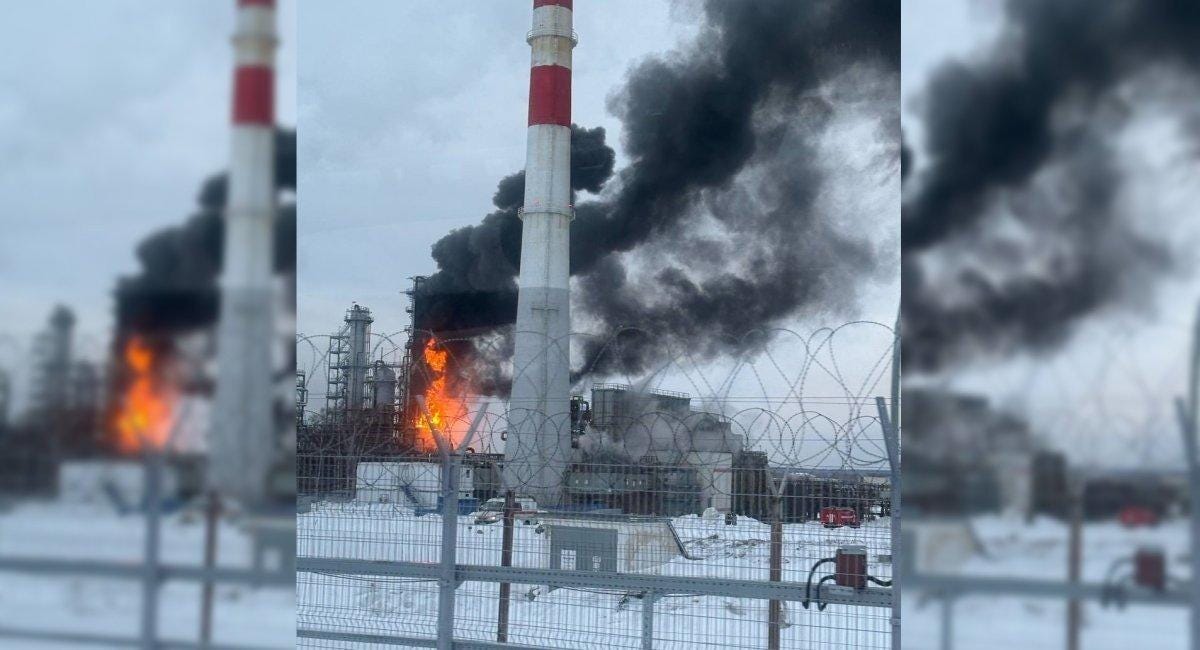
By e.g. reducing petrol supply.
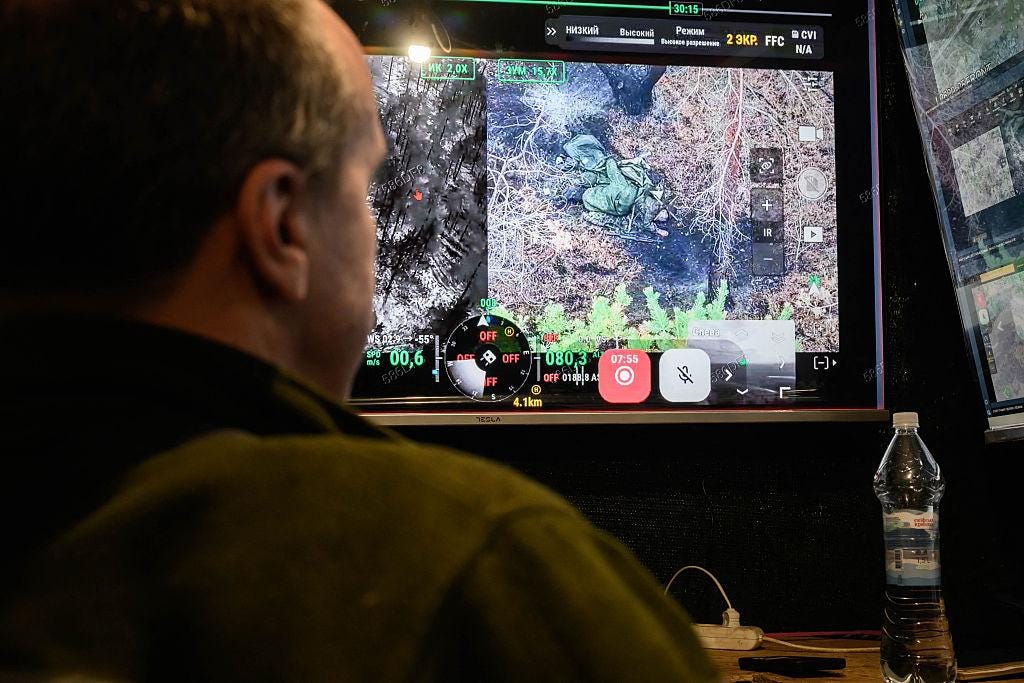
By surveillance
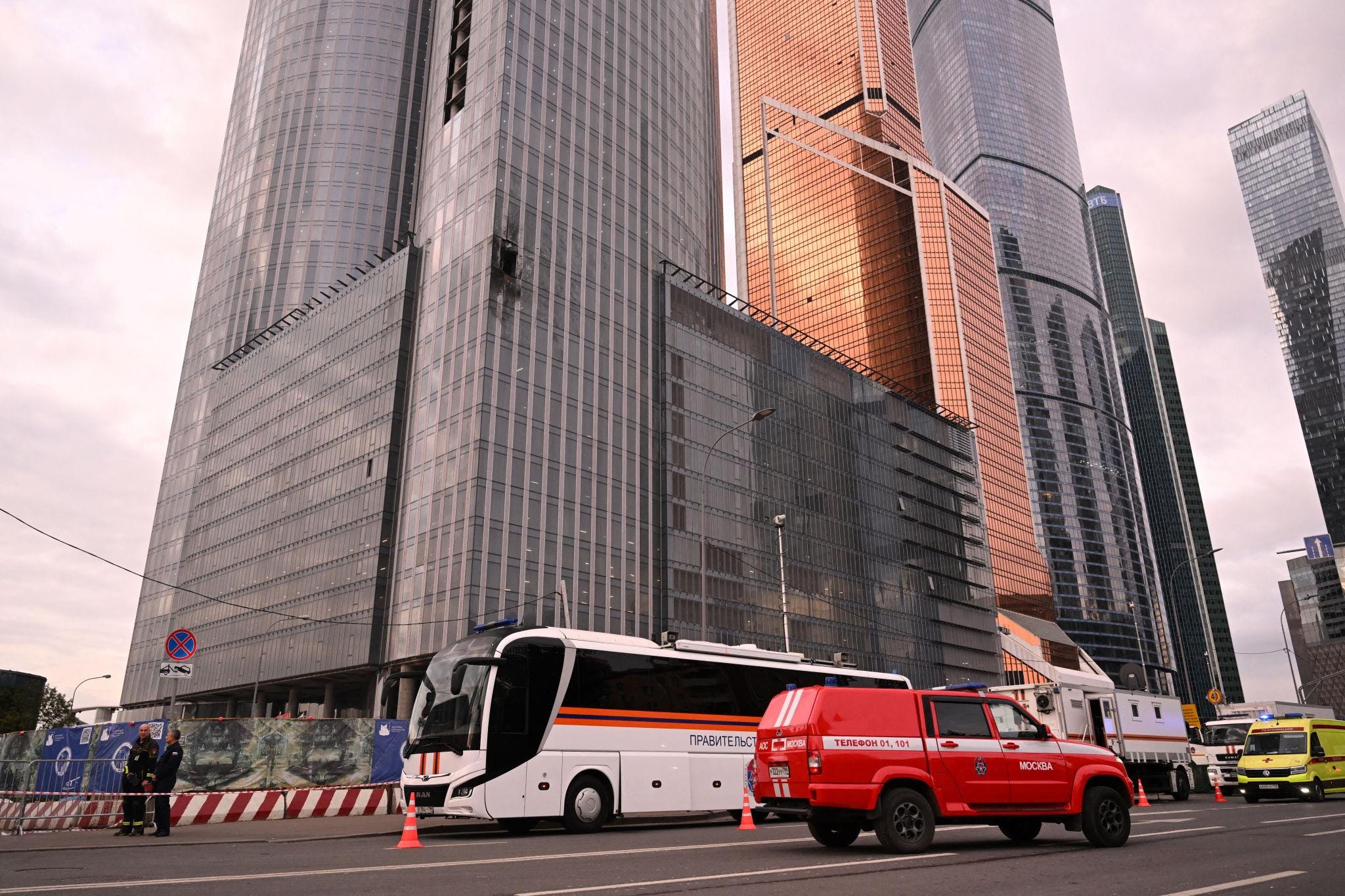
This image shows the aftermath of a drone strike on Moscow City’s business district in August 2023. A building under construction in the financial district was hit, causing damage to window panes on several floors. Emergency personnel, including fire engines and ambulances, were deployed to the scene to deal with the incident. This was part of a series of drone strikes targeting the Russian capital over the course of a week.
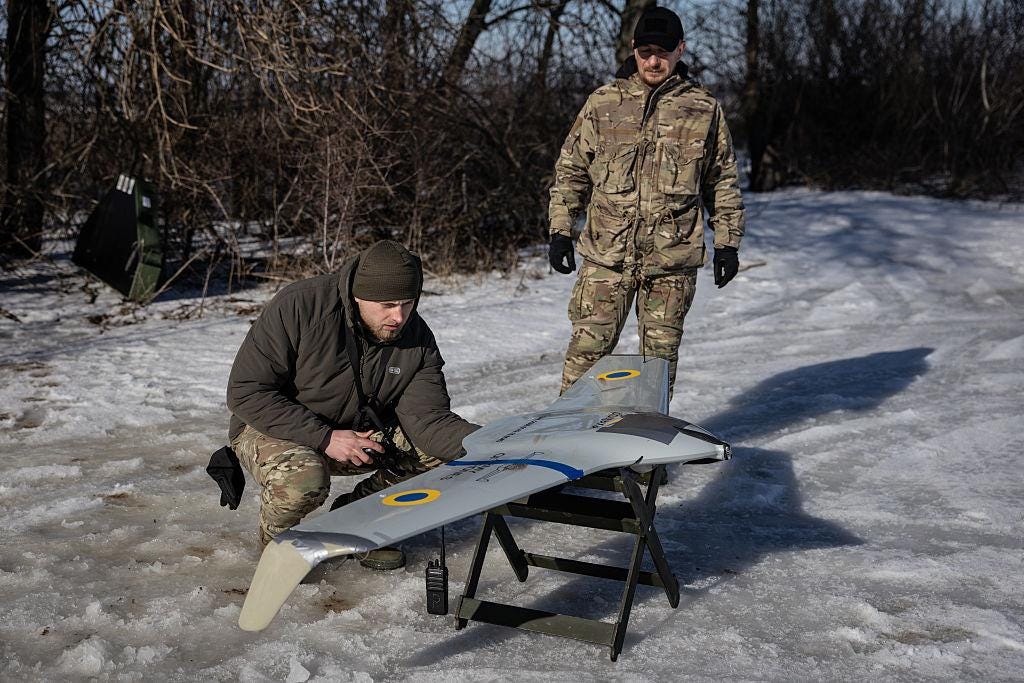
Ukrainian midrange drone ready for set off
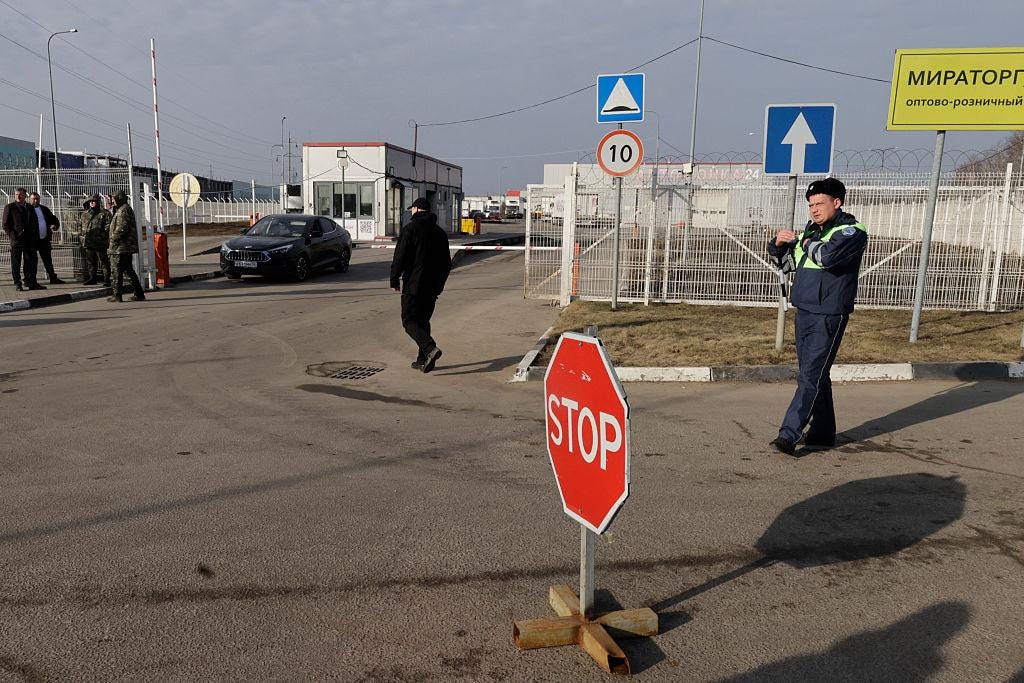
The logistics center of Miratorg Agribusiness Holding in Russia. It shows a security post or border crossing point with personnel and vehicles. The area is marked with traffic signs, including a stop sign, and signs in Russian. Security personnel are present to control access to the facility.
The reported Ukrainian strikes over recent weeks form a visible pattern.
Not random attacks.
Not symbolic attacks.
Preparatory attacks.
Troop concentrations near Tetkino, Varachyne, and Naumovka.
Command posts near occupied Soledar.
Drone-control points near Myrne.
Logistics and manpower concentrations near Staromlynivka, Komyshuvakha, and elsewhere behind the line.
These are not glamorous targets.
But they are the organs that allow an offensive to function.
The Russian army still has manpower. It still has artillery. It still has depth.
The problem is that modern offensives expose enormous support requirements before they move.
Every fuel depot creates a target.
Every concentration of personnel creates a target.
Every radar creates a target.
Every railway node creates a target.
The larger the offensive becomes, the more visible the preparation becomes.
Russia is assembling the offensive.
Ukraine is assembling the strike list.
Russian Pro-War Voices Are Describing the Problem Themselves
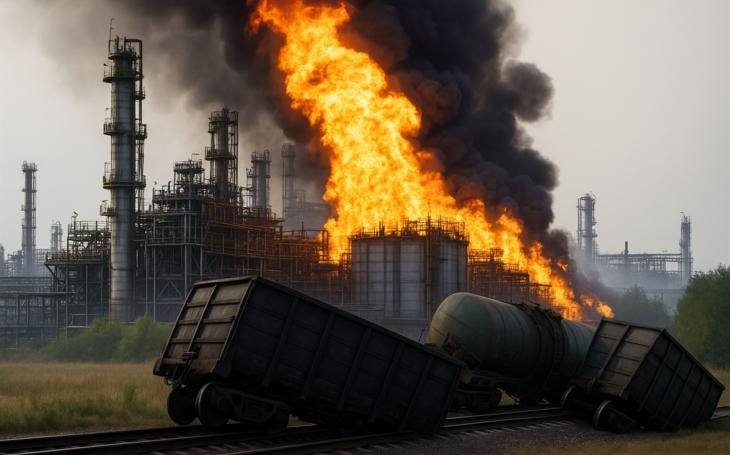
Refinery burning
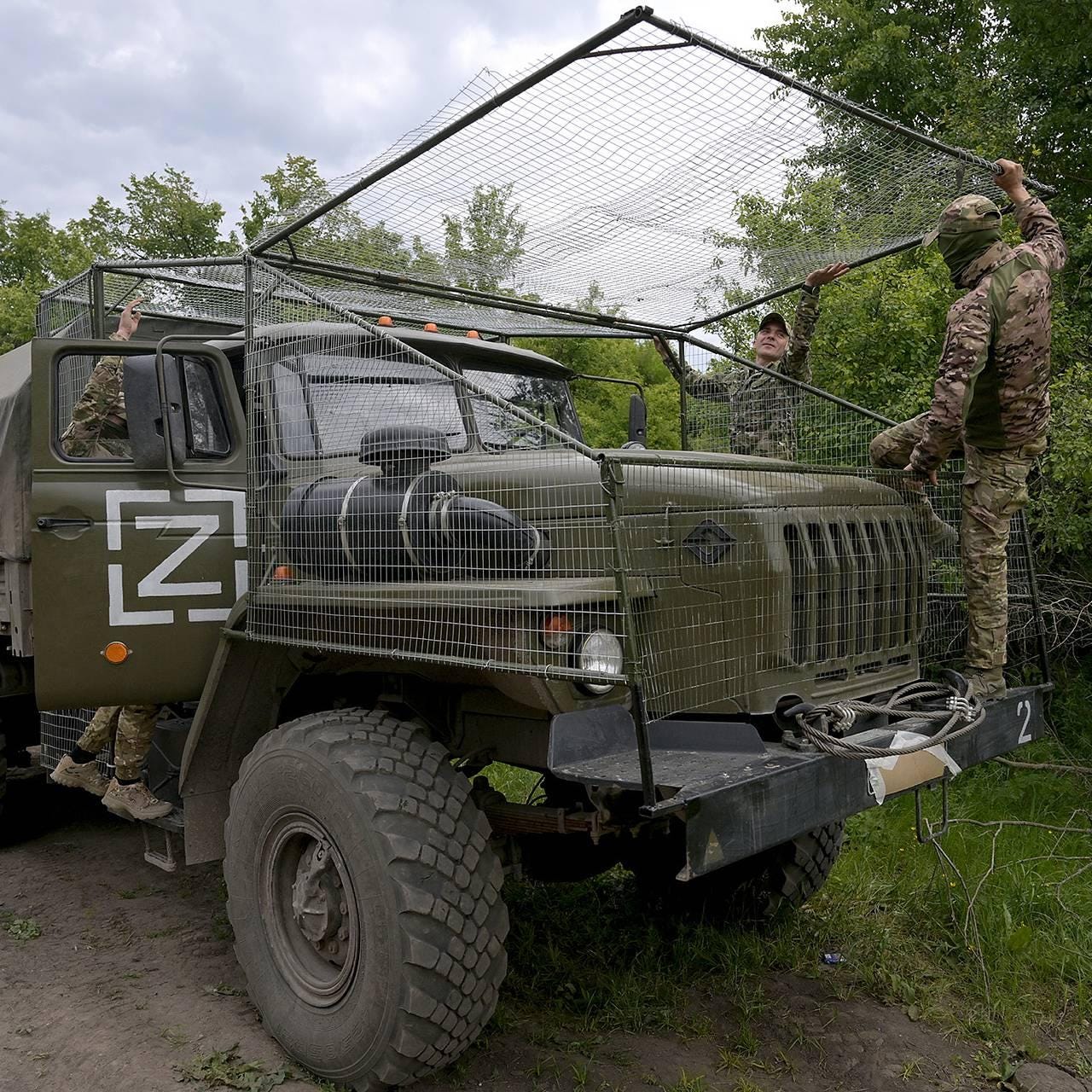
Russian vehicle with net as protection agains drones
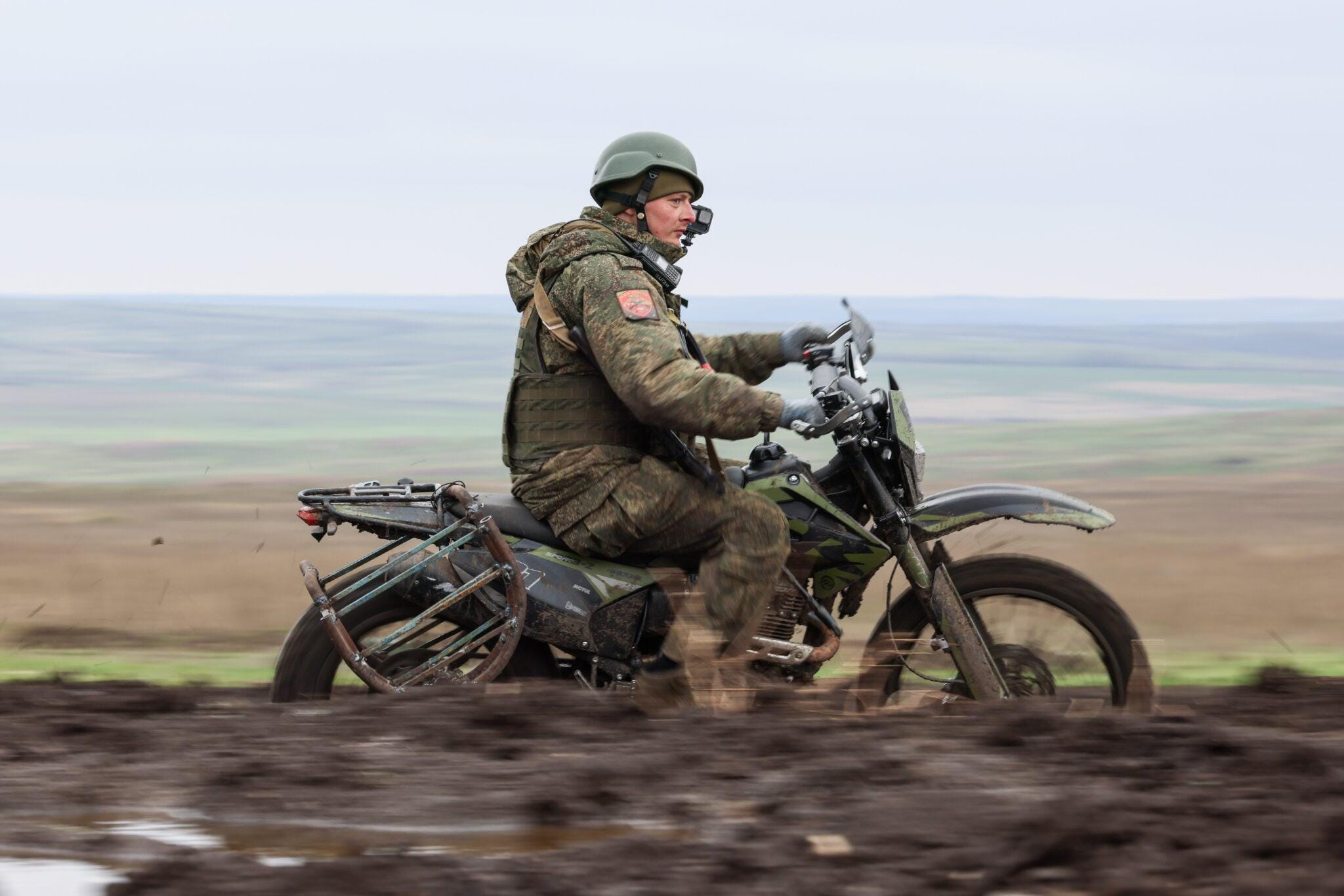
The Russians are trying to infiltrate in small groups. Here a soldier on a motorcycle tries to get through “the kill zone” so quickly that the drones can’t observe and hit him. Too optimistic in most cases. But some Russians make it through to the front line, where more death awaits.
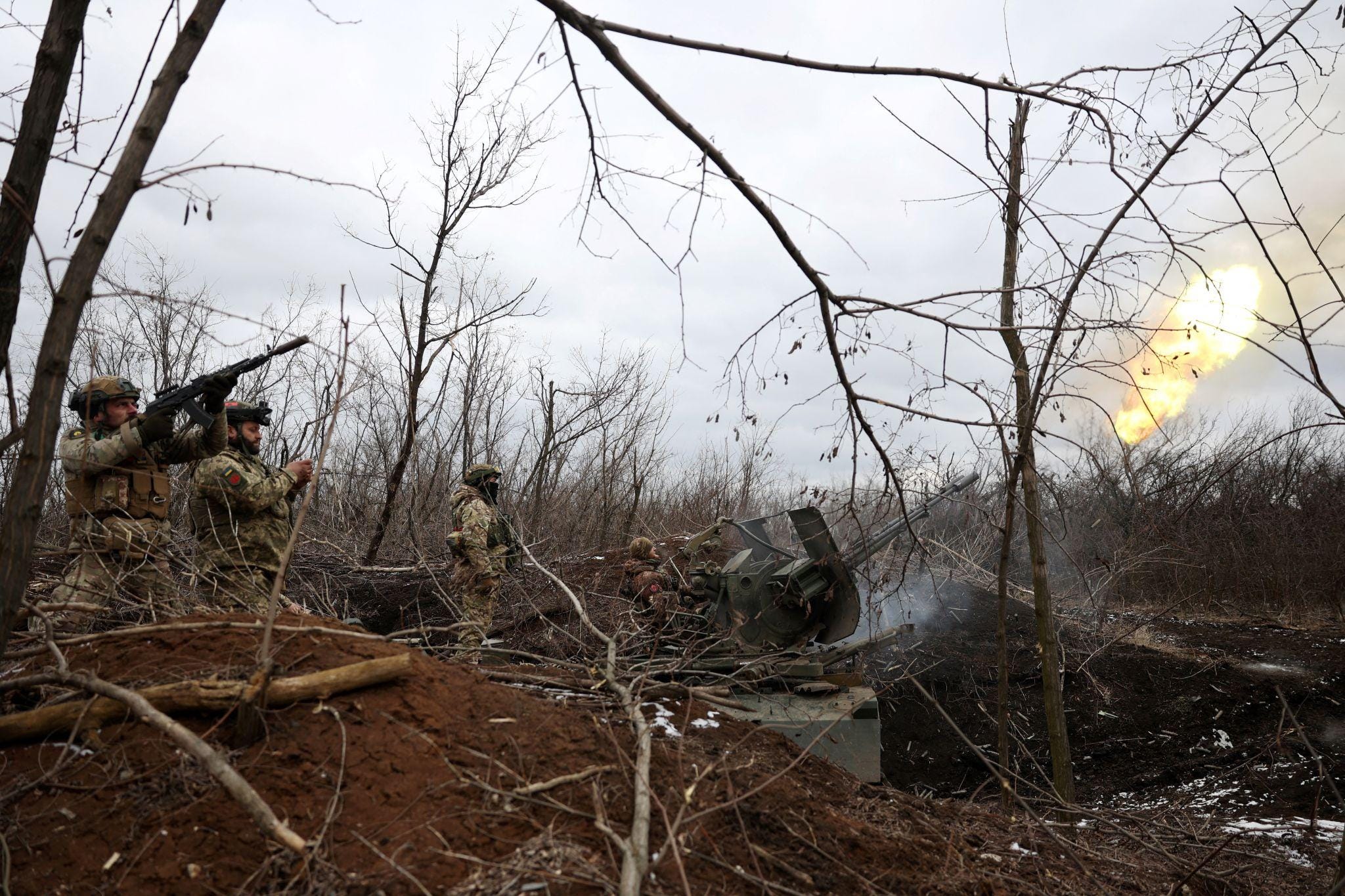
Attempt to shoot down incoming Russian drones with small arms
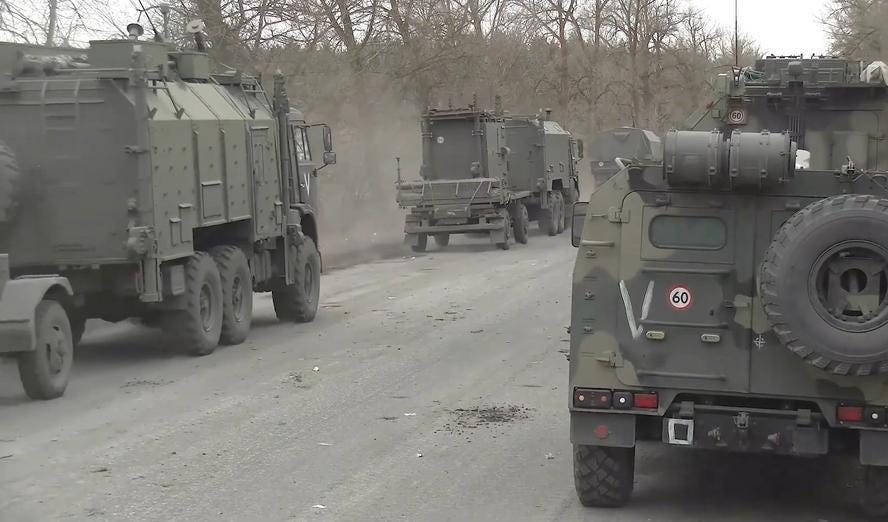
Russian column
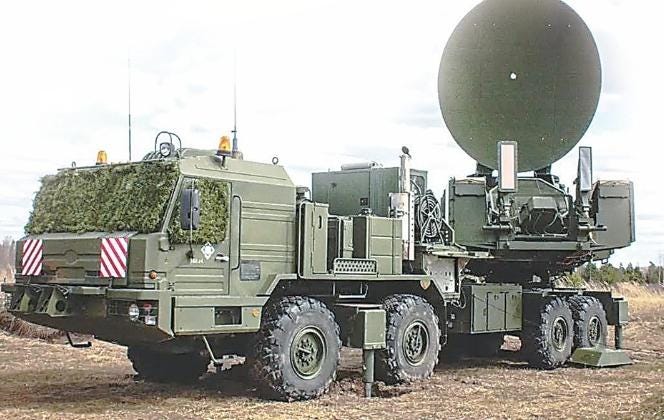
Russian Krasukha-2 electronic warfare (EW) system. The system is designed to jam airborne radars, unmanned aerial vehicles (UAVs) and guided missiles. It has been used by the Russian armed forces in Syria and Ukraine to jam enemy radar and communications. The Krasukha family is capable of jamming signals over large areas, which can cause radar failures and missile failures for the opposing side.
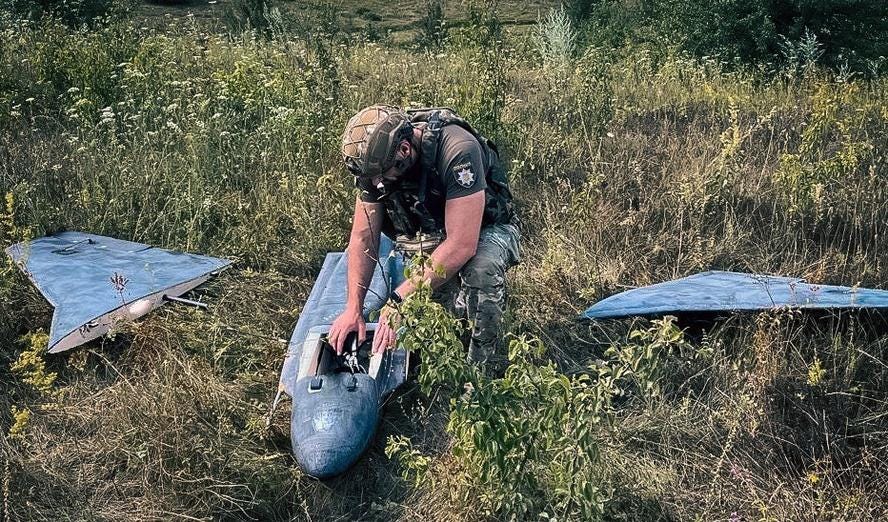
Ukrainian drone in preparation
Some of the clearest descriptions of the pressure are now coming from Russian nationalist and pro-war channels themselves.
They increasingly discuss:
shortages of mobile air defence
shortages of FPV interceptor crews
shortages of observation posts
shortages of engineering equipment
shortages of optics and thermal imagers
shortages of protected transport
One Russian pro-war account admitted that personnel density is shifting deeper into the rear because the frontline itself has become too dangerous.
That creates another problem:
As support zones expand 20–30 kilometres behind the front, Ukraine gains more opportunities to strike them.
Another nationalist account complained that anything larger than a motorcycle risks rapid destruction.
The language is emotional.
But the fear behind it is operationally important.
Motorcycles, fishing nets, camouflage nets, improvised armour, and ad hoc drone protection are not signs of confidence.
They are signs of adaptation under pressure.
The shopping list itself becomes a confession.
“The Russian state speaks in absolutes. Russian war voices speak in objects.”
Fuel Is Not Background
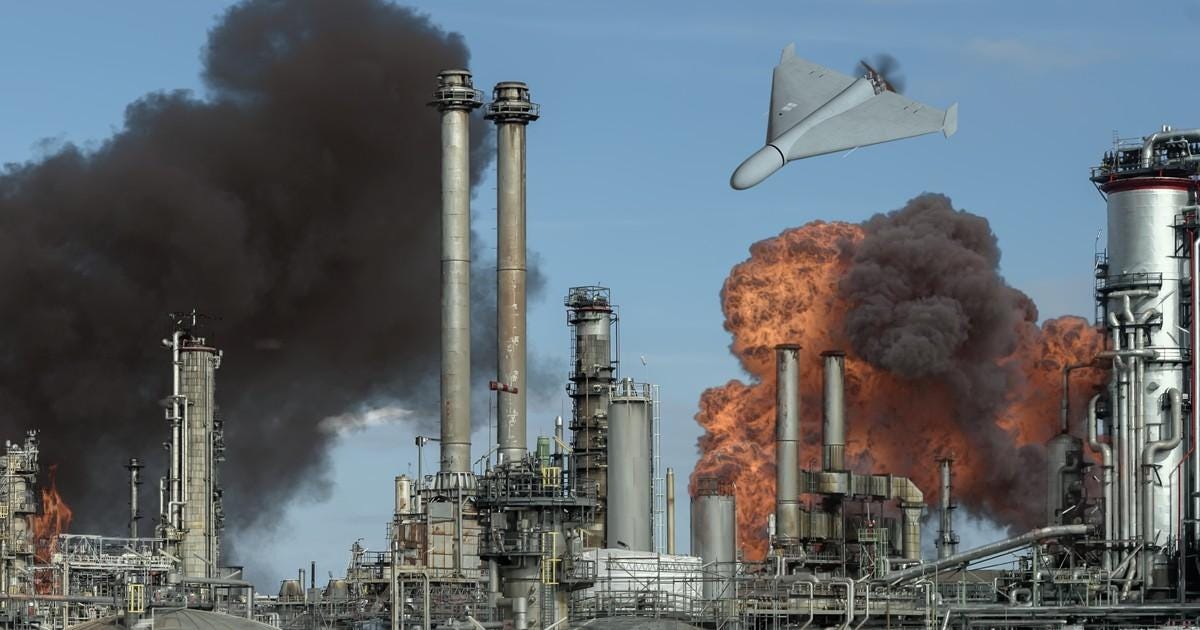
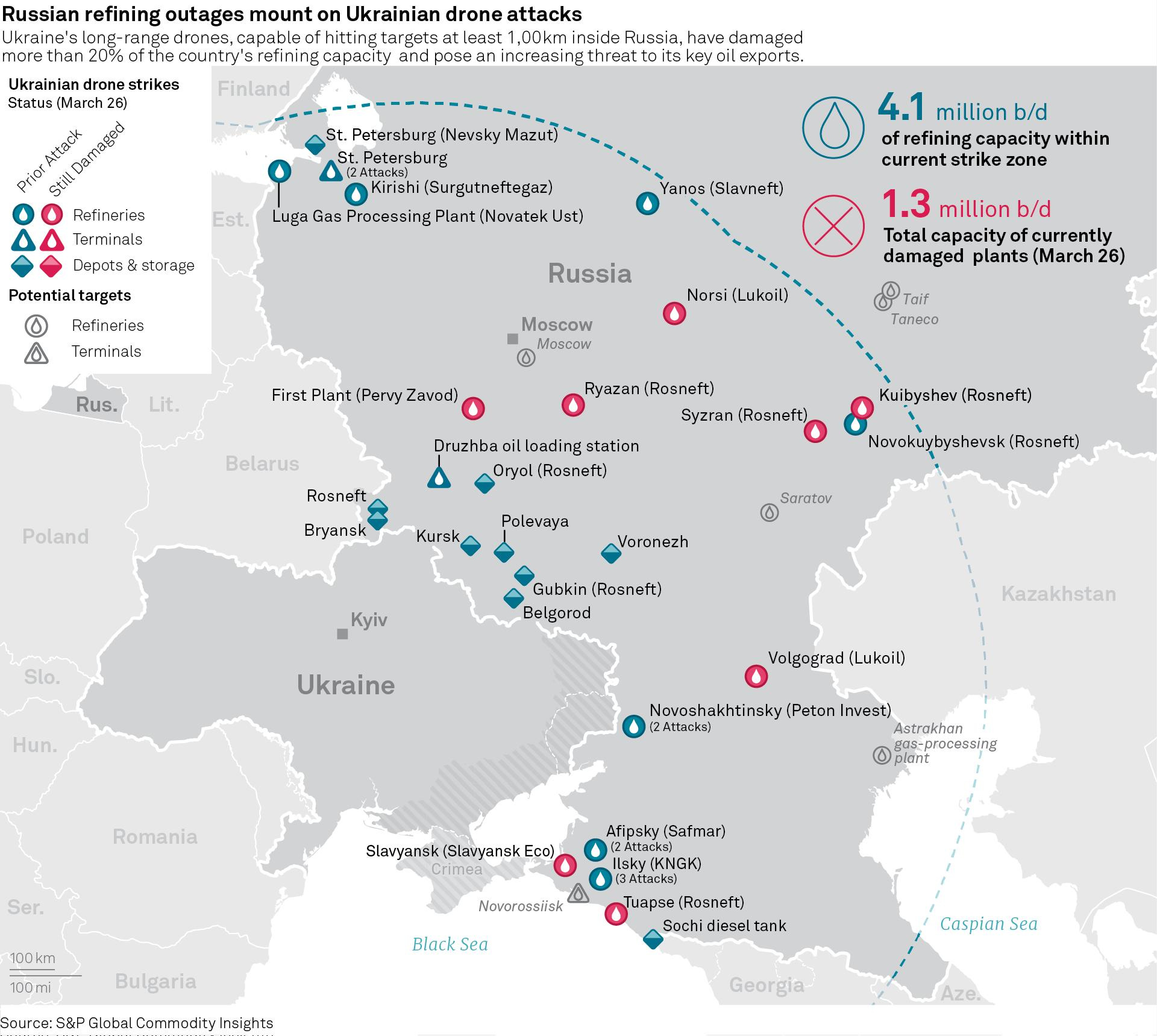
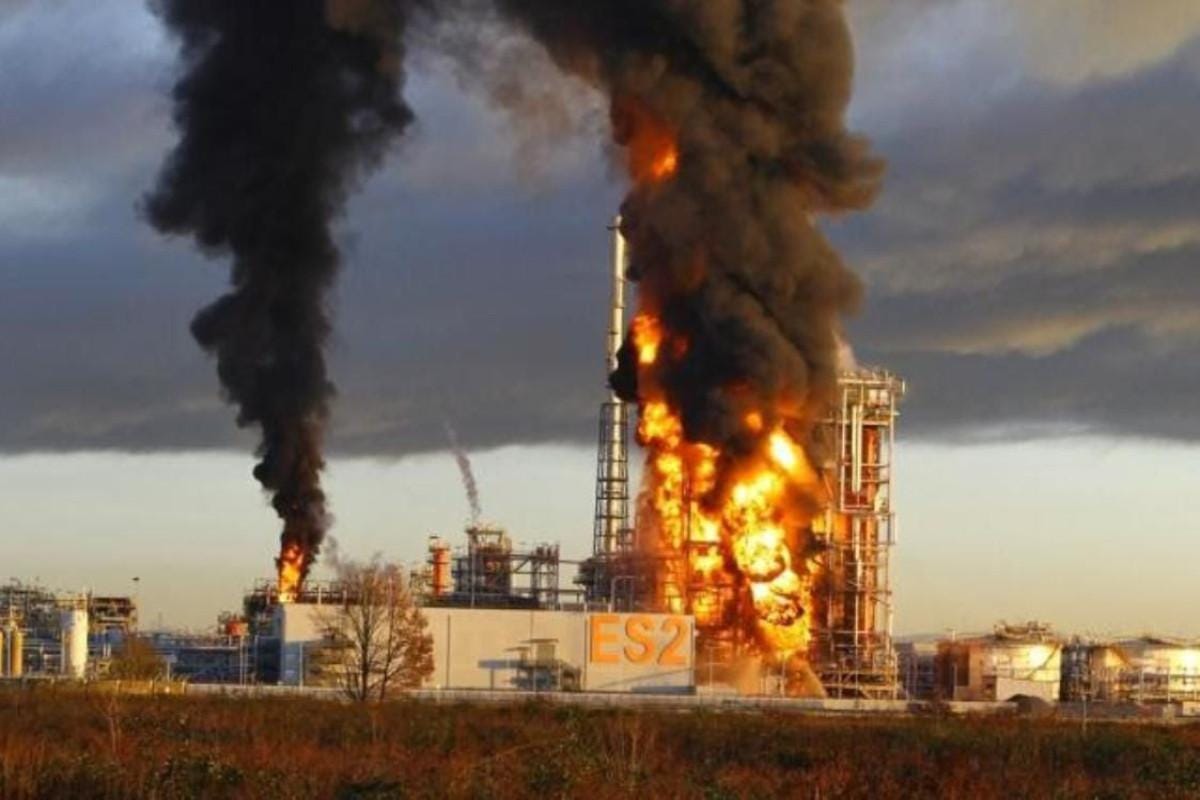
Russian oil installations are the subject of repeated Ukrainian drone attacks for two reasons. First, it leads to shortages of operational resources for Russian forces. Second, it is oil that finances Russia’s war.
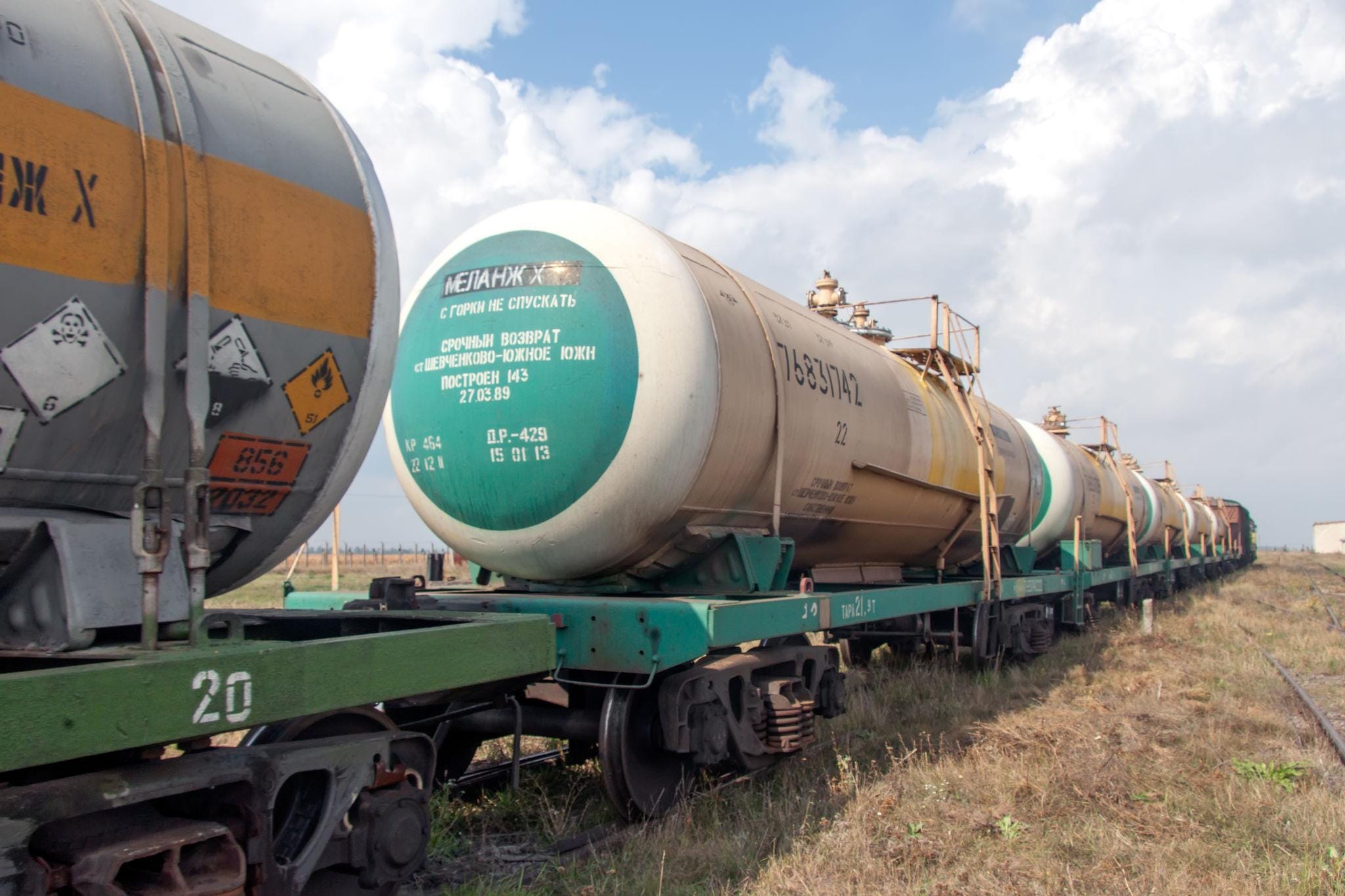
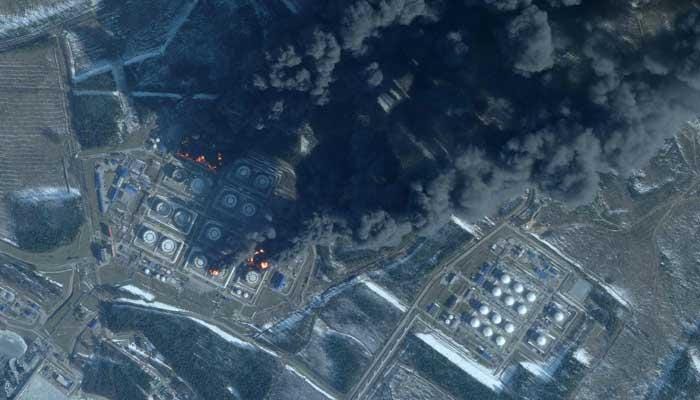
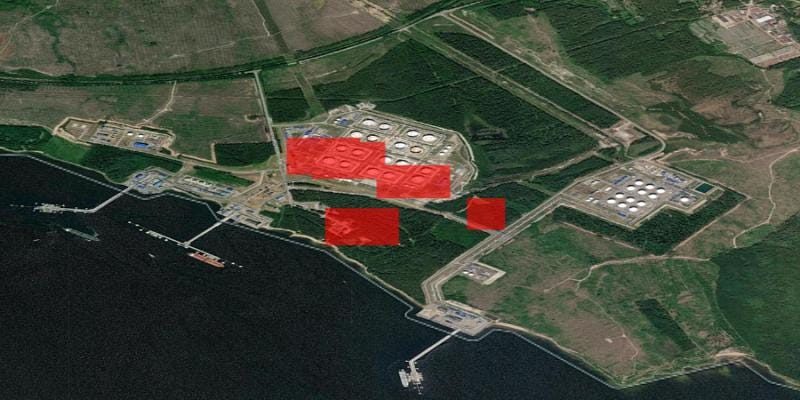
Wars do not run on speeches.
They run on fuel.
That is why refinery strikes matter far beyond the immediate explosion.
Reuters reported that the May 7 strike against the Lukoil refinery in Perm forced a complete halt in refining operations, with repairs expected to take weeks.
Perm processed roughly 250,000 barrels per day before the strike.
One refinery shutdown does not collapse Russia’s fuel economy.
But war is often about cumulative subtraction.
Every disruption creates trade-offs:
which depots receive priority
which buyers face shortages
which military sectors receive fuel first
which repair cycles get delayed
which transport routes become overloaded
Ukraine is not trying to destroy Russia in one strike.
It is trying to create friction everywhere at once.
That is a very different type of warfare.
Air Defence Is Becoming Part of the Target
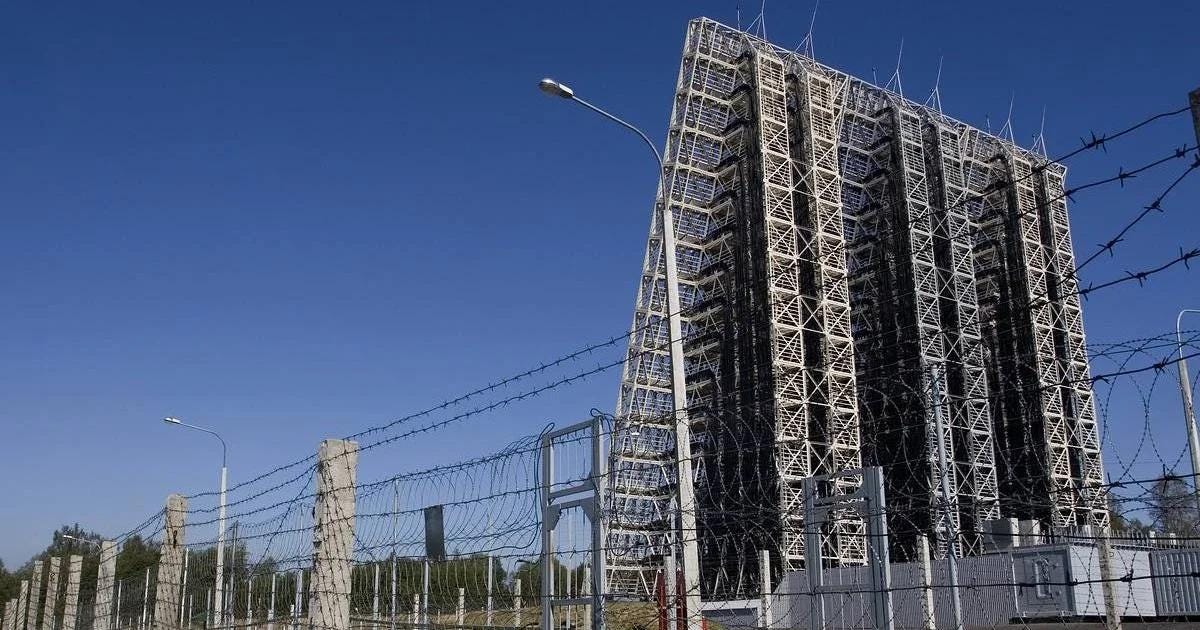
A Voronezh radar (Voronezh-DM), which is part of Russia’s advanced early warning system against missile attacks. These radar stations monitor the airspace for long-range missiles and aircraft, with a range of up to 6,000 km. Several of these stations have recently become targets of drone attacks from Ukraine as part of the ongoing war. Russia has installed these radars in several locations, including in the Krasnodar region, the Leningrad region, Kaliningrad and the Orenburg region.
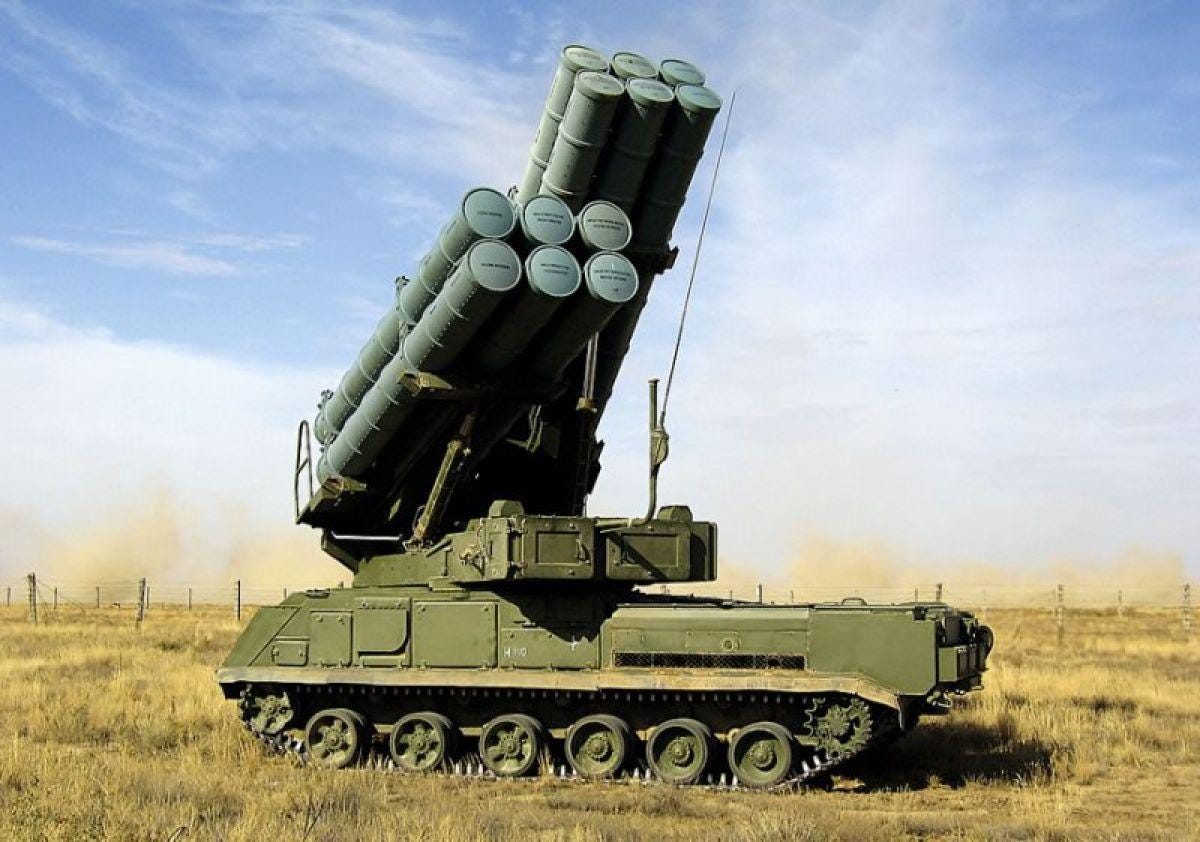
Russian Buk-M3 air defense missile system. This is a 9A316M launcher, part of the Buk-M3 medium-range air defense system. The vehicle is equipped with 12 missile launchers that can shoot down aircraft, helicopters and cruise missiles. The system can detect targets flying as low as 5 meters, and can track and combat multiple threats simultaneously.
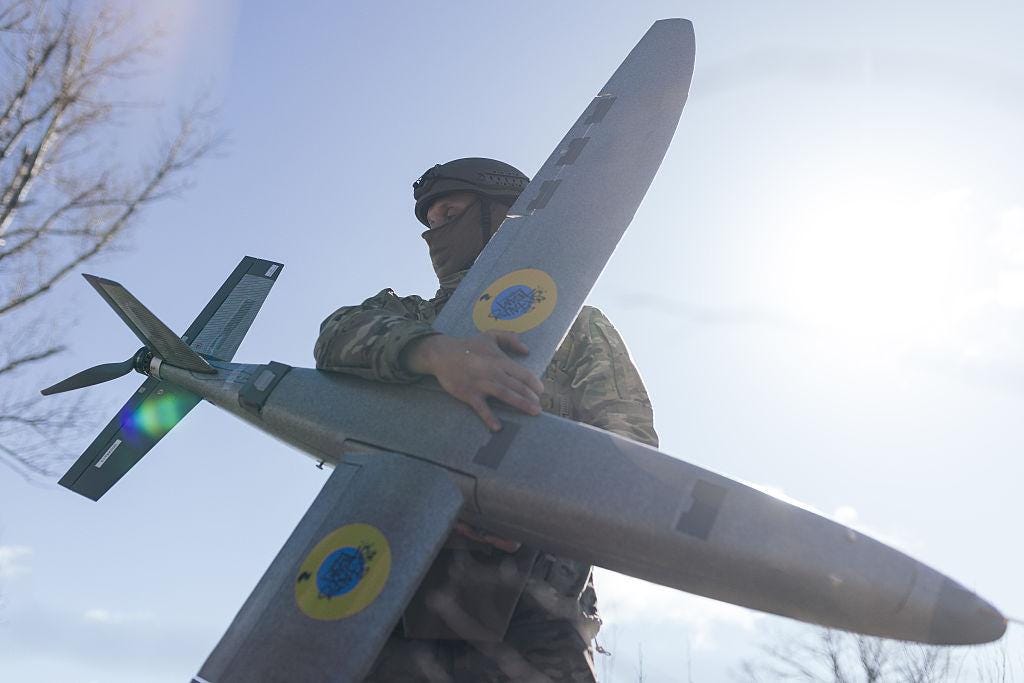
Ukrainian midrange drone
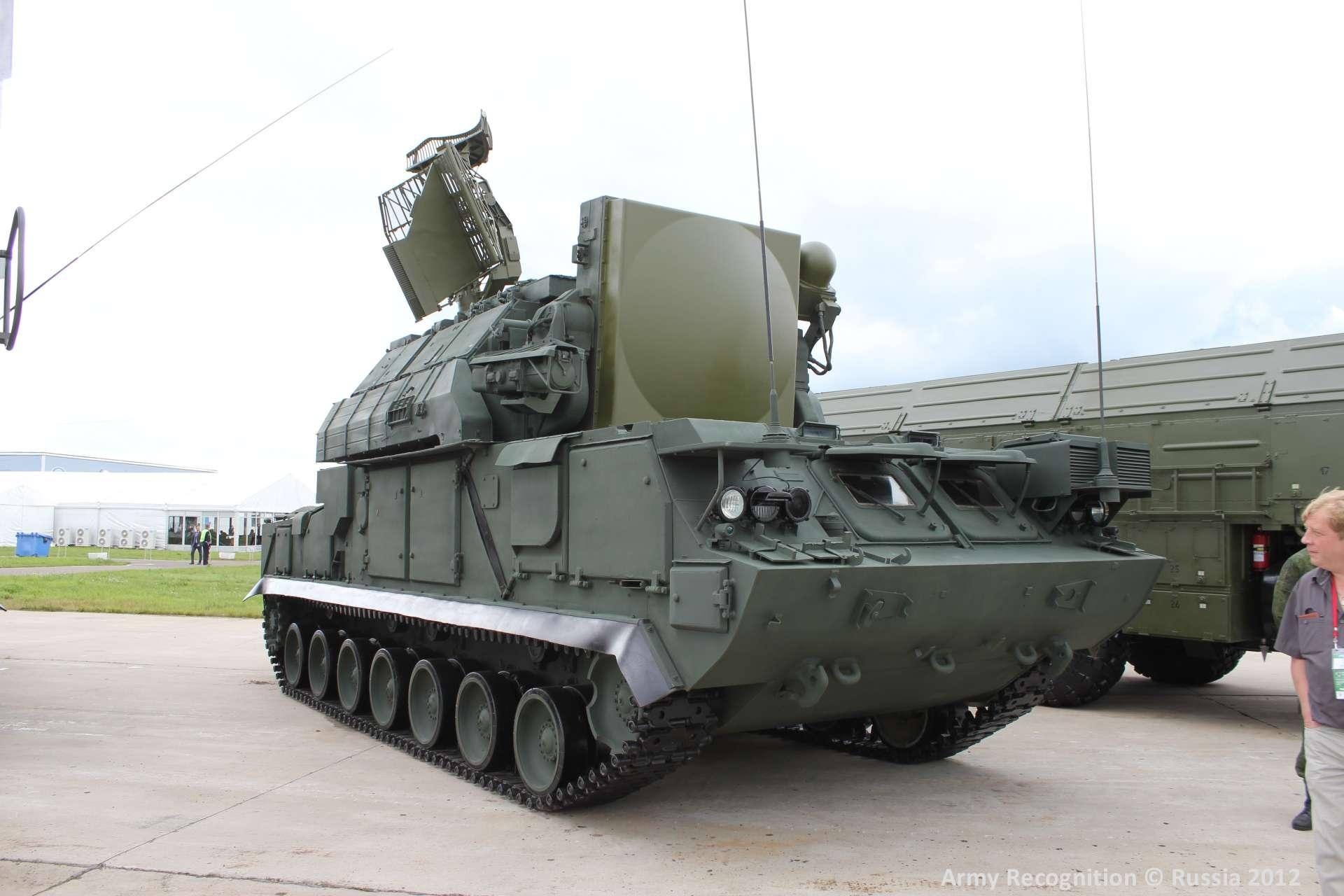
Russian Tor-M1 air defense system, also known by the NATO reporting name SA-15 “Gauntlet”. It is a mobile, short-range air defense system designed to shoot down aircraft, helicopters, cruise missiles and drones in all weather conditions. The system can detect targets at a distance of up to 27 km and combat them within a range of 1-12 km. It is capable of detecting up to 48 targets simultaneously and engaging two of them at the same time.
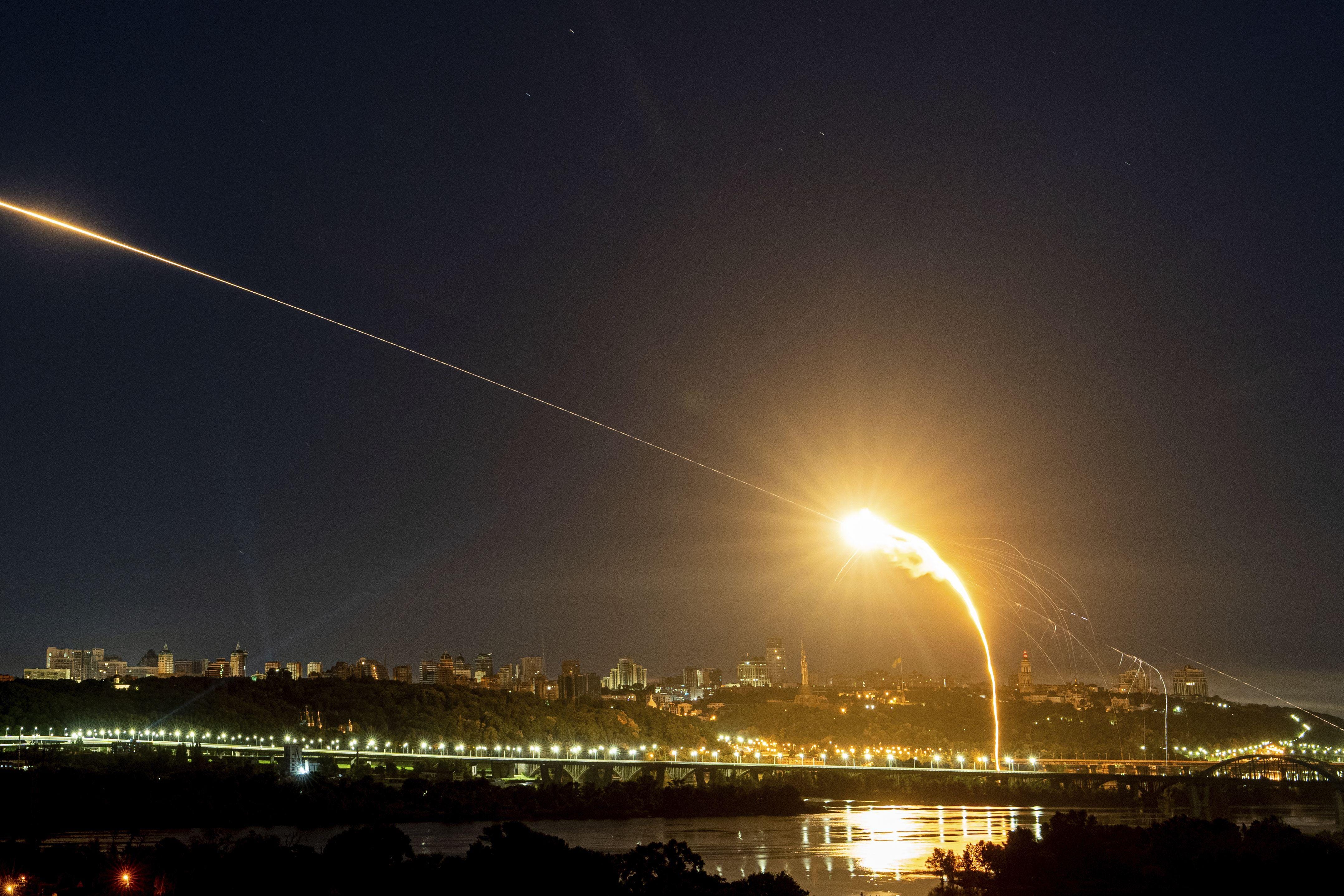
Ukrainian search light
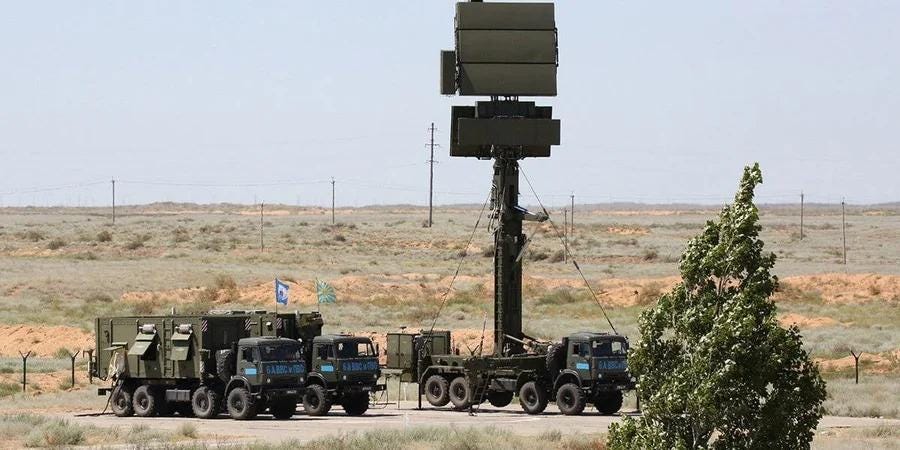
Russian 48Ya6-K1 Podlet-K1 radar system, which is a mobile 3D radar system designed to detect low-altitude air targets. The radar is primarily used to detect small, low-flying targets such as drones, cruise missiles and low-altitude aircraft. The system consists of an antenna post, a mobile command center and a mobile generator, all mounted on KAMAZ trucks. It provides target data to Russian air defense systems such as the S-300 and S-400.
According to Der Spiegel, Ukraine is increasingly destroying Russian radar and air-defence systems while simultaneously extending strike depth inside Russia.
That changes the geometry of the war.
Russian air defence now faces competing priorities:
protect Moscow
protect Crimea
protect troop concentrations
protect refineries
protect drone factories
protect rail corridors
protect logistics hubs
But no country has infinite coverage.
Every battery moved inland leaves another gap elsewhere.
That is becoming visible not only militarily, but socially.
Sirens.
Mobile internet shutdowns.
Flight disruptions.
Photo bans after strikes.
Delayed official reporting.
The war is reaching deeper into Russian daily life.
And Moscow increasingly appears worried not only about explosions — but about visibility.
Moscow Is Trying to Control the Photograph
On May 13, Moscow reportedly banned unauthorised publication of photos and videos showing strike aftermaths.
The purpose was obvious.
The state cannot fully stop the strikes.
So it tries to control who sees the consequences first.
That reveals something important:
The Kremlin increasingly treats embarrassment as a security problem.
Russian nationalist channels immediately criticised the move, warning that silence would leave the information space entirely to Ukrainian sources.
That is a remarkable moment.
A pro-war Russian channel effectively accused the Russian state of surrendering the information battle inside Russia itself.
“The state could not prevent the blast, so it moved to regulate who was allowed to notice it first.”
Russia Still Has The Ability To Kill
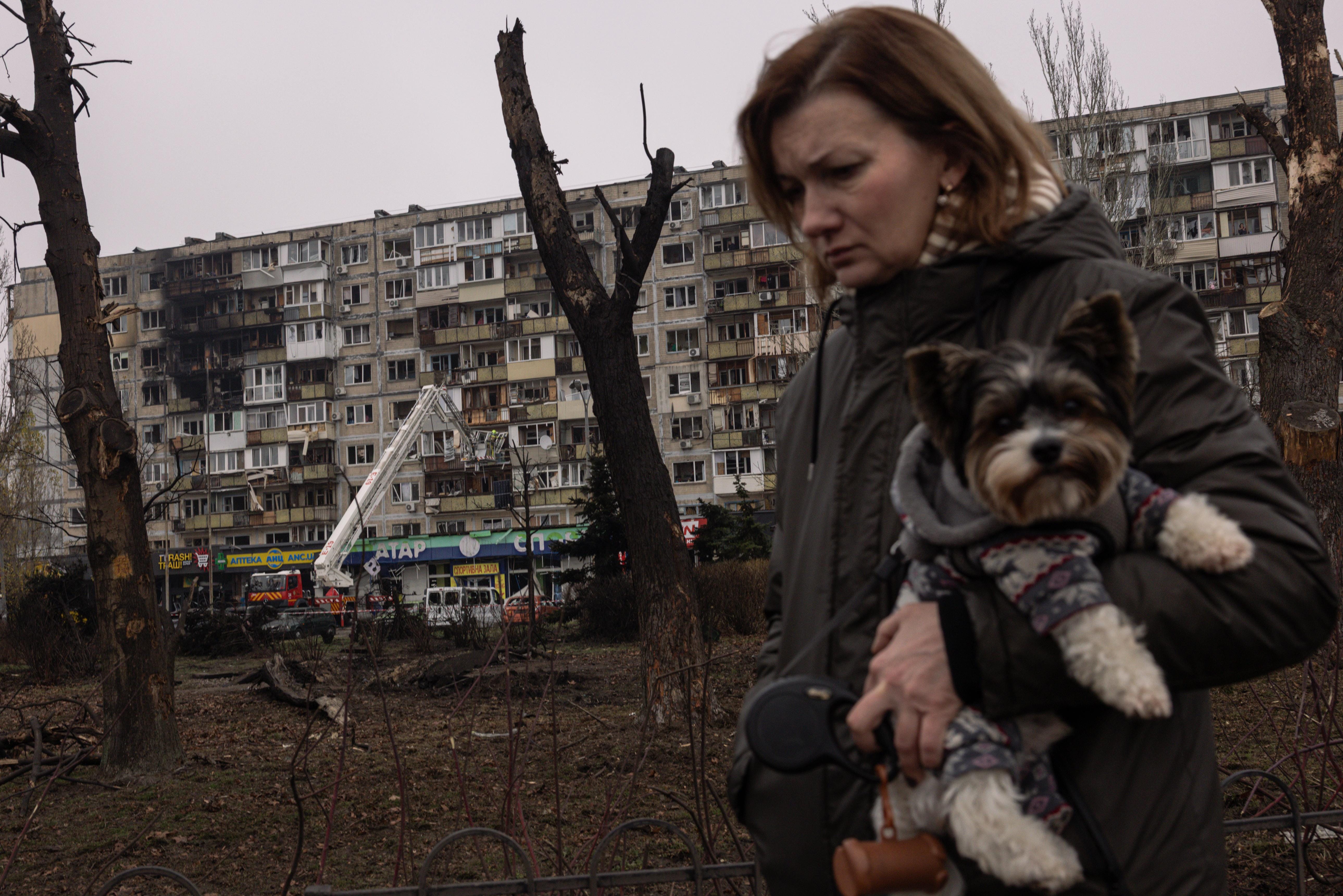
This image shows the effects of the extensive Russian attacks on Ukraine. Here are some key points: The image dates from a period of massive Russian drone and missile attacks on the Ukrainian capital, Kyiv. The attacks targeted vital energy infrastructure, leaving hundreds of thousands of residents without power. These attacks have resulted in the loss of life and numerous injuries among the civilian population.
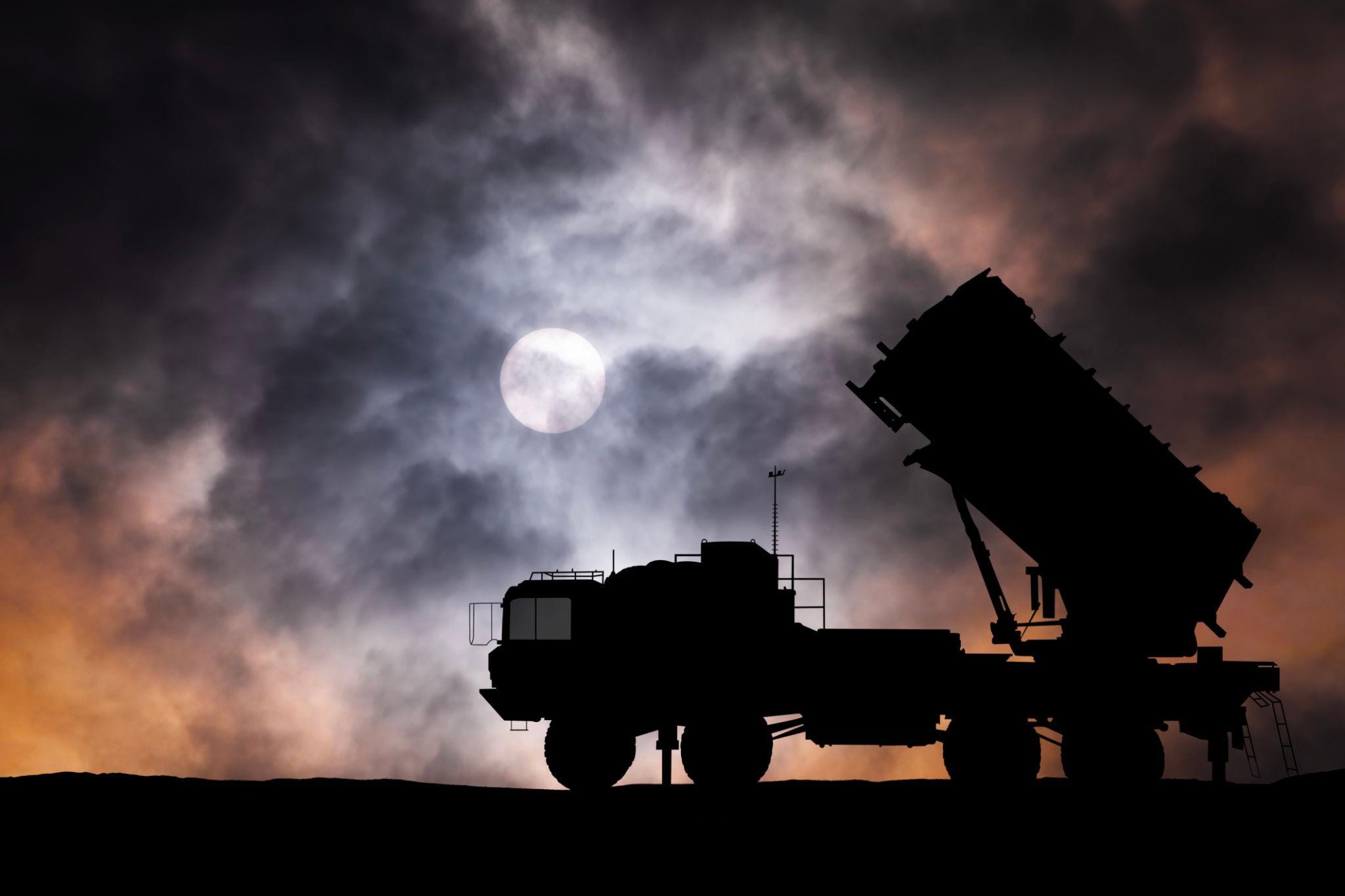
This image shows a silhouette of an air defense system, likely a MIM-104 Patriot. This is a ground-based, mobile air defense missile system. It is designed to track and shoot down aircraft, cruise missiles, and tactical ballistic missiles. The system typically consists of radars, a control center, and launch pads as shown. These systems are currently used by Ukraine to defend itself against missile attacks
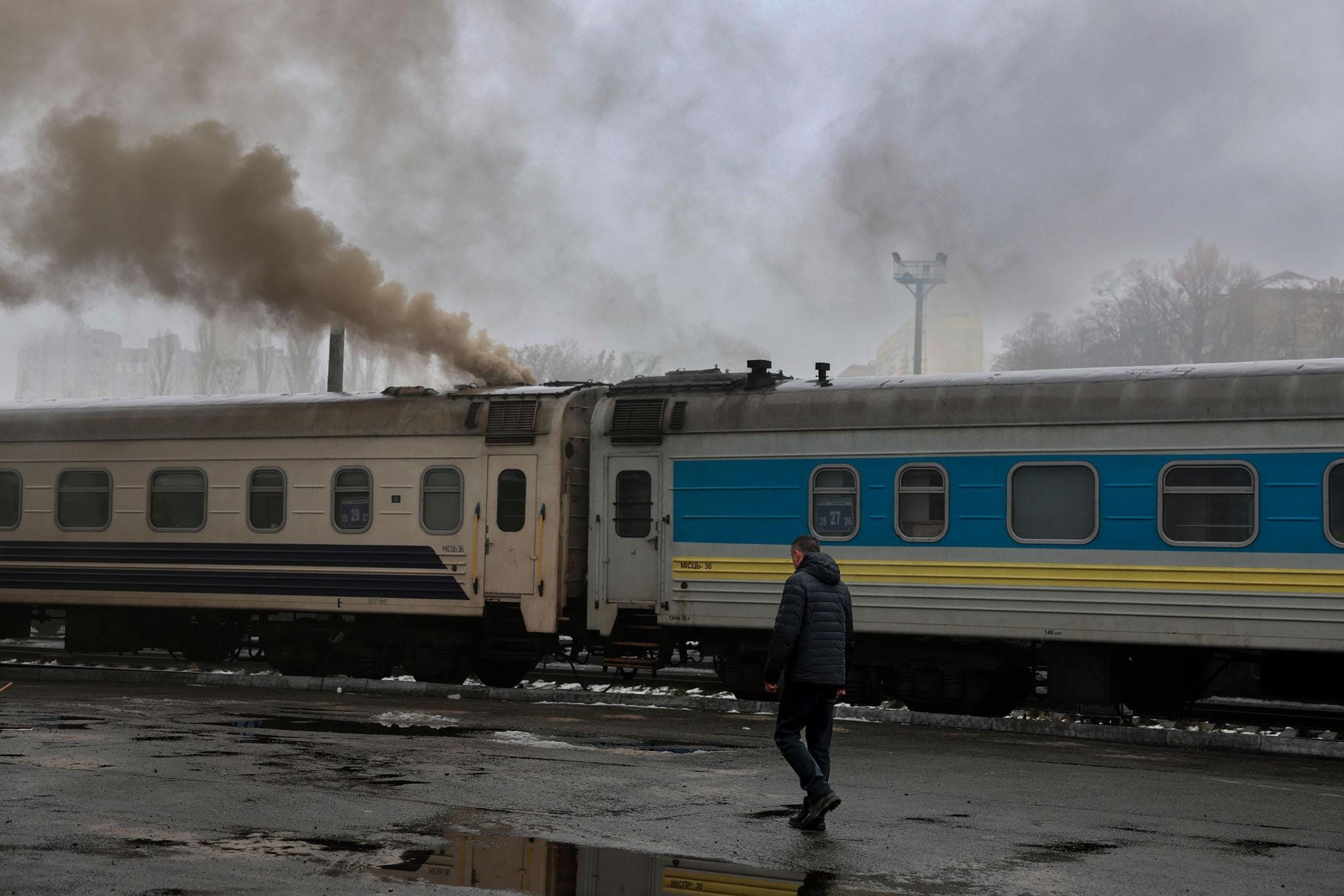
This image shows passenger or evacuation trains operated by Ukrzaliznytsia, the state-owned Ukrainian railway company. The train cars are painted in the classic blue and yellow colors that represent Ukraine. The trains have played a crucial role in evacuating thousands of civilians from war zones since the Russian invasion began in 2022. The routes often connect eastern cities, such as Kharkiv or Zaporizhzhia, with western Ukraine and neighboring countries such as Poland.
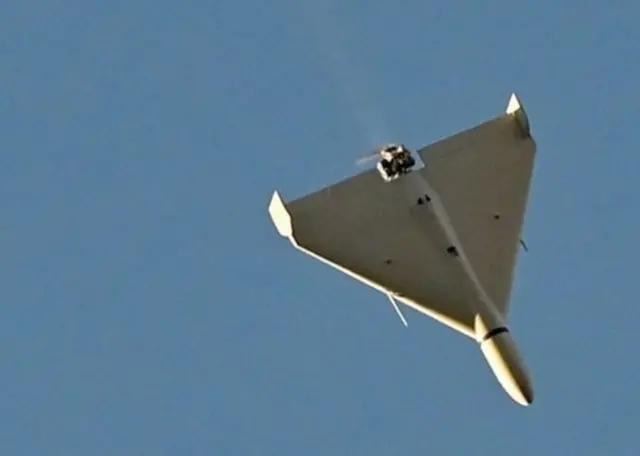
This is a Shahed-136 “kamikaze drone”, also known as a “martyr drone”. These drones are manufactured in Iran and have been used by Russian forces in the conflict in Ukraine since the fall of 2022. They act as disposable weapons that crash into targets and explode on impact, similar to V2 bombs. They are known to make a characteristic noise that some Ukrainians compare to a motorcycle.

None of this means Russia has become weak.
It can still kill civilians.
Still overload air defences.
Still damage railways.
Still impose exhaustion across Ukraine.
The May 13 drone saturation attack demonstrated that clearly.
Hundreds of drones forced Ukraine into prolonged defensive operations across multiple regions. Rail infrastructure was hit. Civilians were killed and wounded. Air-defence crews faced wave after wave of targets.
Russia still retains mass.
But the attack also revealed something else:
Saturation warfare exposes the attacker too.
Large-scale drone warfare consumes enormous resources:
production
launch sites
coordination
operators
logistics
communications
transport
fuel
The larger the offensive becomes, the more support machinery it requires behind the line.
And that machinery can increasingly be reached.
The Negotiation Pressure Is Part of the Offensive
Russia’s diplomatic language now mirrors its military preparation.
The Kremlin continues demanding that Ukraine withdraw from territory Russia still does not fully control.
That is not compromise.
It is an attempt to use diplomacy to complete what military force has not yet achieved.
According to the Financial Times, some Russian commanders reportedly believe they can seize all of Donbas by autumn. ISW remains far more sceptical.
That gap matters.
Because Moscow needs visible momentum before negotiations.
And visible momentum requires logistics.
The offensive and the peace talks are not separate tracks anymore.
They support each other.
Ukraine understands this.
That is why the assembly phase itself has become a battlefield.
The Offensive Is Visible Now
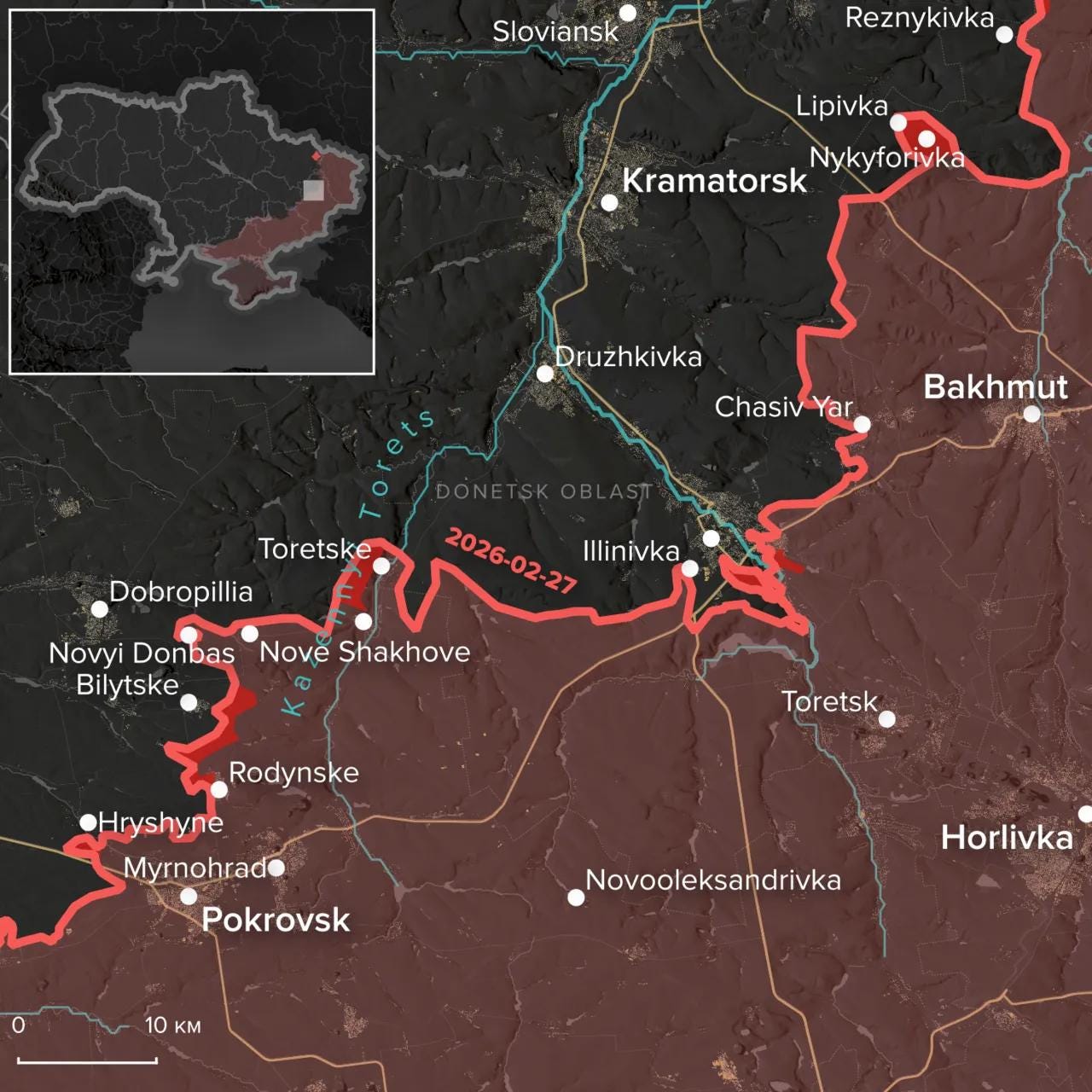
The Donbas area and the Ukrainian fortress belt
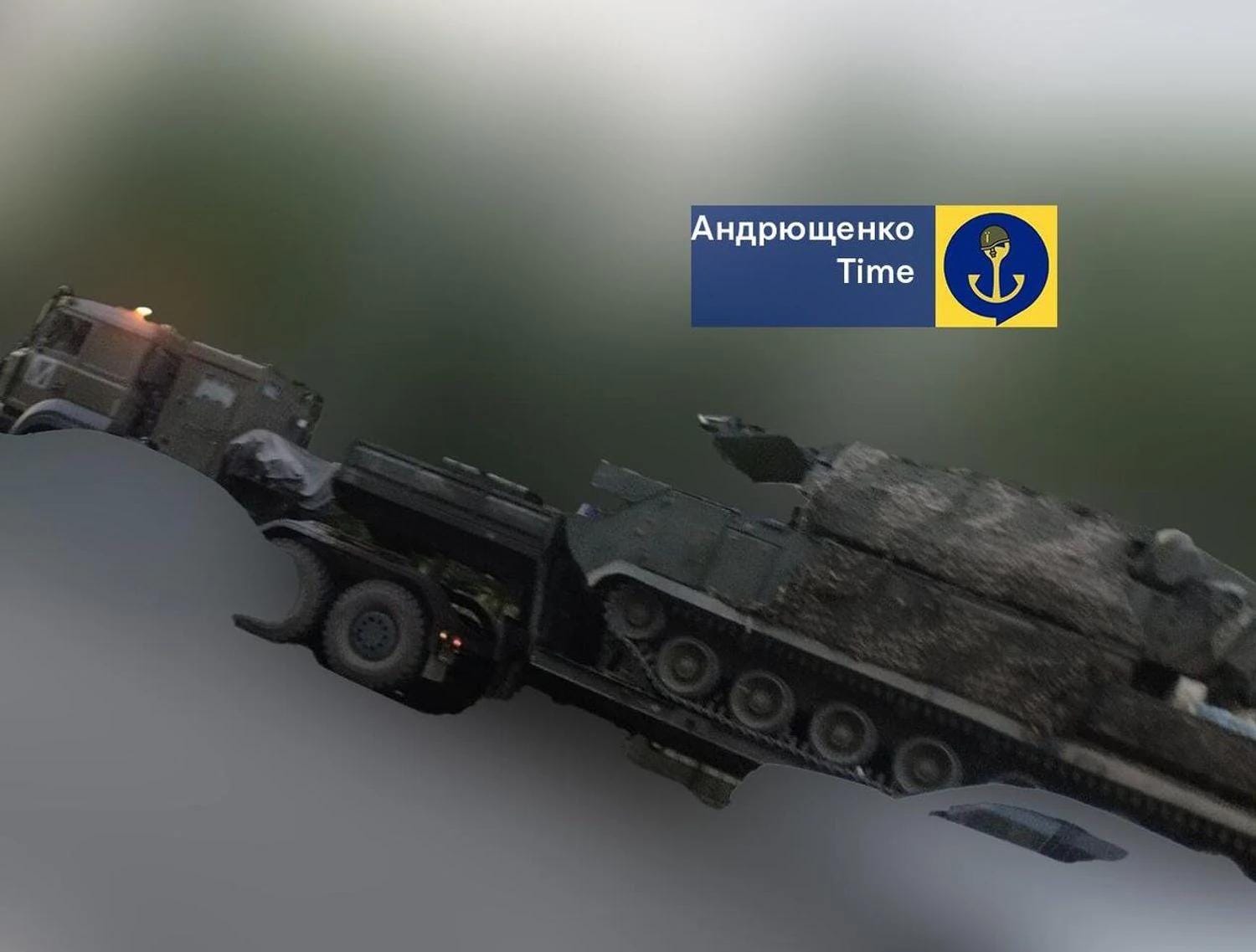
: The vehicle resembles a military truck carrying a heavy armored vehicle or a component for a missile system. The image is linked to recent reports of Russian troop movements through occupied areas such as Mariupol. Visual similarities suggest the equipment may be related to systems such as the Buk-M1-2 or the Ranzhir-M1 mobile command and control center.
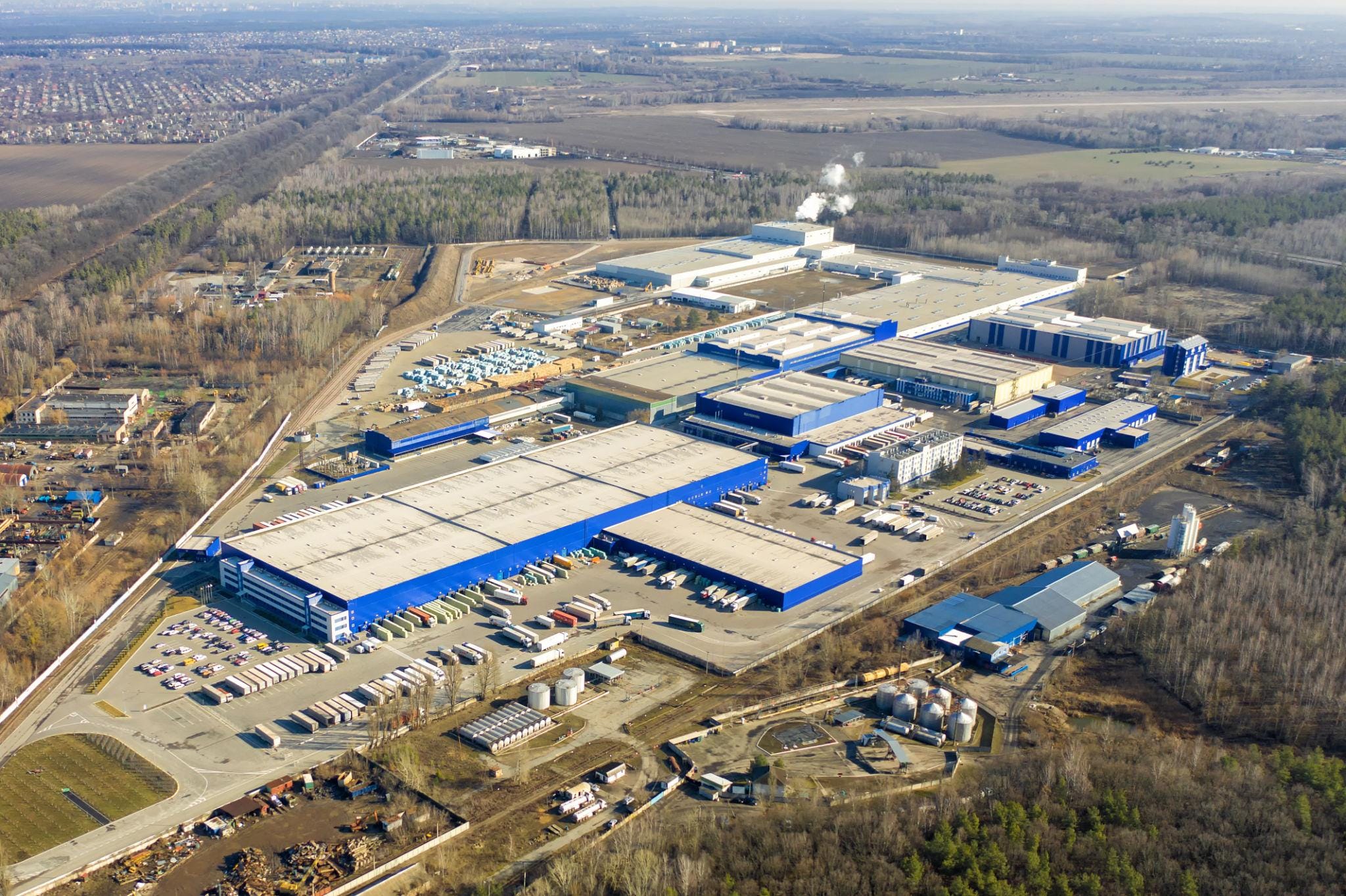
Industrial logistics park and a warehouse complex. A typical target for Ukrainian long-range drones
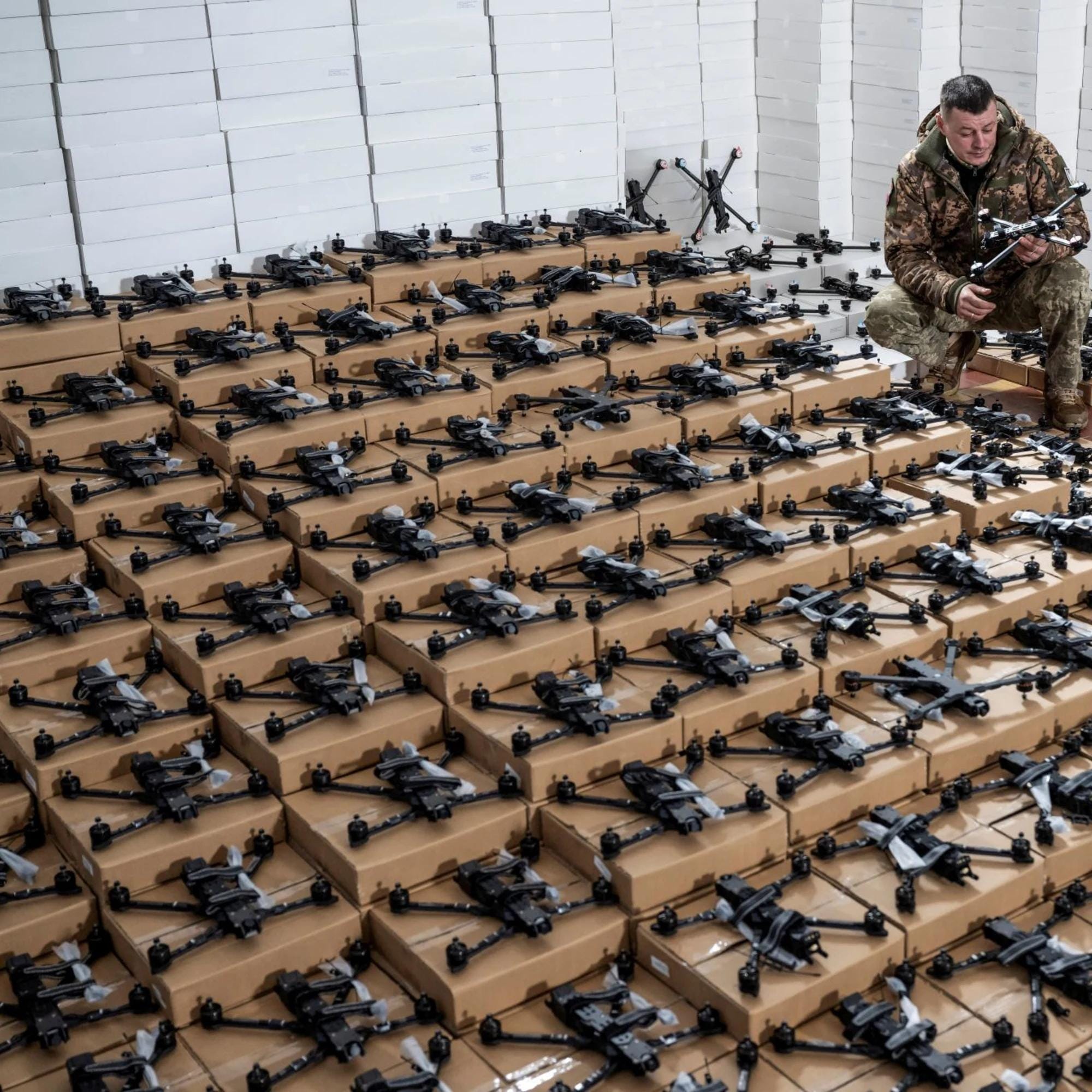
Ukrainian short distance drones
Russia can still launch the offensive.
That danger is real.
But unlike earlier phases of the war, preparation itself now creates exposure.
Fuel depots.
Drone operators.
Rail substations.
Command posts.
Air-defence batteries.
Support zones.
Repair hubs.
The offensive has to gather before it moves.
And Ukraine is increasingly trying to strike the gathering itself.
That does not guarantee success.
It does not stop the killing.
It does not remove Russia’s advantages in manpower, violence, or industrial scale.
But it changes the shape of the war.
The deeper Russia prepares, the more visible the preparation becomes.
And visibility, in this war, increasingly means vulnerability.
Suggested reading


Reflexions
This war increasingly looks less like a clean front line and more like an industrial nervous system under attack.
The battlefield is no longer only where soldiers meet.
It is where fuel arrives.
Where drones recharge.
Where railways continue running.
Where radar operators stay awake.
Where air-defence crews decide what can still be protected.
Russia still has mass.
Ukraine is trying to make mass expensive before it can move.
That may become one of the defining military ideas of this phase of the war.
Ending
Russia is assembling men, fuel, drones, rail, and air defence for Donbas.
Ukraine is increasingly trying to hit the offensive before it fully forms.
The battlefield is moving deeper into logistics, fuel, and preparation itself.
It’s free
However, if you find reason to support my research - I would be grateful for any contribution in the range of: 2 to 8 $.
If you want to contribute you should upgrade to paid when you have pressed the Subscribe button. Then the pledge window should open. I have added a new button you can try.
However, there are no restrictions. Everything is free and public.
Please do me the favour to restack.
…please stop calling an invasion and occupation a “conflict”, conflict implies dispute - there’s no dispute here period