
Russia Cannot Be Deleted
The Real Danger Is That It Is Deleting Its Own Future

Inspired by the debate sparked by Jonathan Fink’s article “Deleting Russia” at Silicon Curtain.
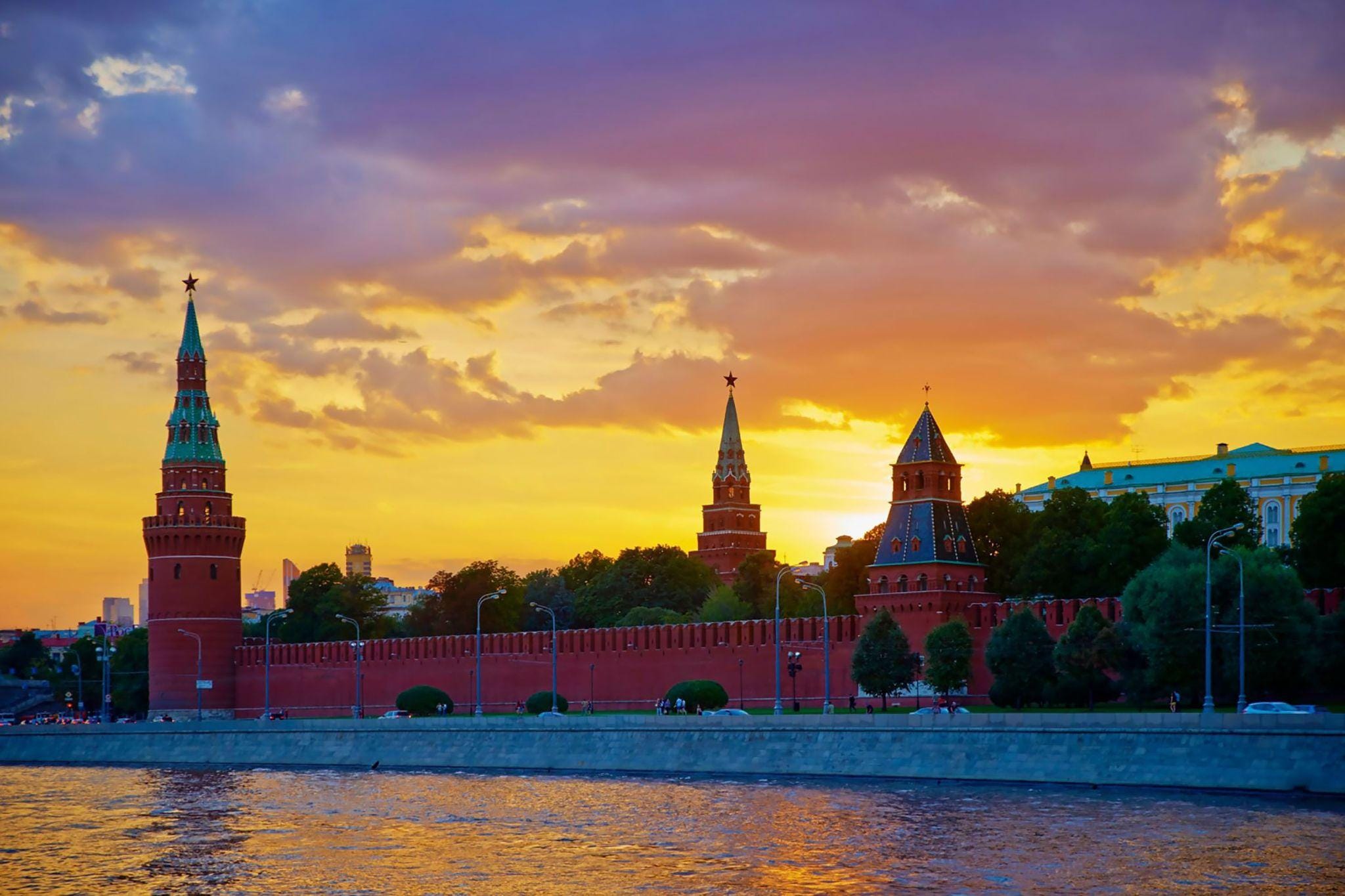

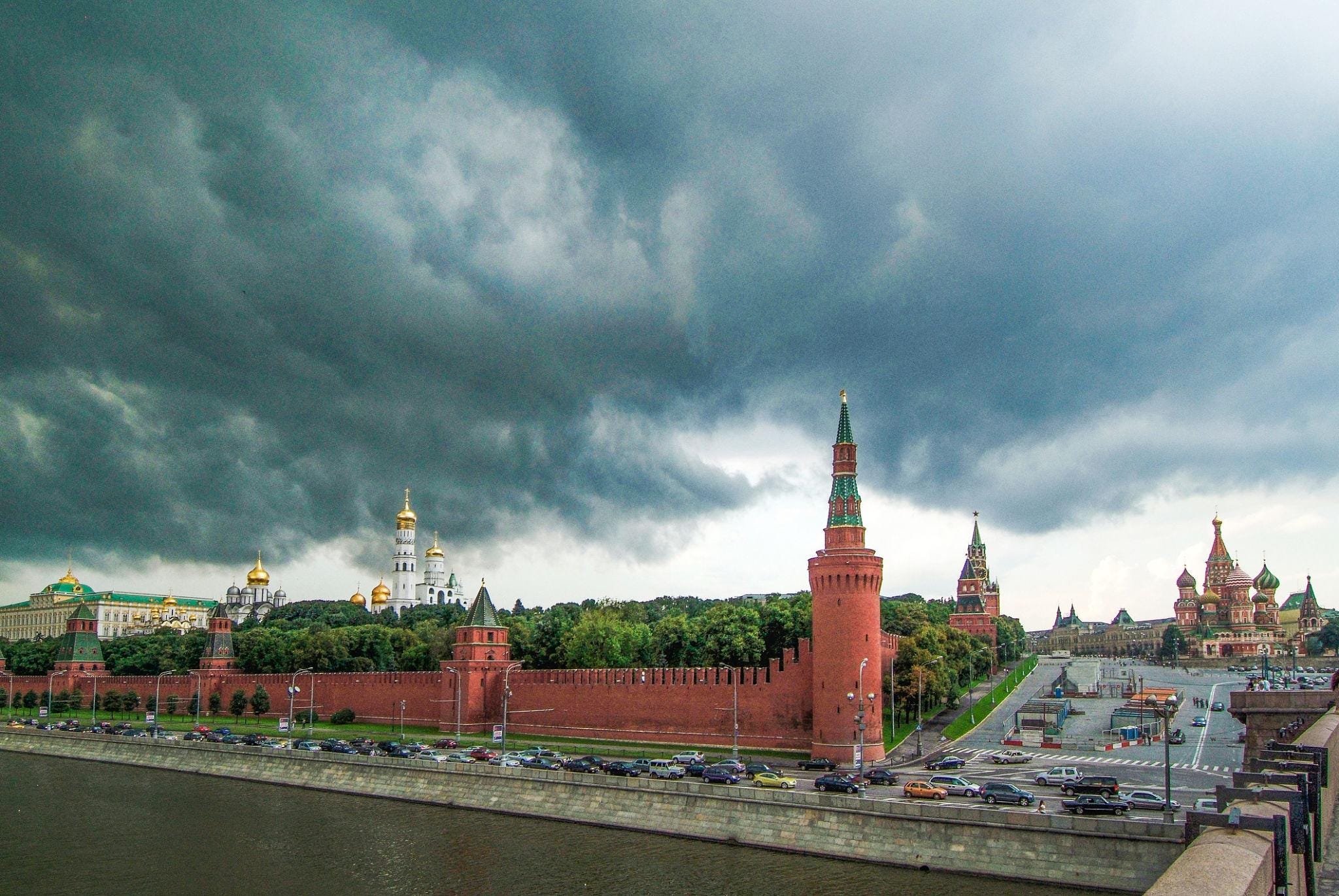
Russia will not disappear from the map.
It is too large, too armed, and too deeply embedded in history for that.
But nations do not need to vanish to lose influence.
Sometimes they simply narrow their own horizons.
And that quieter process may be one of the most important geopolitical stories unfolding around Russia today.
The illusion of “deleting” Russia
The idea that Russia could somehow be “deleted” from the international system reflects a very real frustration across the democratic world.
Sanctions.
Diplomatic isolation.
Technological restrictions.
All are intended to limit Moscow’s ability to wage war and project power.
Yet the language of deletion can be misleading.
Russia is not disappearing.
What we may be witnessing instead is something historically familiar: self-imposed disconnection.
Russia is not being deleted by the world.
It is gradually disconnecting itself from the networks that generate modern power.
Power now flows through networks
In the twentieth century, power meant territory, population and military strength.
In the twenty-first, it increasingly means something else: connectivity.
The states that shape the modern world are deeply embedded in global systems:
financial networks
technological ecosystems
research collaboration
global supply chains
digital infrastructure
Influence flows through these networks.
Isolation from them does not simply slow economic growth.
Over time, it narrows strategic reach.
Russia today is moving further away from many of these systems — partly because of Western sanctions, but also because of political choices made in Moscow.
The return of an old instinct
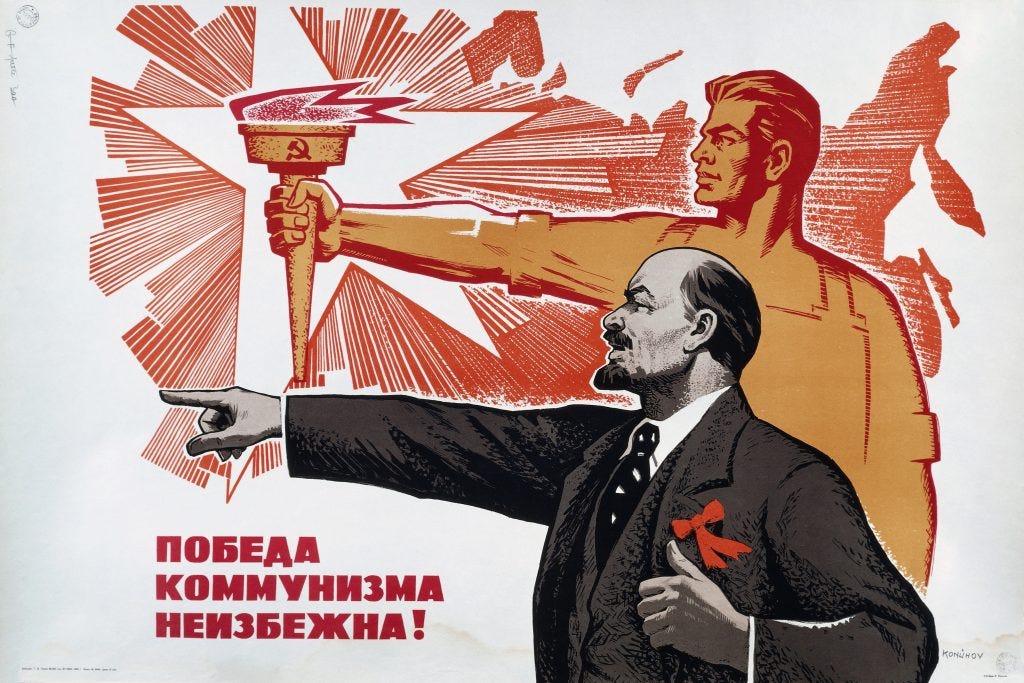
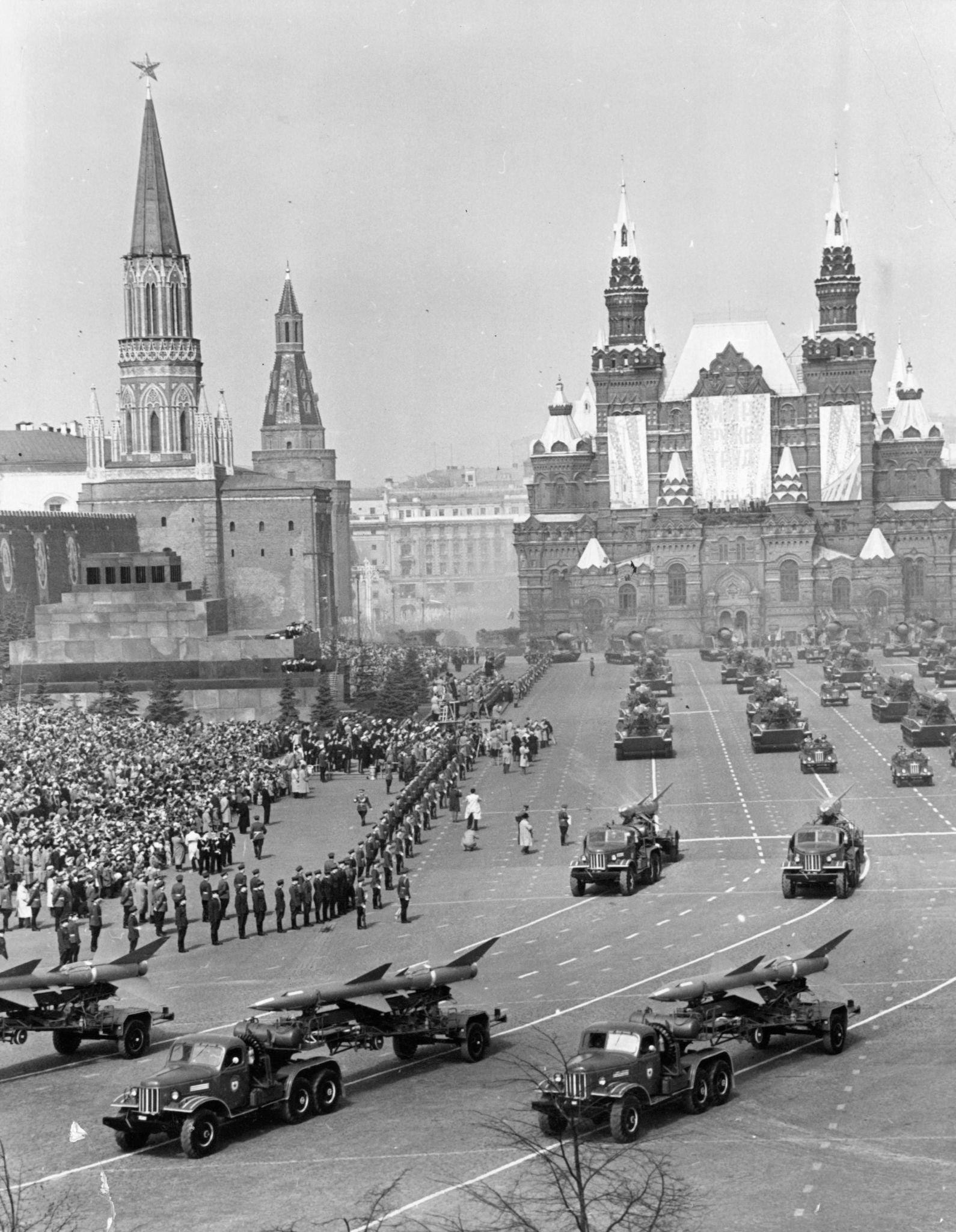
There is an echo here of an earlier era.
The Soviet Union constructed an entire geopolitical model around controlled isolation.
Information was restricted.
Trade was tightly managed.
Technological exchange with the West was limited.
For decades the system appeared stable.
But the long-term consequences accumulated quietly:
innovation slowed
economic dynamism faded
technological gaps widened
Eventually the Soviet system could no longer keep pace with the outside world.
Today’s Russia is not the Soviet Union.
But the instinct to prioritise control over connection remains familiar.
Isolation can stabilise a regime
From the Kremlin’s perspective, isolation has advantages.
Openness creates vulnerability.
Foreign technology brings foreign influence.
Global media brings political pressure.
Financial integration brings exposure to sanctions.
Isolation promises stability.
But stability achieved through disconnection carries a price.
Great powers rarely decline because they are defeated.
More often they decline because they disconnect.
The narrowing of Russia’s options
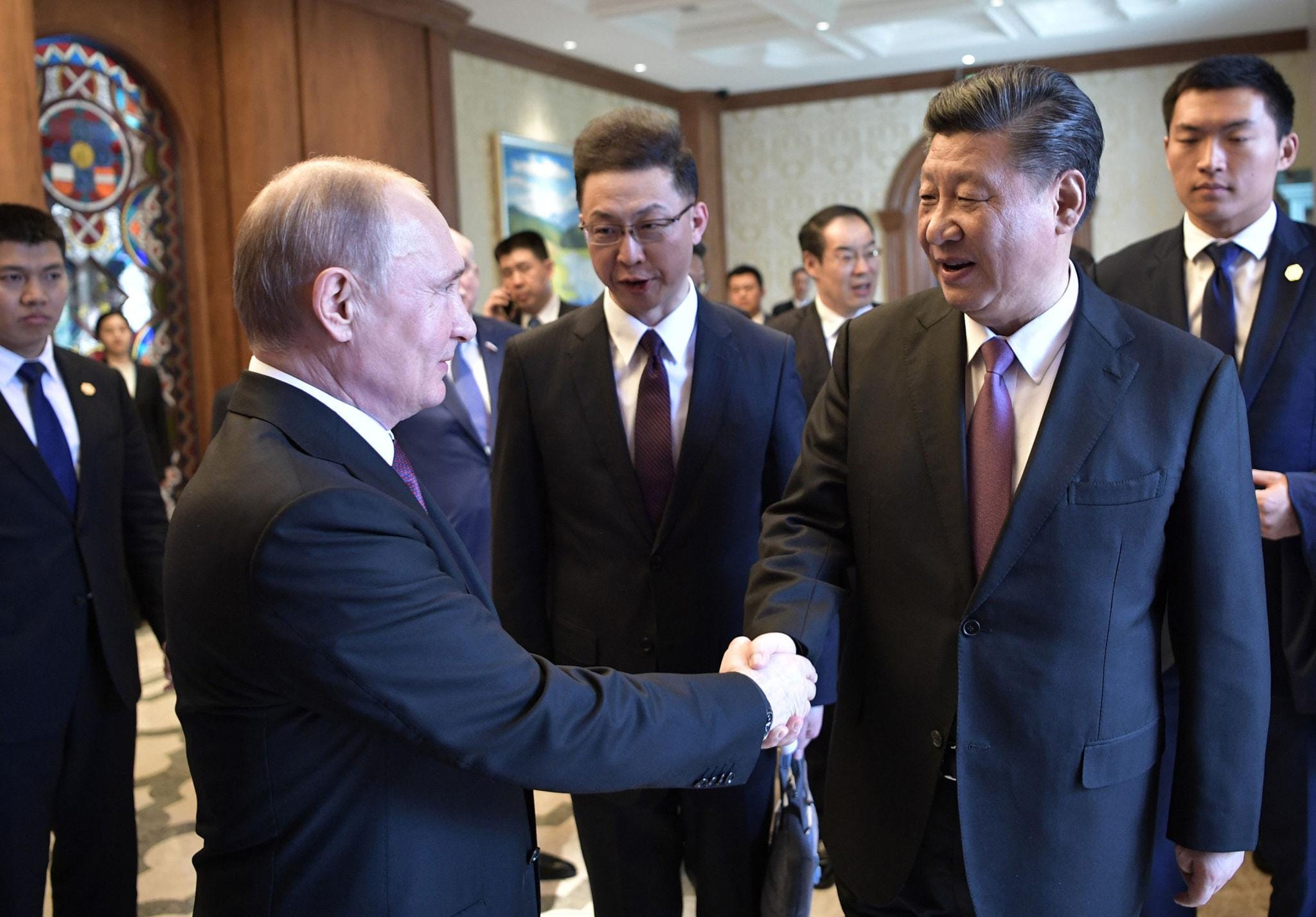
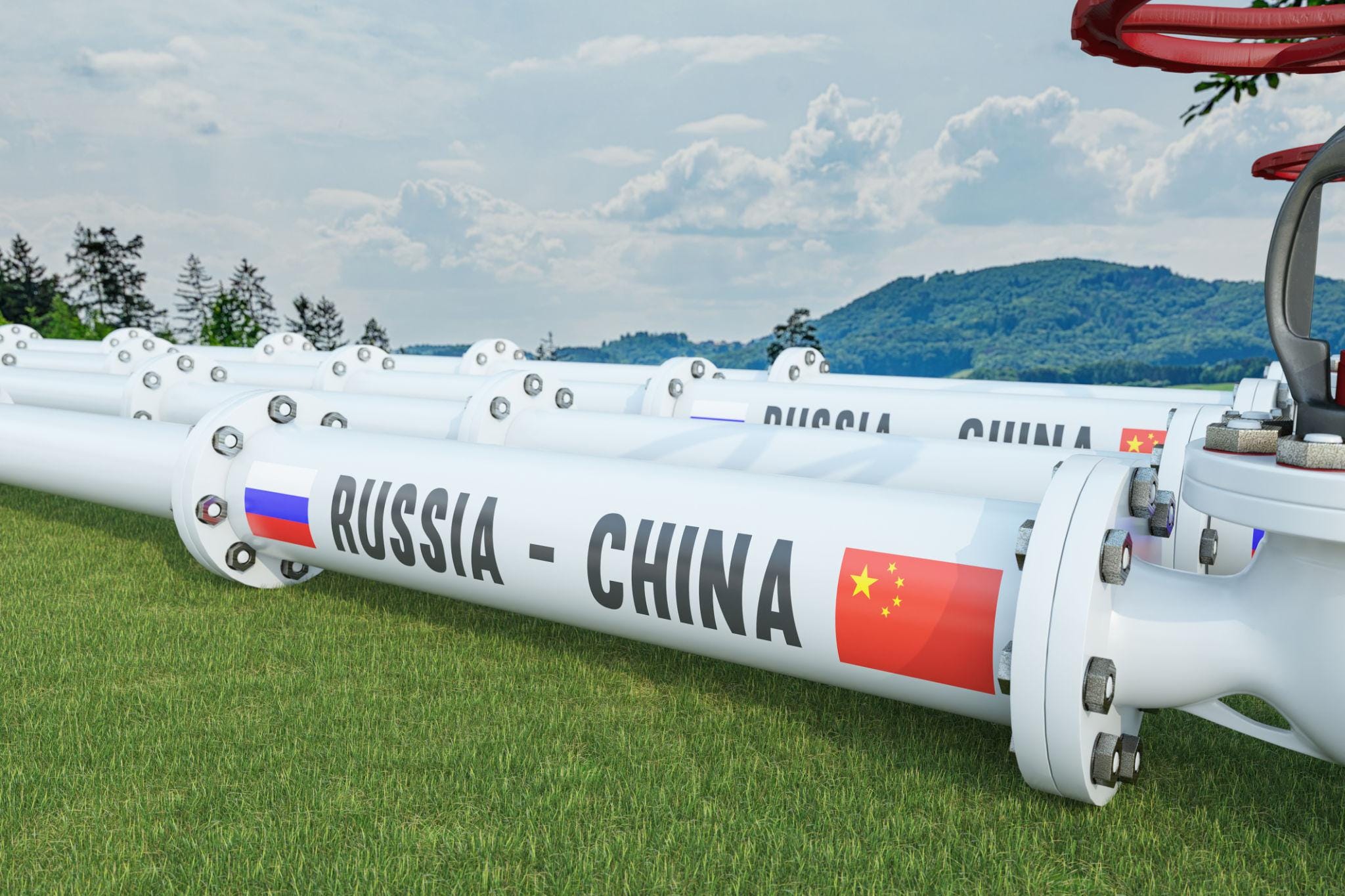
One visible consequence is the gradual narrowing of Russia’s geopolitical options.
A country that once sought influence across Europe and the Middle East increasingly relies on a smaller circle of partners.
China is the most important.
Trade continues to expand.
Energy exports increasingly flow eastward.
Strategic coordination is deepening.
Yet the relationship is not symmetrical.
China’s economy is vastly larger.
As Russia’s connections with Western economies weaken, the balance inside the partnership shifts steadily toward Beijing.
That is not deletion.
But it is a quiet transformation of Russia’s position in the global system.
Geography versus influence
Russia will remain a formidable state.
It possesses enormous territory.
It controls vast natural resources.
It maintains the world’s largest nuclear arsenal.
None of that will disappear.
But global power is changing.
Influence now depends increasingly on innovation, technology and integration into global systems.
And those are precisely the areas where isolation imposes the highest costs.
Russia will remain a great power in geography.
The question is whether it will remain one in influence.
The real strategic question
The debate sparked by Jonathan Fink’s article raises an important issue.
But perhaps the central question is slightly different from the one implied by the word “deleting”.
Russia is not disappearing.
The real question is whether the system the Kremlin is building will gradually reduce Russia’s role in the international order.
History suggests such processes rarely happen dramatically.
They unfold slowly.
Then suddenly.
Russia cannot be deleted.
But if isolation becomes permanent strategy, something else may occur instead.
Russia may slowly begin to delete its own future.
Humble request:
And please consider joining the discussion.
And maybe find a reason for a restack.