
Hungary’s Verdict
Not just a defeat — a public rejection of how power was fused, sold, and sustained

Reading time: 7 minutes
Credit: Inspired by The Cosmopolitan Globalist analysis by Claire Berlinski
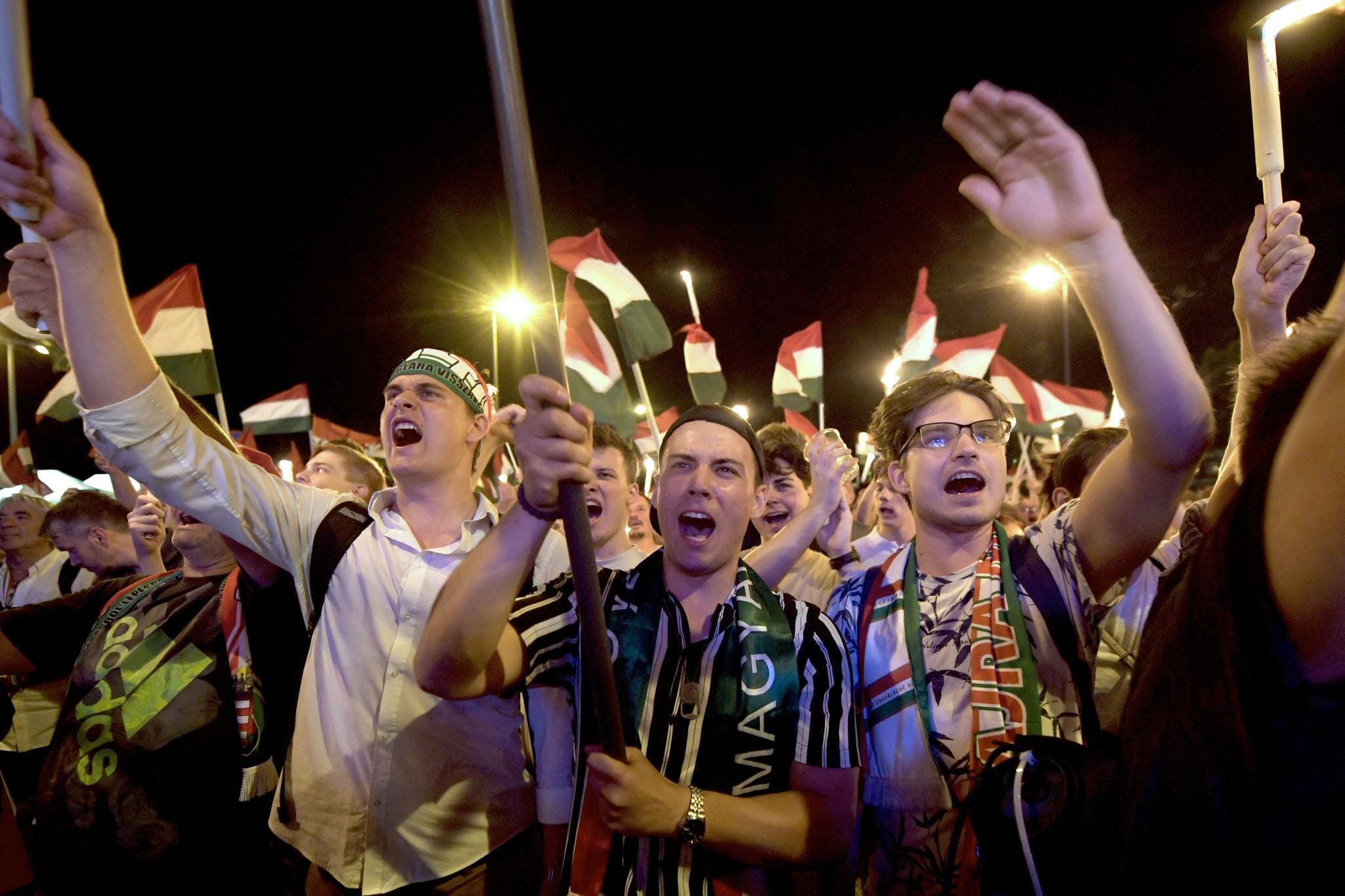

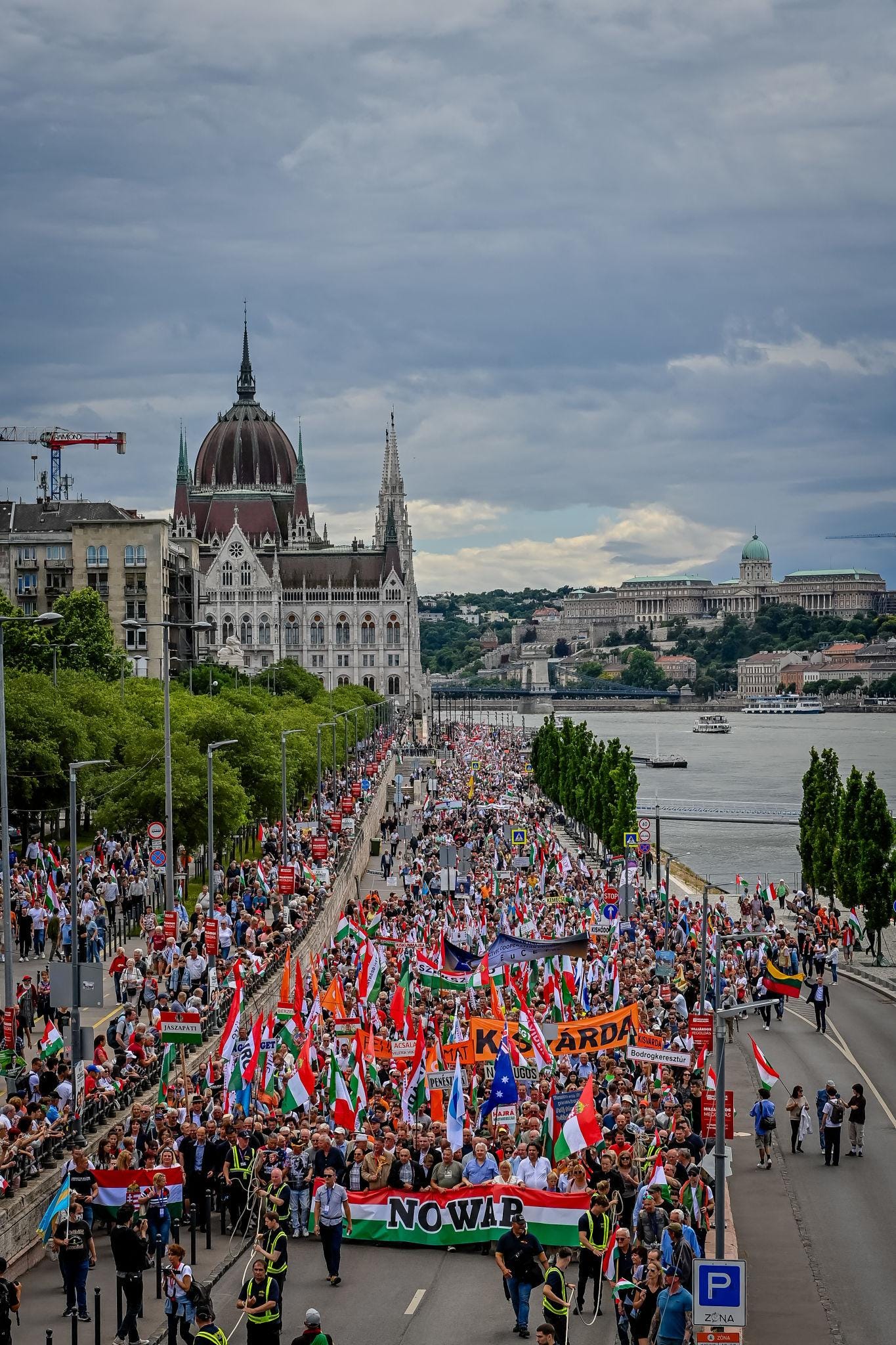
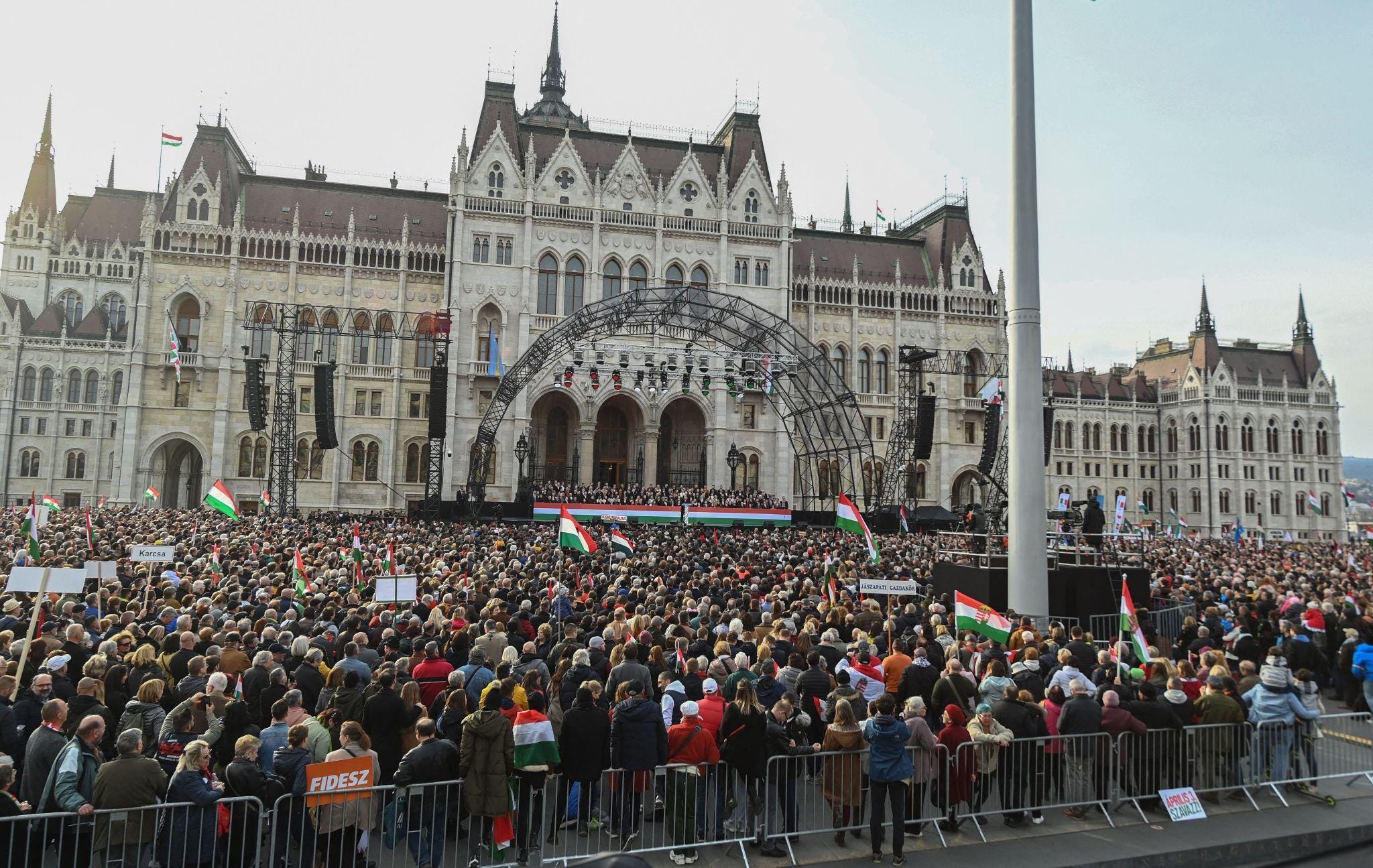
This was not just a victory.
It was a rejection of an entire way of running a country.
And the message carried far beyond Hungary.
The Moment People Were Waiting For
It was not close.
The defeat of Viktor Orbán was overwhelming enough to remove doubt, narrative, and escape routes.
High turnout.
Clear margins.
No ambiguity.
This was not just a change in government.
It was a verdict on a system.
“When people turn out in numbers like this, they are not just voting. They are correcting something.”
What Hungary Just Rejected
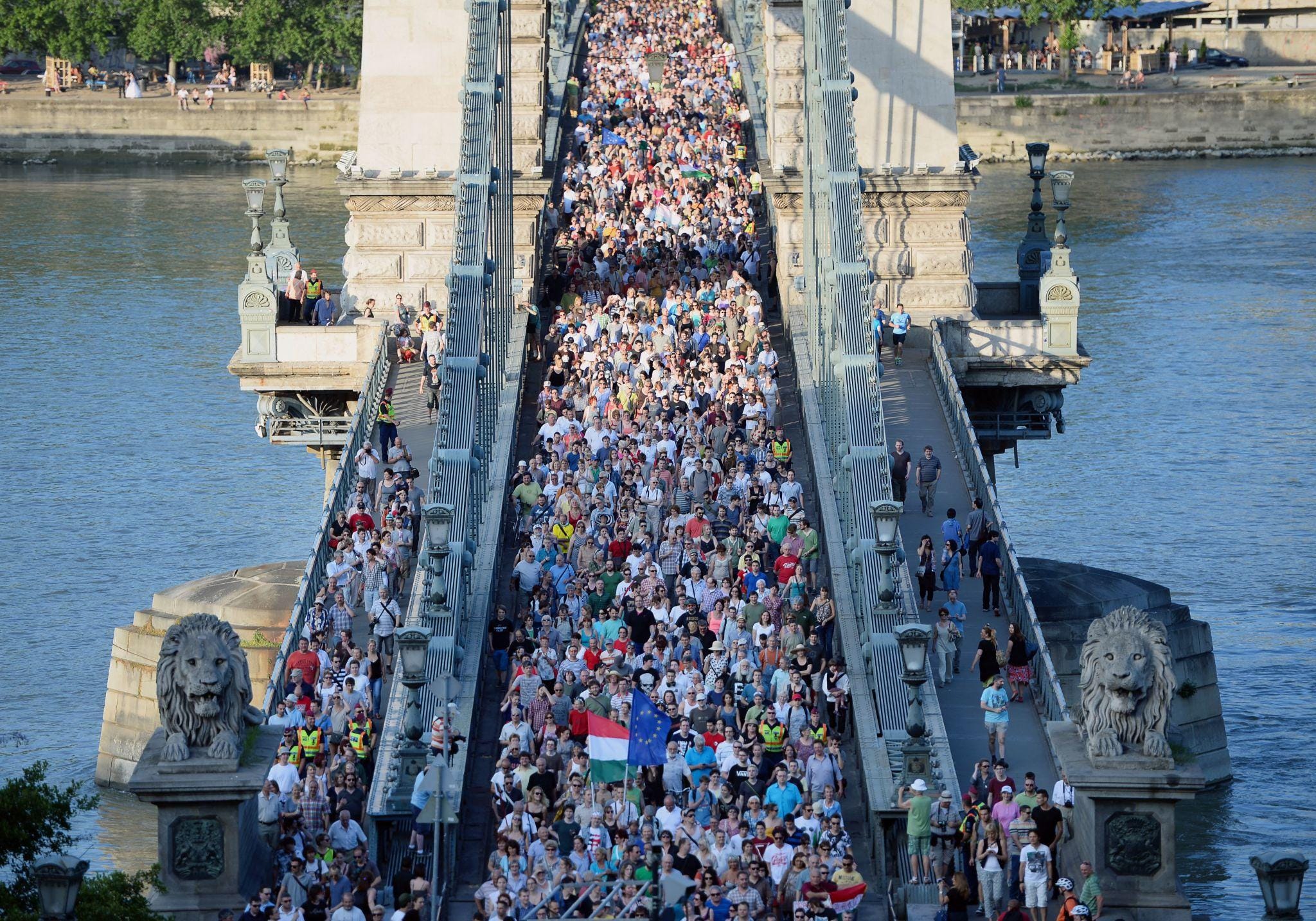
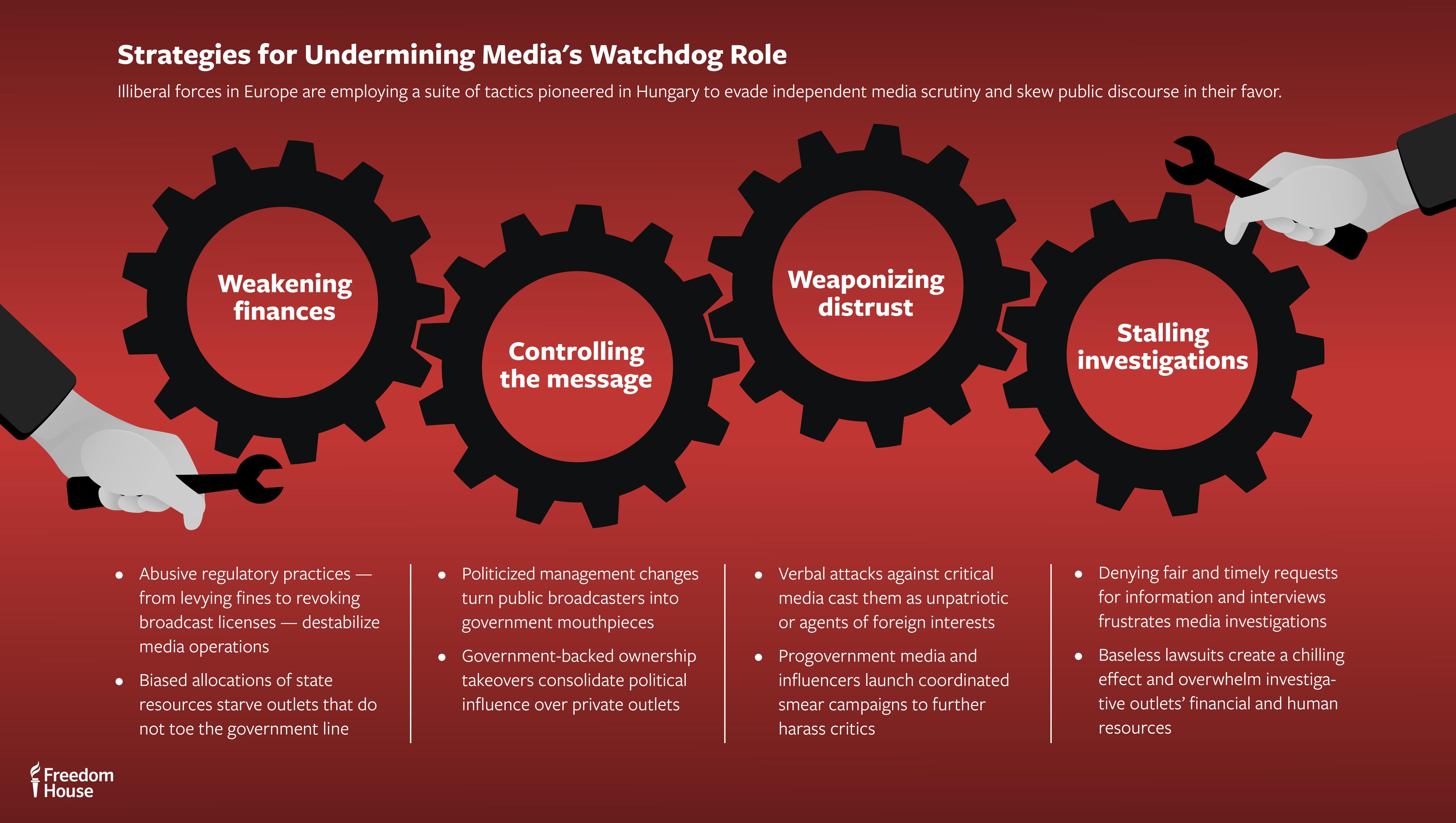
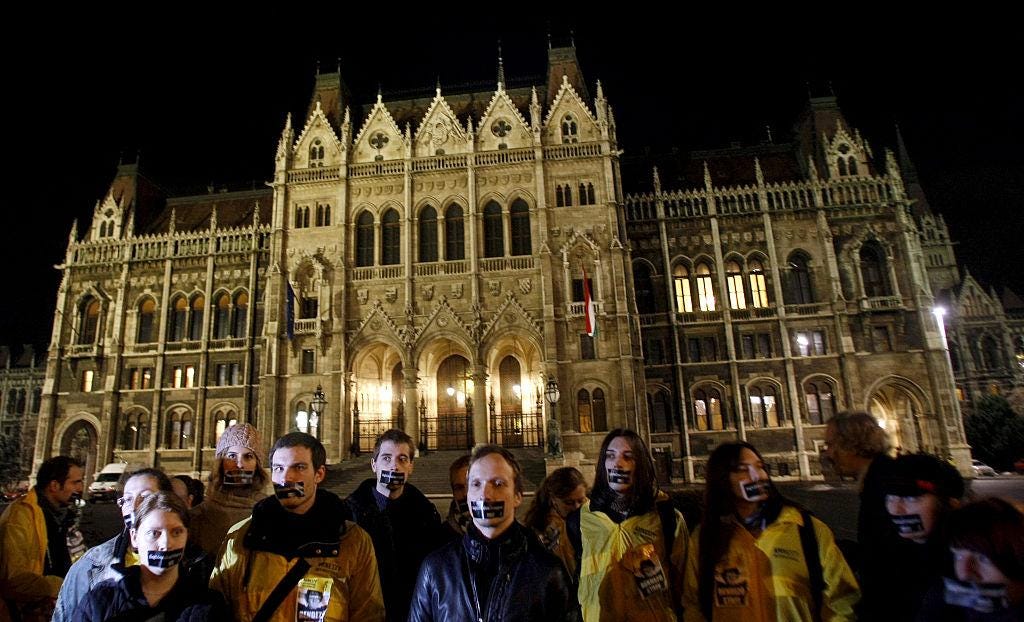
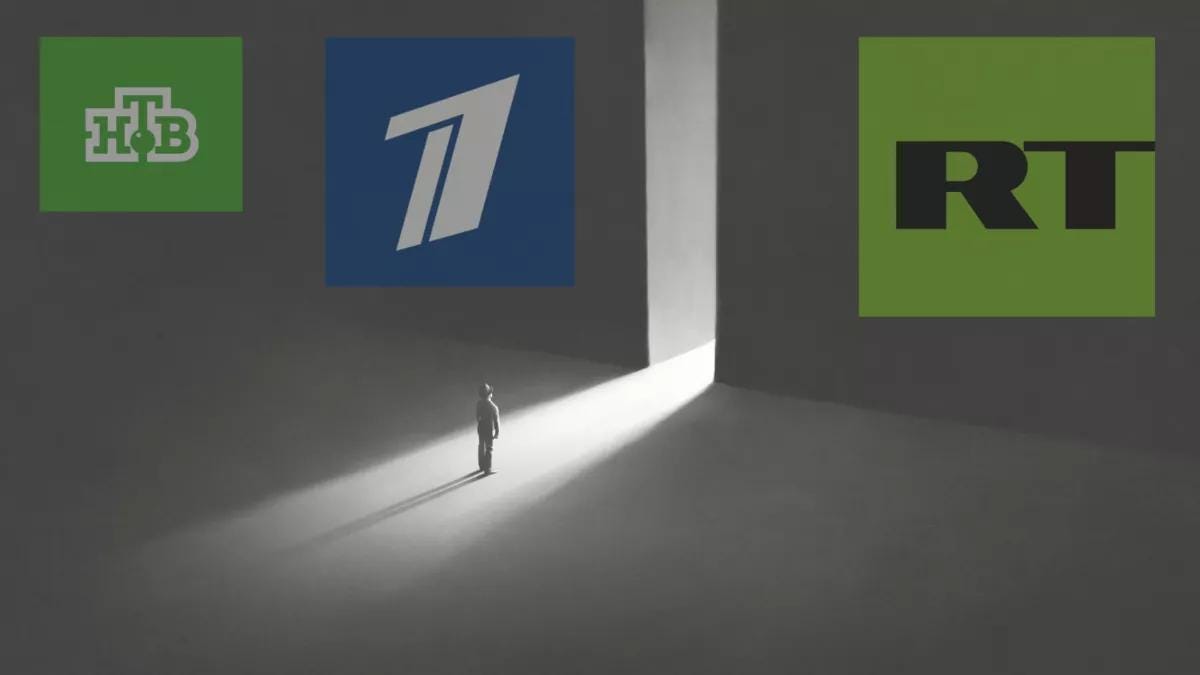
For sixteen years, Hungary became something specific.
Not a dictatorship.
Not a democracy in the classical sense.
Something in between.
A system where:
Media was bent toward power
Economic access followed political loyalty
Institutions were reshaped to protect incumbents
This is what made Orbán’s model attractive to others.
It looked stable.
It looked effective.
It looked exportable.
But over time, something else became visible:
When power, money, and information merge, the system stops serving the public — and starts serving itself.
The “Export Model” That Just Failed
Orbán did not just govern Hungary.
He built a model.
And that model travelled.
Figures like Donald Trump, J. D. Vance, and leaders across Europe treated Hungary as a proof of concept:
Strong leadership over institutions
Controlled narratives
Managed opposition
Orbán himself described Hungary as an “incubator”.
A place where future political systems were being tested.
Now we have the result of that test.
“Hungary was meant to be a model. Instead, it became a warning.”
The Economic Reality Beneath the Narrative


Politically, the system held for years.
Economically, the picture was different.
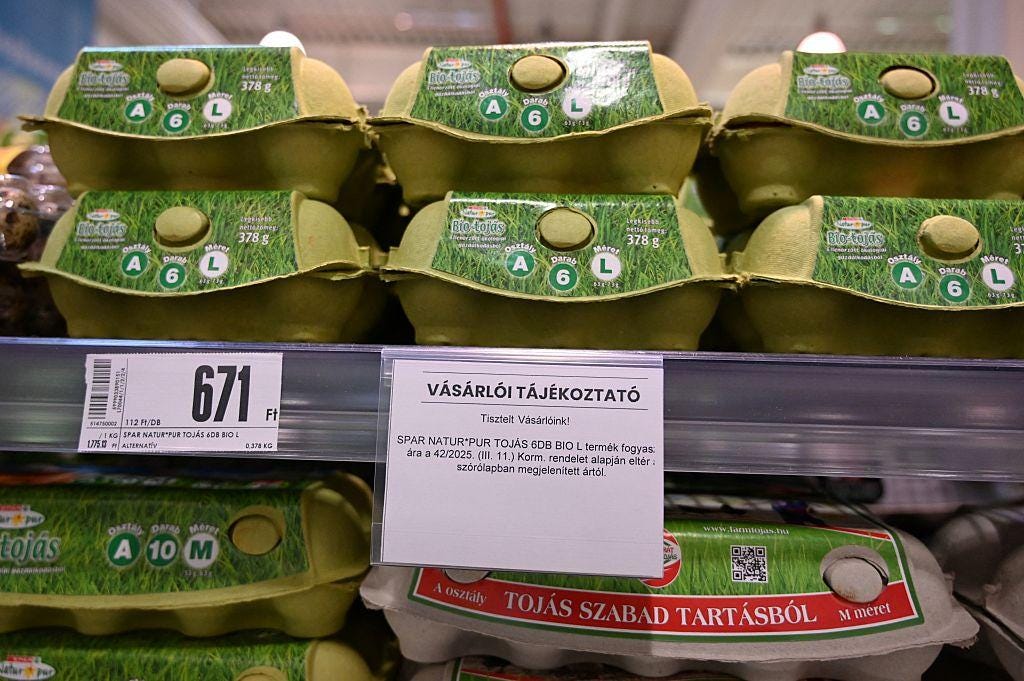
Inflation surged
Growth lagged behind regional peers
Opportunity narrowed
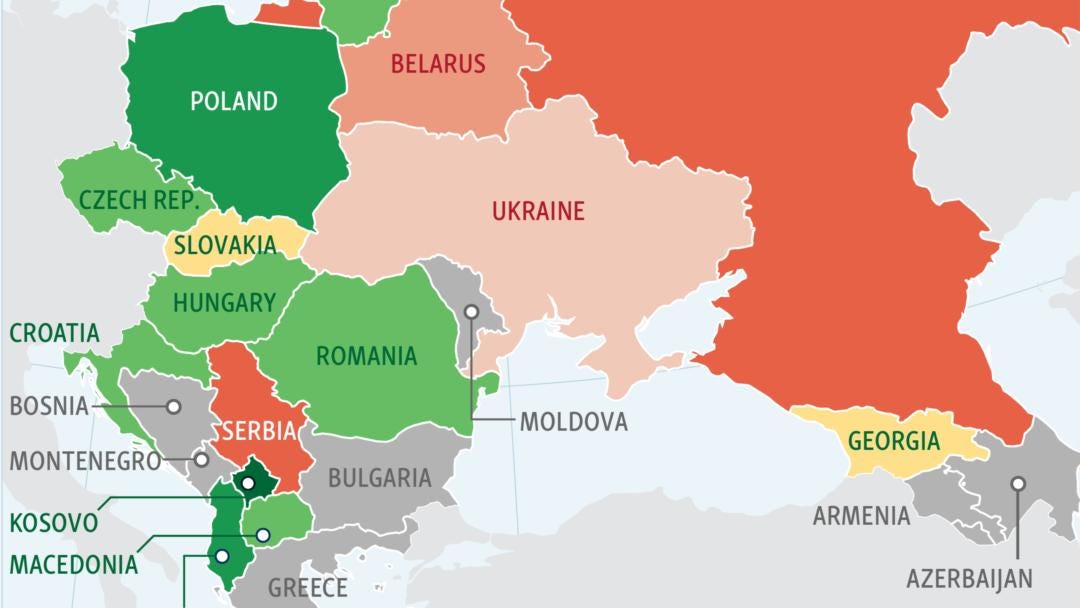
Countries like Poland and the Baltic states moved ahead.
Hungary slowed.
Because systems built around loyalty do something predictable:
They allocate resources politically, not efficiently.
And over time:
That cost becomes visible.
The Cultural Break
What made this result decisive was not just numbers.
It was sentiment.
Chants of “Ruszkik haza!” — Russians go home — echoing through Budapest were not about diplomacy.
They were about identity.
Hungarian voters were not just rejecting a government.
They were rejecting a direction:
Away from Europe
Toward Moscow
Toward managed politics
And choosing the opposite.
The Wider Signal
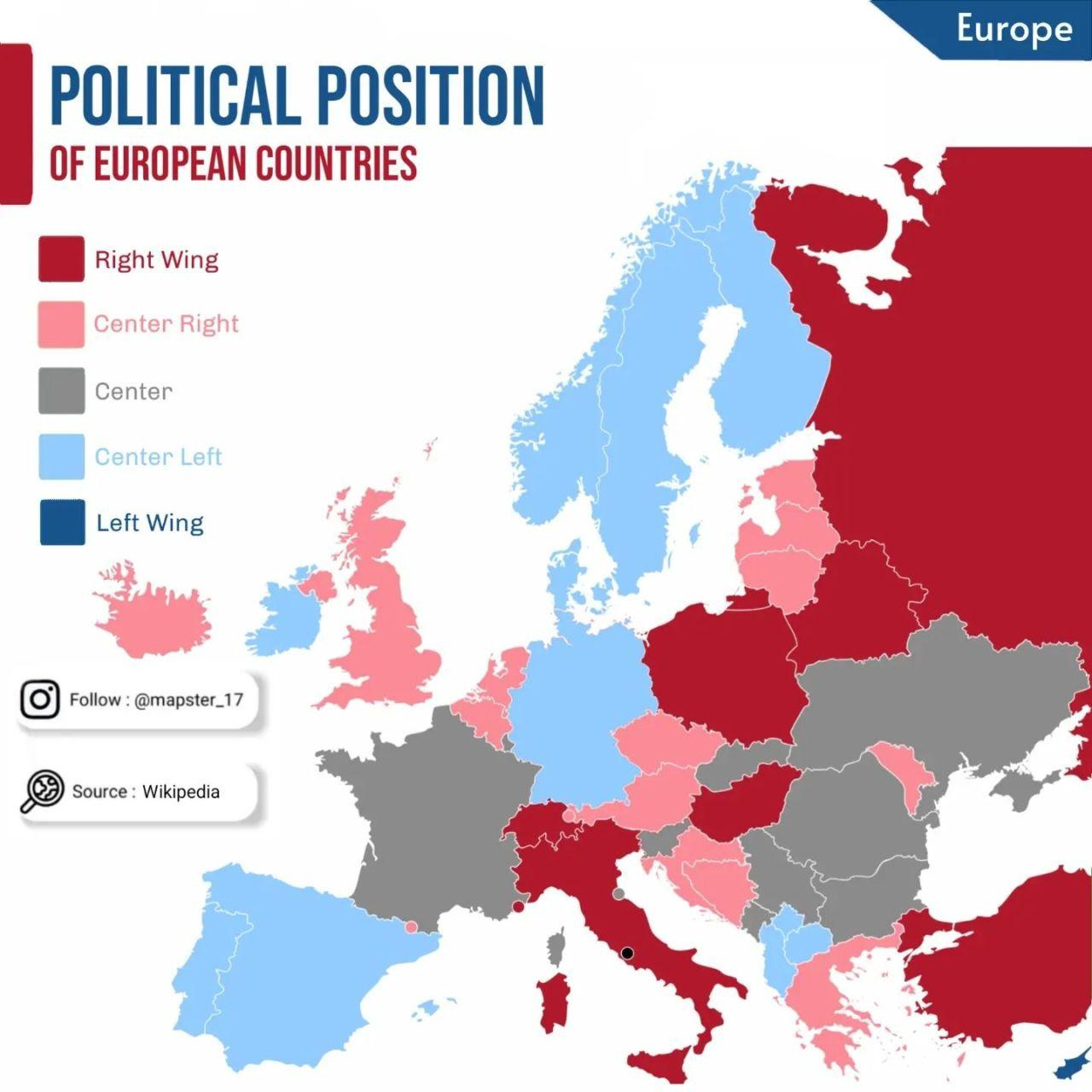
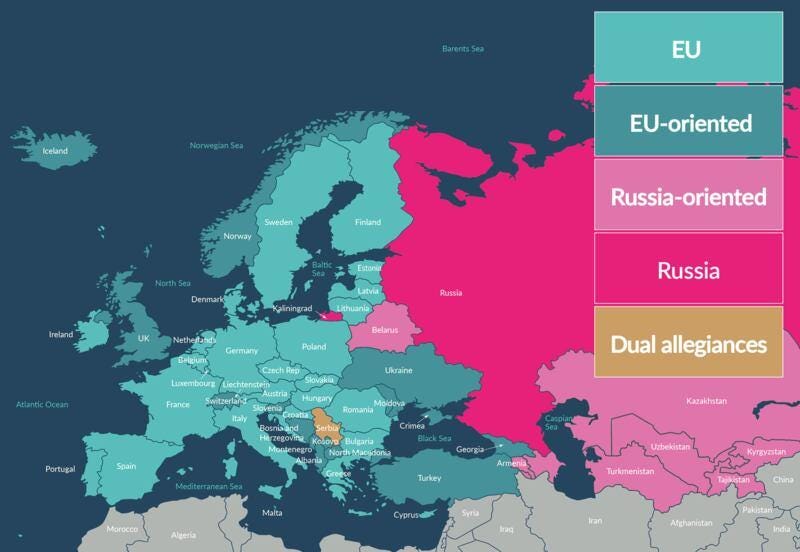
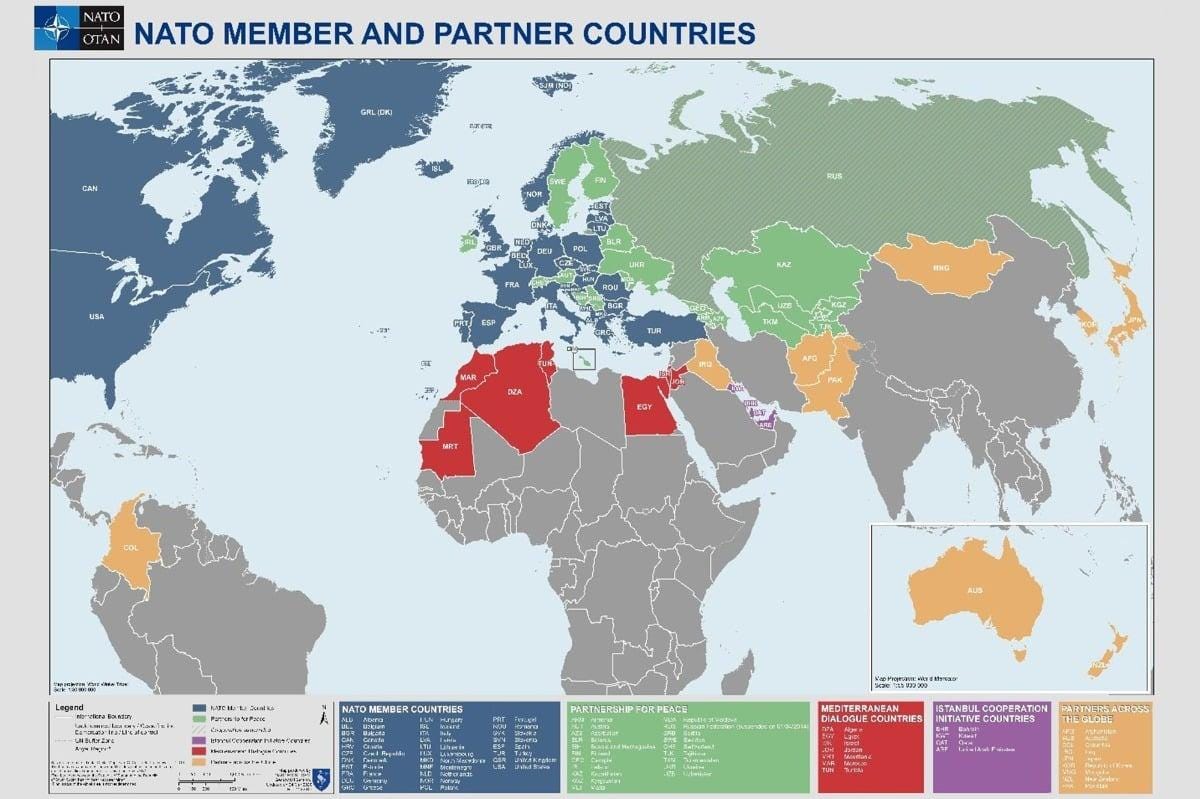
This moment travels.
Because the question Hungary answered is not uniquely Hungarian:
Does the “strongman system” work?
For years, the answer seemed to be: maybe.
Now the answer looks different.
Not because liberal democracy is perfect.
But because the alternative has been tested — and exposed.
“The choice was never between perfection and failure. It was between flawed systems — and systems that eventually collapse under their own design.”
What This Means Now
For Europe:
Greater internal alignment becomes possible
Fewer internal blockages
Stronger collective action
For Ukraine:
More predictable support
Reduced political friction
Clearer strategic backing
For the wider political landscape:
A model has been rejected
A narrative has been weakened
A trajectory has been interrupted
What This Really Was
Strip everything away, and this becomes simple:
A system concentrated power
Over time, it concentrated costs
Eventually, those costs became visible
And voters acted
Not gradually.
Decisively.
Most people are watching who wins elections.
This publication is about what those elections actually reject.
To understand how this connects to the wider system:


Because what looks like politics…
is often the visible surface of deeper structural change.
Ending
If this helped clarify what just happened —
and why it matters beyond one country —
stay with me.
We are not just observing political events.
We are tracking how systems are built…
how they hold…
and how, eventually, they are forced to answer for themselves.
Because sometimes the loudest moment in politics
is not when power rises—
but when it is finally refused.
It’s free
However, if you find reason to support my research - I would be grateful for any contribution in the range of: 2 to 8 $.