
How Democracies Could Keep Hormuz Open Under Fire
Iran’s strategic lever

The world’s most important oil chokepoint sits only a few dozen kilometres wide. Every day roughly one-fifth of the world’s traded oil passes through it. If that corridor closes, global markets convulse. The question is no longer whether the Strait of Hormuz can be threatened. The question is how it can be kept open.
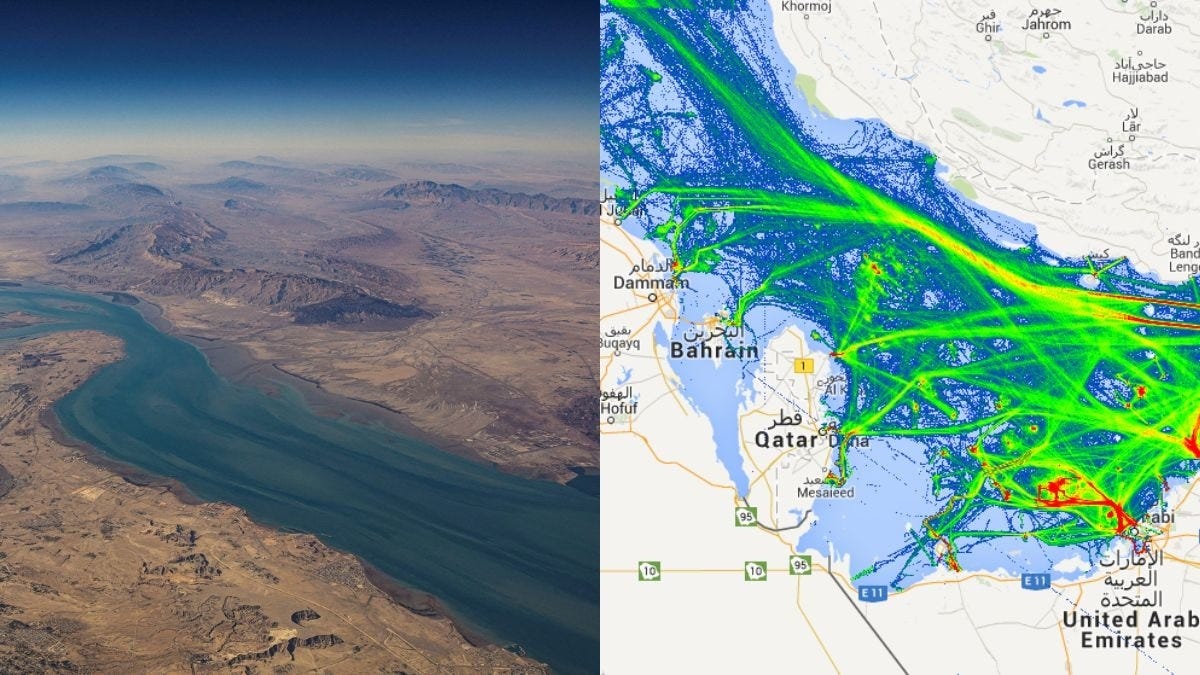
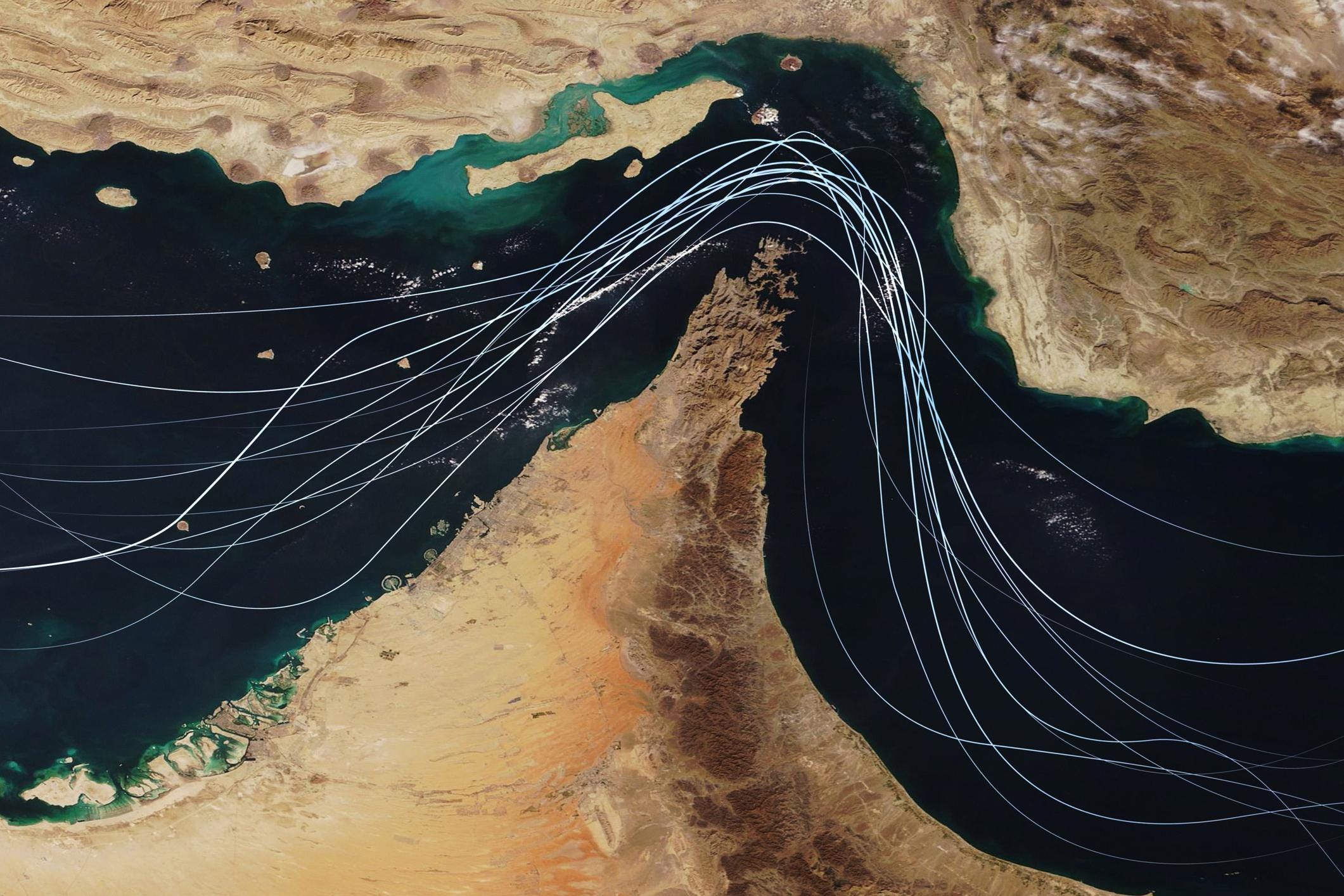
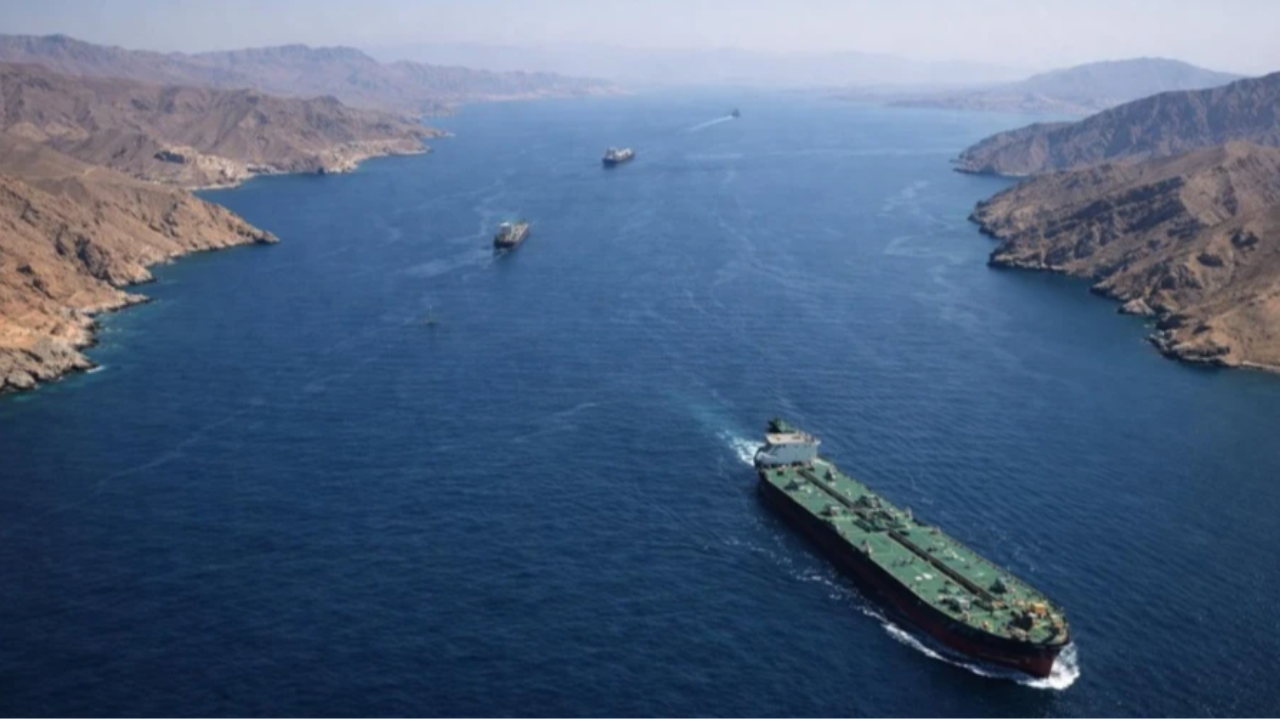
1-Minute Explainer: Why Hormuz Matters
The Strait of Hormuz connects the Persian Gulf to the Gulf of Oman.
Roughly 20 million barrels of oil per day pass through the corridor — about one-fifth of global oil trade.
Even small disruptions can send global energy prices sharply higher.
Editor’s Note
Whenever tensions rise in the Gulf, strategic debate tends to focus on aircraft carriers, missile strikes, and naval task forces.
Yet the defence of Hormuz may increasingly depend on something far smaller: dense patrol networks of unmanned naval drones.
Iran’s strategic lever
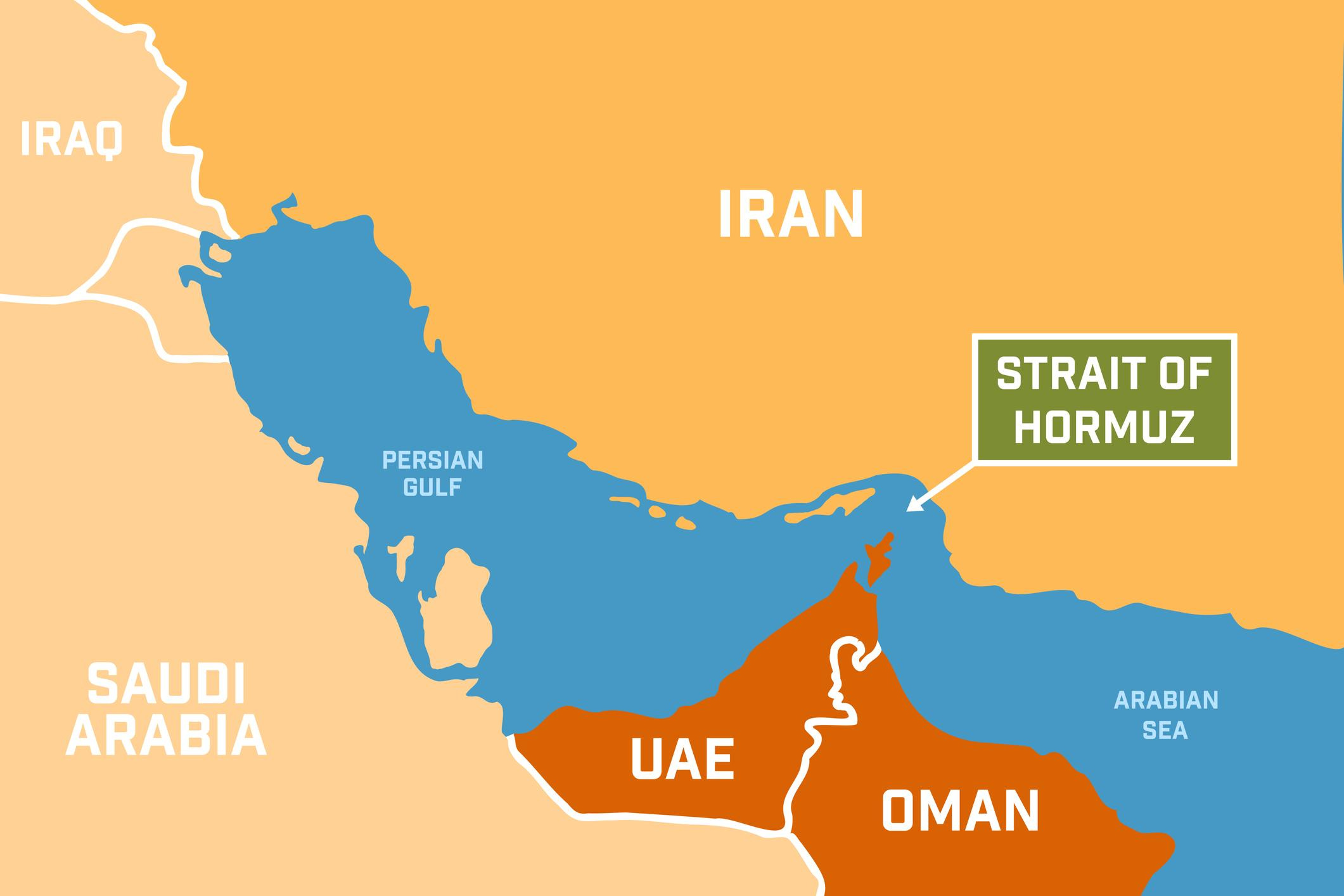
If conflict expands in the Gulf, Iran does not need to defeat Western fleets.
It only needs to make Hormuz appear unsafe.
Insurance markets, tanker operators and commodity traders react quickly to perceived danger.
Iran’s asymmetric toolkit therefore focuses on disruption:
drones
naval mines
fast attack boats
disguised explosive vessels
None of these need to win a naval battle.
They only need to convince shipping companies that the corridor is unreliable.
“Iran does not need to defeat a navy. It only needs to make the Strait look unsafe.”
The credibility problem democracies created
The democratic world turned the Budapest Memorandum on Security Assurances and the Minsk Agreements into cautionary examples.
Agreements were signed.
Guarantees were proclaimed.
Diplomatic language flowed freely.
But when the moment came to enforce those commitments, hesitation followed.
The result was not merely embarrassment. It was a loss of credibility.
Around the world the lesson was absorbed: democratic guarantees might not be enforced.
France has pledged to help defend the United Arab Emirates.
“If France and its partners defend Hormuz successfully, democratic guarantees will suddenly look credible again.”
Geography favours the defender
The crucial insight lies in the geometry of Hormuz.
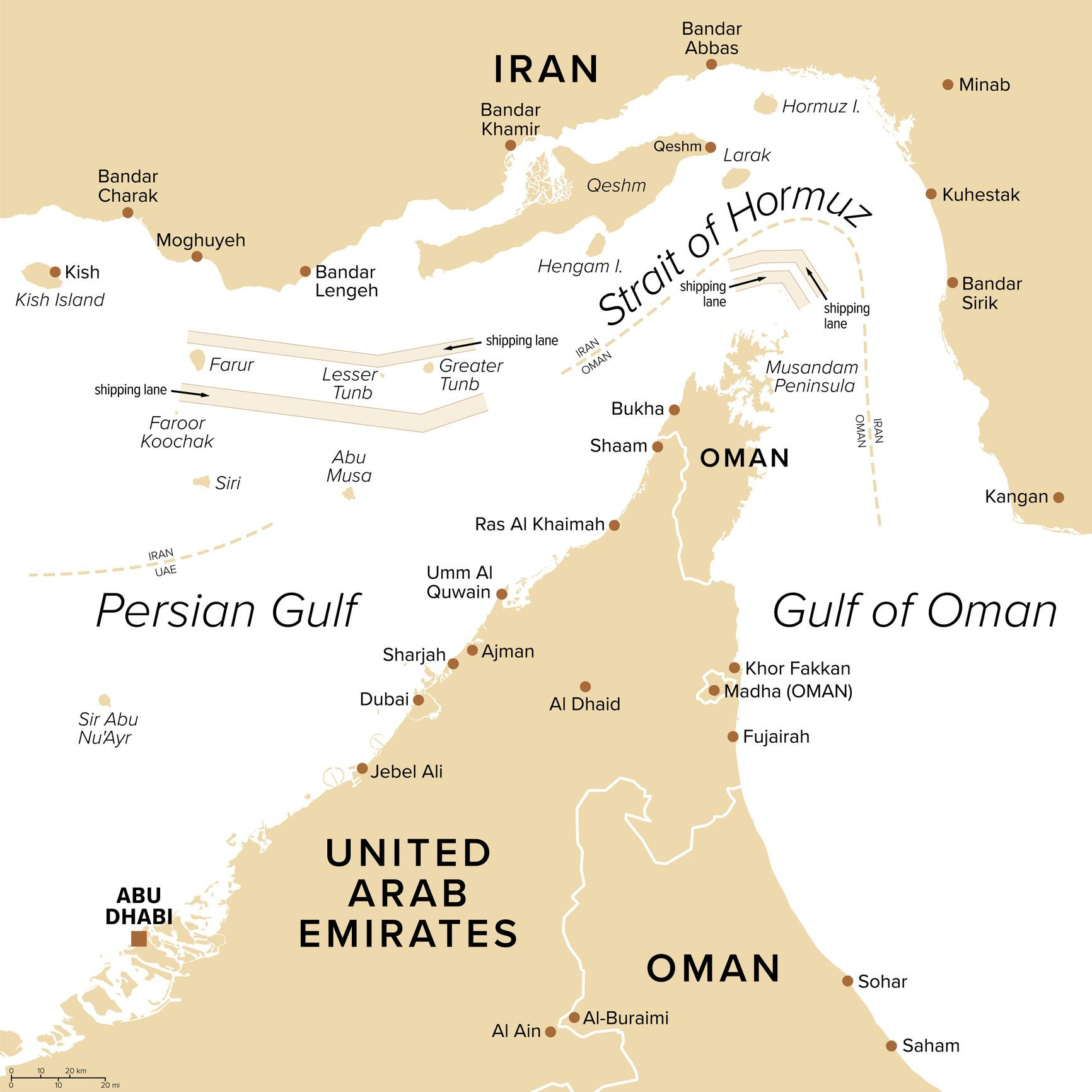
Although the Strait itself is relatively wide, the actual tanker lanes are narrow.
Defending Hormuz therefore does not require sealing the entire Strait. It requires controlling the shipping corridor.
This opens the possibility of establishing a maritime denial belt roughly 5–10 kilometres wide directly inside the tanker route.
Ukrainian naval drones provide a natural tool for this mission.
Systems such as the MAGURA V5 and the Sea Baby naval drone have already reshaped naval warfare in the Black Sea.
Reported capabilities suggest:
MAGURA V5 range: ~800 km
Sea Baby range: over 1,500 km
production capacity: dozens per month
“Control of Hormuz does not require sealing the Strait. It requires controlling the shipping lane.”
The operational concept: saturation
The answer is not symbolic deployment.
It is density.
The tanker corridor would be saturated with naval drones operating in rotating patrol patterns.
Two operational layers would maintain the barrier.
Forward patrol layer
Drones positioned inside the shipping corridor intercept hostile craft.
Rotating reinforcement layer
A second belt replaces destroyed drones and maintains uninterrupted coverage.
Some drones will inevitably be lost early in the operation.
That is not mission failure.
It is the price of establishing the defensive layer.
Once sufficient numbers are cycling through the corridor, crossing it becomes dramatically more dangerous.
The second wall: air denial
The maritime layer cannot operate alone.
Above it must sit a persistent air-defence envelope.
This requires:
airborne surveillance
combat air patrols
rapid interception capability
Aircraft and interceptor drones would prevent Iranian missiles and UAVs from entering the battlespace freely.
“Naval drones deny the water. Allied aircraft deny the sky.”
Strategic map of the drone barrier
IRAN
│
│      Air Patrol Zone
│   ✈   ✈   ✈   ✈
│
│   ─────────────────────────
│   Drone Interception Belt
│   D   D   D   D   D
│
│   Tanker Shipping Corridor
│   →   →   →   →   →
│
│   Reinforcement Drone Layer
│   D   D   D   D
│
OMAN / UAE
The defence of the corridor combines four layers:
Sea denial – naval drones patrol the tanker corridor.
Reinforcement – additional drones replace losses.
Air control – allied aircraft intercept incoming threats.
Counter-battery strikes – launch sites threatening the corridor can be targeted.
Together these layers create a mutually reinforcing defensive system capable of keeping the Strait open even under pressure.
The larger strategic question
For more than a decade democratic security guarantees have suffered from a credibility deficit.
Budapest and Minsk taught the world a damaging lesson.
Hormuz offers a chance to reverse that narrative.
Naval drones costing a few hundred thousand dollars may soon determine the security of a corridor through which hundreds of billions of dollars of energy flows each year.
If that proves true, the defence of Hormuz will not simply be a regional operation.
It may become the first demonstration that industrial-scale drone warfare can protect global economic infrastructure.
Strategic Takeaways
Hormuz is the world’s most critical energy chokepoint.
Iran’s strategy relies on disruption rather than naval victory.
Dense naval drone patrols could deny the shipping corridor to harassment forces.
Air patrols and counter-battery strikes reinforce the maritime layer.
Drone warfare may become central to protecting global economic infrastructure.
Author’s Note
This article explores a strategic possibility rather than a finished operational plan. The rapid evolution of naval drones in the Black Sea suggests that low-cost unmanned systems may soon play a decisive role in protecting critical maritime infrastructure.
Whether that lesson will shape the future defence of Hormuz remains an open question — but it is one policymakers may soon need to answer.