
He Holds Everything — Until He Doesn’t
Power in Russia looks stable on the surface. Underneath, it depends on loyalty that cannot relax.

Reading time: 12–13 minutes
Credit: Hybrid response to Bianka @ Waronomics
Intro
Most analysis starts in the wrong place.
It looks for:
institutions
procedures
formal roles
And then asks why they do not behave as expected.
But if you start there, you miss what actually drives behaviour.
Because this is not about how a state is designed.
It is about how power is held.
1. The Meeting Was Not a Meeting
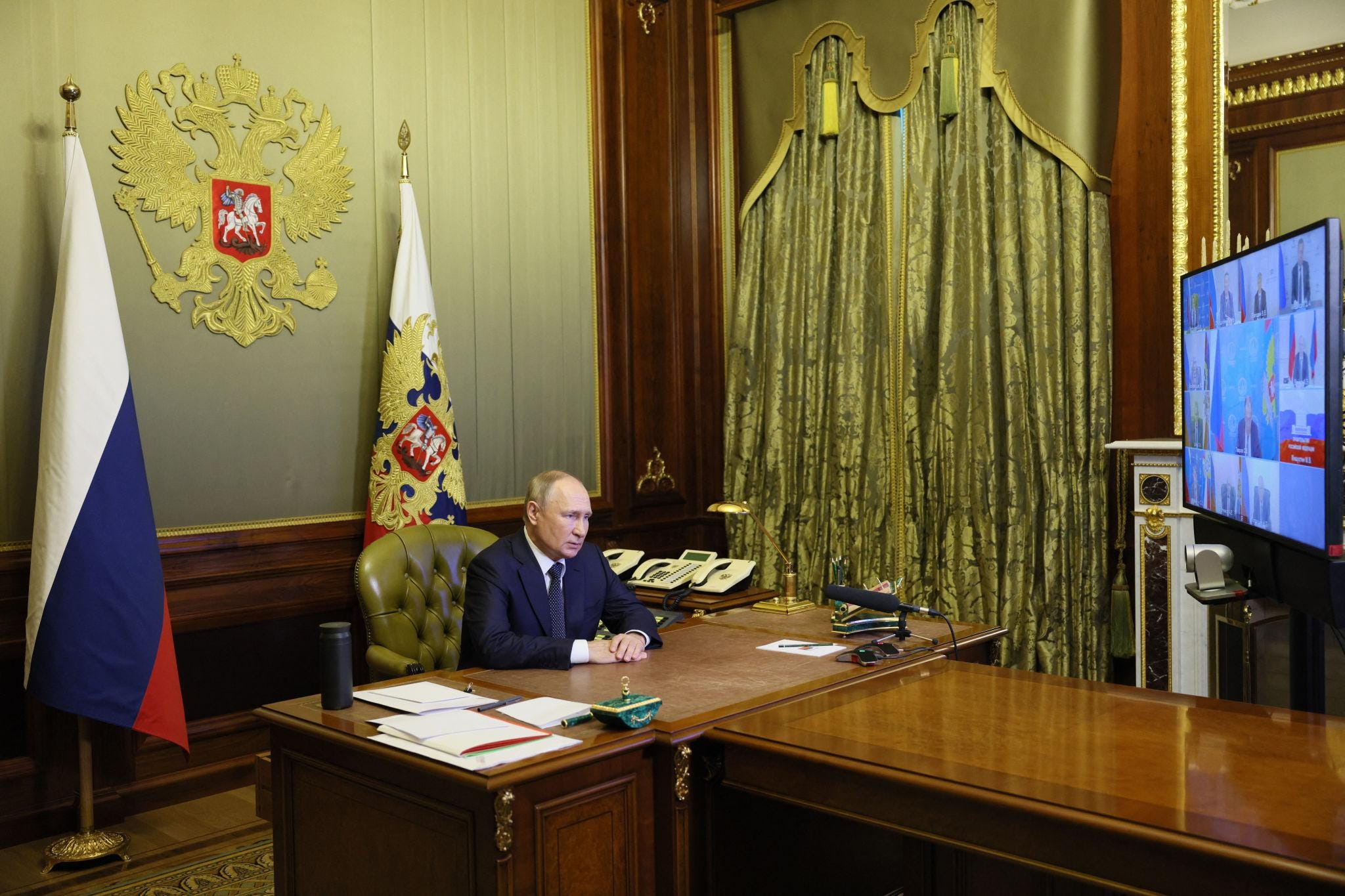
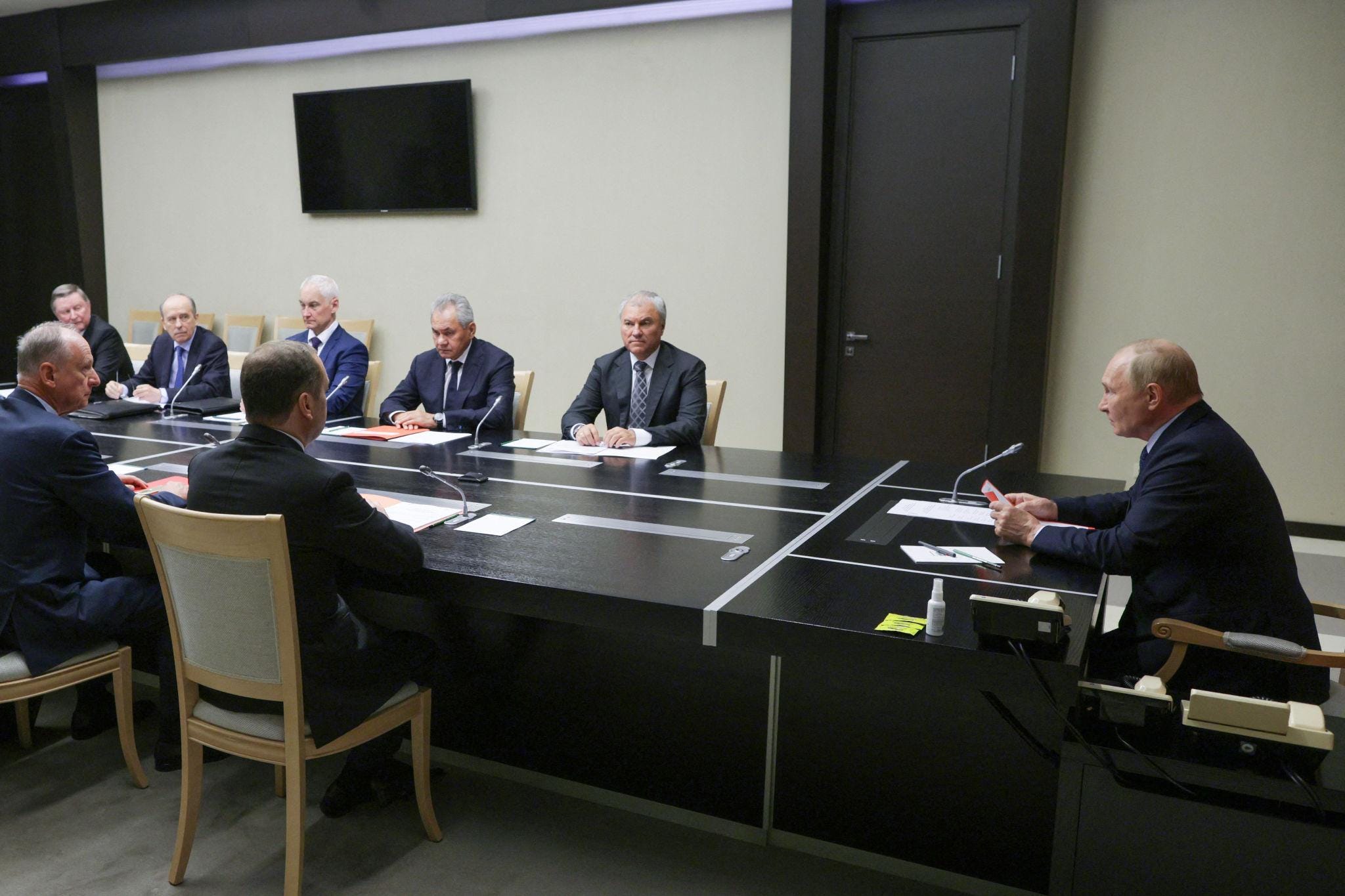
Meeting with permanent members of the Security Council.
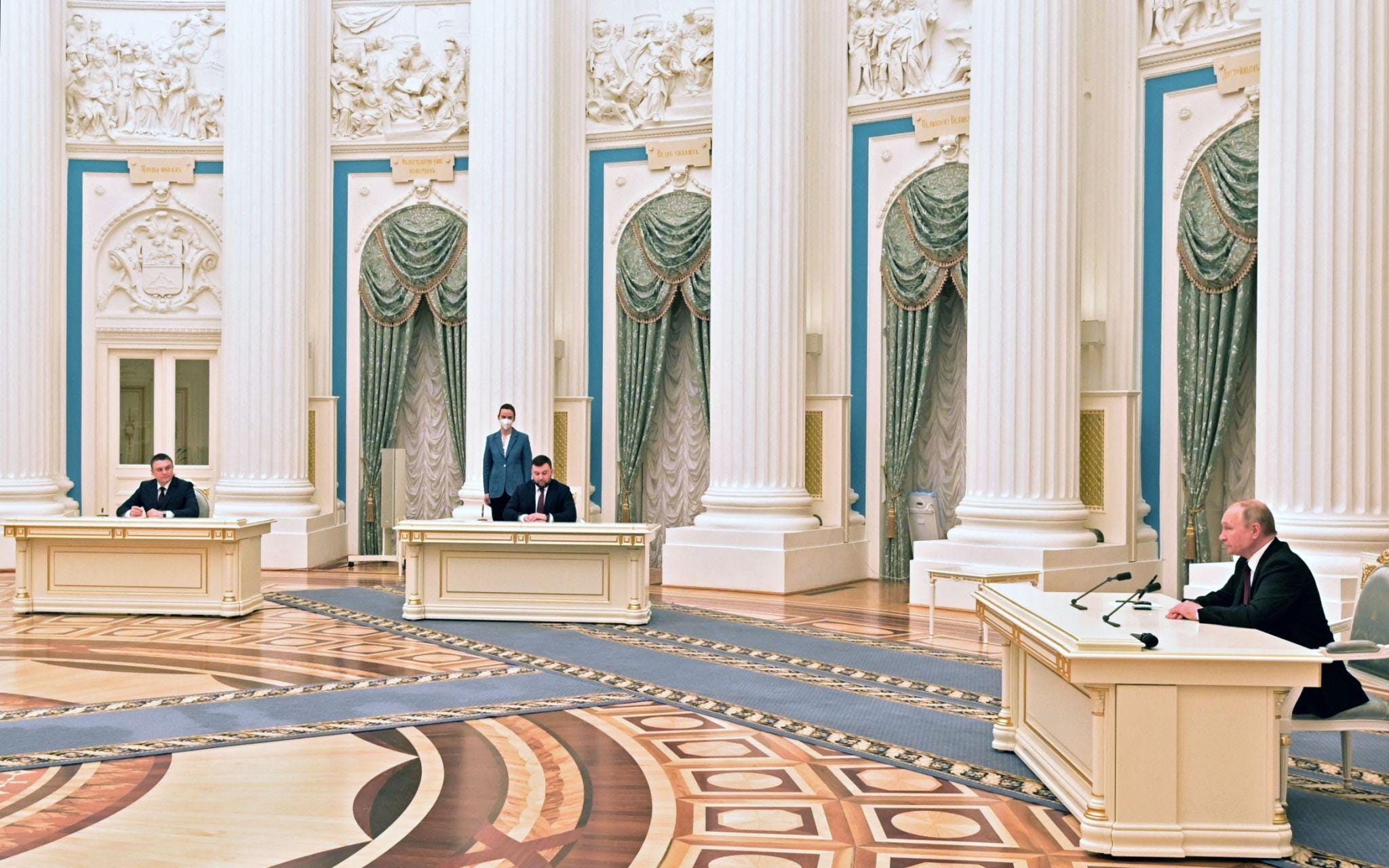
Putin recognizes rebel republics - and thus gives Russian troops free access to Eastern Ukraine
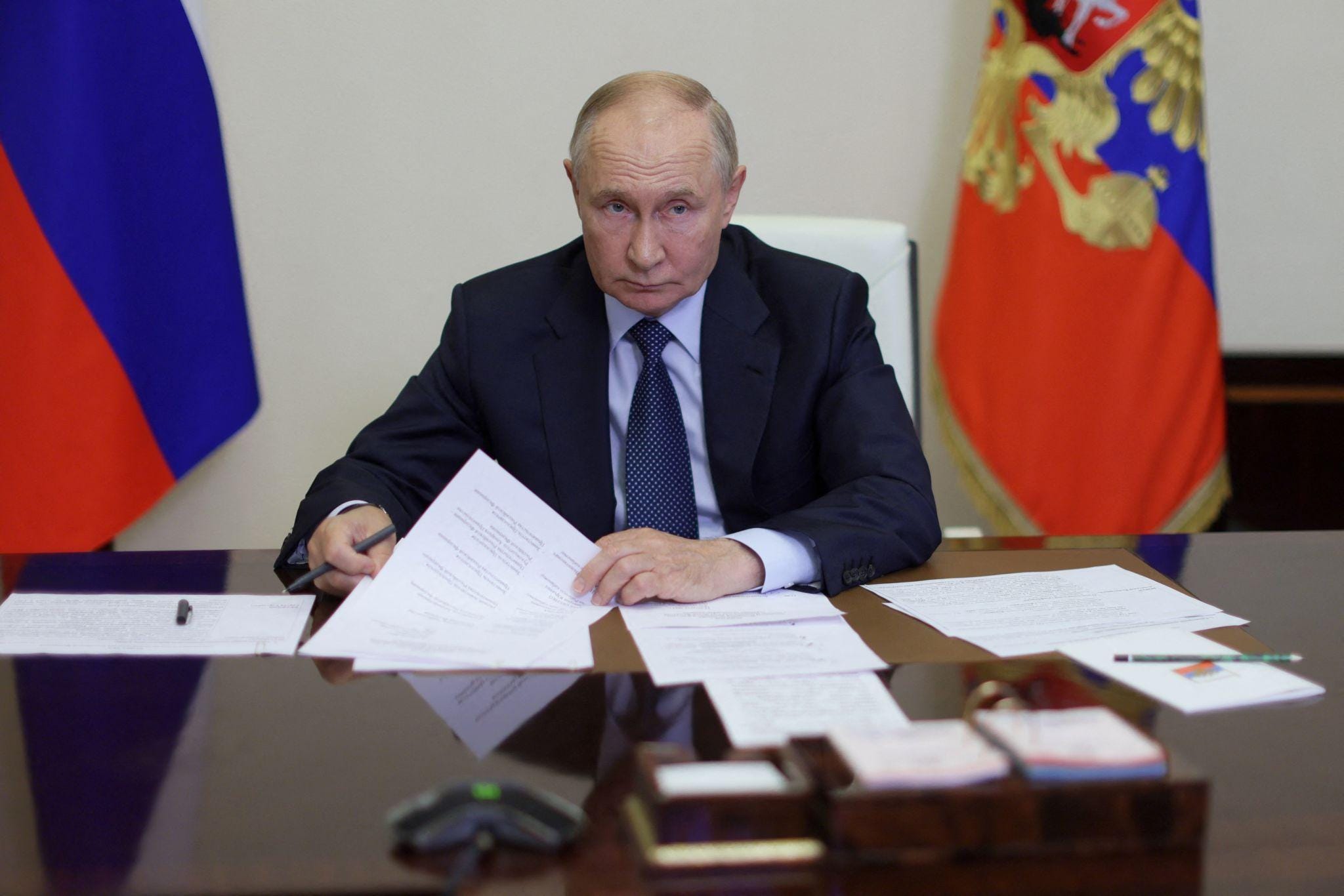
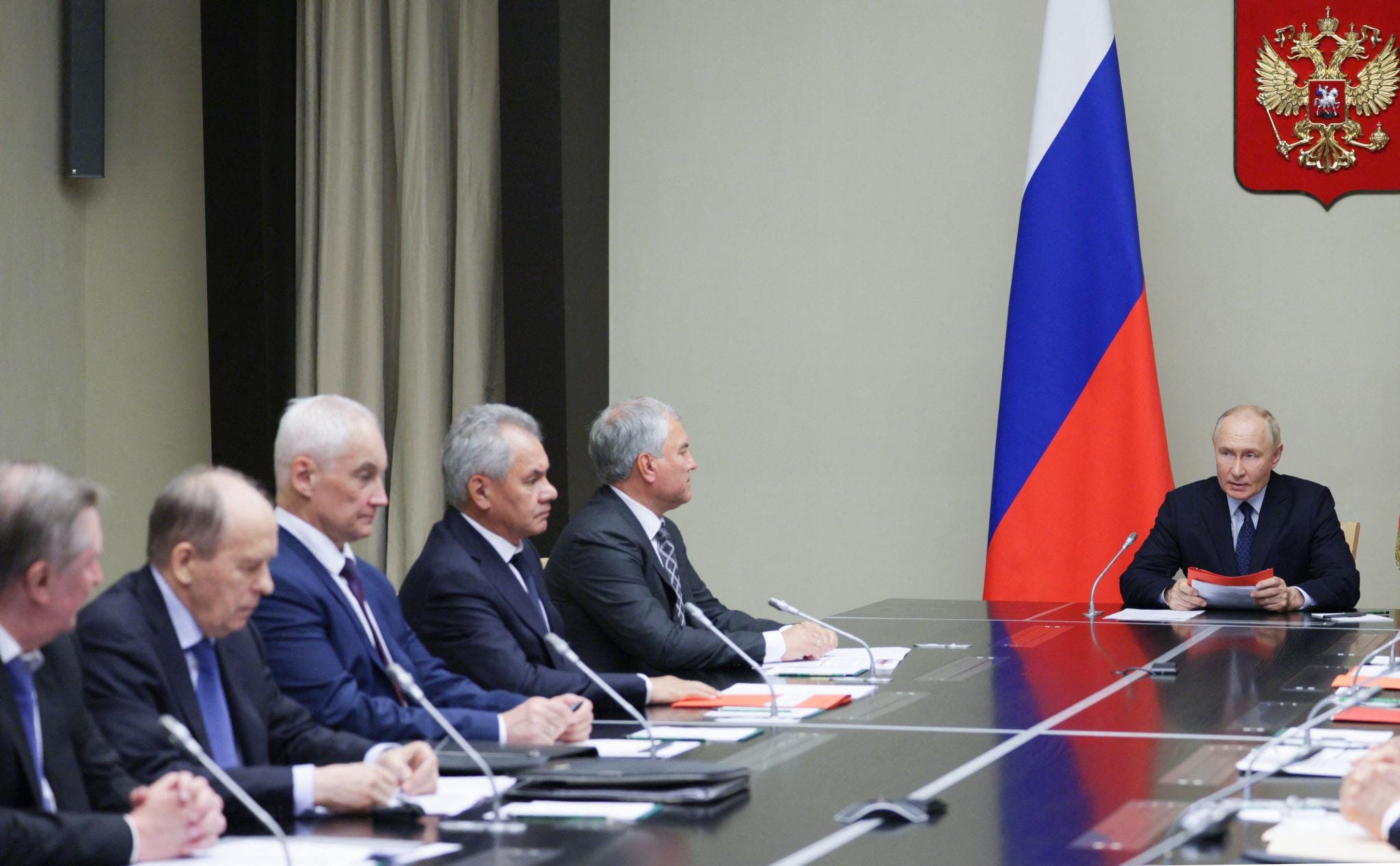
Putin holds meeting with security council
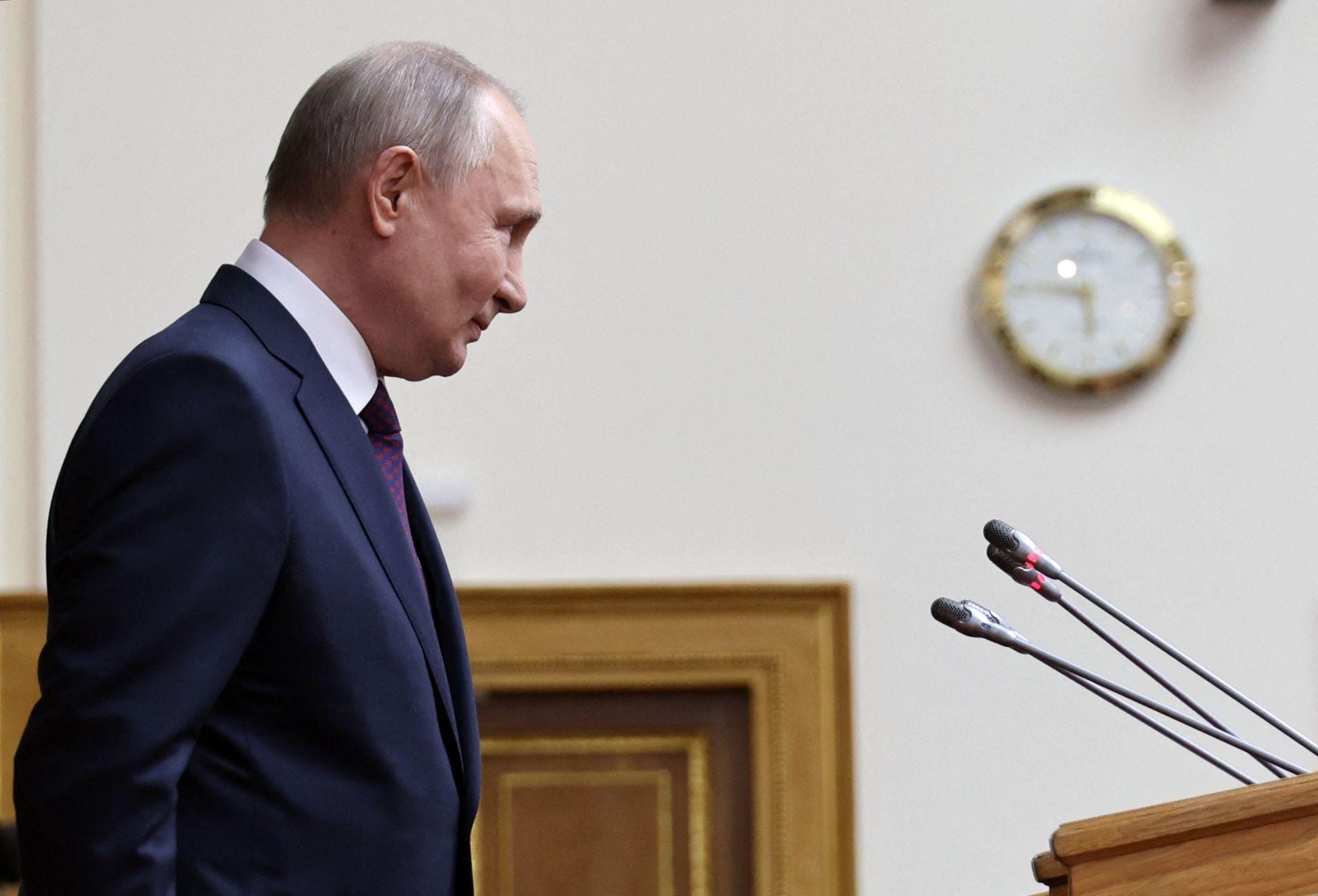
The February 2022 Security Council session looked like a discussion.
It was not.
Each official:
stepped forward
spoke on camera
confirmed the decision
Not to decide.
But to be seen deciding.
That matters.
Because once everyone has spoken:
everyone is committed
everyone is exposed
no one can step back
Shared decisions can bind. Public ones can trap.
2. Loyalty Is Not Built on Trust


Inside this structure, loyalty does not come from belief.
It comes from:
shared exposure
shared benefit
shared risk
If everyone:
has taken part
has benefited
has something to lose
then leaving becomes harder than staying.
Not because people agree.
Because they cannot detach cleanly.
3. Power Is Distributed — But Not Shared

65-meter superyacht known as “Lady M”. The yacht is linked to Russian oligarch Alexey Mordashov. Italian police seized the yacht in Imperia, Italy, in March 2022 as a result of EU sanctions following Russia’s invasion of Ukraine.
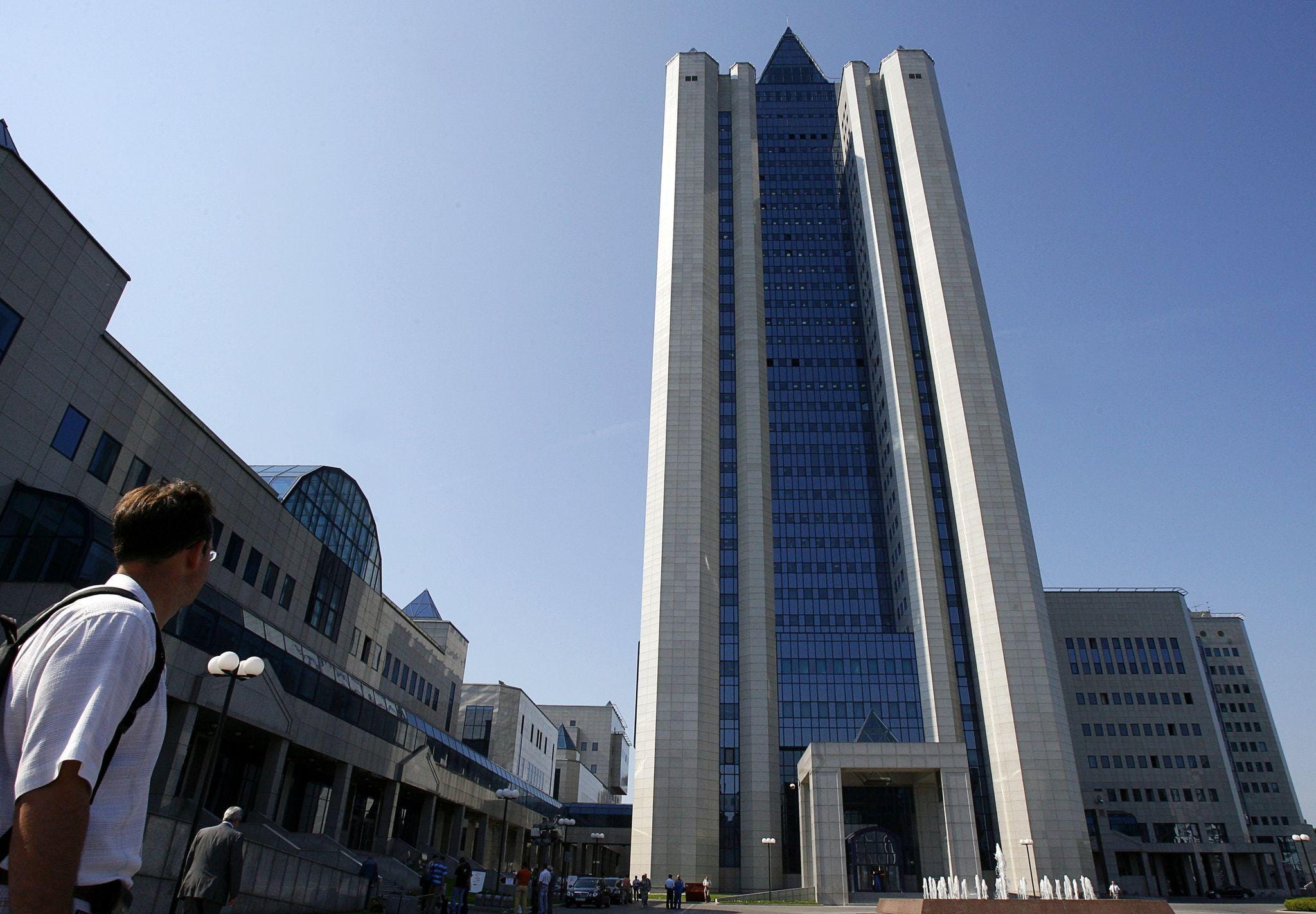
The headquarters of the Russian energy company Gazprom in Moscow.
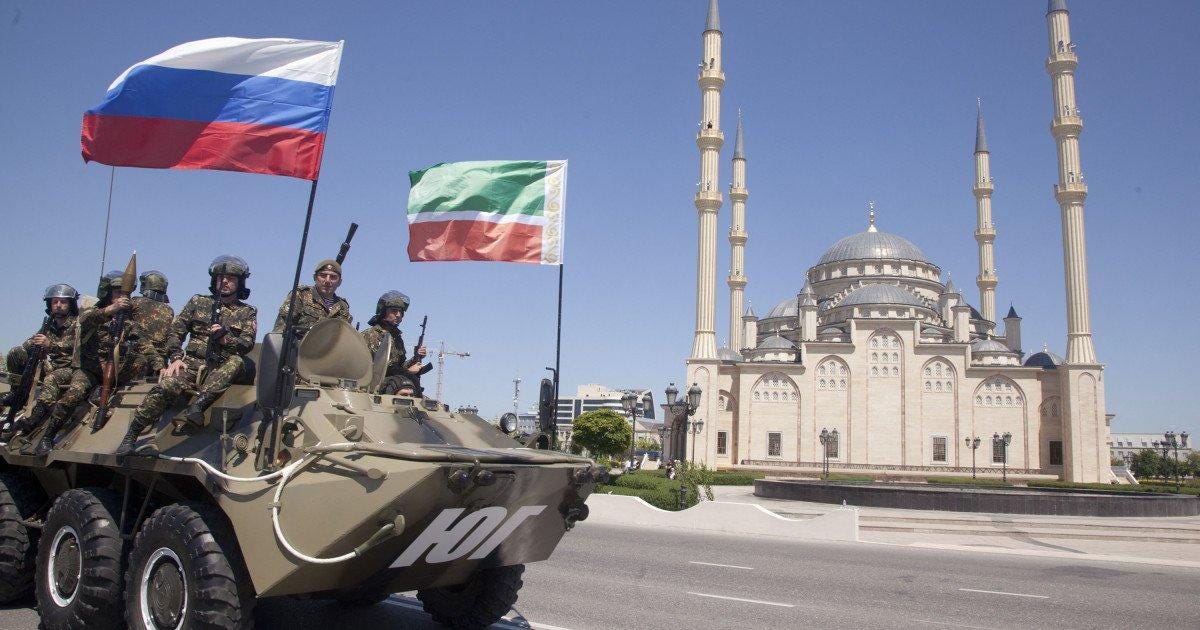
Russian BTR-80 armoured personnel carrier with soldiers from the Chechen Republic passing the Akhmad Kadyrov Mosque in Grozny.
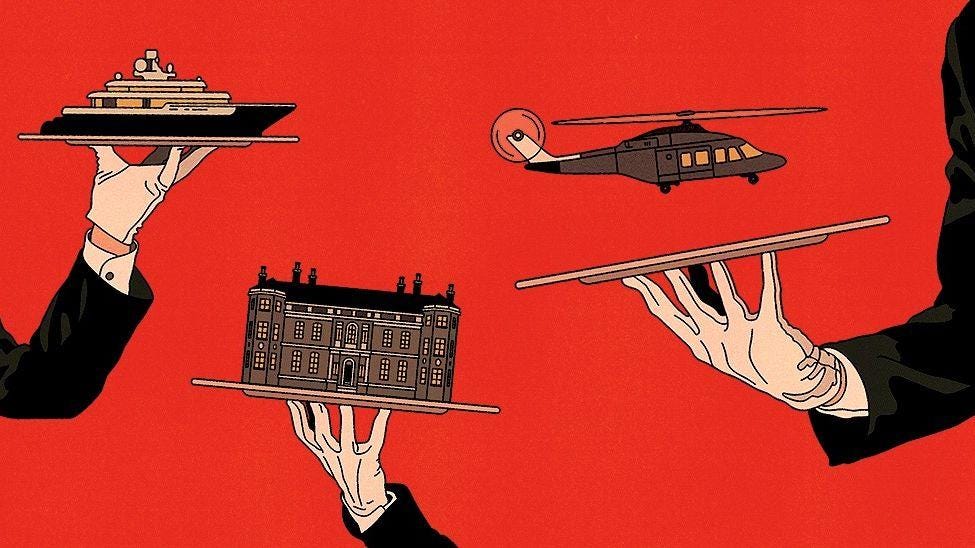
Inner circle loyalty is tied to privileges that can be given - and taken away.
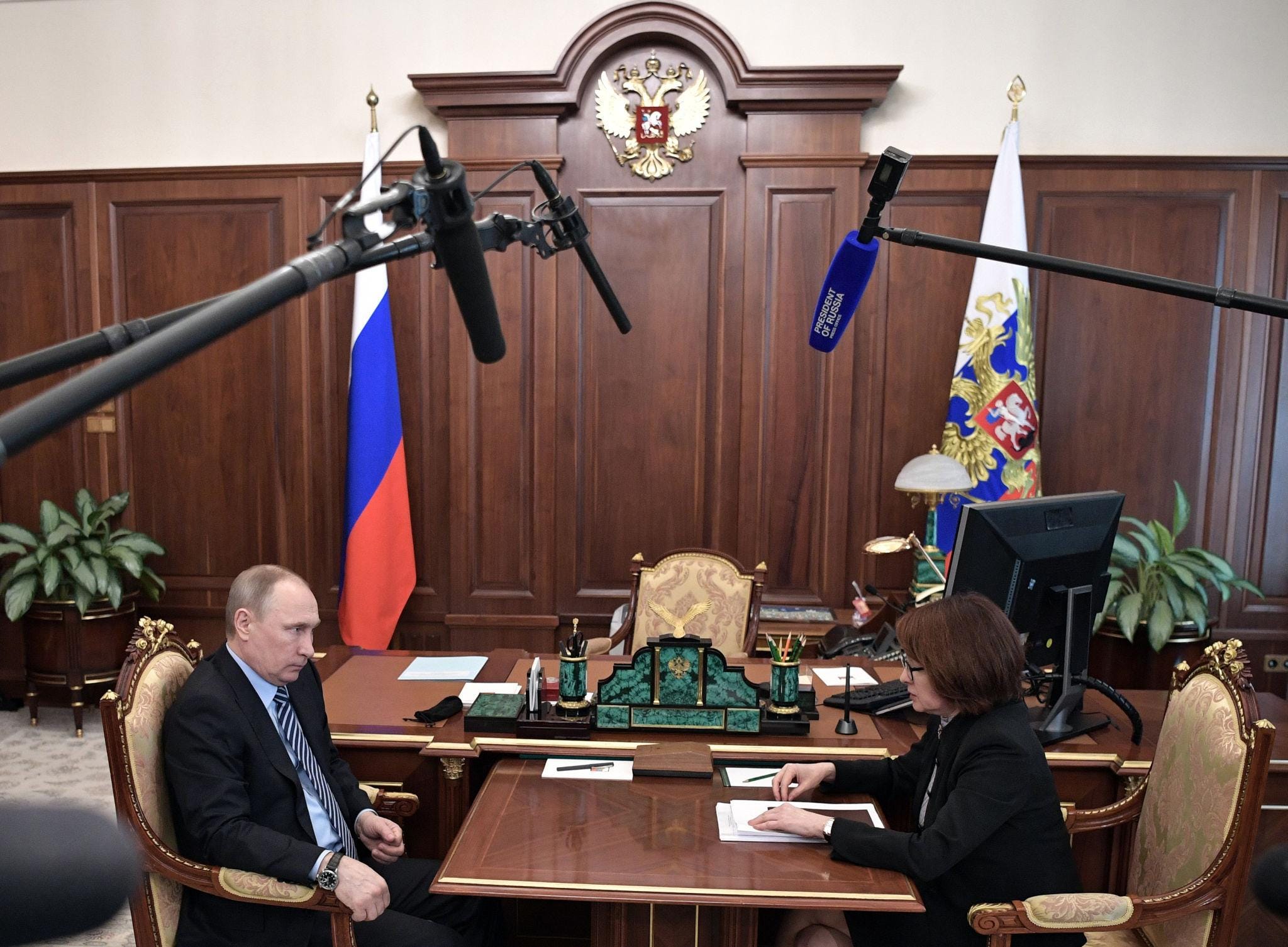
Meeting between Russian President Vladimir Putin and the head of the Russian Central Bank, Elvira Nabiullina
Different groups manage different areas:
energy
defence
finance
internal security
But this is not balance.
It is arrangement.
Each group:
depends on access
competes for position
watches the others
No one is independent.
And that is the point.
Power can be spread out without being safe to use.
4. The Watchers Are Part of the Game
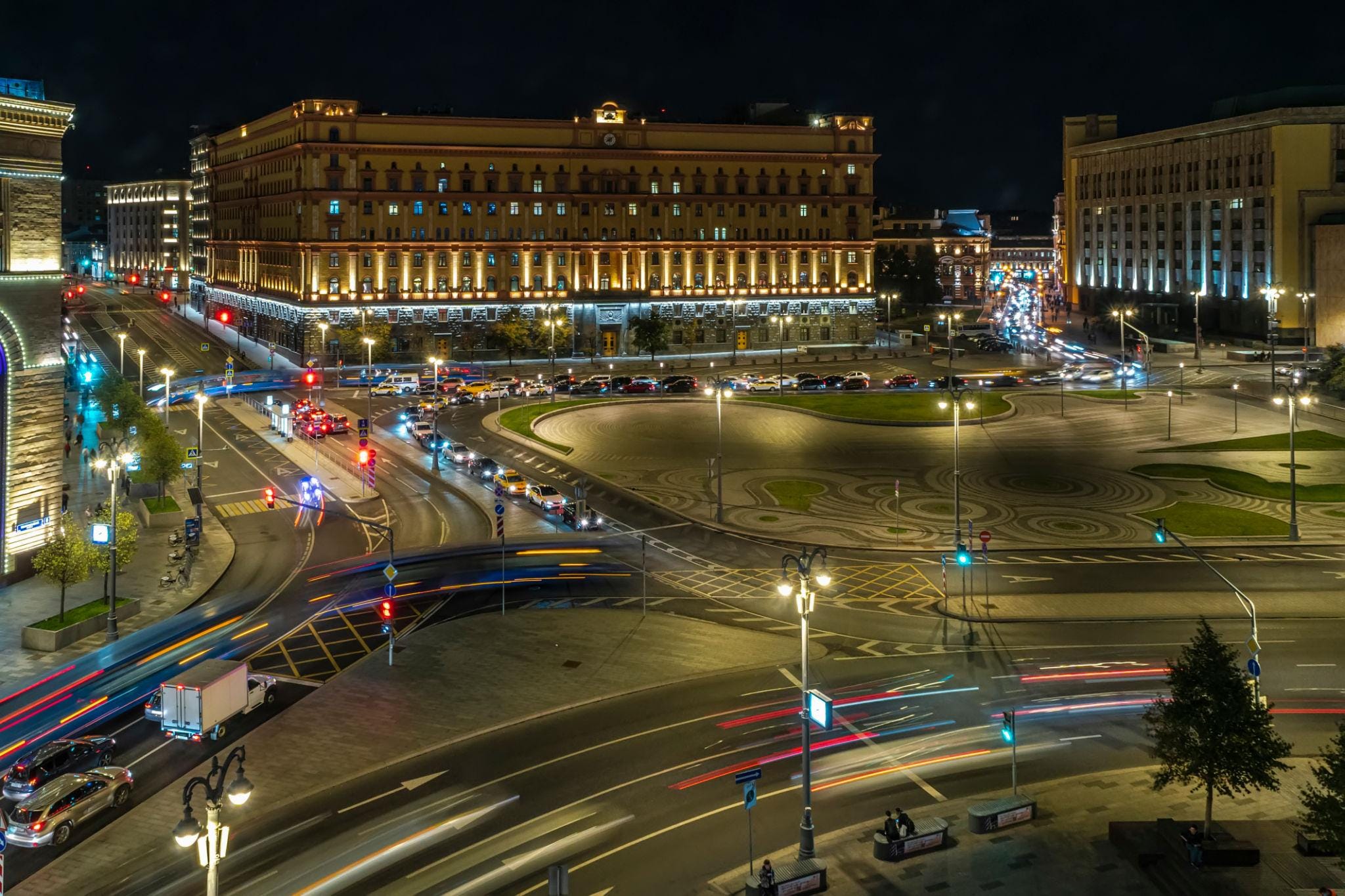
The large, illuminated building in the background is the headquarters of the Federal Security Service (FSB), formerly known as the KGB.
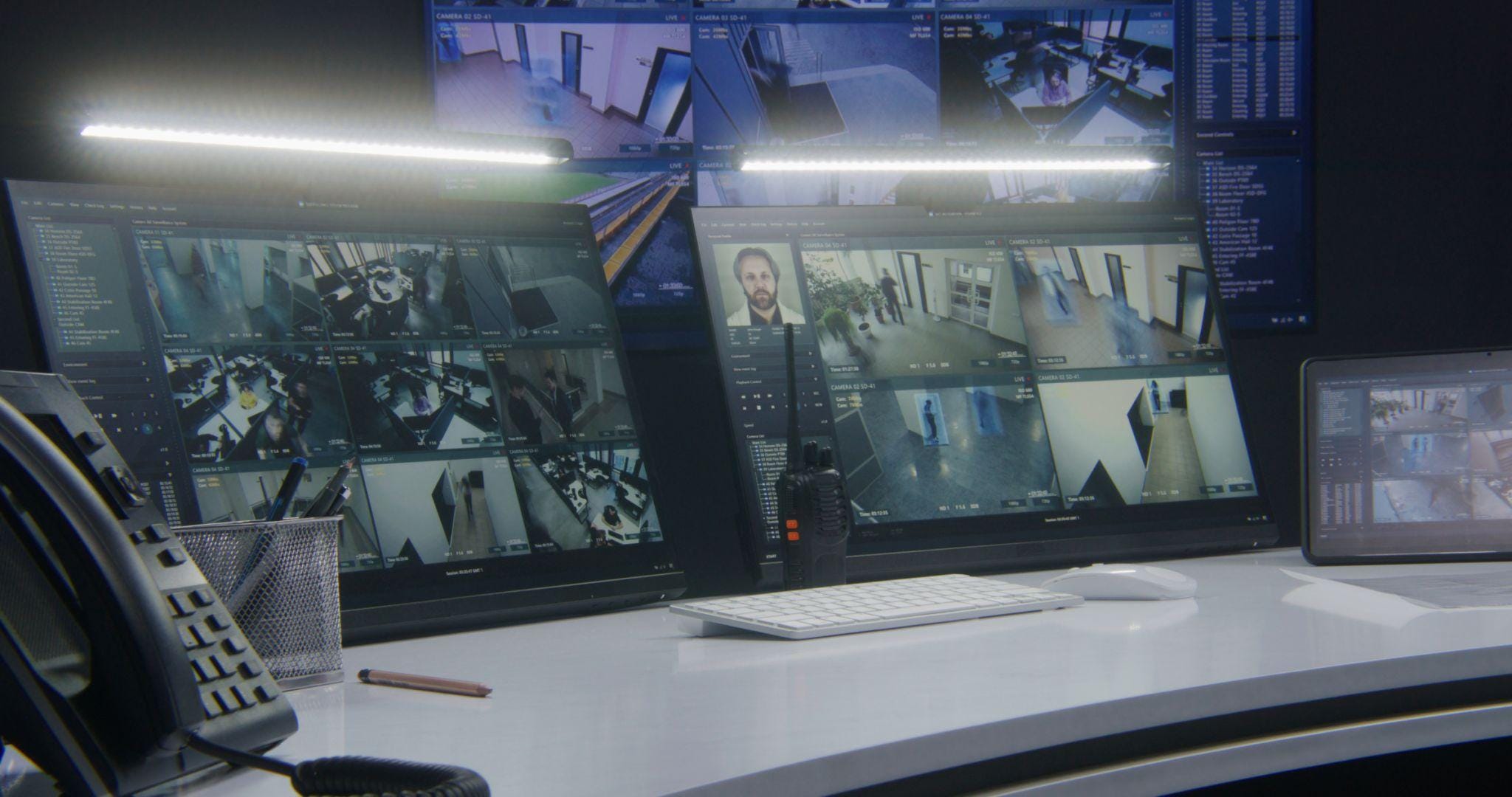
Video surveillance (CCTV): The system uses multiple monitors to display live feeds from several cameras in different locations simultaneously.

Person in a hoodie following another person on a street, often used to illustrate themes such as persecution or safety.
The security services do not just look outward.
They look inward.
files exist
histories are recorded
weaknesses are known
This changes behaviour:
caution increases
coordination decreases
silence becomes safer than action
Not because people lack options.
Because every option carries exposure.
5. Wealth Is Conditional
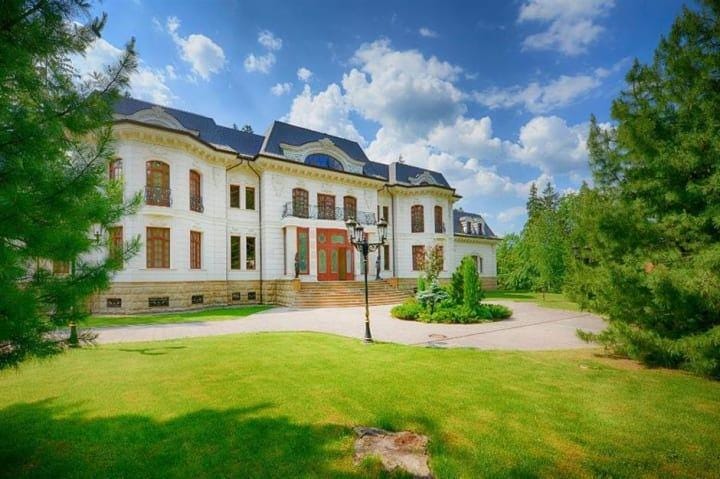
Inner circle loyalty is tied to privileges that can be given - and taken away.

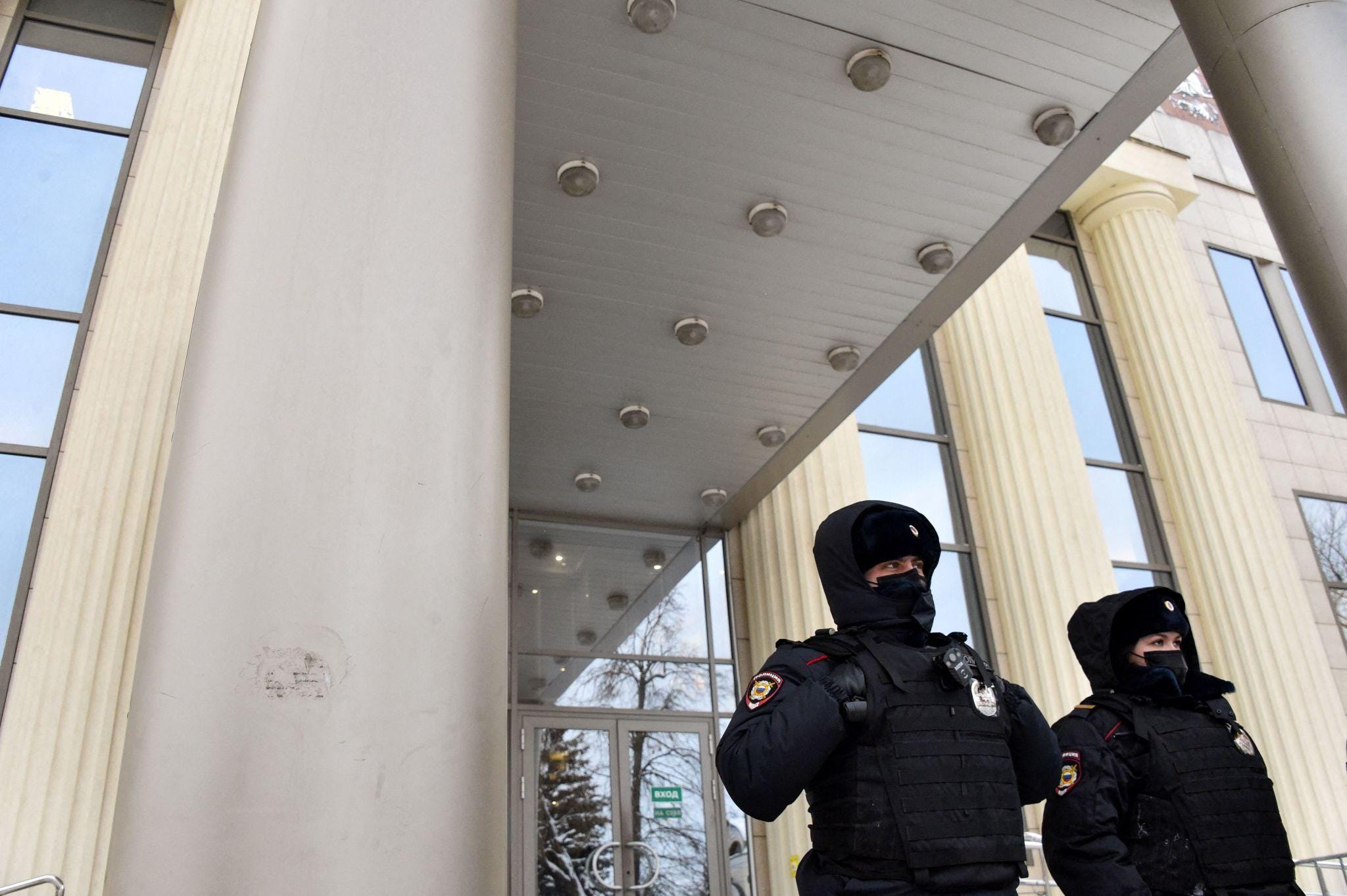
Security police
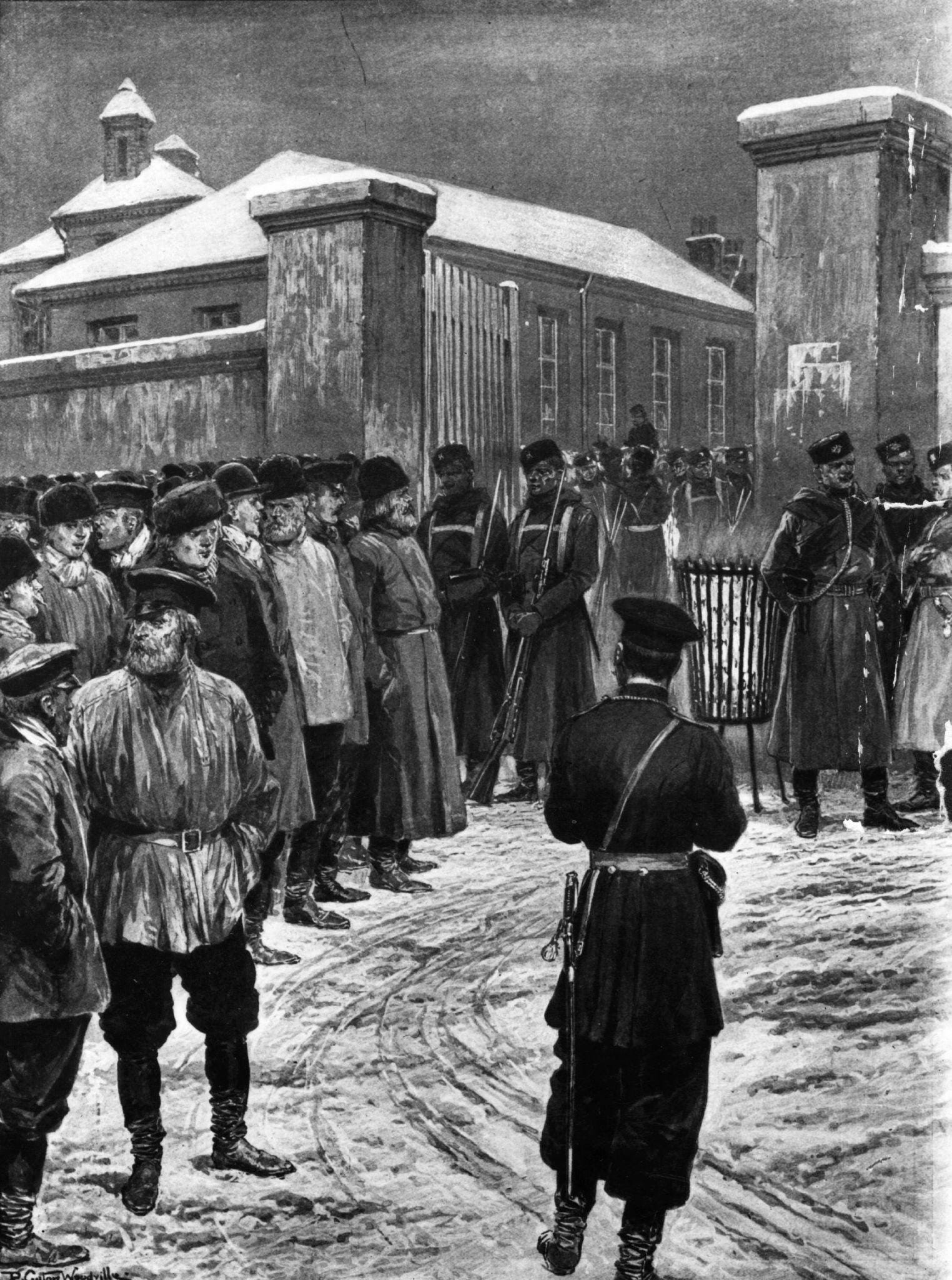
The older understanding was simple:
stay loyal
stay quiet
keep what you have
That has shifted.
Now:
assets can be reviewed
ownership can be reversed
decisions can be reinterpreted
Not once.
Repeatedly.
So behaviour adjusts:
loyalty becomes more visible
alignment becomes more explicit
hesitation becomes risky
6. The War Changes the Internal Balance
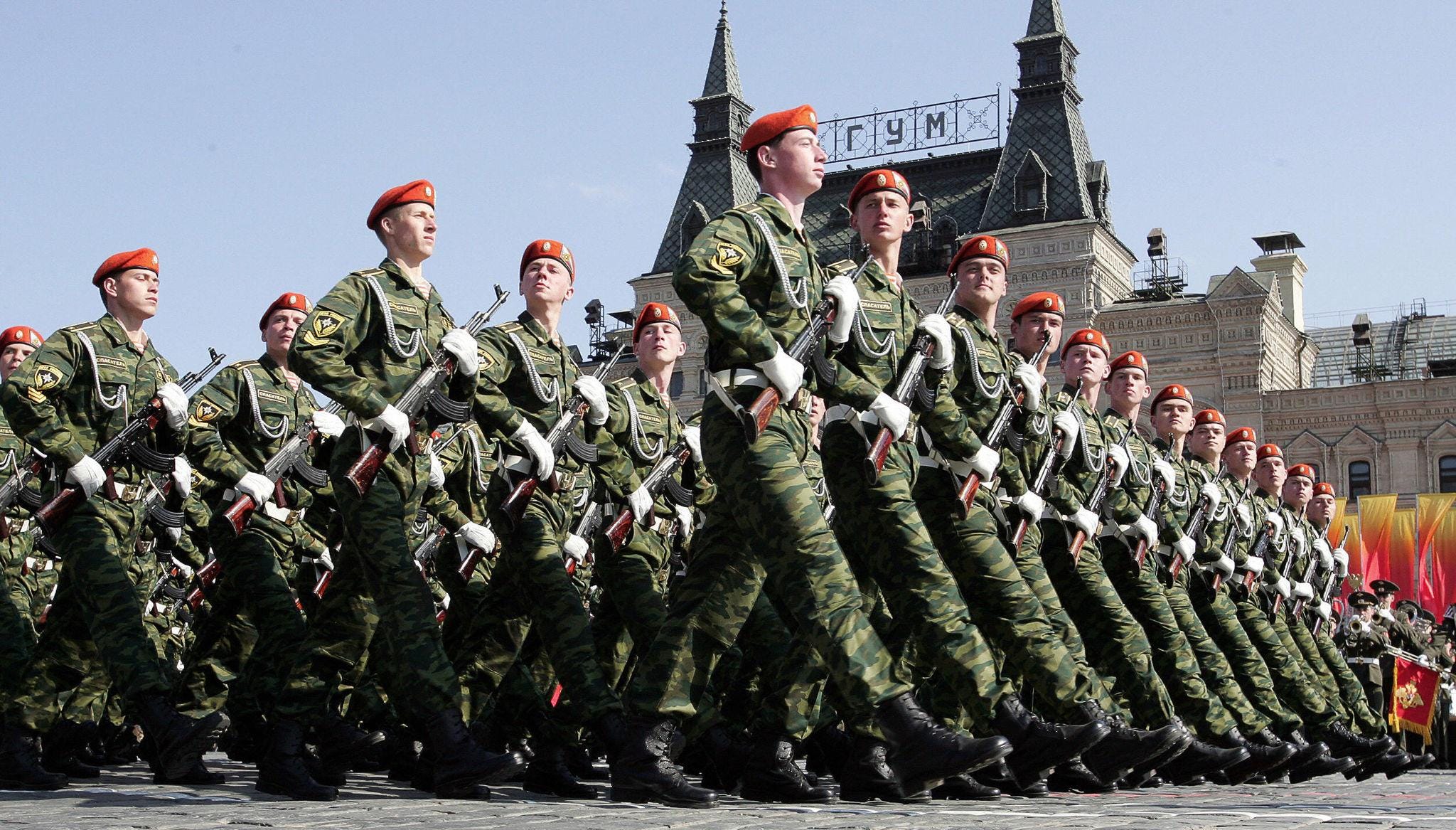
Creating a narrative
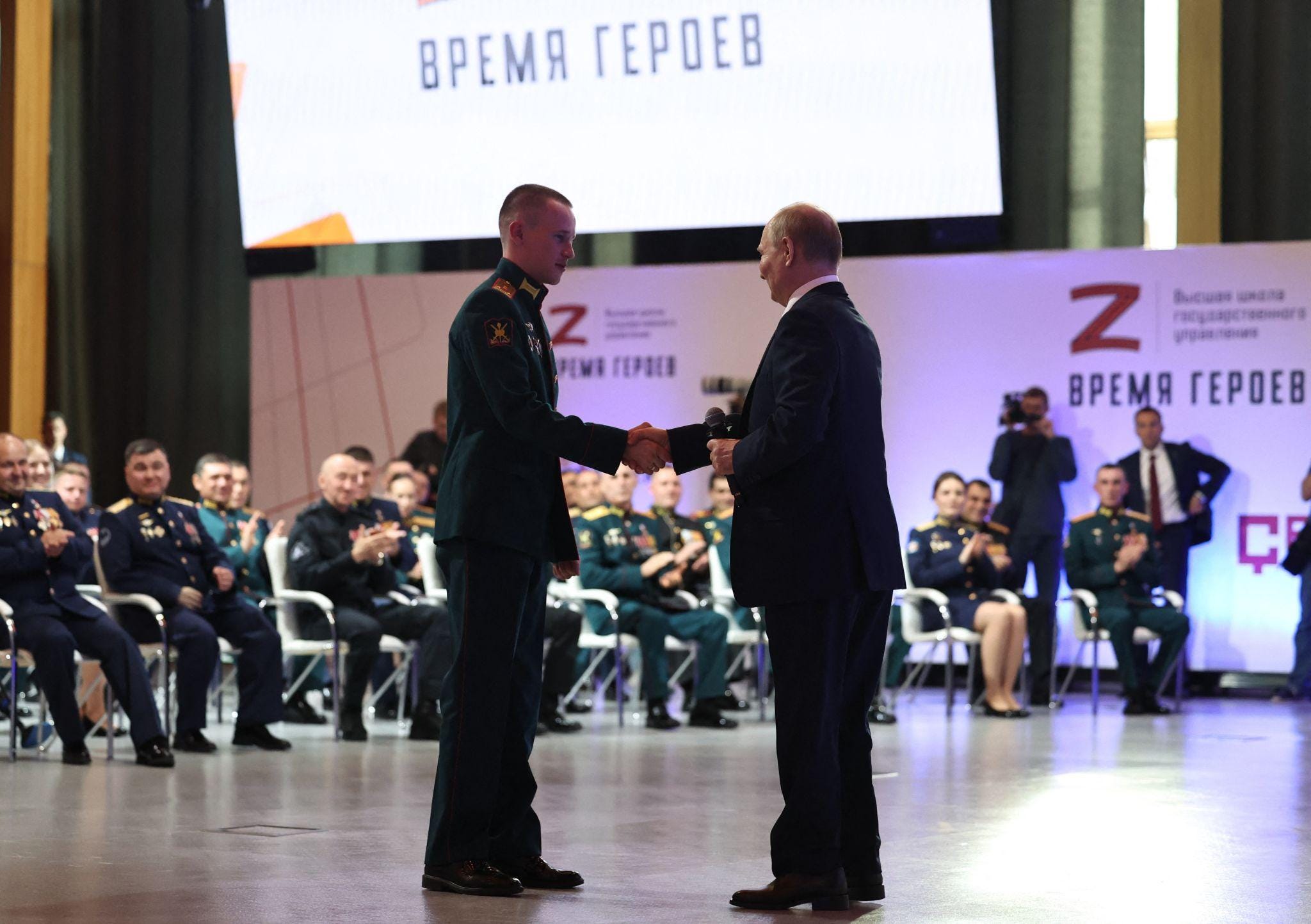
Kremlin Uses ‘Time of Heroes’ Program to Ensure Loyalty of Ambitious Veterans
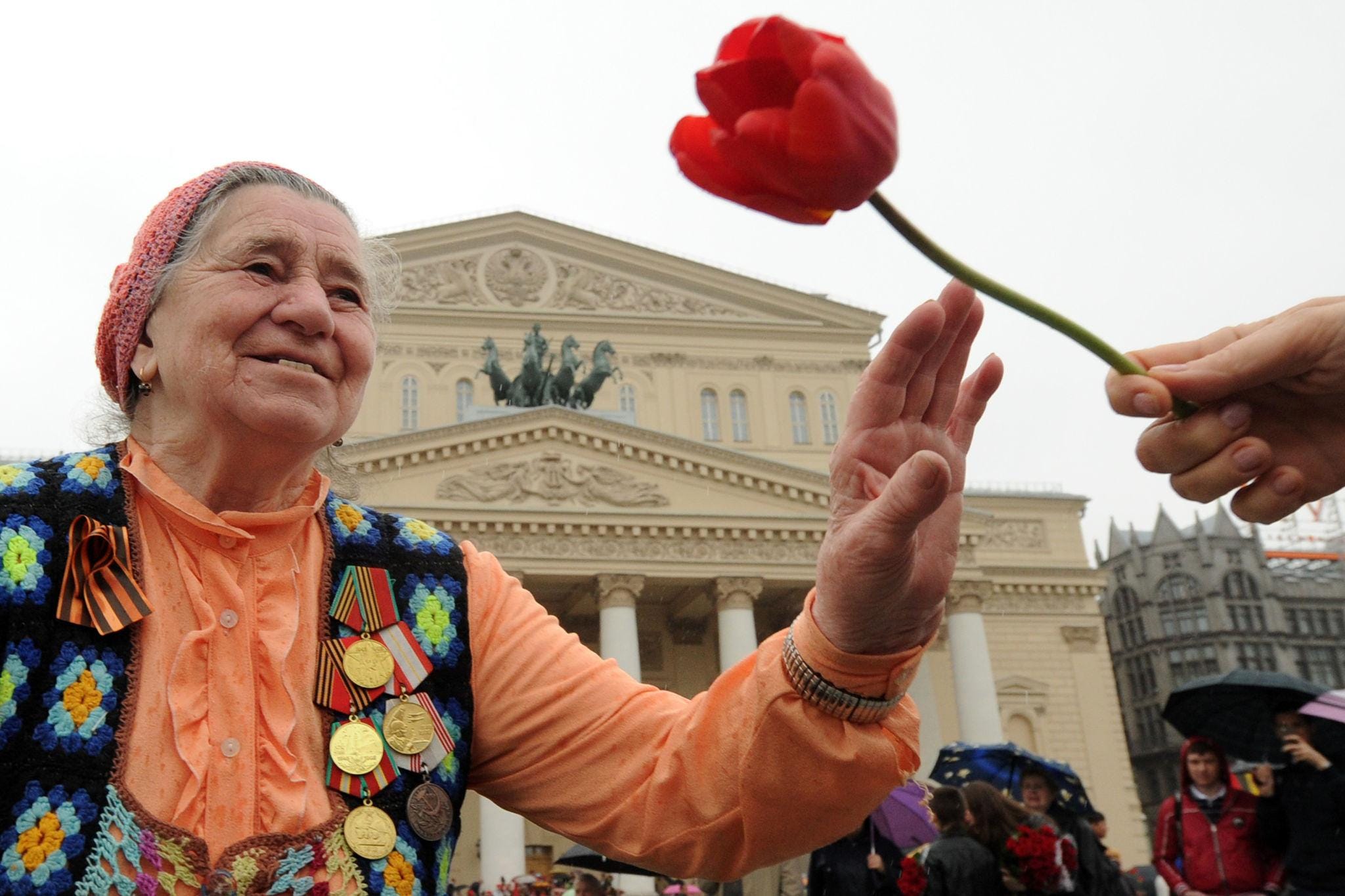
This image shows a person wearing several medals on his vest, which is often associated with the Victory Day celebrations in Russia, where veterans of World War II are honored. The medals serve as a recognition of military service during the war. The image is typical of the ceremonies that take place on May 9 to commemorate the victory over Nazi Germany.
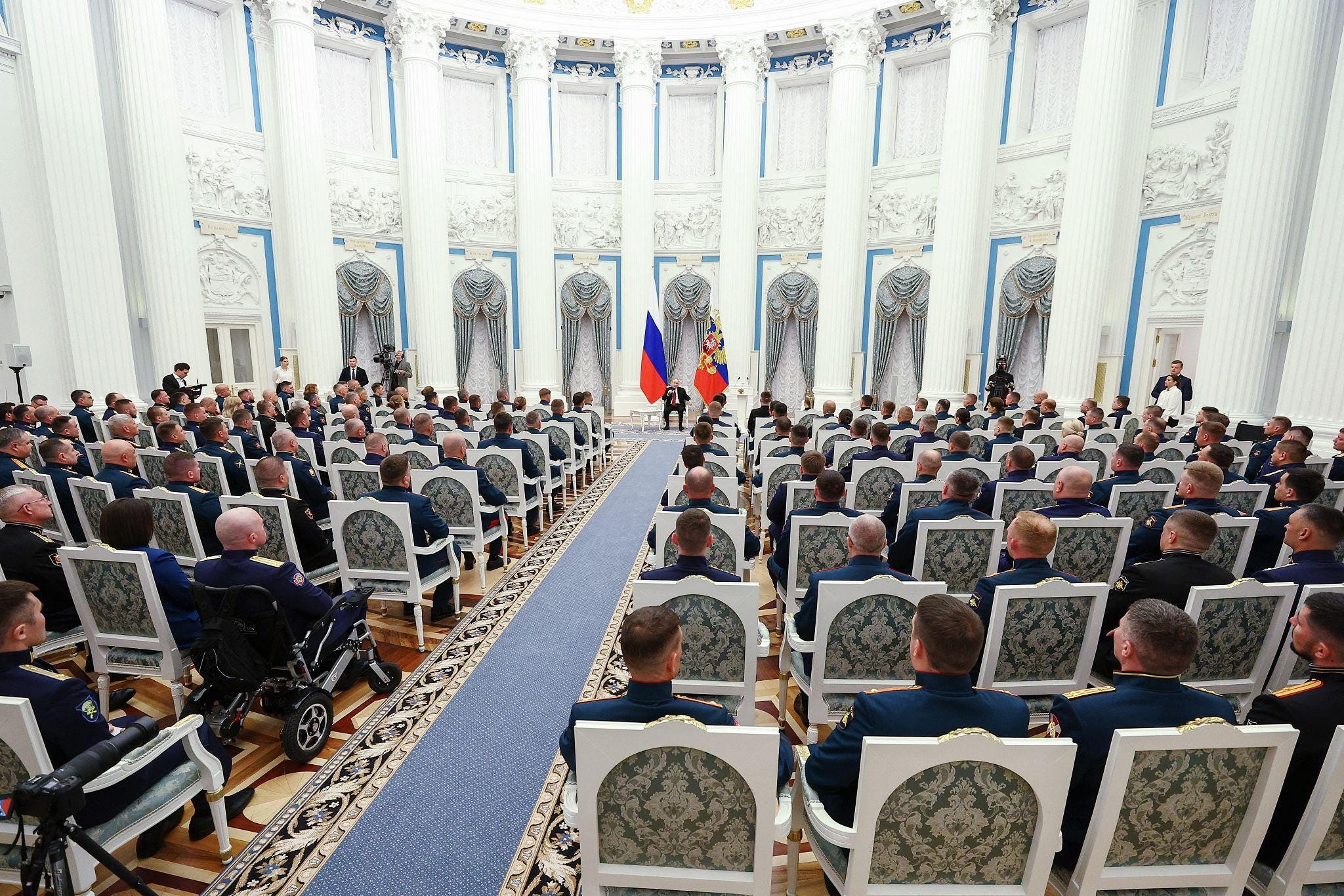
Meeting with participants of the “Time of Heroes” training program in the Kremlin. The program aims to train leaders among veterans and participants of military operations. Vladimir Putin held the meeting as part of this initiative.
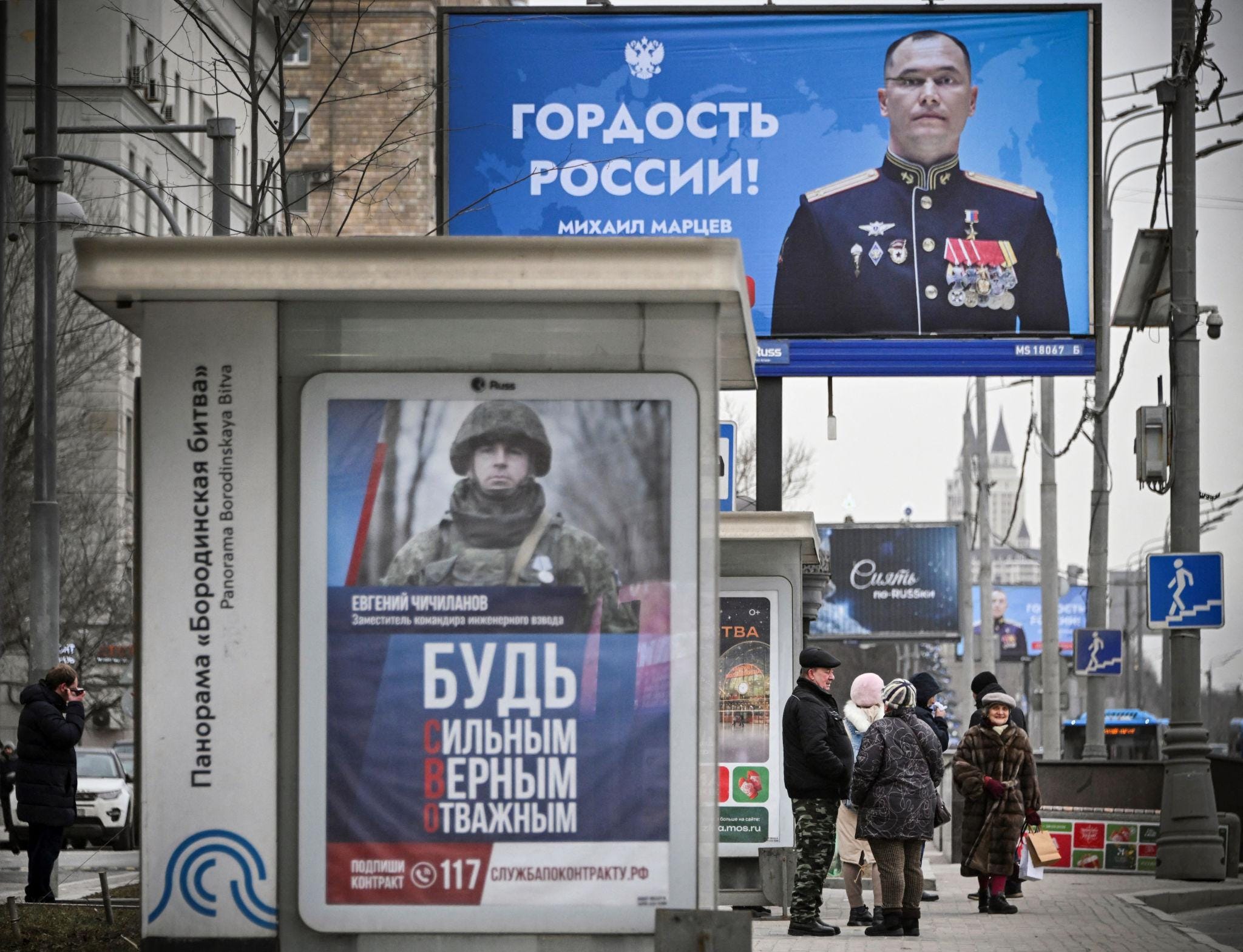
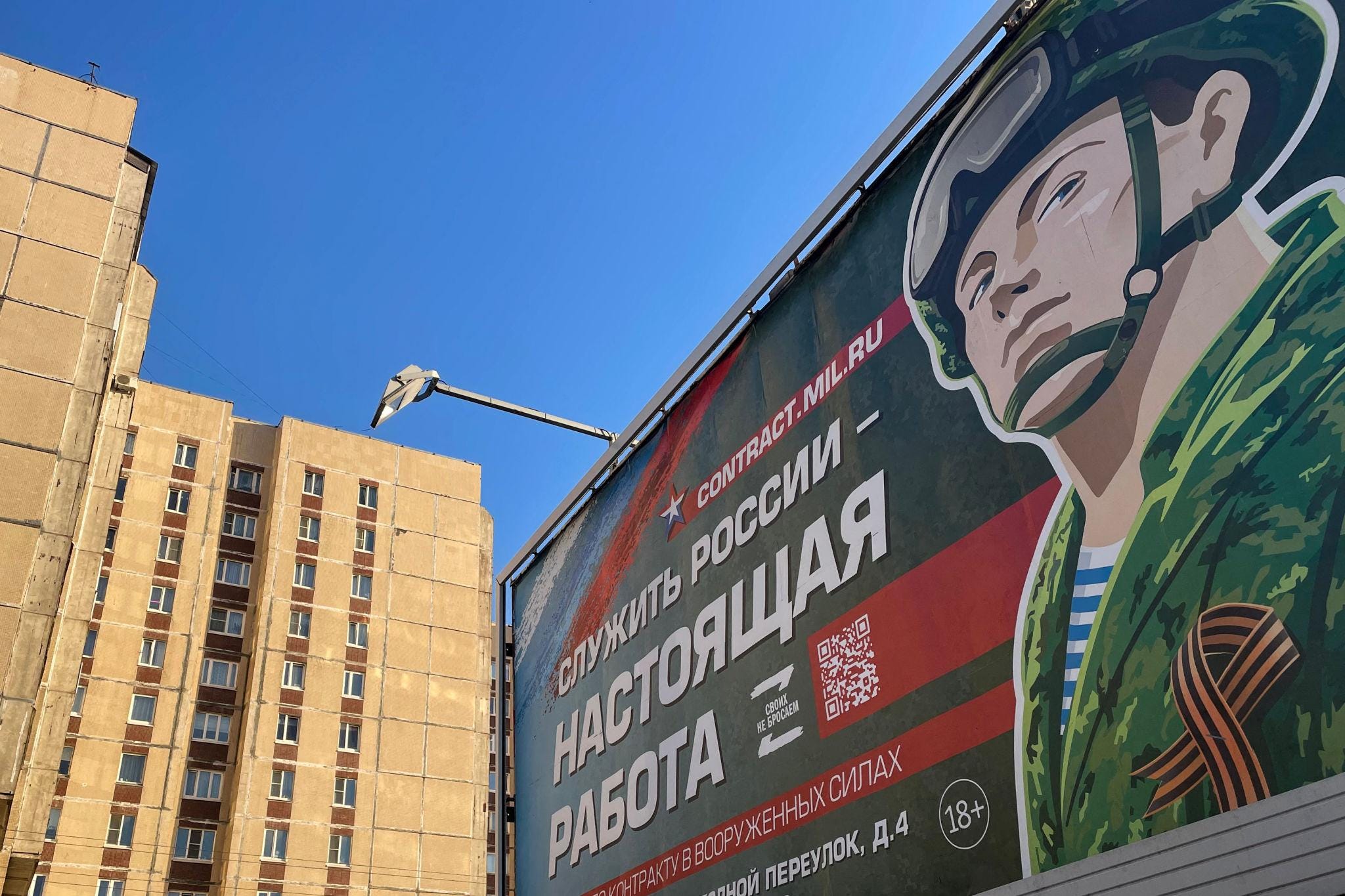
Propaganda posters in Moscow, praising Russian soldiers in connection with the war in Ukraine. The poster at the top shows Mikhail Martsev with the text “Pride of Russia”. The poster at the bus stop depicts Yevgeny Chichilanov with the call to be “strong, faithful, brave”.
The war does more than fight an external enemy.
It reshapes the inside:
new figures are promoted
new narratives are built
new expectations are set
Not all of it holds.
But it serves a purpose:
reinforce loyalty
justify cost
limit dissent
And importantly:
Ending the war would undo parts of this construction.
7. Everyone Is Waiting — Without Moving
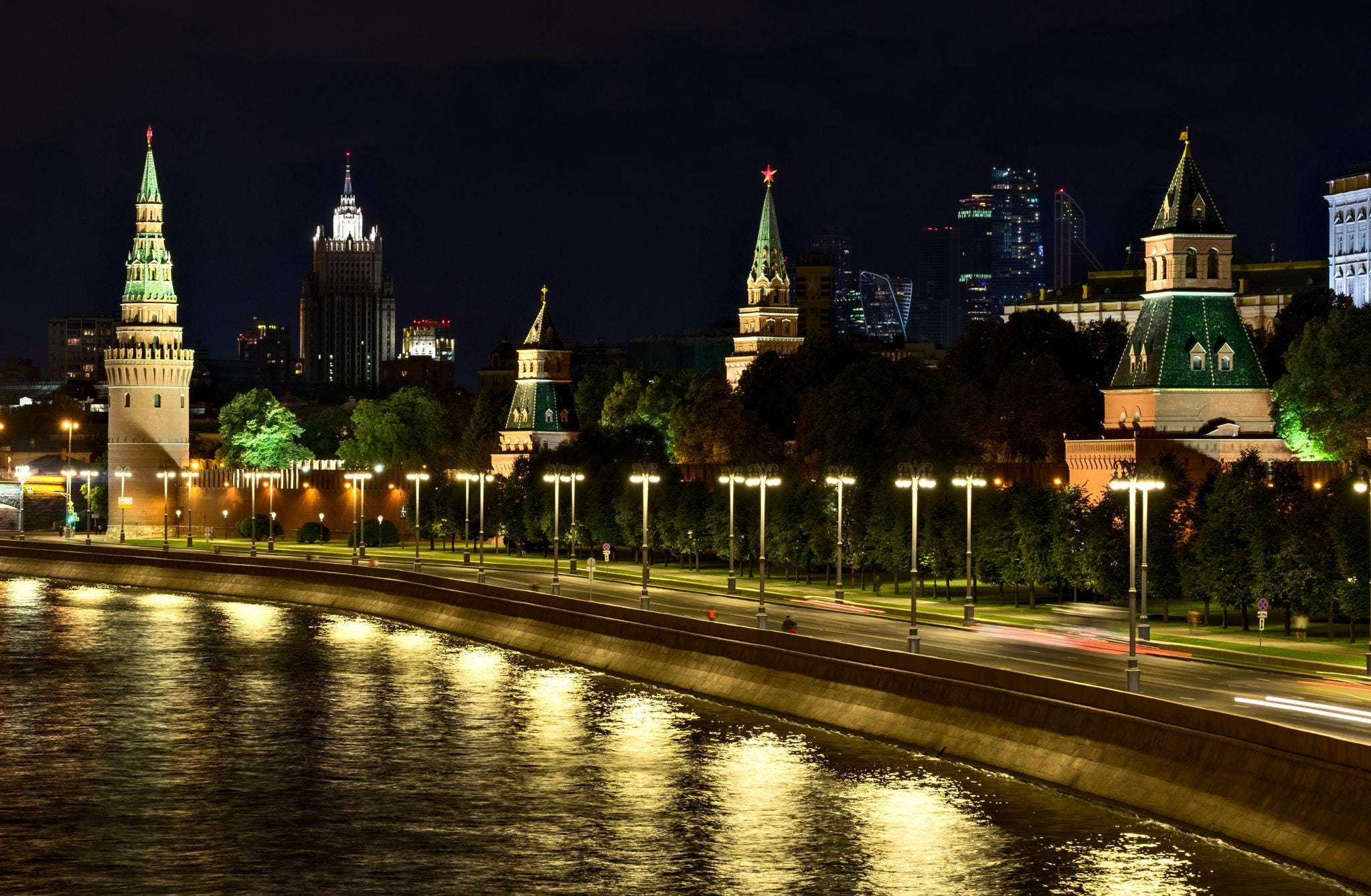
Kremlin
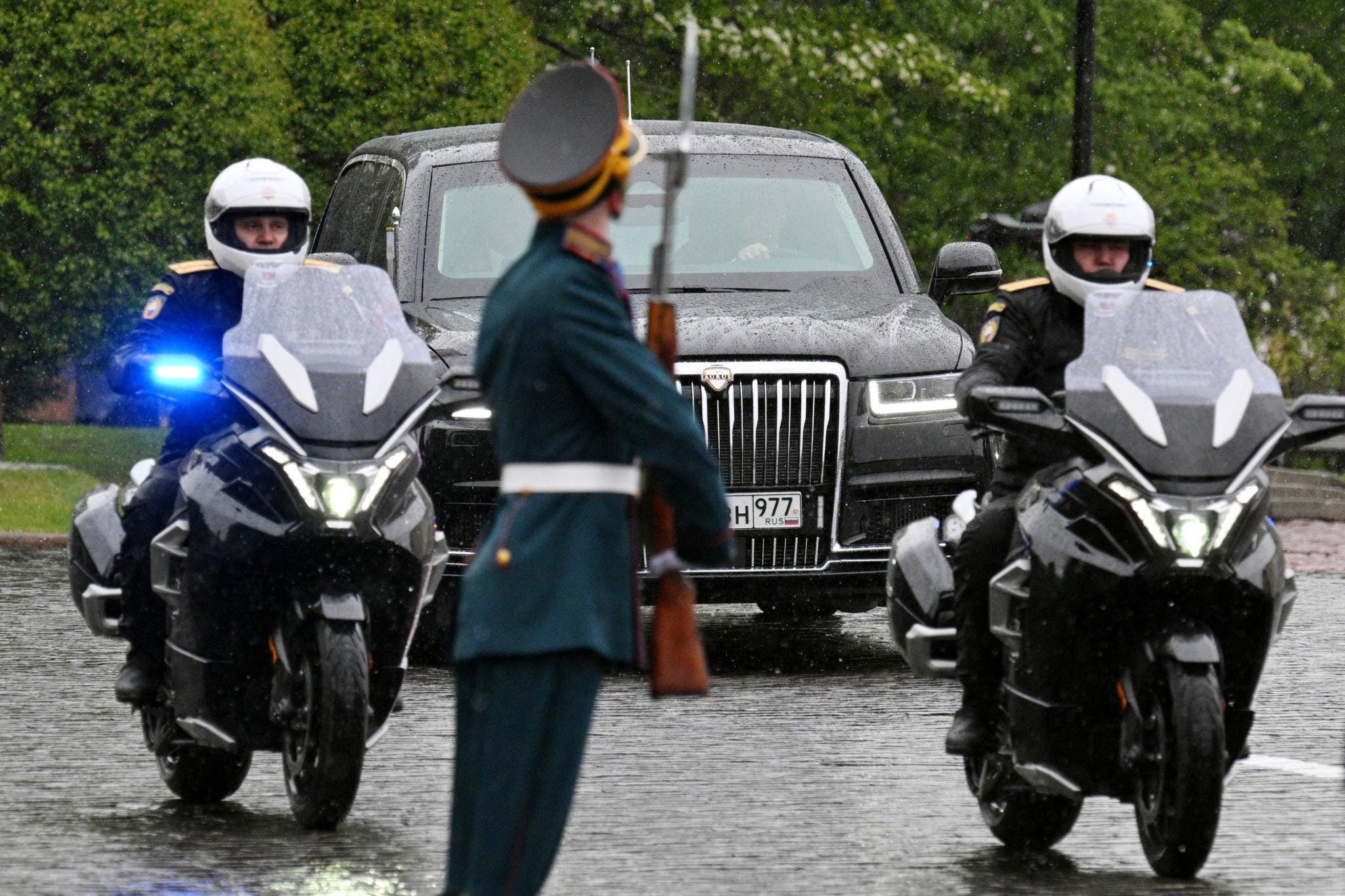
VIP driving
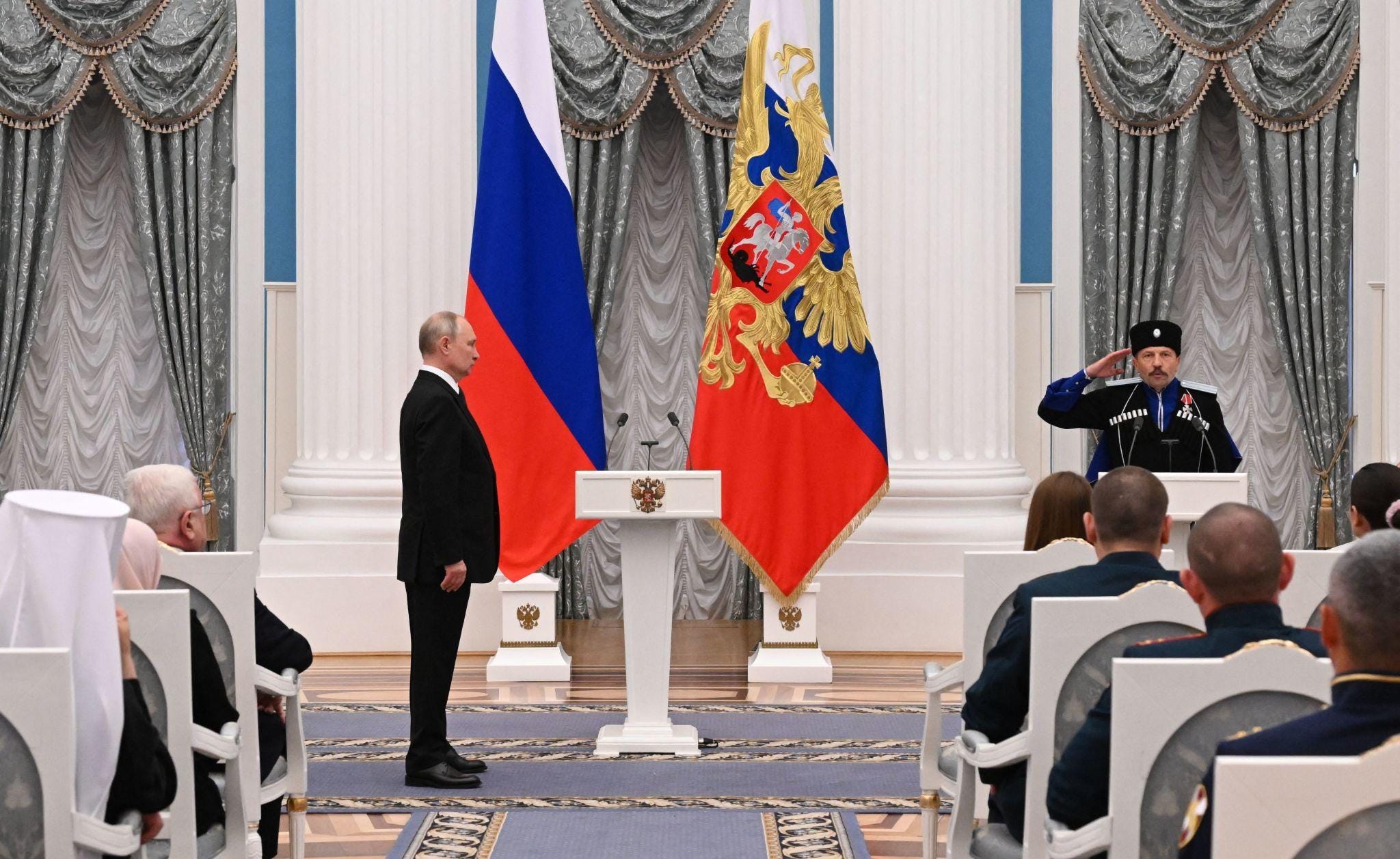
Meeting with participants of the “Time of Heroes” training program in the Kremlin. The program aims to train leaders among veterans and participants of military operations. Vladimir Putin held the meeting as part of this initiative.
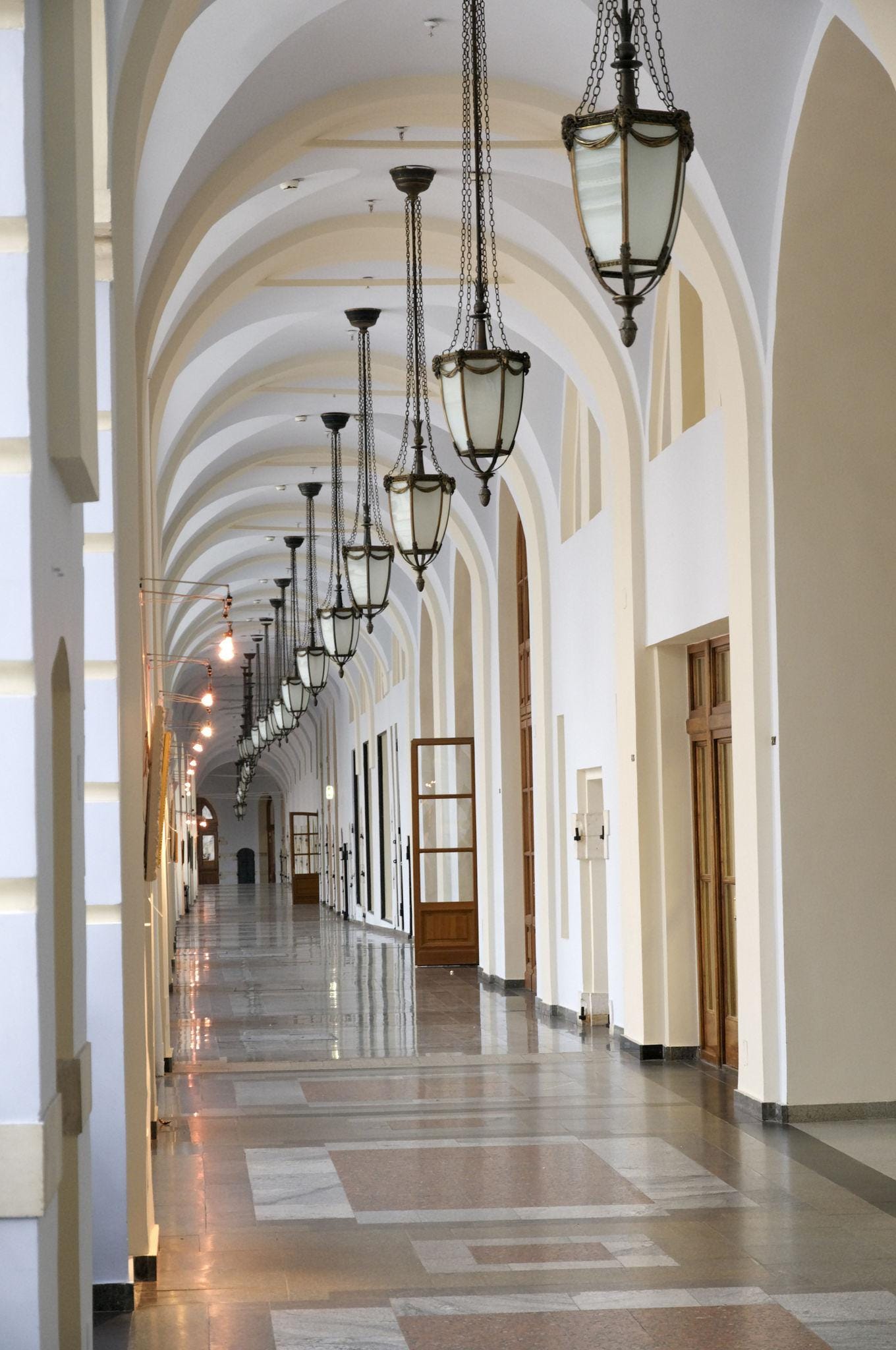
A hallway in an old office building in Moscow. The classic interior is characterized by high arches (arcades) that create a long enfilade of rooms. The row of large, hanging chandeliers with dark metal frames and glass panels is a prominent feature of the space.
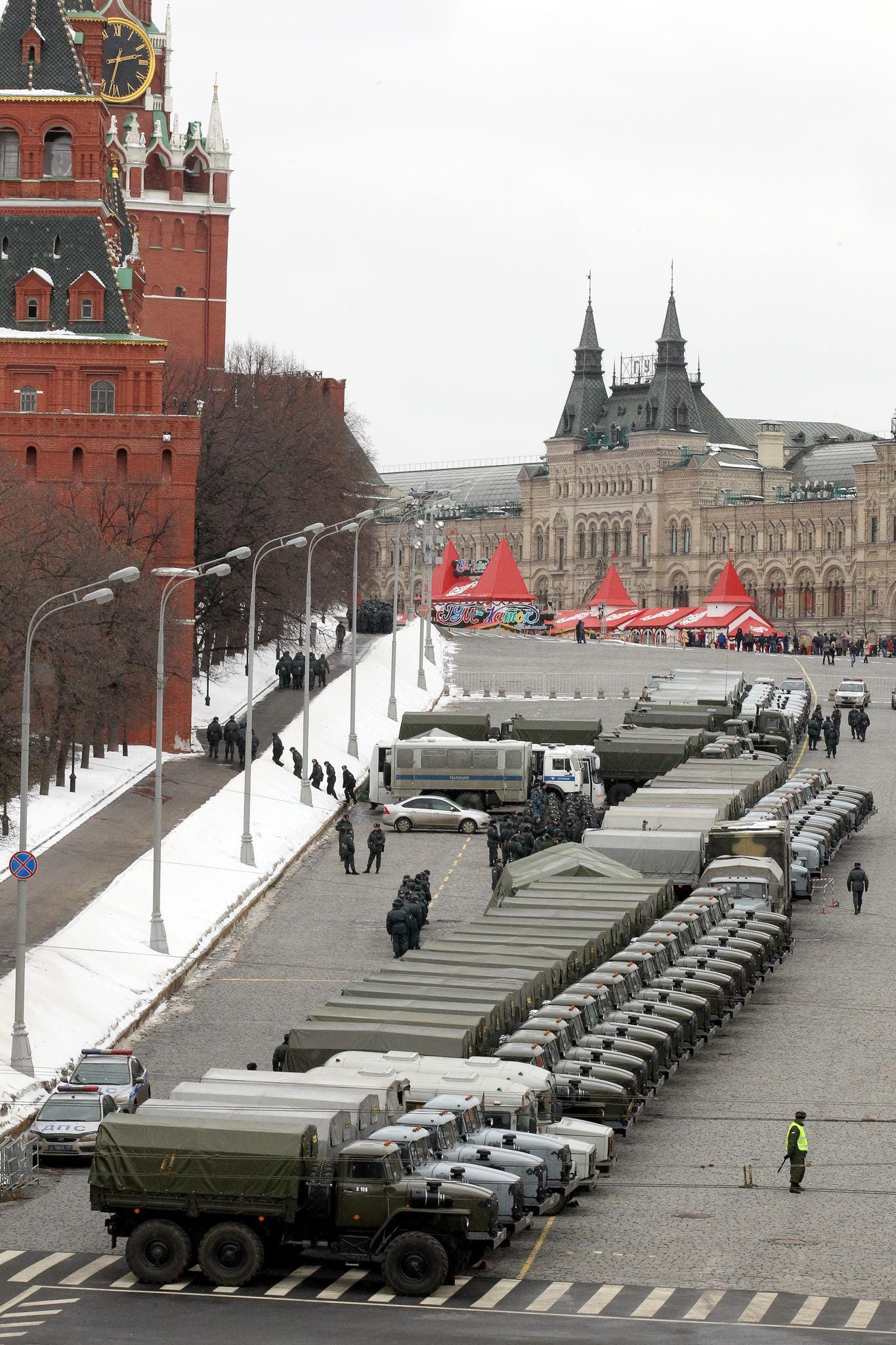
Preparations for a Russian military parade in Red Square in Moscow. The image was taken in connection with the celebration of Victory Day, which marks the victory over Nazi Germany in World War II. The rows of vehicles are military armoured vehicles and trucks that are lined up before the parade itself.
Everyone knows:
leadership changes eventually
positions shift
opportunities appear
But acting early is dangerous.
So behaviour becomes:
cautious positioning
limited visibility
delayed moves
In uncertain succession, waiting becomes strategy.
8. What Holds It Together Also Wears It Down
This structure holds because of:
war
control
personal authority
But each of these also:
consumes resources
increases pressure
reduces flexibility
So stability is real.
But it is not free.
Conclusion
If you look for institutions, you will be confused.
If you look at behaviour, it becomes clearer:
loyalty is maintained through exposure
power is distributed but dependent
wealth is held but conditional
And everything rests on continuation:
of the war
of the pressure
of the balance
Mini-map (read next)
If you want to understand how internal pressure connects to what you see on the battlefield:


Reflexions
This is not about predicting collapse.
It is about recognising:
how behaviour is shaped
how choices are limited
how pressure is managed
And how the same mechanisms that hold things together:
can also make change harder when it comes.
Usual ending
If you’ve read this far, you’re no longer reading positions.
You’re reading behaviour.
Keep going.
It’s free
However, if you find reason to support my research - I would be grateful for any contribution in the range of: 2 to 8 $.
If you want to contribute you should upgrade to paid when you have pressed the Subscribe button. Then the pledge window opens.
However, there are no restrictions. Everything is free and public.
Please do me the favour to restack.