
Every Mile Asks Permission
Russia built an occupation on roads. Ukraine is making those roads expensive

Reading time: 6 minutes
Credit: Based on analysis by Prof. Bonk, independent open-source analyst and Ukraine war correspondent.
A corridor is meant to feel inevitable.
The word itself implies the hard work is done — territory taken, routes established, maps redrawn.
When Russian officials speak of the land corridor to Crimea, they are describing not just a geographic fact but a political one: that occupation, given enough time, becomes routine.
Ukraine is in the business of making that assumption expensive.
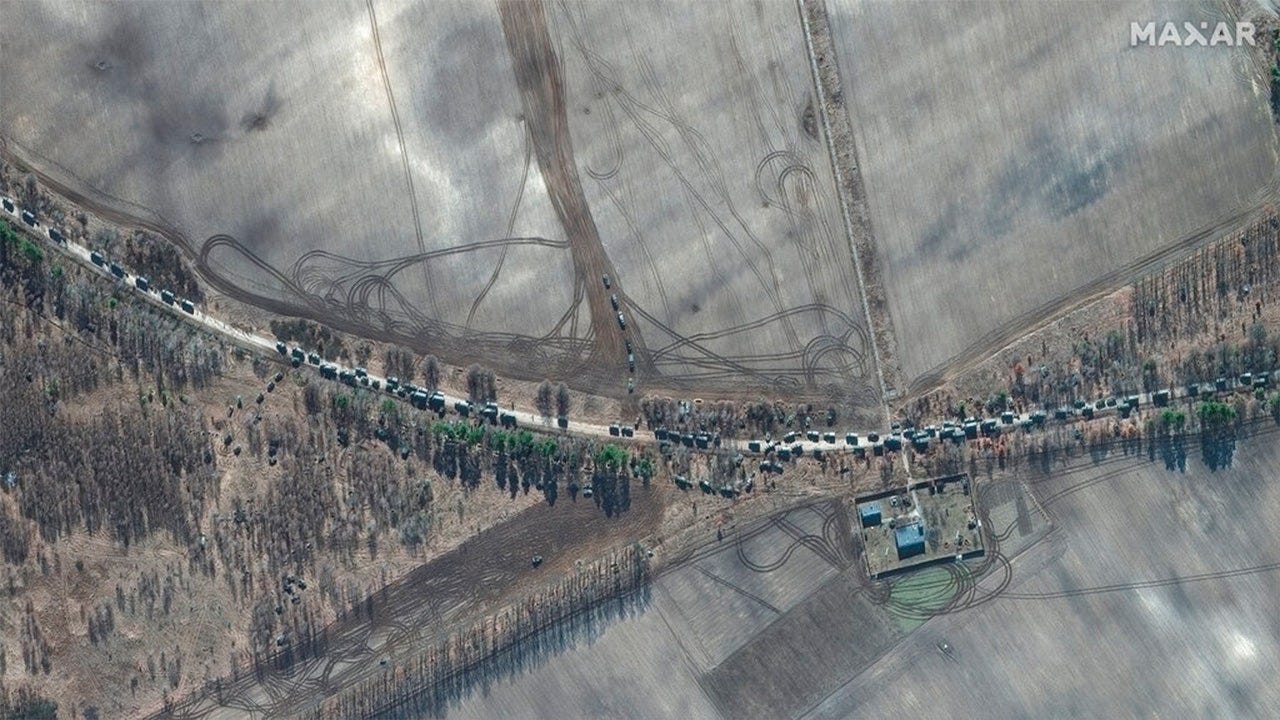
The M-14 and H-20 highways — the arteries connecting Russia to occupied Crimea and Donbas. Roads that were meant to make occupation feel routine are now consistently targeted by Ukrainian long-range drones.
The road as the occupation
Armies do not hold territory by standing on it.
They hold it by keeping trucks moving — fuel forward, ammunition forward, wounded back, reinforcements through.
The roads connecting Russia to occupied Crimea and Donbas are not incidental to the occupation.
They are the occupation.
The M-14 route running through Mariupol and Melitopol carries the bulk of traffic between Russia and occupied Crimea.
The H-20 links Donetsk and Mariupol, binding occupied urban space to military movement.
Without reliable passage along these arteries, the occupation does not maintain itself. It decomposes into a string of disconnected, expensive liabilities.
Ukraine has understood this for some time.
Long-range drones — including the Hornet, known among Russian forces as the Martian-2 — have been systematically targeting logistics routes across the occupied south.
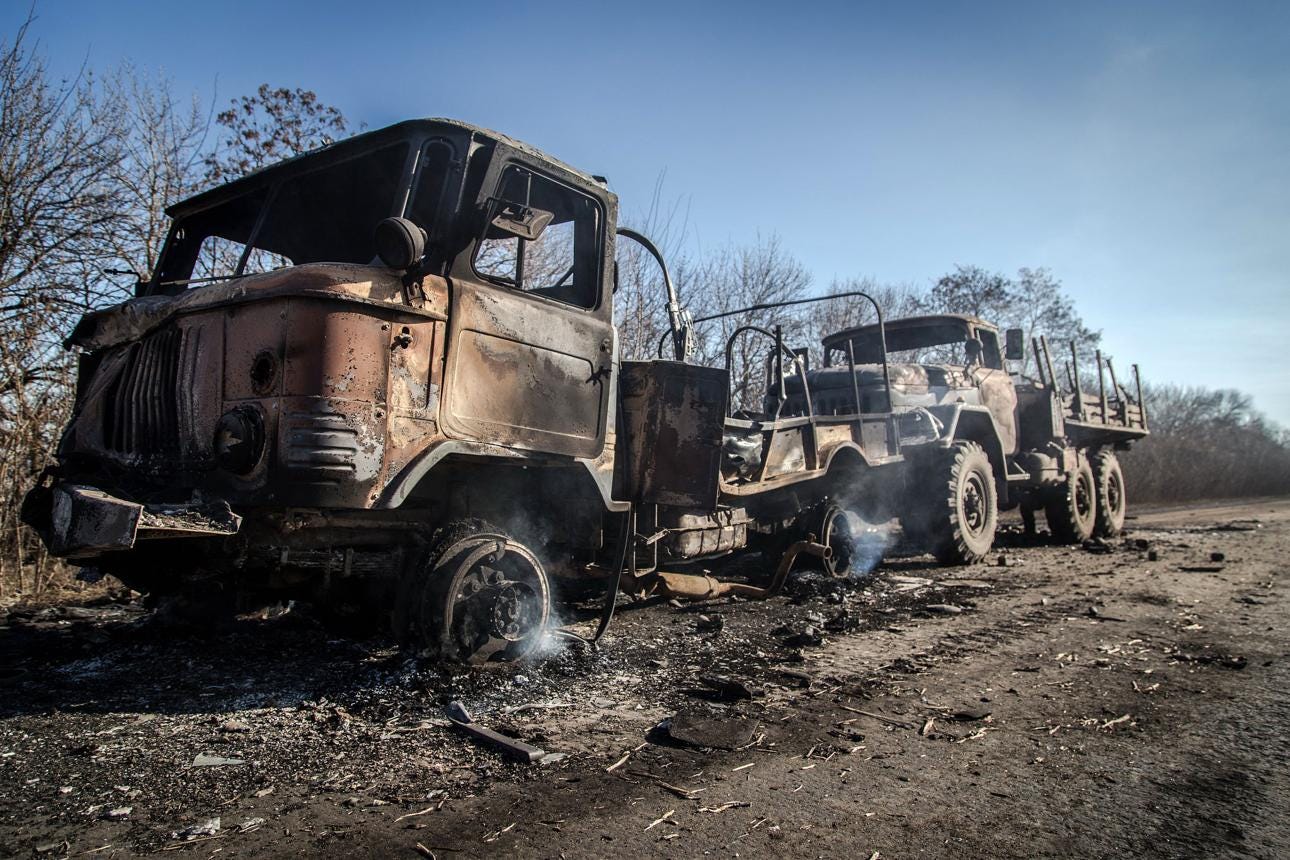
Geolocated open-source analysis and Russian pro-war channels alike have documented burned fuel tankers, destroyed military trucks and convoys unable to move without asking what is overhead.
A Russian military blogger operating in occupied Donetsk complained recently that roads in the region were under daily attack and that simply leaving home had become unsafe.
The complaint is telling not because it invites sympathy, but because it describes something that has genuinely changed. The road still exists on the map. The truck still exists. The paperwork is in order. But the assumption that distance from the front line means safety — that assumption is gone.

A destroyed Russian military vehicle on an occupied southern highway. Ukrainian drone operations have made movement along occupation logistics routes increasingly costly — the assumption that distance from the front means safety no longer holds.
Occupation authorities in Kherson have already restricted civilian truck movement along part of the R-280 highway, with exceptions for military transport and essential goods.
Russian war commentators noted the unintended consequence: thinning civilian traffic makes military movement easier to identify from above.
The administrative fix created a targeting aid.
The 1st Azov Corps put the logic plainly: push the zone in which Russian logistics operate under threat back toward Russia itself and toward occupied Crimea.
Not every road needs to be held. Not every kilometre needs to be contested.
The question before every convoy becomes simple — what is watching?
The cost at ground level
Strategic language sanitises what this actually looks like when the moving thing is not a fuel tanker but a rescue van.
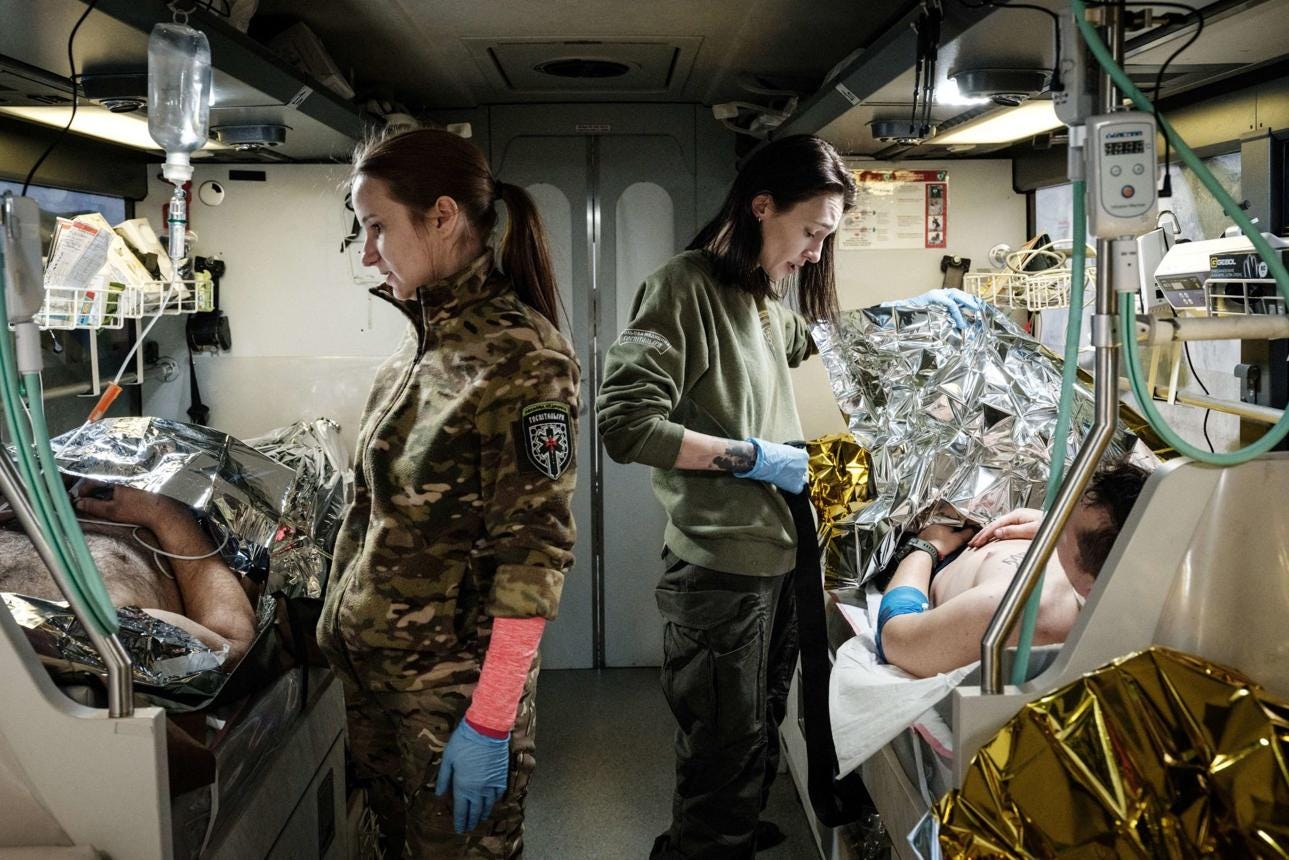
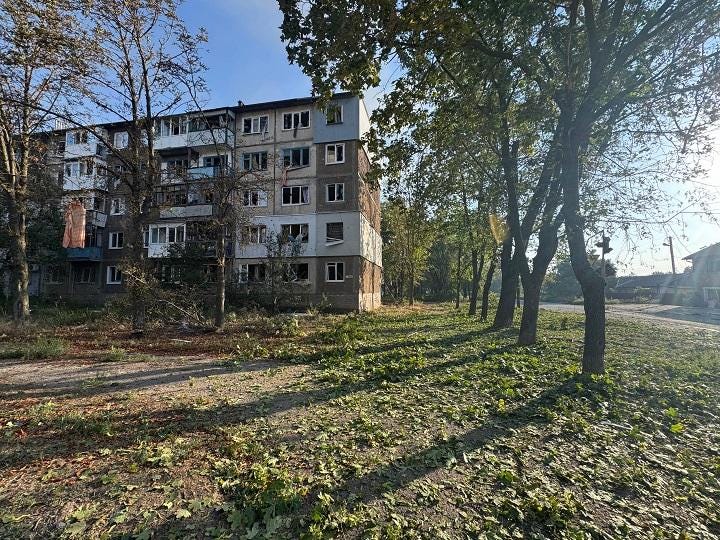
Kostiantynivka, Donetsk Oblast — a city of 67,000 reduced to approximately 2,000 residents. Rescue teams operate under constant drone surveillance. The road toward Kramatorsk is watched from above. Most civilians who leave do so on foot.
The city has no power, no gas, no heat, no running water and no reliable food supply.
Volunteer rescue teams from organisations including Proliska, Breath of Hope and the White Angels move through cratered streets under drone surveillance, calling up to windows and balconies, carrying disabled civilians and wheelchairs, retrieving bodies.
The only road toward Kramatorsk is watched constantly.
Most civilians who leave do so on foot.
Evgeny Tkachev of Proliska described driving into Kostiantynivka as Russian roulette.
A colleague said passengers had complained his vehicle smelled.
He could no longer detect it himself. The bodies, he said, had become background.
A rescue van operated by Breath of Hope was subsequently struck by a fibre-optic drone.
The operator could see the vehicle was humanitarian. The team survived. The person they had been sent to reach did not. Oleg Tkachenko, who leads the organisation, called it a human safari.
Captain Yevhen Alkhimov of Ukraine’s 28th Mechanised Infantry Brigade described the situation in terms that cut through every analytical abstraction: a medieval siege with modern technologies.
His brigade estimates more than 1,000 drones fly daily above the city and its outskirts. A 75-year-old man named Anatoly stood beside a neighbour’s makeshift grave in a courtyard because the cemetery had become too dangerous to reach. You survive, he said. You don’t live.
Where the road ends
Follow the logistics chain far enough back from the front, and it arrives at Mechnikov Hospital in Dnipro — the flagship trauma centre for eastern Ukraine, where soldiers stabilised near the line are brought for surgery.
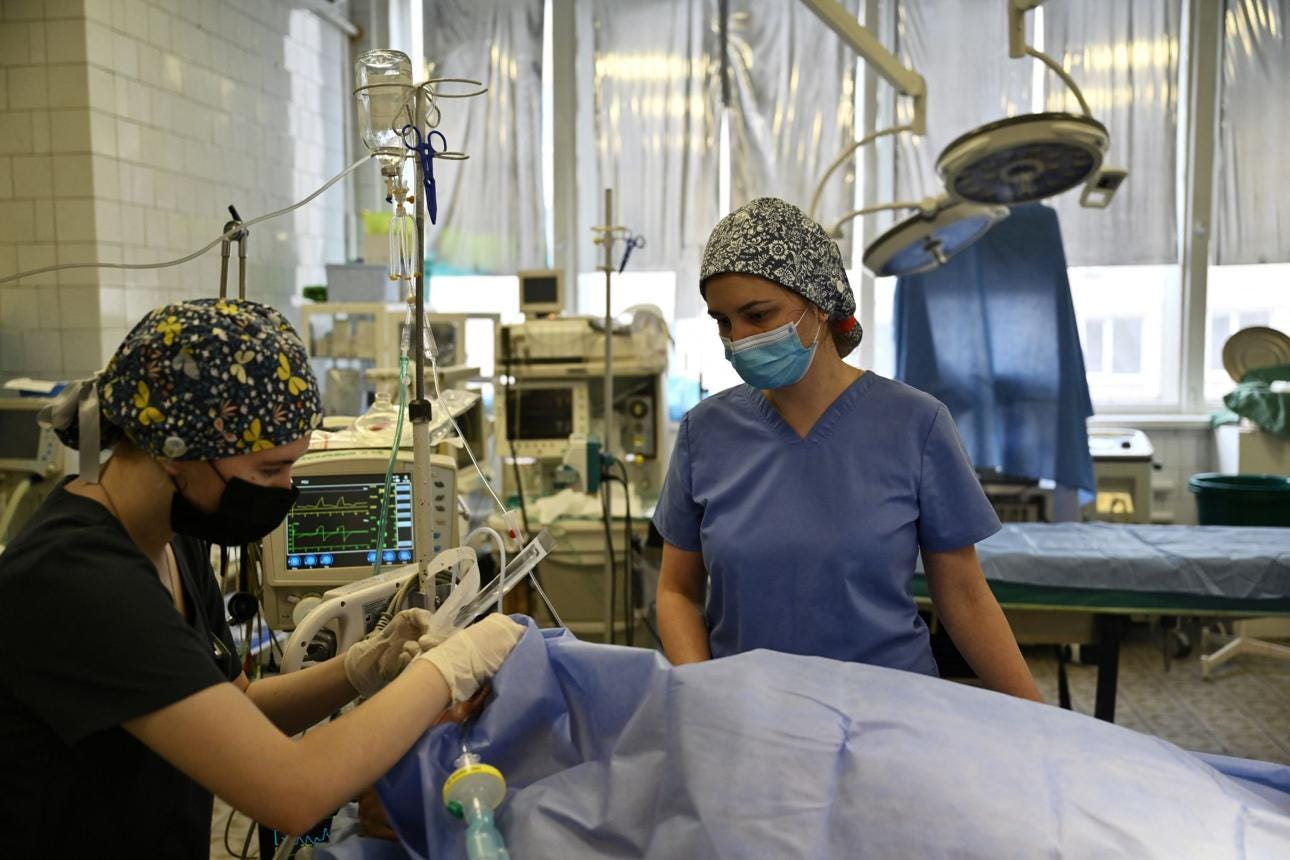
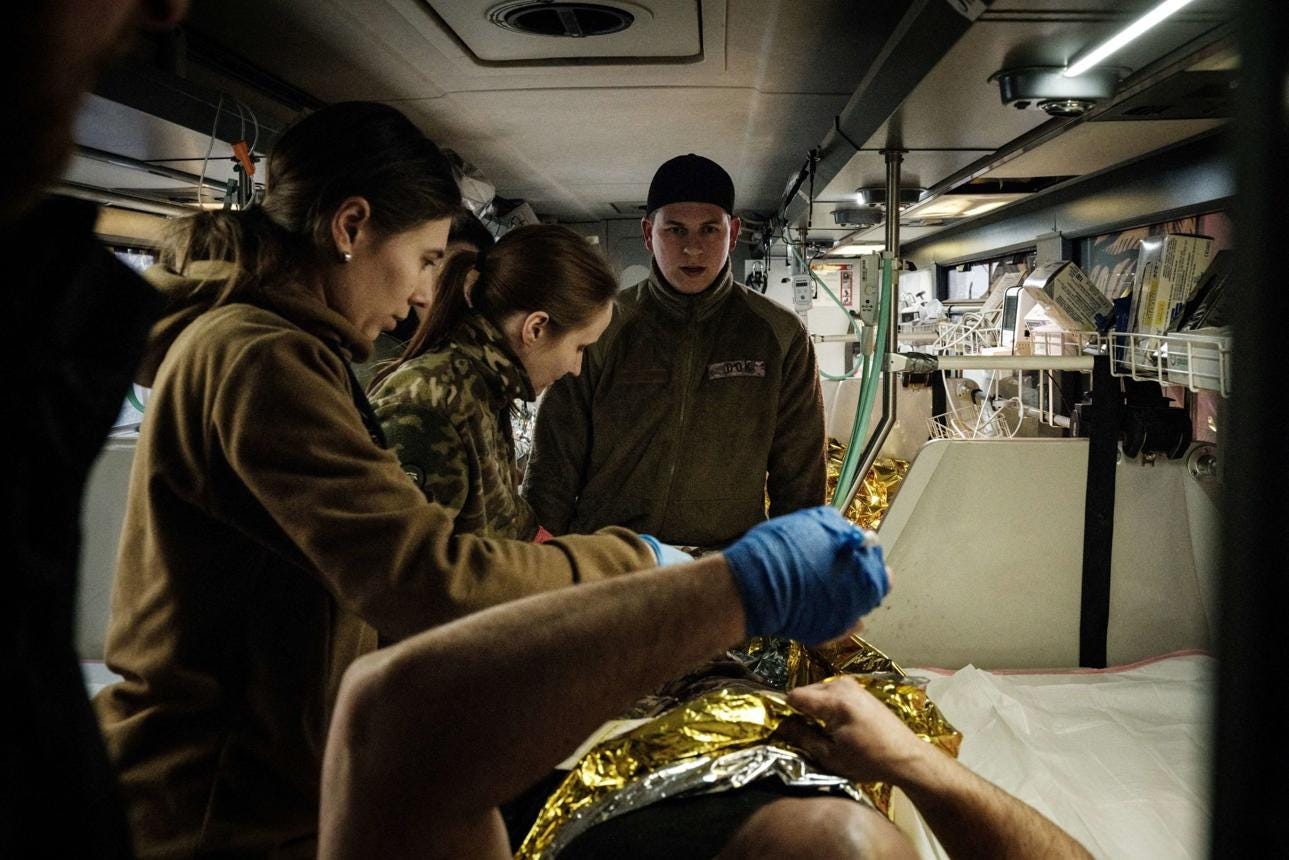
Mechnikov Hospital, Dnipro — the flagship trauma centre for eastern Ukraine, processing more than 1,600 patients a day. Ukrainian and visiting surgeons have performed roughly 2,500 penetrating brain-injury operations since February 2022, approximately what American military medicine accumulated over twenty years of conflict.
An American neurosurgeon, Rocco Armonda, recently stood over an open skull alongside Dr Andriy Sirko’s team, removing shrapnel from the brain of a Ukrainian soldier in his twenties, hit by Russian artillery hours earlier.
It was Armonda’s fifth surgery of that day.
Sirko’s unit has performed roughly 2,500 penetrating brain-injury surgeries since the full-scale invasion began — approximately what American military medicine accumulated over twenty years in Iraq and Afghanistan, compressed into three.
Outside, ambulances queued in the cold. The hospital was processing more than 1,600 patients a day. Soldiers and civilians lay alongside one another, some of them double or triple amputees.
The golden hour of modern trauma medicine — the window in which rapid intervention saves lives — frequently does not exist in eastern Ukraine.
Helicopter evacuation is too dangerous.
Ambulances move under drone threat.
A two-hour journey is sometimes a marvel. Sometimes it takes twelve hours, or a day.
The unsafe road becomes swelling in the brain.
What begins as a strike on a convoy ends as a young man on a table in Dnipro while a surgeon works metal out of living tissue.
Attacking the supply of movement
The same logic that applies to occupied roads applies to the infrastructure that feeds them.
On 21 May, a Ukrainian drone struck the Syzran refinery in Russia’s Samara region, approximately 800 kilometres from Ukrainian-controlled territory.
The strike damaged the CDU-6 crude distillation unit, which processes more than 70 per cent of the plant’s capacity.
Repairs are estimated to take more than a month.
Days later, Ukrainian forces struck the Belets oil depot at Unecha in Bryansk Oblast, approximately 60 kilometres from Ukraine’s northern border — described by Ukraine’s General Staff as an important link in fuel supply to Russian military forces.
President Zelensky described the Syzran strike as another long-range sanction against Russian oil refining.
The phrase is precise.
Western sanctions require negotiation, exemptions and enforcement.
Ukrainian drones require none of those things.
If Russia’s war runs on crude units, fuel depots, rail tankers and diesel, Ukraine can impose part of that cost unilaterally and without consensus in Brussels.
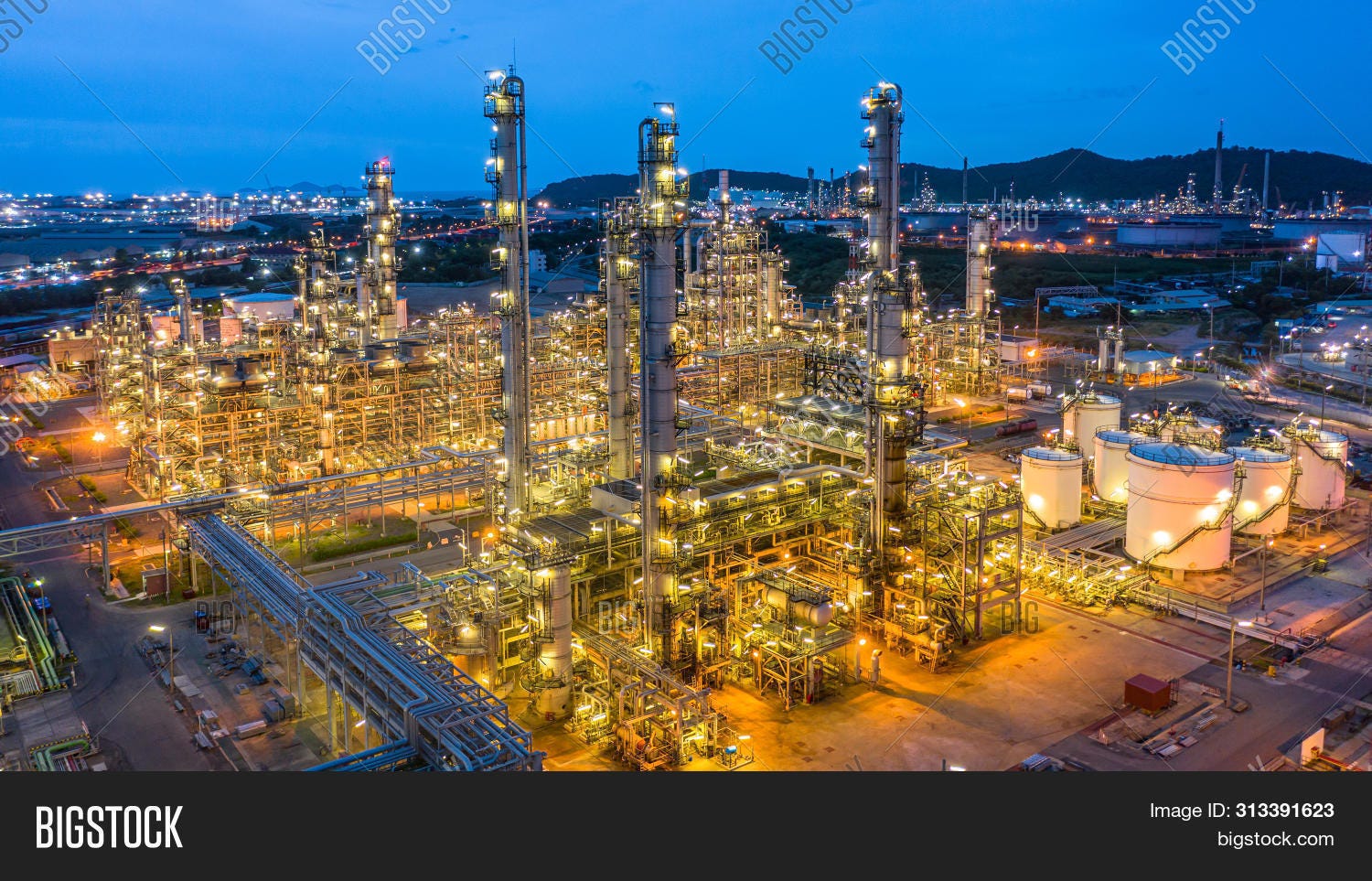
The Syzran refinery, Samara region, struck by Ukrainian drone on 21 May 2026. The CDU-6 crude distillation unit, handling more than 70 per cent of the plant’s capacity, was damaged. Estimated repair time: over a month. Ukraine has described the campaign as long-range sanctions on Russian oil refining — imposed without consensus in Brussels.
The results are visible in the rate of Russian advance.
According to ISW tracking, Russian forces averaged 9.76 square kilometres of daily gain in the first four months of 2025.
Over the same period in 2026, that figure had fallen to 2.9 square kilometres.
In April 2026 alone, Russia posted a net territorial loss of approximately 116 square kilometres.
A refinery offline for a month is not a turning point.
A burned tanker is not a breakthrough.
But each represents a recurring tax on the one resource Russia’s strategy actually depends upon — the ability to keep moving cheaply enough that time remains on its side.
If movement becomes expensive in enough places simultaneously, the compounding slows.
What the map cannot show
Russia still advances.
Grinding pressure took Avdiivka.
Kostiantynivka continues to hollow out.
None of what Ukraine is doing to Russian logistics has made Ukraine secure, and the dead in Ukraine’s cities are as real as the operating rooms in Dnipro.
But the map, which still draws corridors as corridors and roads as roads, cannot capture what has changed.
Labels survive long after the assumptions beneath them have been invalidated.
The briefing room still shows a land corridor to Crimea.
The driver on the M-14 is asking a different question.
Russia wanted roads so that holding stolen ground would feel like administration rather than combat — a matter of maintenance, paperwork, routine.
Ukraine is ensuring that every mile of that space has to ask permission to move.
The tanker burning on the route to Crimea, the rescue van moving under surveillance in Kostiantynivka, the soldier arriving late to Dnipro because the road itself became part of the wound — these are not separate stories.
They are the same story, told from different points along the same chain.
Ukraine is attacking the chain.
It’s free
However, if you find reason to support my research - I would be grateful for any contribution in the range of: 2 to 8 $.
If you want to contribute you should upgrade to paid when you have pressed the Subscribe button. Then the pledge window should open. I have added new buttons you can try. I have had some challenges navigating Substack. So please let me know if it is not working.
However, there are no restrictions. Everything is free and public.
Please do me the favour to restack.