
Canada Is Being Pulled Back In
Not by choice — but because the world no longer waits

Reading time: 7–8 minutes
Credit: Response to Chris Alexander / The Diehard Optimist
Canada spent years stepping back.
Less military weight.
Fewer diplomats.
Lower expectations.
That worked — for a while.
Because the world allowed it.
What started to change
The environment Canada operated in is no longer stable.
wars that do not stay local
pressure that spreads across regions
conflicts that connect to each other
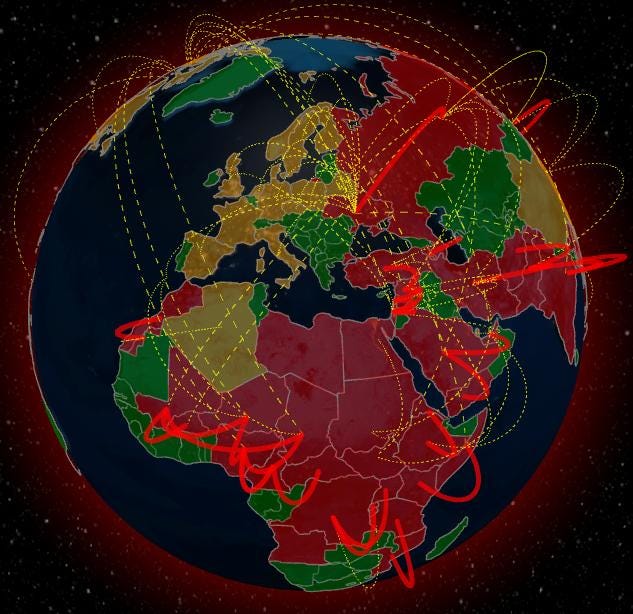
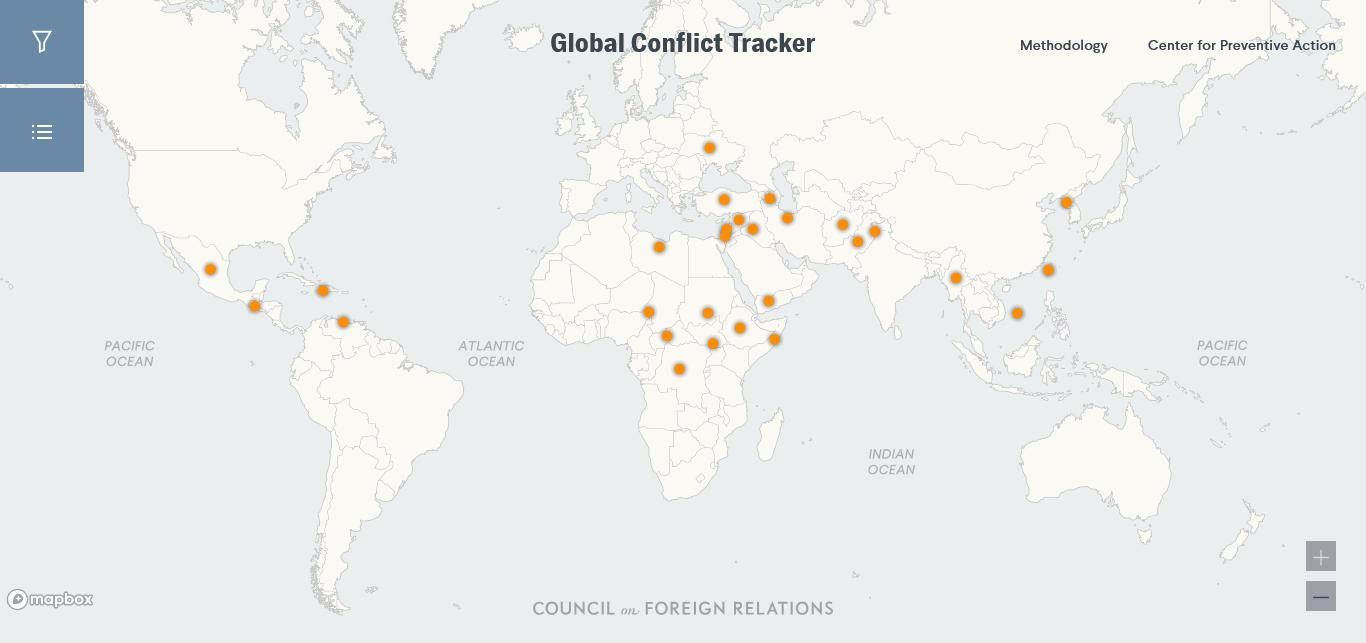
This is not one crisis.
👉 it is many pressures happening at the same time
And they do not stay separate.
What still worked — until now
Canada’s strength used to come from:
choosing when to act
acting with allies
stepping in at key moments
That created influence without constant exposure.
But that depends on something:
👉 time
And time is what is disappearing.
What is forcing the shift
Look at the pattern:
Russia continues its war in Ukraine
Iran spreads pressure across regions
China watches and tests boundaries
These are not isolated.
👉 they feed into each other
“Canada is not being asked to step up.
It is being pulled back in.”
Where this becomes real
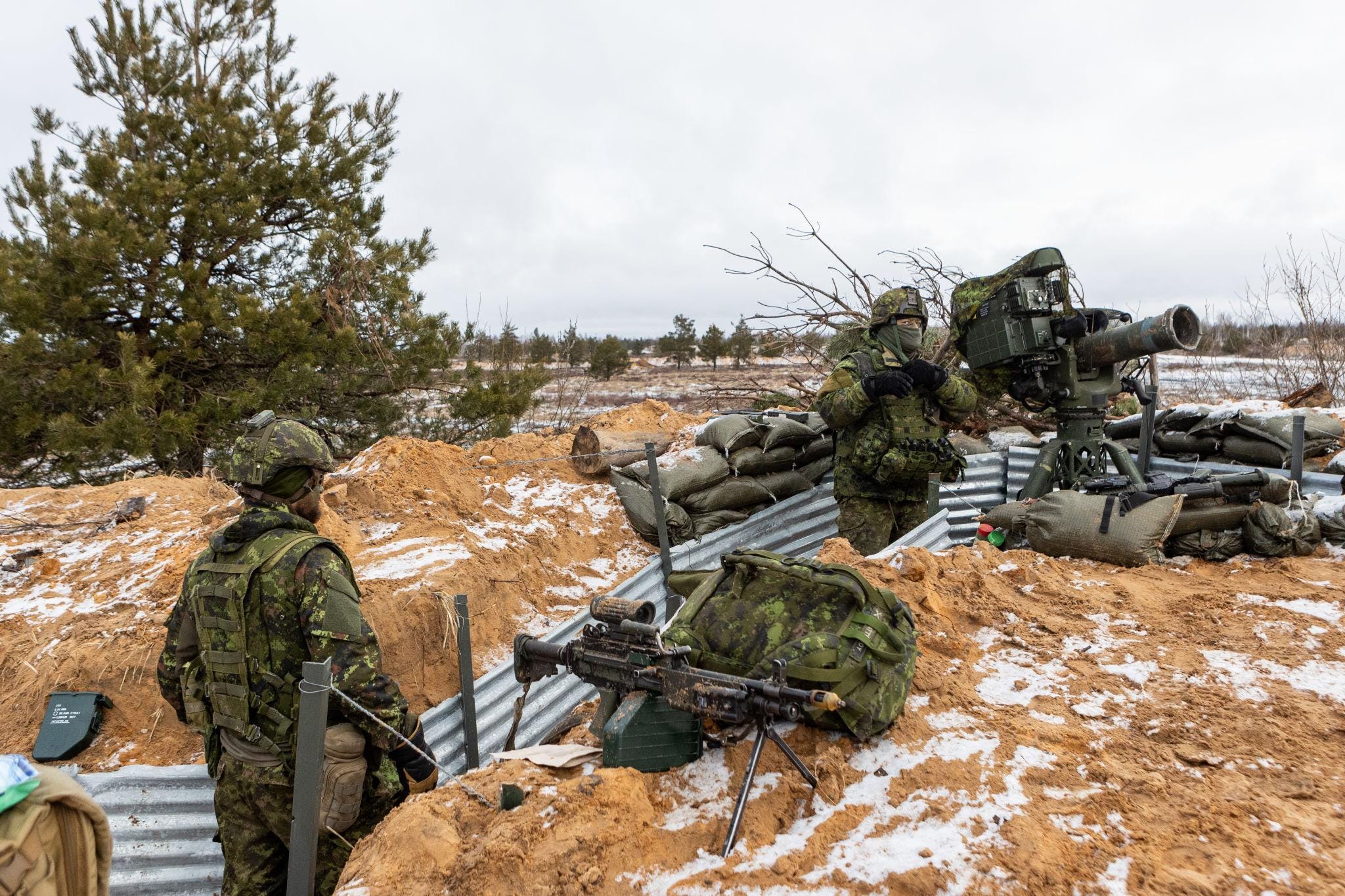
Canada is already present:
troops in Latvia
support for Ukraine
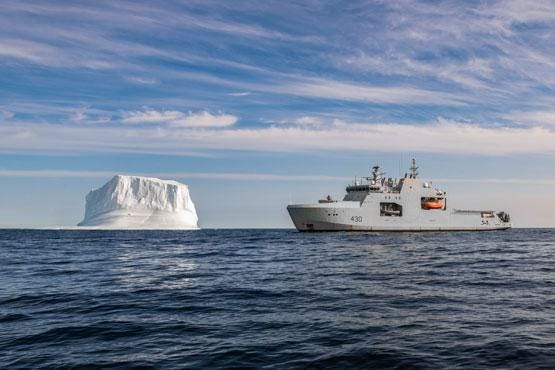
growing Arctic focus
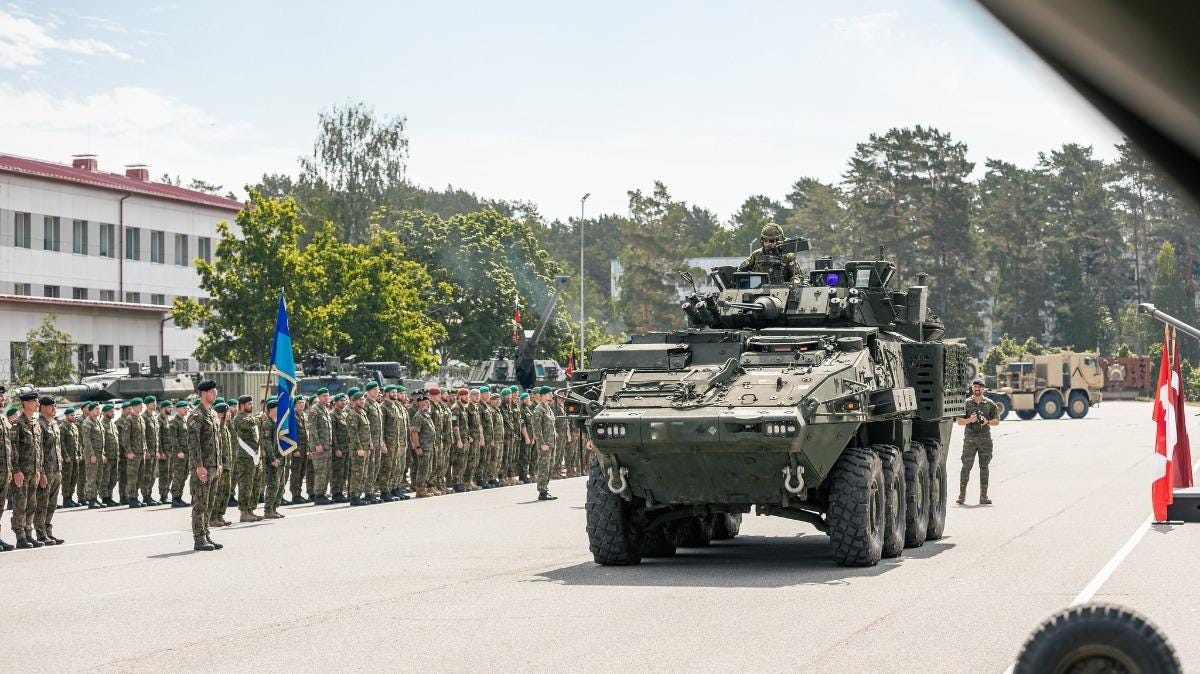
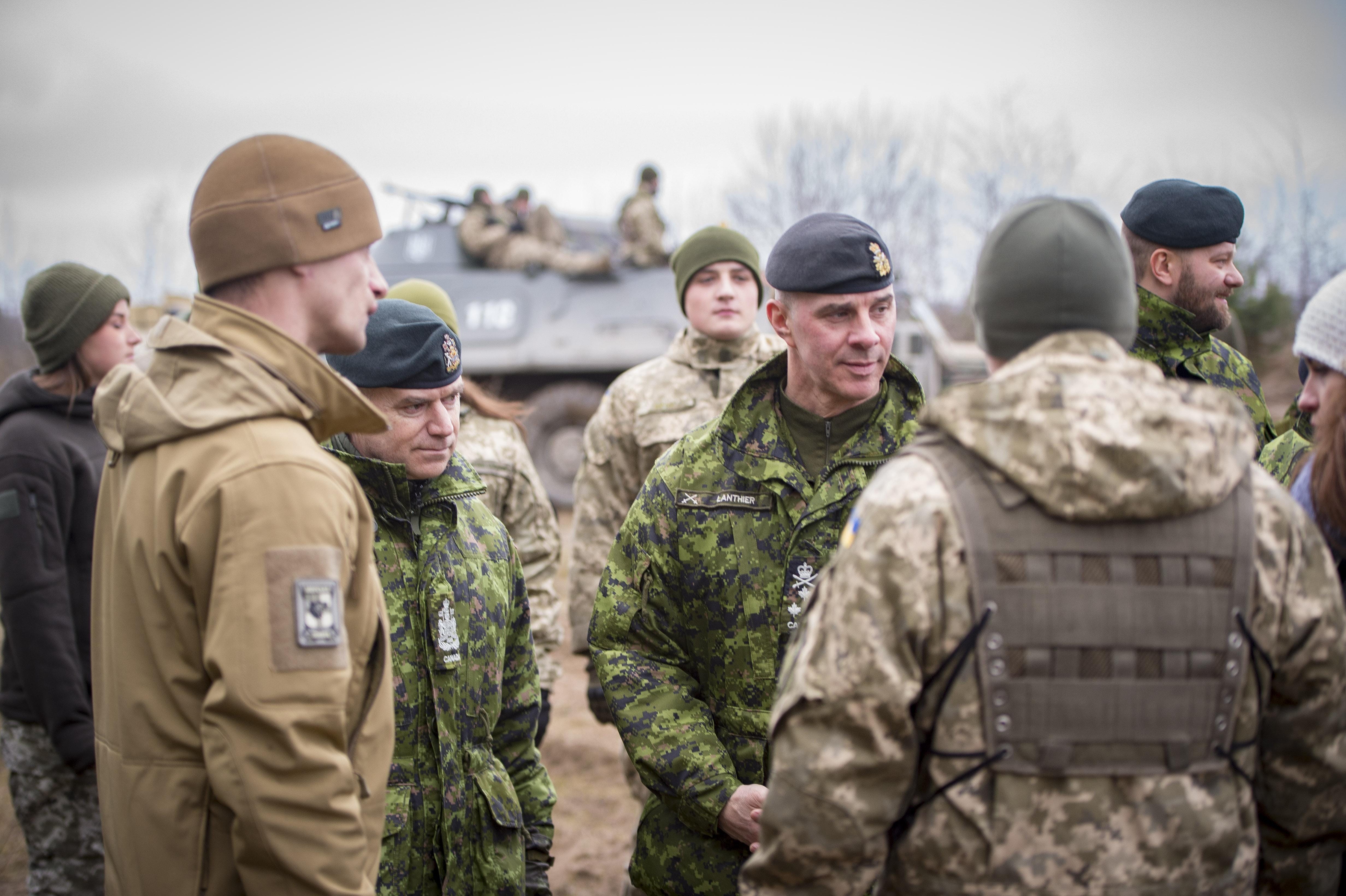
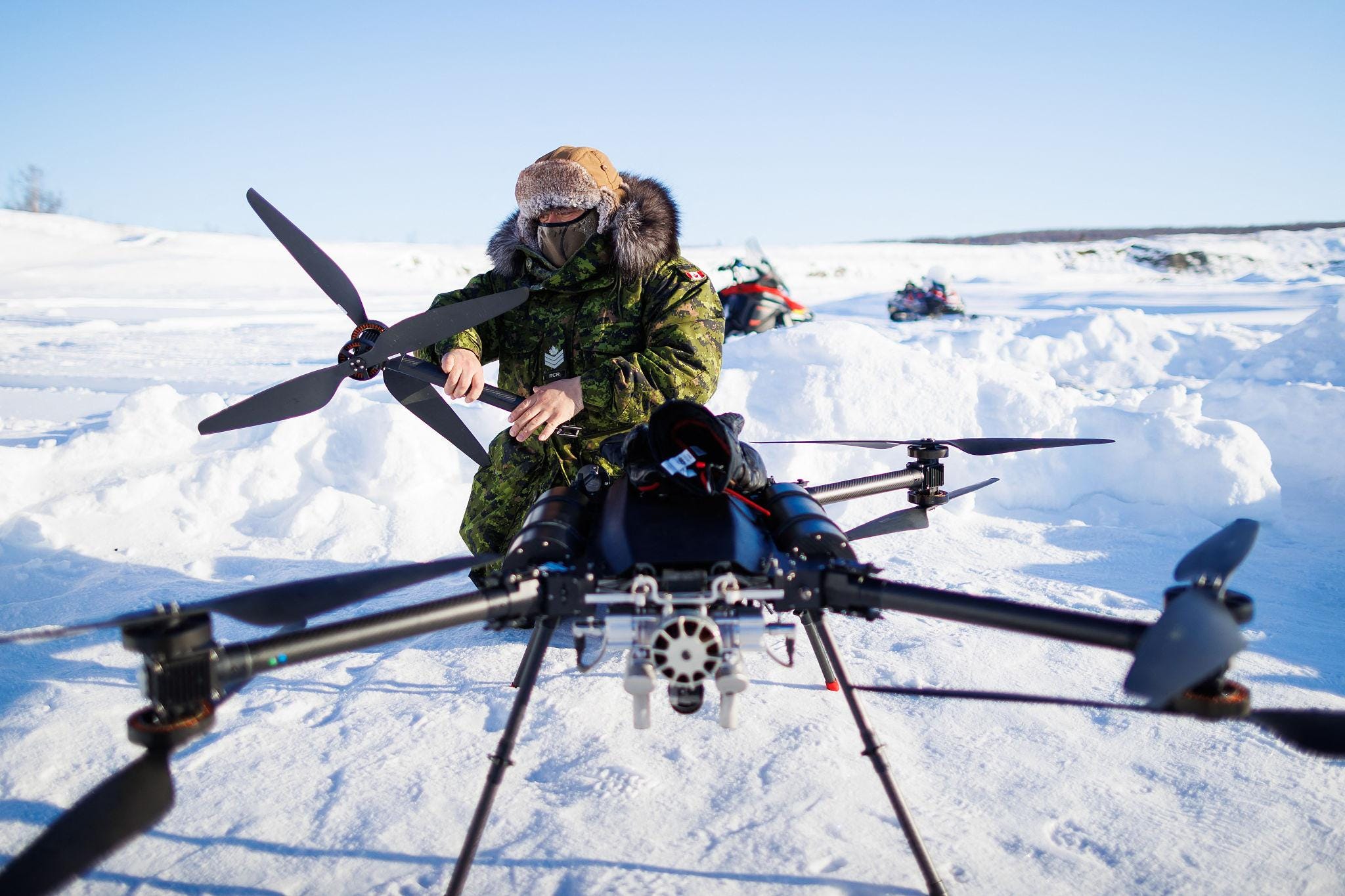
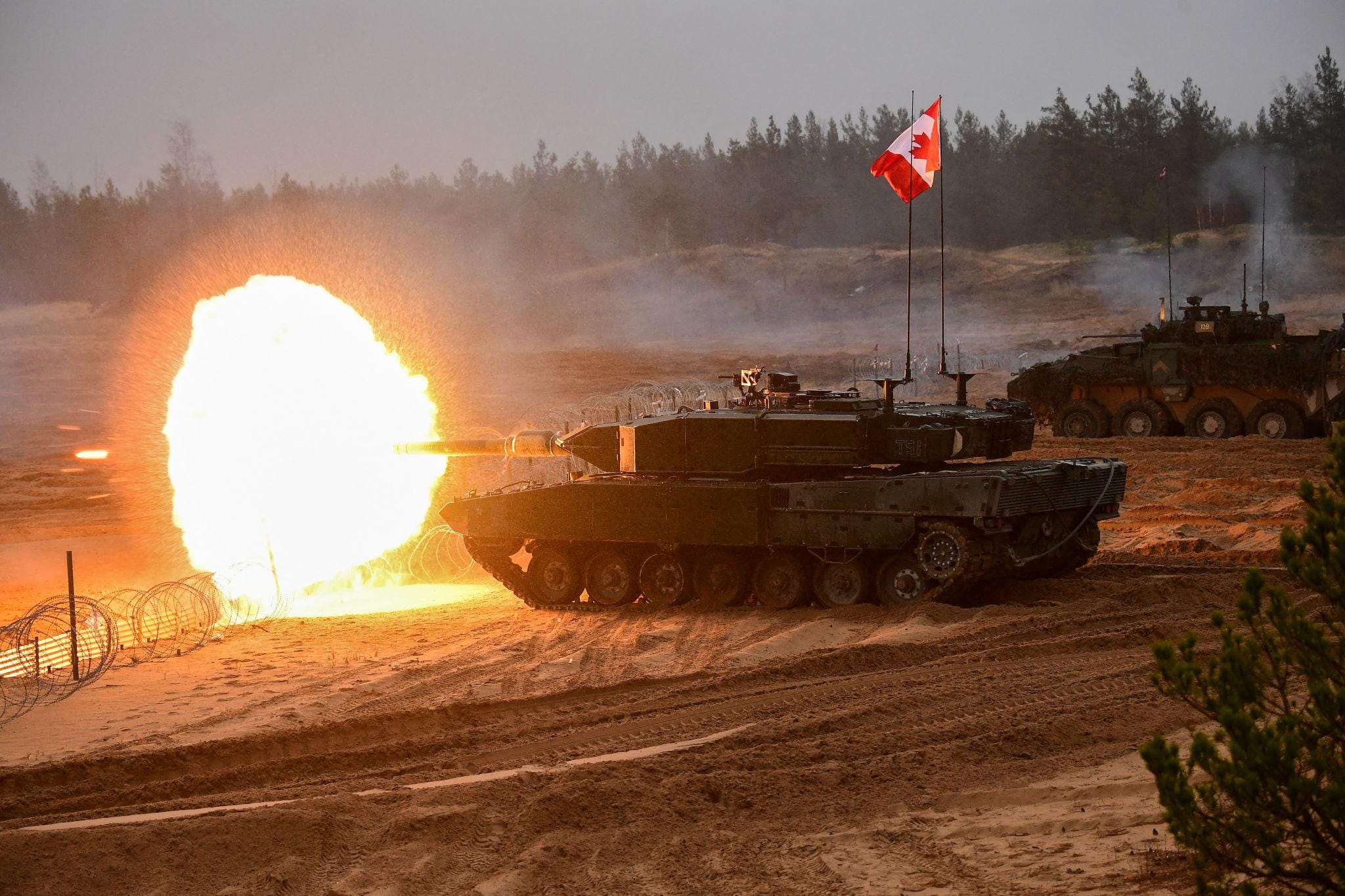
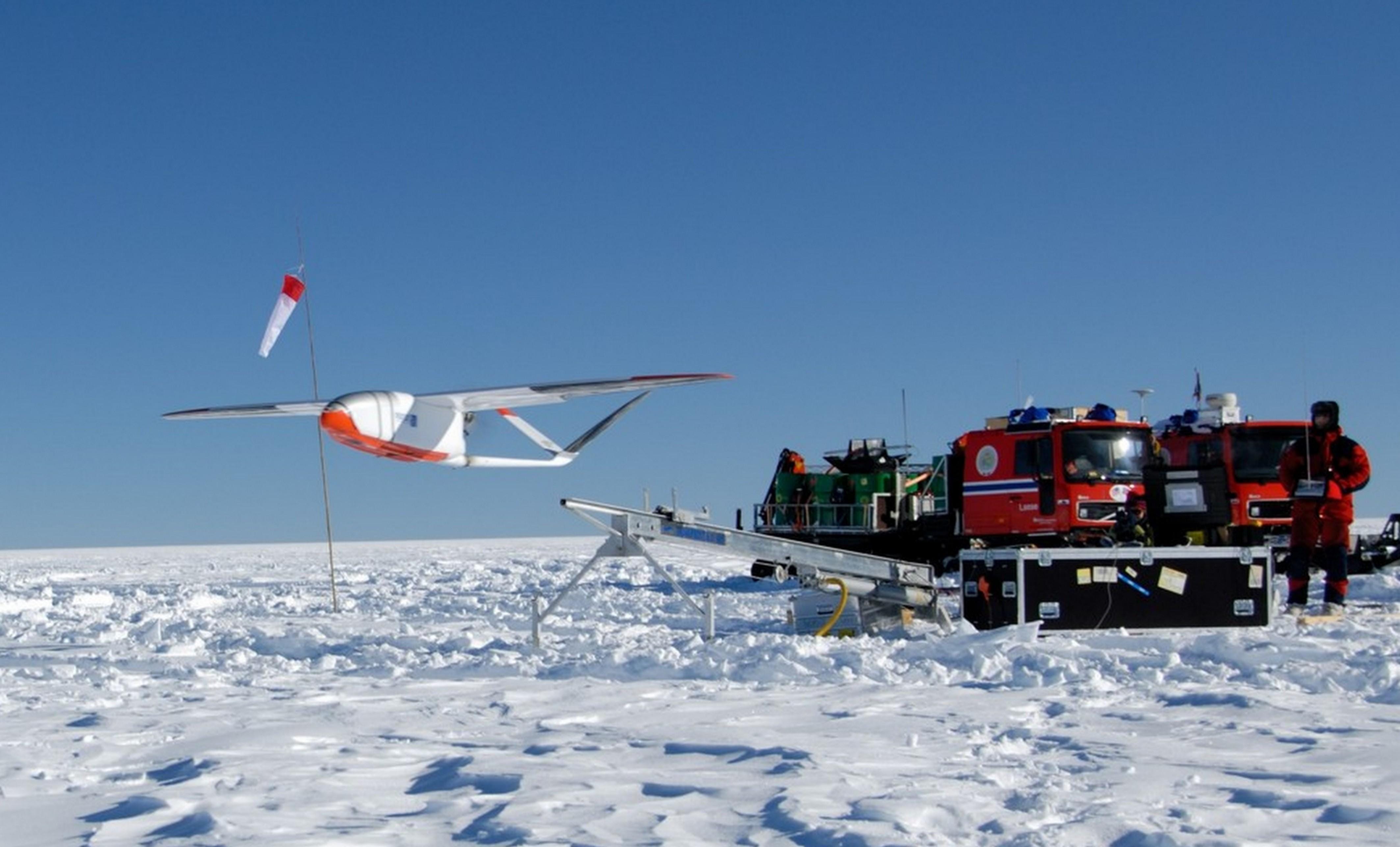
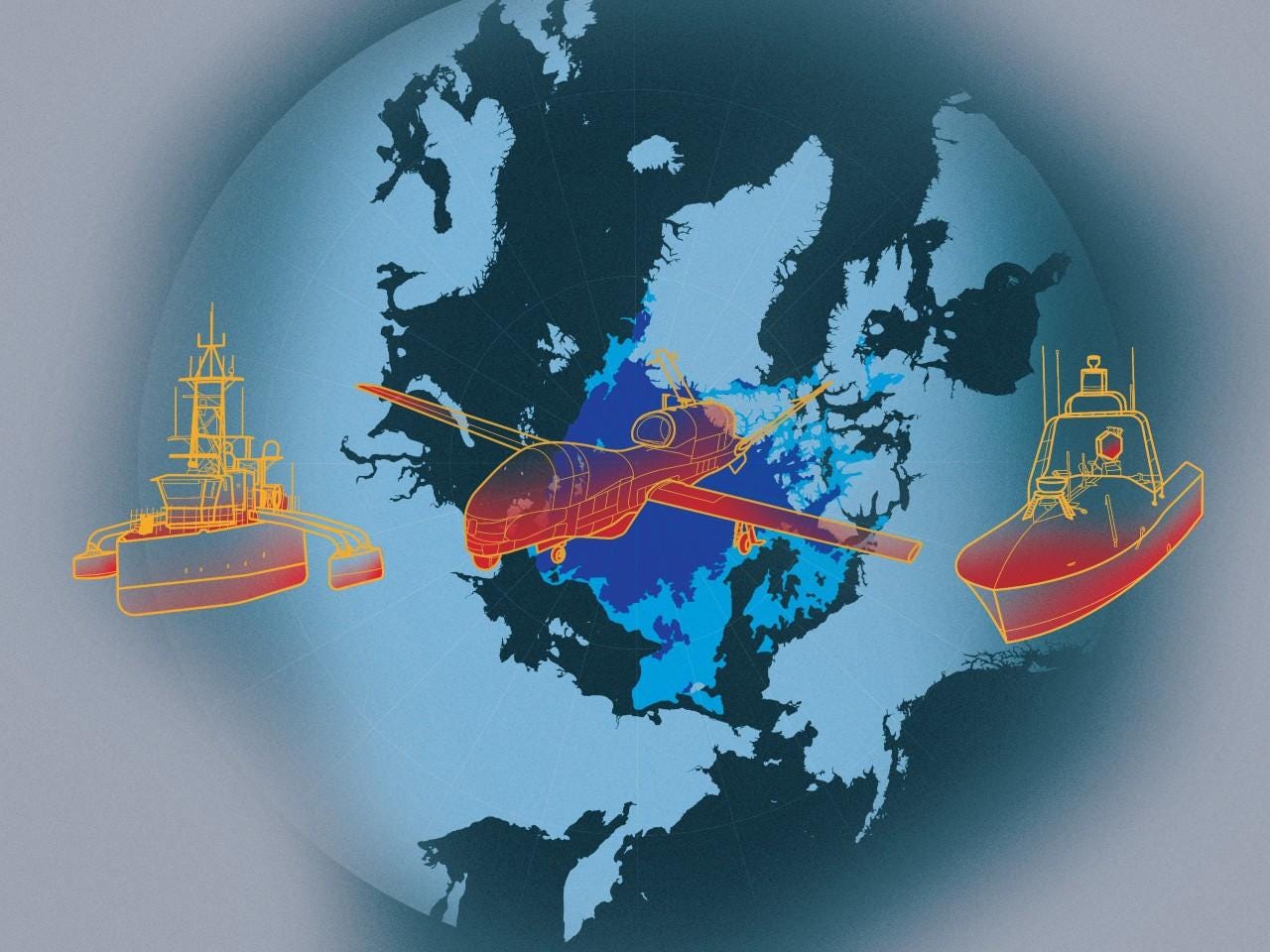
But presence is not the same as position.
The question is no longer:
👉 Should Canada act?
But:
👉 How deeply does Canada want to be involved in what is forming?
What is being built around it
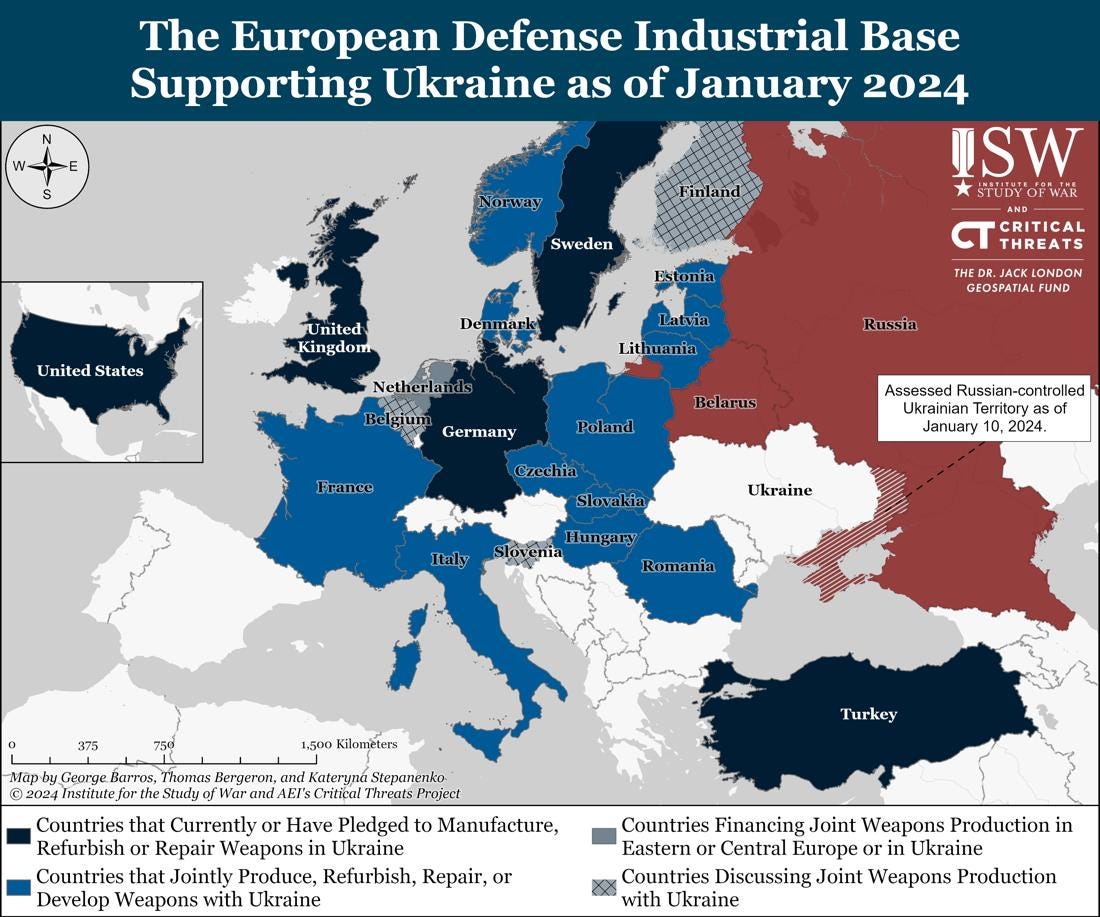
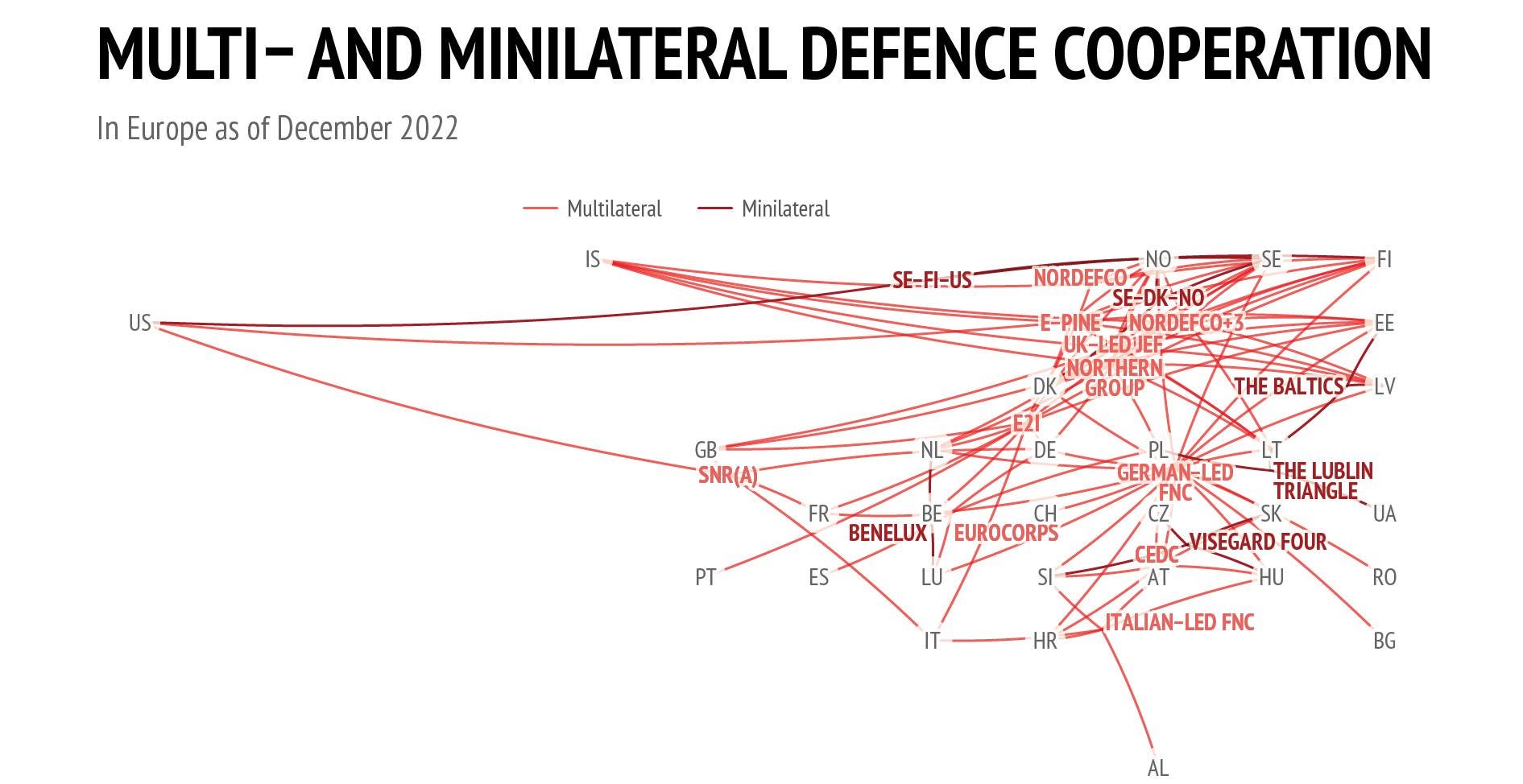
Across Europe and beyond:
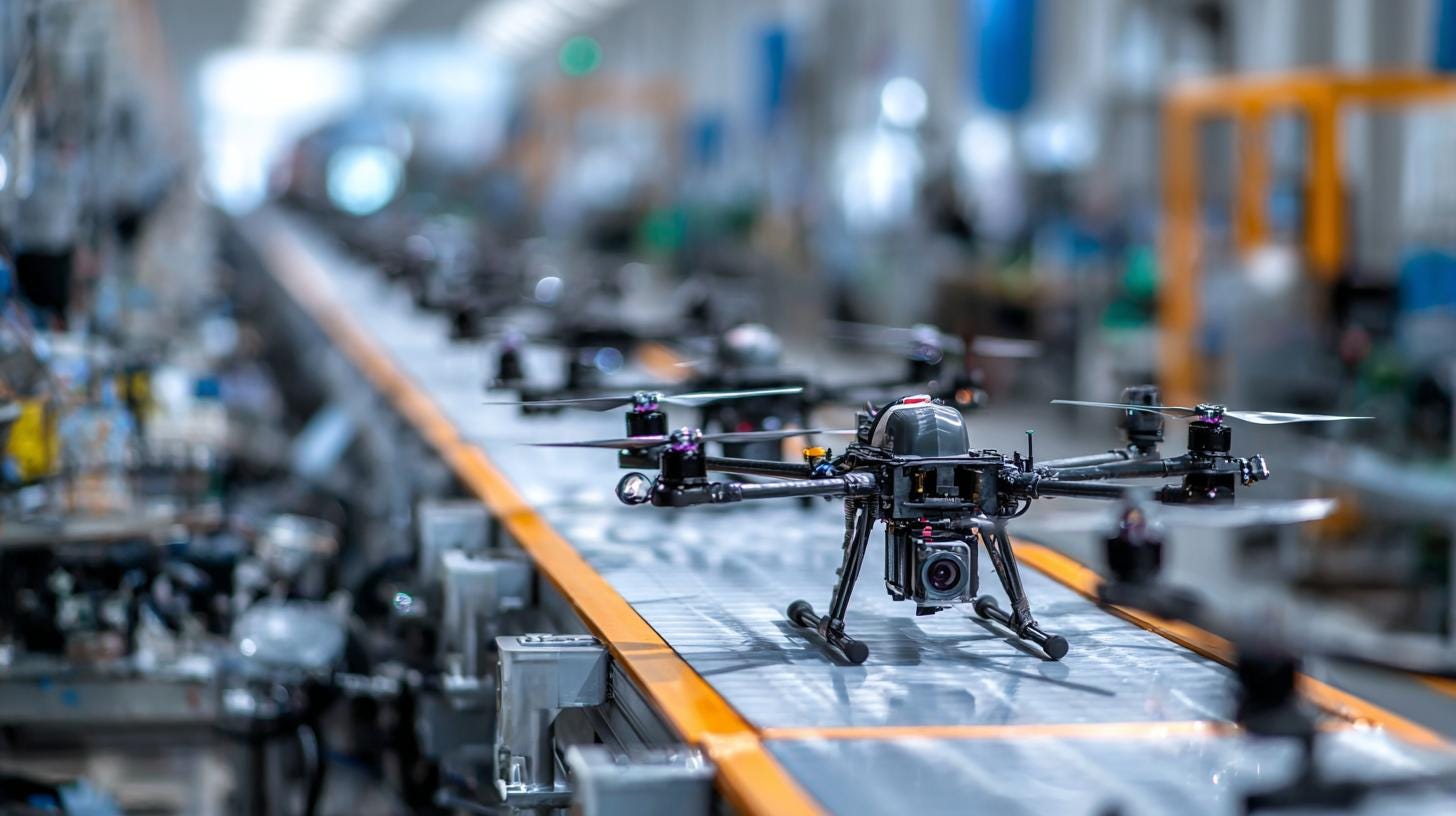
countries are building defence together
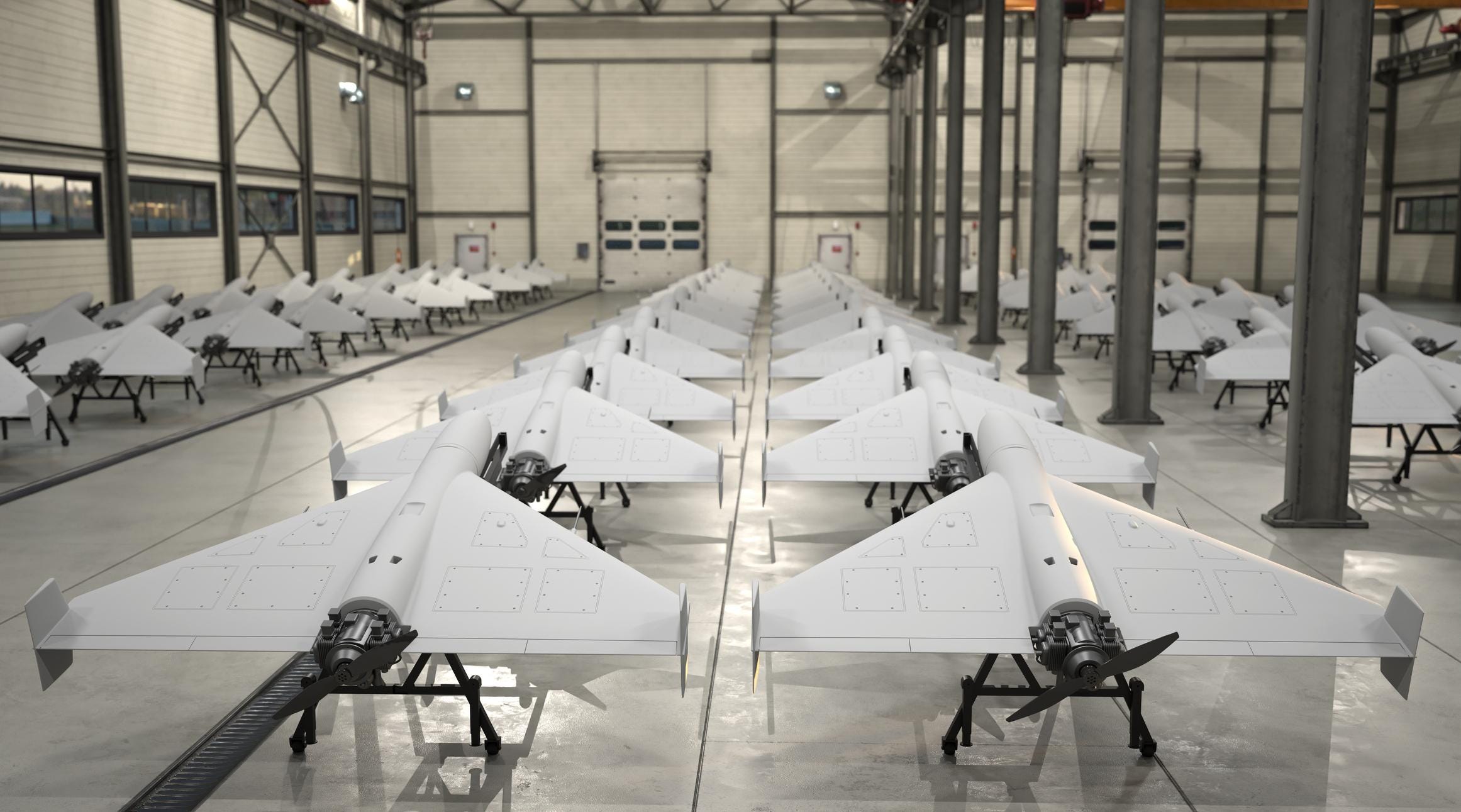
production is being shared
capabilities are being connected
This is not temporary.
it is becoming the way things are done
And once that starts:
early participants shape it
late participants adapt to it
Where Canada stands right now
Canada has made commitments.
But the deeper move is still forming.
Not funding.
Not support.
👉 building together
Because that is where long-term influence comes from now.
What this means in practice
Not grand strategy.
But concrete steps:
joining production early
building capacity with partners
placing itself inside what is growing
Because once the lines are drawn…
entry becomes harder and more expensive
What Alexander is really pointing at
Not a return to old diplomacy.
But a shift in how influence works.
Not:
statements
positions
formal roles
But:
presence where things are actually happening
And that is the real test
Not whether Canada cares.
But whether it moves early enough.
Because in this environment:
👉 waiting is also a decision
If you want to understand how influence is built today — not through statements, but through what countries actually build together:

Final Note
If this resonates, follow along.
We are not watching policy debates.
We are watching where countries choose to stand —
and what they choose to build together.
And once that starts…
it shapes everything that follows.
It’s free
However, if you find reason to support my research - I would be grateful for any contribution in the range of: 2 to 8 $.